

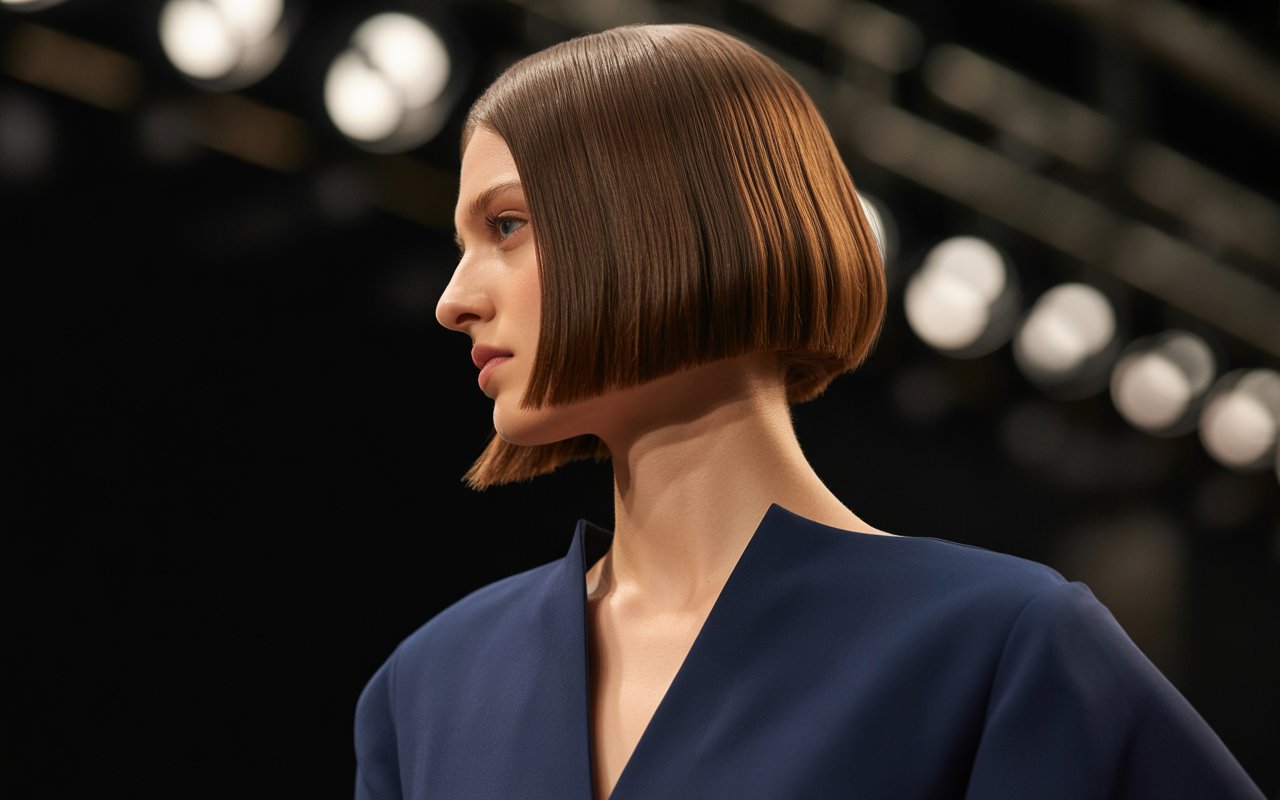
Fine hair has a reputation for being the difficult type — the one that goes flat an hour after styling, the one that seems to lose its shape the moment you step outside. If that sounds familiar, you are not alone. A huge number of women deal with this exact frustration, and the search for a haircut that actually holds volume without requiring a two-hour morning routine is very real.
That is exactly where the French bob comes in. Originally born from 1920s Parisian style, this chin-length, blunt-cut bob has been a recurring fixture in fashion for over a century — and for good reason. Unlike longer styles that pull fine hair down with their own weight, a shorter, structured cut concentrates fullness right where it shows the most. The result is hair that looks thicker, denser, and far more alive than it did before the scissors ever touched it.
The beauty of this cut is that it is not one-size-fits-all. There are several ways to wear it, each with different textures, bangs options, and finishing styles that can be tweaked to flatter your face shape and your hair’s natural tendencies. Below are nine of the best variations to consider if you are ready to swap flat and lifeless for structured and full.
- 1. The Classic Blunt French Bob
- 2. The Textured French Bob
- 3. The Retro Glam Bob with Full Bangs
- 4. The Wispy-Bang French Bob
- 5. The Curtain-Bang French Bob
- 6. The Razored French Bob
- 7. The Bob with Internal Layers and Blunt Ends
- 8. The Side-Parted French Bob
- 9. The Wavy French Bob
- Fine Hair Deserves the Right Foundation
- Frequently Asked Questions
1. The Classic Blunt French Bob
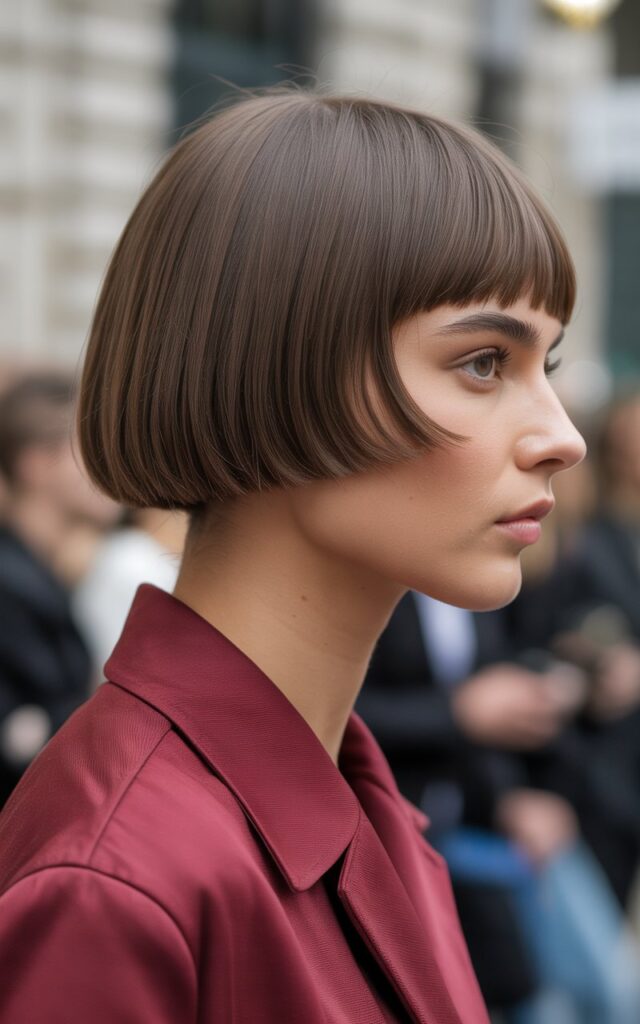
This is the original — a jaw-skimming cut with clean, straight-across ends and a soft fringe that grazes the brows. What makes it so good for fine hair is simple geometry: by cutting everything to one length, all that weight collects at the ends rather than tapering off into thin, wispy tips. The result is a solid, dense-looking baseline that immediately makes strands appear thicker.
Style it with a volumizing mousse applied to damp hair before blow-drying with a round brush. Curl the ends slightly under to reinforce that full, rounded silhouette at the bottom. This is the version to show your stylist if you have never tried this cut before and want a clean, classic starting point.
2. The Textured French Bob
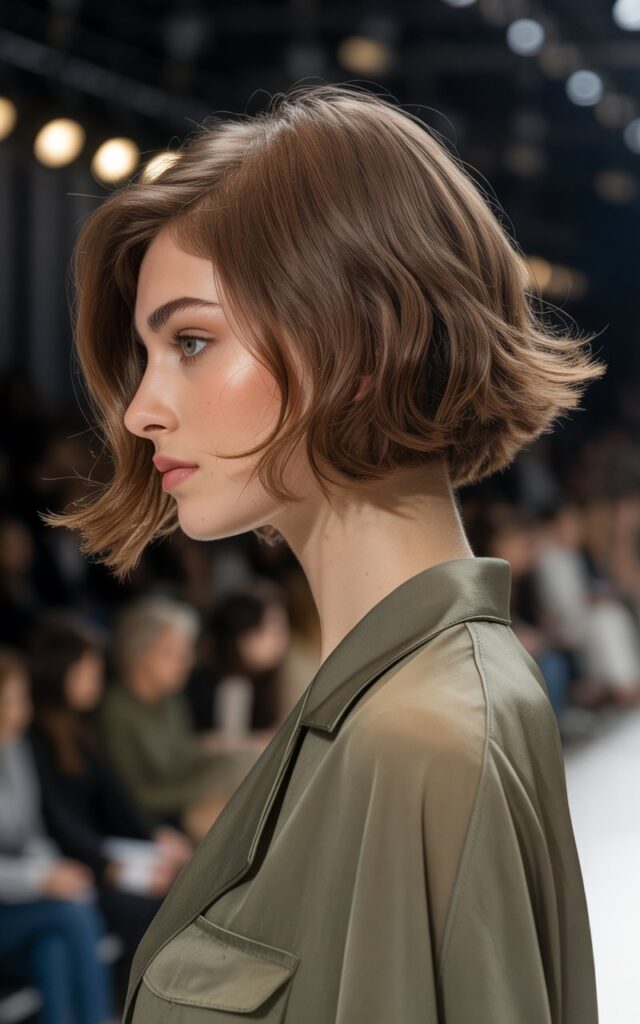
A textured version takes the blunt foundation and adds subtle internal layers — not enough to thin the hair out, but just enough to introduce movement and airiness. The ends are often point-cut or razor-finished to create that lived-in, slightly undone quality that is so associated with the Parisian look.
This is a strong option for women whose fine hair tends to sit flat and lifeless even right after styling. A little texture gives the hair something to hold onto. Finish with a lightweight sea salt spray or texturizing mist on slightly damp hair and let it air dry, or use a diffuser to encourage body at the roots.
3. The Retro Glam Bob with Full Bangs
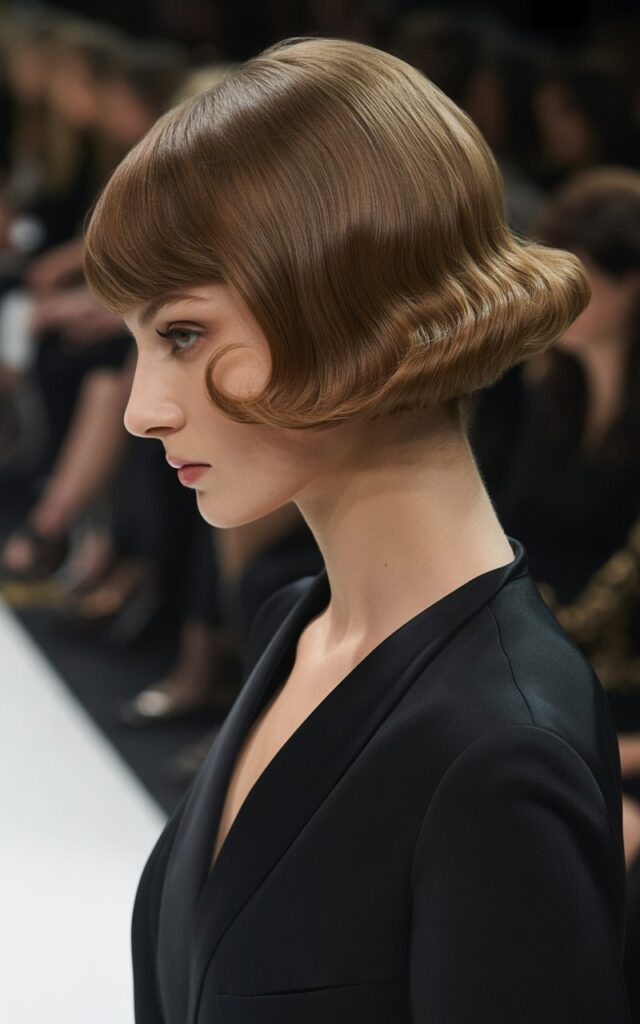
Think early 1960s French cinema. This version pairs a jaw-length cut with thick, full-across bangs and adds soft, inward-curling ends for a polished retro finish. The full fringe does a lot of work here — it adds visual weight across the forehead, which balances the overall look and draws attention away from the thinness of the hair itself.
The rolled-under ends are the other key detail. By curling the tips inward with a round brush or a curling iron, you build volume right at the perimeter of the cut, which is exactly where fine hair needs it most. A mousse at the roots before blow-drying will boost lift and help the style hold through the day.
4. The Wispy-Bang French Bob
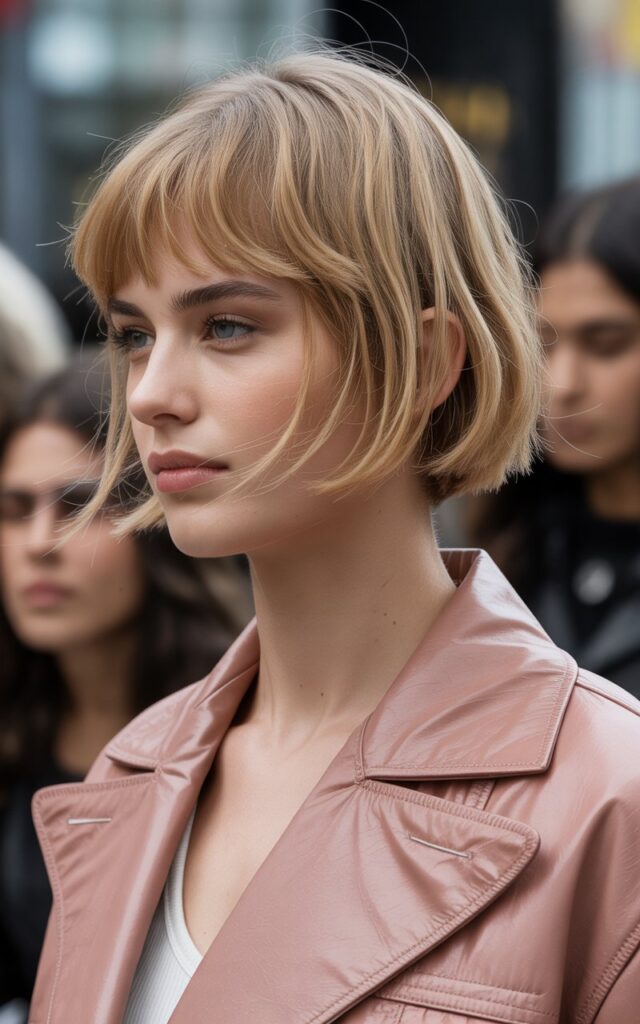
Not everyone loves a heavy, blunt fringe. For women who want a softer, more effortless look, wispy bangs are the answer. These are lighter, feathery bangs — usually point-cut across the forehead — that frame the face without sitting too heavily or requiring much maintenance.
Paired with a chin-length bob, wispy bangs add just enough texture around the face to make the overall style feel full without looking overly done. They also happen to be one of the more forgiving fringe options as they grow out — a real bonus if you are not sure you want to commit to trimming your bangs every three to four weeks.
5. The Curtain-Bang French Bob
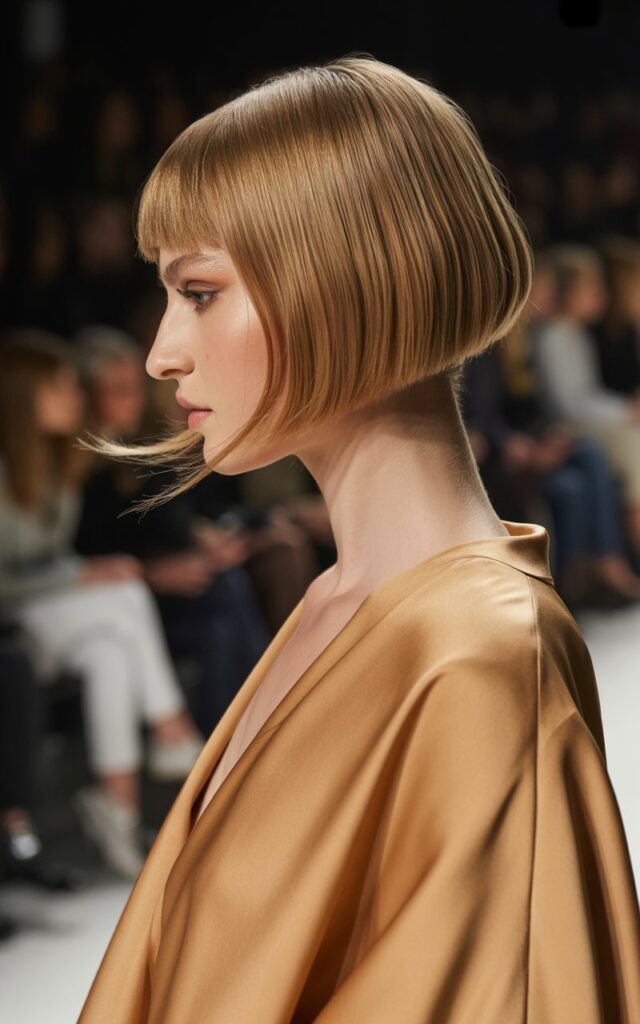
Curtain bangs have been having a long moment in hair, and they work particularly well with a chin-length bob on fine hair. The bangs are parted down the middle and swept softly to each side, framing the face like — you guessed it — a pair of curtains. This creates the appearance of more volume across the crown and adds a face-framing effect that longer styles simply cannot replicate at this scale.
The key to making curtain bangs work with fine hair is keeping them long enough to blend smoothly into the sides of the cut. Ask your stylist to cut them so they taper seamlessly rather than leaving a hard corner between the bangs and the rest of the bob.
6. The Razored French Bob
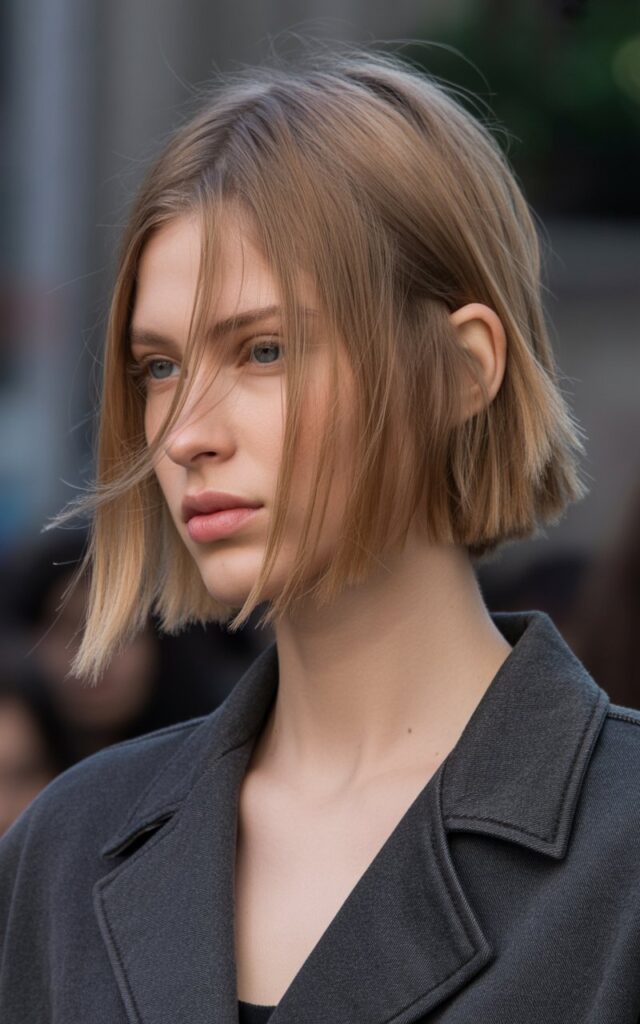
A razor-cut version of this style is done with a straight razor instead of scissors. The razor creates thinner, softer ends that move more freely than blunt-cut ends — giving the finished style a more disheveled, editorial quality. For fine hair, the appeal is that the razor adds texture and separation throughout the cut, which prevents that flat, helmet-like appearance a one-length bob can sometimes create on very straight, fine hair.
This works beautifully for women who prefer a slightly edgier, less polished aesthetic. Keep in mind that a razored finish does require a bit more upkeep — those softer ends grow out faster and lose their shape more quickly than a blunt cut.
7. The Bob with Internal Layers and Blunt Ends
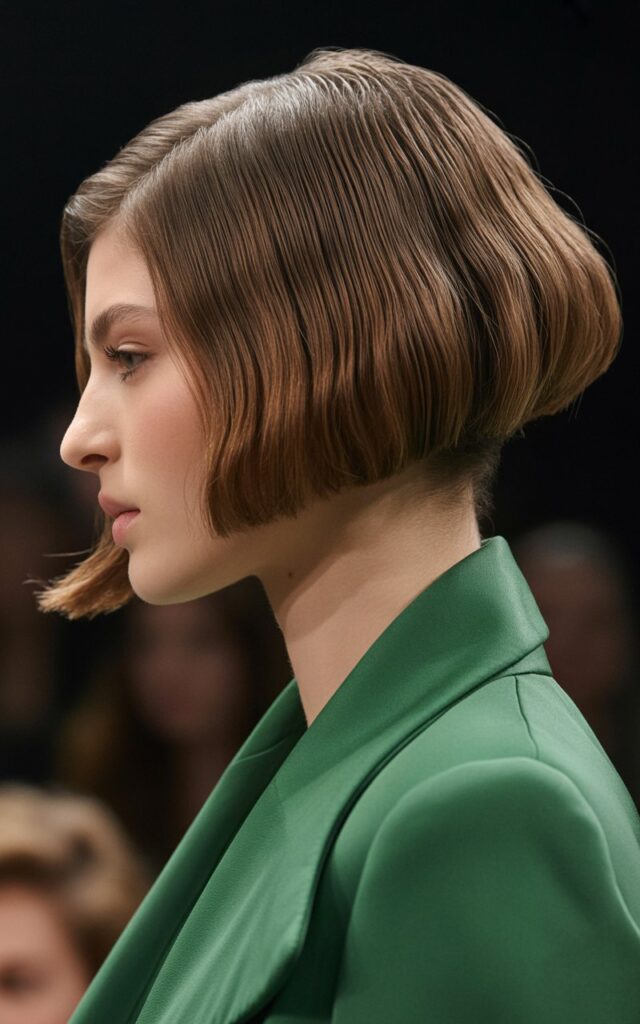
This is one of the more nuanced variations and one of the most effective for fine hair. The ends remain blunt — preserving that solid, dense-looking perimeter — but subtle layers are added internally, close to the roots and through the mid-lengths. This lifts the hair away from the scalp and creates movement through the body of the cut without removing weight from the ends.
The distinction matters because layering the ends is one of the most common mistakes stylists make with fine hair. It thins them out and makes the hair look even less substantial. Keeping the ends full while adding internal structure is the trick that makes this particular version so flattering.
8. The Side-Parted French Bob
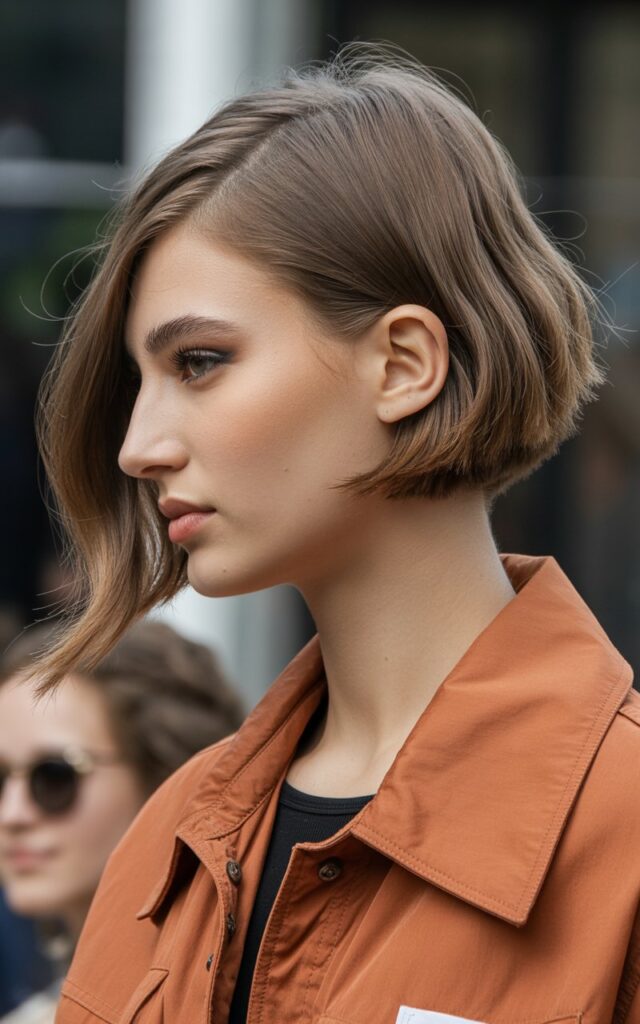
A small styling change — switching to a deep side part — can dramatically change how much volume a bob appears to have. The side part lifts the hair at the roots on one side of the head, creating natural lift that a center part never quite achieves. Combined with a chin-length cut, it also shifts the overall silhouette slightly, which adds asymmetry and visual interest.
This is also one of the easiest ways to refresh the same cut without going back to the salon. If your blunt bob is starting to feel flat or predictable, try switching to a deep side part and blow-drying that lifted section with a round brush for extra root volume. The difference is more noticeable than you might expect.
9. The Wavy French Bob
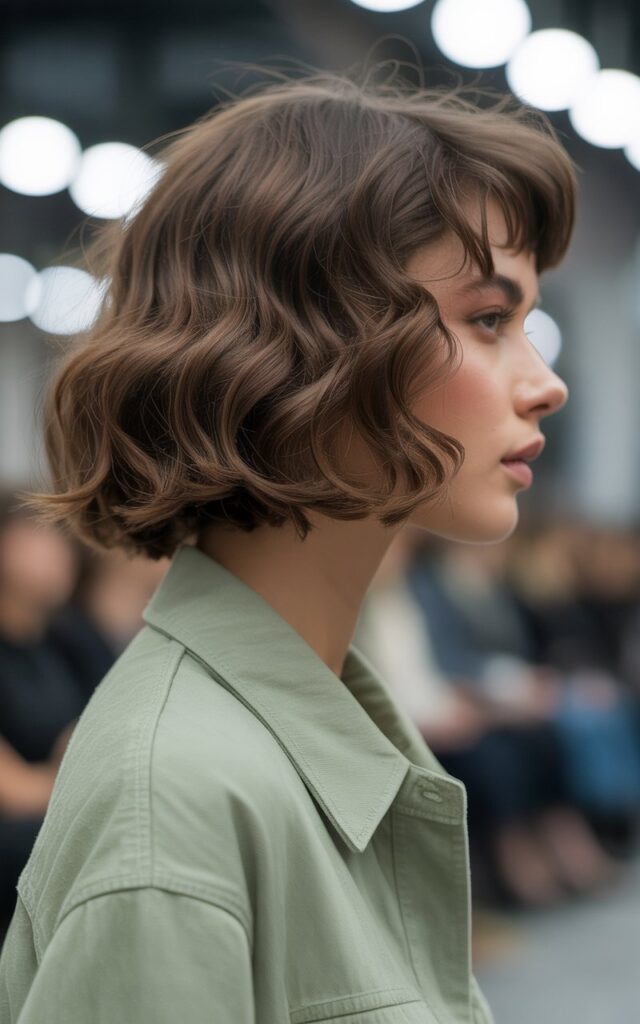
If your hair has any natural wave to it — or even just a slight bend — a wavy French bob is one of the most flattering things you can do with it. The shorter length means the waves are more compact and defined, sitting closer together and creating genuine texture and body rather than the limp, barely-there waves that longer fine hair often produces.
For women with naturally straight hair who want to wear this version, the styling is straightforward: apply a lightweight wave-enhancing mousse to damp hair, scrunch gently, and diffuse or air-dry. A small-barrel curling iron can add soft, relaxed bends for days when you want more definition. The goal is a tousled, nonchalant finish — not tight curls or overly styled waves.
Fine Hair Deserves the Right Foundation
Choosing the right variation of this cut is only part of the equation. Fine hair also responds to the products and tools you use every day. A thickening or volumizing shampoo adds body from the first step of your routine, and a lightweight conditioner — applied only to the ends rather than the roots — keeps the hair hydrated without weighing the roots down. At the styling stage, reach for mousses, root-lifting sprays, and sea salt mists rather than heavy creams or oils that will flatten what you have just worked to build.
Getting a trim every four to six weeks also makes a significant difference. Fine hair loses its shape quickly, and a clean, sharp cut gives it structure that even the best products cannot fully replace. Talk openly with your stylist about your hair’s tendencies — whether it goes flat quickly, how it behaves in humidity, which products you are already using — so they can tailor the cut accordingly.
A bob cut between the cheekbone and chin, with a blunt baseline, is a reliable foundation for almost any fine-haired woman. From there, every detail — the bangs, the texture, the part — can be adjusted to suit exactly what you want. The right version of this cut does not just look better at the salon. It looks better every day.
Frequently Asked Questions
Q: Is the French bob actually good for fine hair, or will it look flat?
A: It is genuinely one of the better cuts for fine hair, but the execution matters. A blunt baseline concentrates weight at the ends, making strands appear thicker and fuller. The key is avoiding over-layering, which thins out fine hair and makes it look even less dense.
Q: How short should the cut be for fine hair to get the most volume?
A: Somewhere between the cheekbone and chin is the sweet spot. Slightly above the chin tends to give the most lift and structure. Going much shorter can work, but requires more precision to maintain the right shape as it grows out.
Q: Should I get bangs with my French bob if I have fine hair?
A: Bangs can actually help by adding visual weight across the front and creating the appearance of more fullness around the face. Wispy or curtain bangs are the most manageable options — they require less upkeep than a full blunt fringe and grow out more gracefully.
Q: What styling products work best for fine hair with this cut?
A: Lightweight volumizing mousses, root-lifting sprays, and sea salt or texturizing mists are the most effective options. Avoid heavy creams, thick serums, or oils at the roots — they flatten fine hair quickly and undo the volume the cut creates.
Q: Can I wear a French bob without bangs if I have fine hair?
A: Yes. A no-bangs version works well, especially with a side part, which naturally lifts the roots and adds asymmetry. A center part on a one-length bob can sometimes look too flat on fine hair, so a deep side part is worth trying first.
Q: How often do I need to get a trim to keep this style looking good?
A: Every four to six weeks is ideal. Fine hair loses its shape faster than thicker textures, and a blunt cut in particular starts to look ragged once the ends grow uneven. Staying on top of trims is one of the most effective things you can do to keep the style looking intentional.
Q: Is a razored French bob a good idea for fine hair?
A: It depends on the look you want. A razor cut creates softer, more textured ends that add movement — but it also removes some of the density that a blunt cut creates. If you prefer an edgier, more lived-in finish and your hair is not extremely thin, it can work well. If you want maximum volume and thickness, a blunt scissor cut is the more reliable choice.
Q: What face shapes does the French bob work best for?
A: It is genuinely flattering across many face shapes. Oval and heart-shaped faces tend to wear it most easily. Women with round faces often find that a slight asymmetry, a side part, or soft face-framing layers help elongate the face. Square faces benefit from wispy or softly textured ends to balance stronger jawlines.
Q: Can I add highlights or color to a French bob for fine hair without making it look thinner?
A: Yes — and the right color can actually enhance the illusion of volume. Balayage or subtle highlights add dimension and make the hair appear fuller and more multi-tonal. Avoid anything too heavily processed or lightened all over, as chemically compromised hair tends to lose elasticity and look even finer.

