

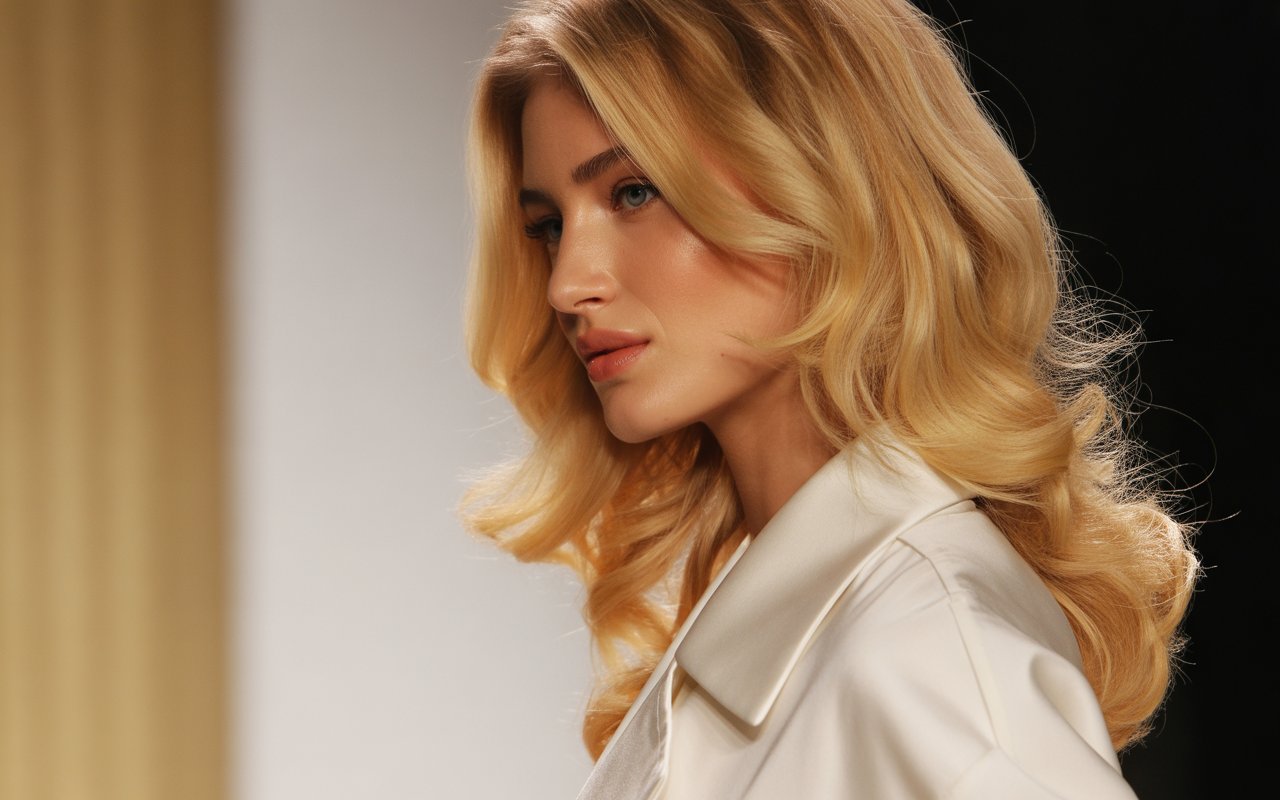
Honey blonde hair has become one of the most requested colors at salons across the country. This warm, golden shade flatters nearly every skin tone and brings a natural glow to your complexion. The color mimics the way sunlight catches strands during summer months, creating depth and dimension that looks effortless.
What makes this particular shade so appealing is its versatility. You can go subtle with just a few highlights or make a bold statement with an all-over transformation. The golden undertones add warmth without looking brassy or artificial. This color works beautifully on various hair lengths and textures, from pixie cuts to long flowing locks.
Here’s eight stunning ways to wear this gorgeous shade. Each style offers something different, whether you’re looking for low maintenance or ready to commit to a dramatic change. From soft balayage techniques to rich dimensional looks, these ideas will help you find the perfect honey blonde variation for your personal style.
Classic Honey Blonde Balayage
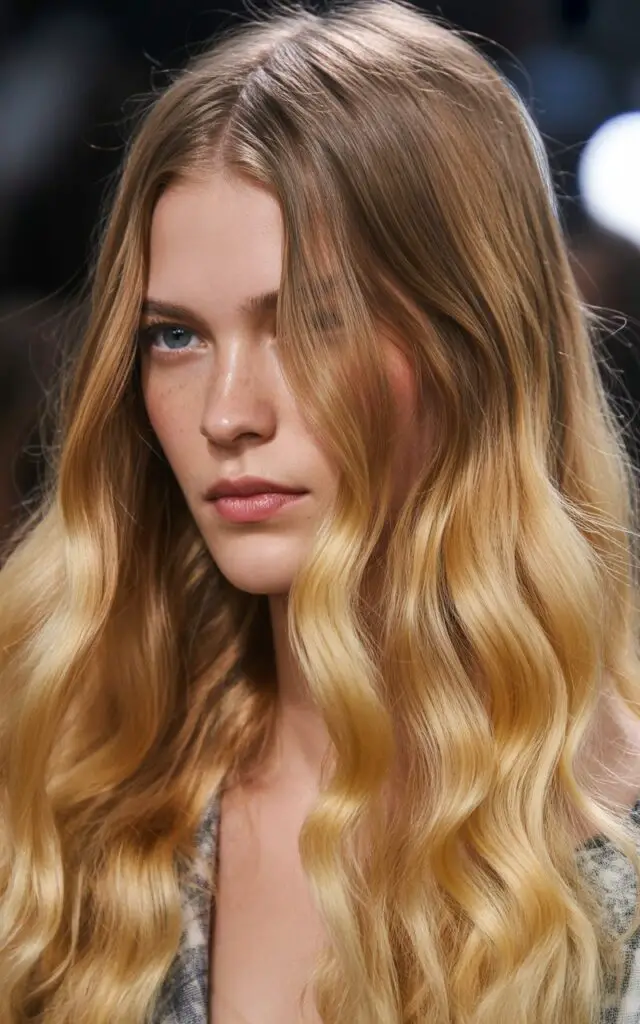
Balayage continues to dominate hair trends because it creates natural-looking color that grows out gracefully. This hand-painted technique places lighter pieces strategically throughout your hair, focusing on areas where the sun would naturally lighten strands.
Why This Technique Works
The balayage method doesn’t follow a pattern. Your colorist paints color onto sections freehand, which creates a custom result. This means no two balayage applications look identical. The honey tones blend seamlessly with your base color, creating soft transitions rather than harsh lines.
Color Placement Matters
Face-framing pieces receive the lightest application. This brightens your complexion and draws attention to your features. The mid-lengths and ends gradually lighten, while roots remain darker for contrast. This dimensional approach adds movement every time you turn your head.
Starting with this option makes sense if you’ve never colored your hair before. The technique requires less maintenance than traditional highlights because regrowth looks intentional. You can wait three to four months between salon visits without your color looking grown out or neglected.
Best Candidates
This works particularly well for women with medium to dark brown hair. The contrast between your natural shade and the honey pieces creates striking dimension. If you have fine hair, the varying tones make strands appear fuller and thicker.
Here are key benefits to consider:
Low Commitment: The gradual color means you won’t need frequent touch-ups compared to all-over color.
Natural Growth: Your roots blend seamlessly as hair grows, eliminating harsh regrowth lines.
Customizable: Your stylist can adjust the lightness and placement to suit your preferences.
Adds Depth: Multiple tones create the illusion of thicker, fuller hair.
Your stylist will likely use a gloss treatment after lightening. This step evens out the tone and adds shine. Ask about purple shampoo to keep brassiness away between appointments.
Golden Honey Highlights
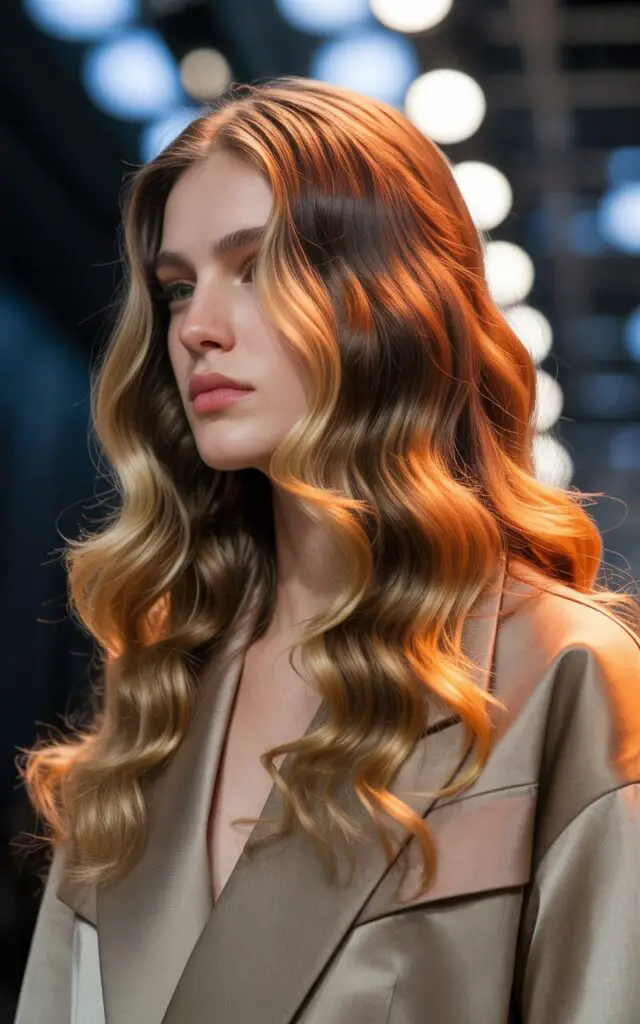
Traditional highlights offer more structured color placement than balayage. These ribbons of honey blonde woven through your hair catch light beautifully and create consistent brightness from roots to ends.
The application process uses foils to separate colored sections from your base. This allows for precise placement and more dramatic lightening. You’ll see more contrast between your natural color and the highlighted pieces.
Maintenance Requirements
Expect to visit your colorist every six to eight weeks. As your hair grows, the demarcation line between your roots and highlights becomes visible. Regular toning appointments keep the golden shade from turning yellow or brassy.
Styling Considerations
These highlights look stunning when styled with waves or curls. The dimensional color becomes more apparent with texture. Straight hair also works well, creating sleek ribbons of color that reflect light.
You might worry about damage from regular processing. Ask your stylist about bond-building treatments during your color service. These products protect hair structure while lightening.
Placement Options
Traditional highlights can be fine or chunky. Fine highlights create an overall blonde appearance, while chunky pieces make a bolder statement. Discuss with your colorist which approach fits your desired outcome.
The golden undertones in this shade prevent the brassy orange tones that sometimes appear with blonde hair. This makes it easier to maintain between appointments. A good purple shampoo once weekly keeps color looking fresh.
Consider the following factors:
Brightness Level: How light do you want to go compared to your base color?
Thickness: Thin highlights for subtlety or thick for drama.
Density: More highlights create an overall lighter look, fewer highlights add dimension while keeping your base prominent.
Face-Framing: Additional pieces around your face provide extra brightness where it matters most.
This color works year-round but looks especially beautiful during warmer months. The golden tones complement tanned skin and create that just-back-from-vacation glow.
Honey Blonde Bob
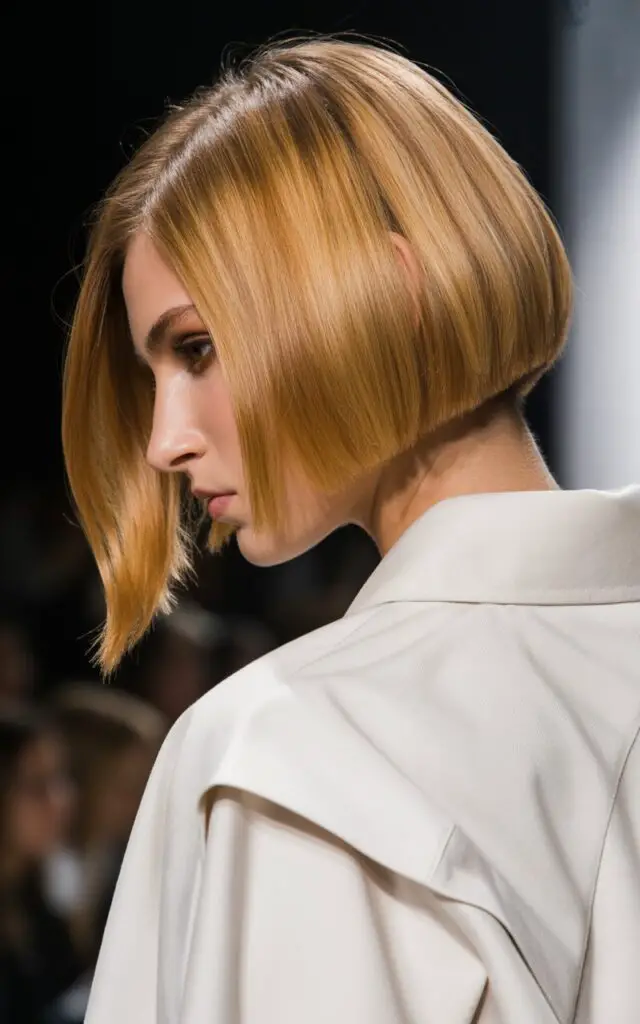
Short hair and this warm shade create a chic combination that turns heads. The bob haircut ranges from chin-length to shoulder-skimming, and the honey color adds softness to the structured cut.
Cut and Color Synergy
The blunt lines of a bob benefit from dimensional color. A single-process honey blonde can look flat, so adding lowlights or darker root shadow creates depth. This prevents the style from appearing too uniform or wiglike.
A layered bob works differently with this shade. The layers create movement, and the varying lengths catch light at different angles. This showcases the golden tones throughout the day as you move.
Face Shape Compatibility
Bobs flatter most face shapes when cut correctly. For round faces, keeping length below the chin elongates your appearance. Heart-shaped faces benefit from a longer bob that balances a narrow chin. Square faces look great with soft, textured layers that soften angular features.
The honey shade warms up your skin tone. Cool undertones in your complexion might lean toward a cooler honey blonde, while warm undertones can handle more golden richness.
Styling Tips
This combination requires regular trims to maintain the shape. Schedule cuts every six to eight weeks. The color needs touch-ups at similar intervals to keep roots from showing through.
Product selection matters with shorter hair. Lightweight formulas won’t weigh down your bob. Here’s what you need:
Heat Protection: Essential for daily styling with flat irons or round brushes.
Texturizing Spray: Adds grip and movement to fine or straight hair.
Smoothing Serum: Tames flyaways on humid days without making hair greasy.
Color-Safe Shampoo: Preserves your honey tones and prevents fading.
Short hair shows off the color beautifully but also reveals regrowth faster. Root touch-ups between full color appointments can stretch your maintenance schedule. Many stylists offer this service at a reduced cost compared to full applications.
Honey Bronde
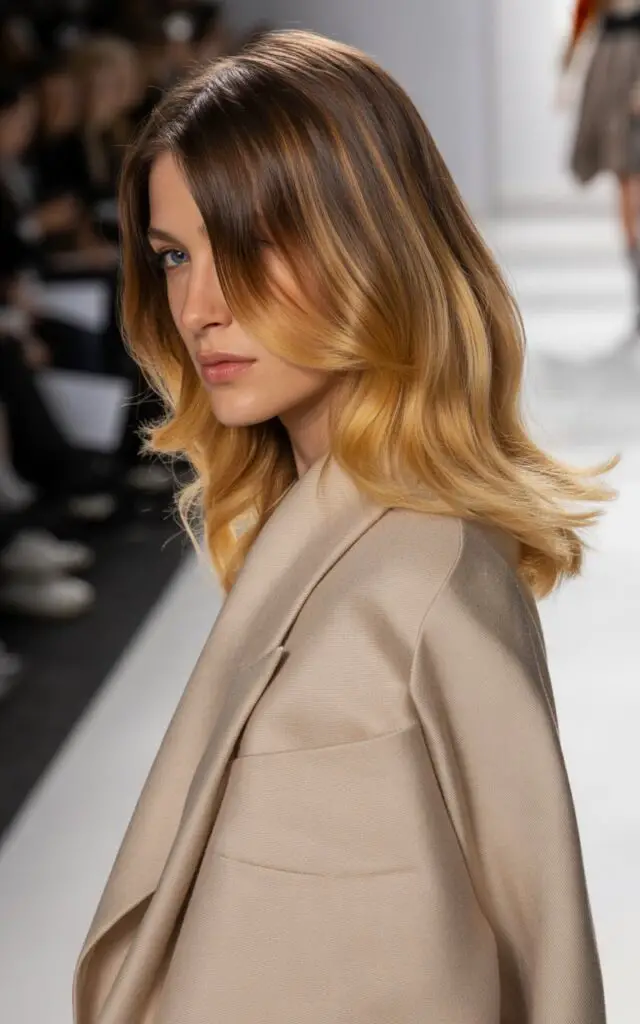
This color technique combines honey blonde with brown tones, creating a rich multidimensional result. The name itself merges “brown” and “blonde,” and the outcome delivers the best of both worlds.
Bronde suits women who want lighter hair without committing to full blonde. Your stylist blends the two shades throughout your hair, creating a seamless gradient. The brown provides depth at the roots, while honey pieces lighten toward the ends.
Ideal Starting Point
This works exceptionally well for natural brunettes. The transition from your base color to lighter pieces looks gradual and natural. Women with dark blonde hair can also benefit, adding richness through strategic brown lowlights.
The color offers versatility in how light or dark you go. More honey pieces create an overall lighter appearance. Emphasizing brown tones keeps the look darker while still adding dimension.
Application Methods
Your colorist might use several techniques. Balayage creates soft, painted-on color. Traditional foils offer more contrast. A combination of both methods delivers the most dimensional results.
Some sections receive pure honey blonde, others get a brown shade, and some areas blend the two colors together. This varied application prevents the color from looking striped or unnatural.
What maintenance looks like for this option:
Touch-Up Frequency: Every eight to twelve weeks depending on growth rate and desired contrast.
Toning Needs: Less frequent than all-over blonde since darker pieces balance any brassiness.
At-Home Care: Purple shampoo for blonde sections, color-depositing conditioner maintains richness.
Gloss Treatments: Every four to six weeks adds shine and evens out fading.
The cost often falls between full highlights and single-process color. You’re paying for multiple shades and the artistry required to blend them naturally. Budget accordingly for maintenance appointments.
Seasonal Adaptability
This shade transitions beautifully through seasons. Summer sun naturally lightens the honey pieces, while indoor winter months allow brown tones to stand out. The color never looks out of place regardless of time of year.
Warm Honey Blonde with Face-Framing Highlights
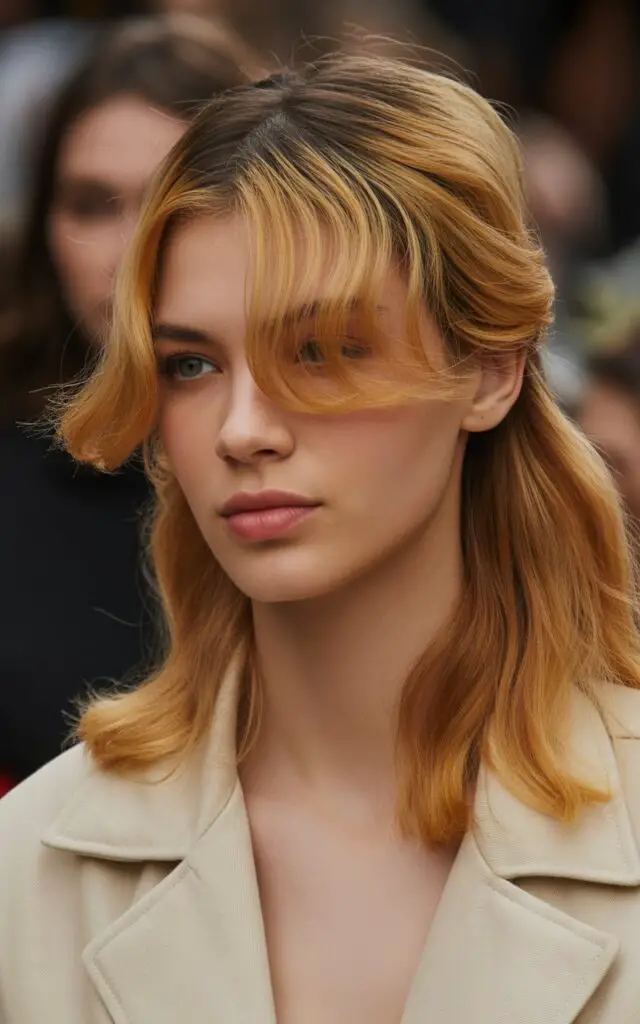
Face-framing highlights concentrate the lightest color around your hairline and throughout the front sections. This creates immediate brightness near your face while keeping the back darker for contrast.
The honey tones specifically placed near your features brighten your complexion instantly. This technique draws attention to your eyes and makes your skin appear more radiant. The effect is similar to using a ring light in photographs.
Strategic Placement
Your colorist focuses on the pieces you see in the mirror. The sections from your temples forward receive the most attention. Some lighter pieces throughout the crown area prevent the back from looking too heavy or dark.
Low-Maintenance Appeal
This approach requires less frequent touch-ups than all-over color. The back of your hair maintains more of your natural shade, which means less processing and damage. Your roots grow out less noticeably since only select pieces get lightened.
You can refresh just the face-framing sections between full color appointments. This costs less and takes minimal time at the salon. Many women stretch their maintenance to twelve weeks using this strategy.
Style Impact
Wearing your hair down showcases the brightening effect most. Pulling hair back reveals less color since the rear sections stay darker. This creates versatility in how dramatic your color appears day to day.
Straight hair displays clean ribbons of honey color. Wavy or curly hair blends the tones more, creating a sun-kissed effect. Both textures work beautifully with this placement.
Key advantages include:
Budget-Friendly: Less hair colored means lower product costs and shorter appointment times.
Gentle Processing: Your hair experiences less chemical exposure overall.
Flexible Updates: Easy to adjust the brightness or add more pieces during future visits.
Immediate Impact: Brightens your appearance without completely transforming your look.
Consider this option if you’re nervous about going too blonde too quickly. You can always add more honey pieces during your next appointment if you want more color. Starting conservatively gives you control over the gradual transformation.
Honey Blonde Ombre
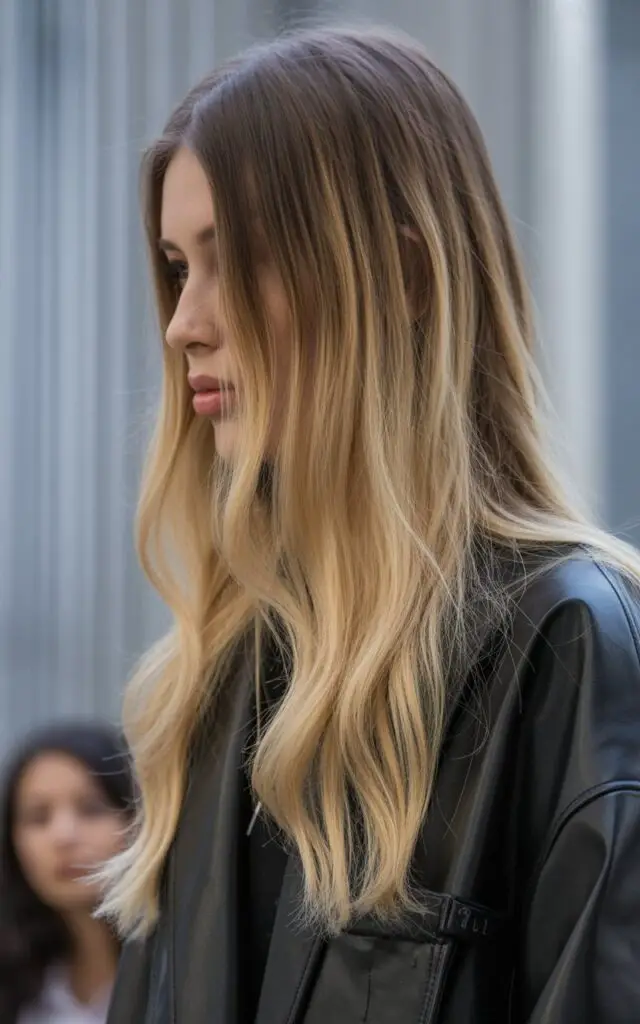
Ombre creates a gradual transition from darker roots to lighter ends. The honey blonde appears primarily on your mid-lengths and ends, while roots remain your natural color or close to it.
This dramatic look offers stark contrast between dark and light. The gradient typically starts around ear level, gradually lightening as it moves toward your ends. The honey shade concentrates at the bottom of your hair.
Growth-Friendly Design
Roots require minimal maintenance since they’re intentionally dark. You might go four to six months without needing a touch-up. The color simply appears to have grown longer rather than looking neglected.
Length Requirements
Ombre works best on medium to long hair. Short hair doesn’t provide enough length to create a proper gradient. If your hair sits above your shoulders, consider a different technique that showcases the honey tones more effectively.
The transition zone needs careful blending. A harsh line between dark and light looks unnatural and unflattering. Skilled colorists soften this area through various blending techniques.
Styling Freedom
This color looks different depending on how you wear your hair. Down, you see the full gradient effect. In an updo, mostly honey blonde shows since the lighter ends are visible. Ponytails display both shades.
Curls and waves soften the transition even more. Straight hair shows the color change more distinctly. Neither is better, just different aesthetics.
Regular deep conditioning treatments keep ends healthy. The lightened sections need extra moisture since they’ve been processed more than your roots. Here’s what protects your investment:
Weekly Masks: Intensive treatments restore moisture and strengthen hair structure.
Leave-In Conditioner: Protects ends from environmental damage and heat styling.
Minimal Heat: Air-drying when possible reduces stress on lightened sections.
Regular Trims: Removes damaged ends and keeps hair looking healthy.
Silk Pillowcase: Reduces friction while sleeping, preventing breakage.
The honey tones eventually fade with shampooing and sun exposure. Refreshing the color during maintenance appointments keeps it vibrant. Your colorist might just reapply color to your ends rather than processing your entire head.
Platinum Honey Blonde
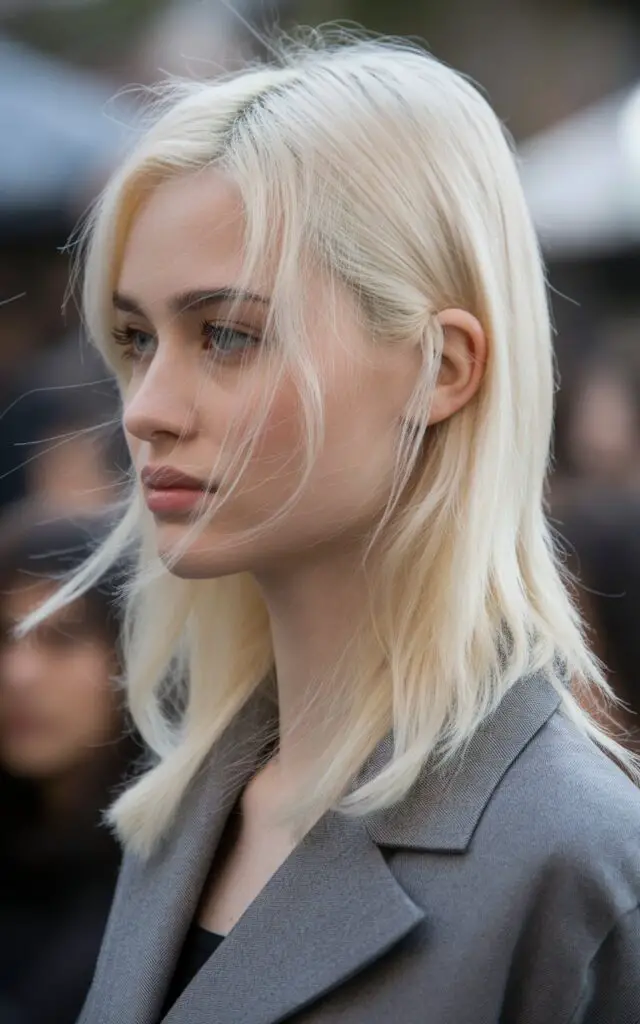
This shade pushes honey blonde toward cooler, icier territory while maintaining some warmth. The result sits between platinum and traditional honey, creating a unique neutral blonde.
Achieving this color requires significant lightening. Your hair must be lifted to a pale yellow base before toner creates the platinum honey shade. This process takes time and expertise.
Commitment Level
Expect to spend several hours in the salon, especially if you’re starting with dark hair. Multiple lightening sessions might be necessary to prevent excessive damage. Patience during the process protects your hair’s integrity.
Maintenance demands attention. This light shade shows regrowth quickly and fades faster than darker honey tones. Plan for touch-ups every four to six weeks.
Skin Tone Considerations
Cool undertones in your complexion make this shade particularly flattering. The platinum elements prevent the color from looking too warm or brassy. Warm skin tones can still wear this color but might need adjustments in the toner formula.
Purple shampoo becomes essential. Use it two to three times weekly to neutralize yellow tones. Your hair will fade to warmer honey between salon visits without proper maintenance.
Damage Control
This level of lightening affects hair health. Bond-building treatments during processing help, but you’ll also need intensive at-home care. Consider these necessities:
Protein Treatments: Rebuild hair structure weakened by lightening processes.
Moisture Masks: Counteract dryness from chemical processing.
Minimal Manipulation: Reduce brushing, heat styling, and tight hairstyles.
Professional Products: Salon-quality formulas provide better protection than drugstore options.
The striking appearance makes the extra care worthwhile for many women. This shade photographs beautifully and creates a modern, edgy aesthetic. Your hair becomes a real statement piece.
Honey Blonde with Caramel Lowlights
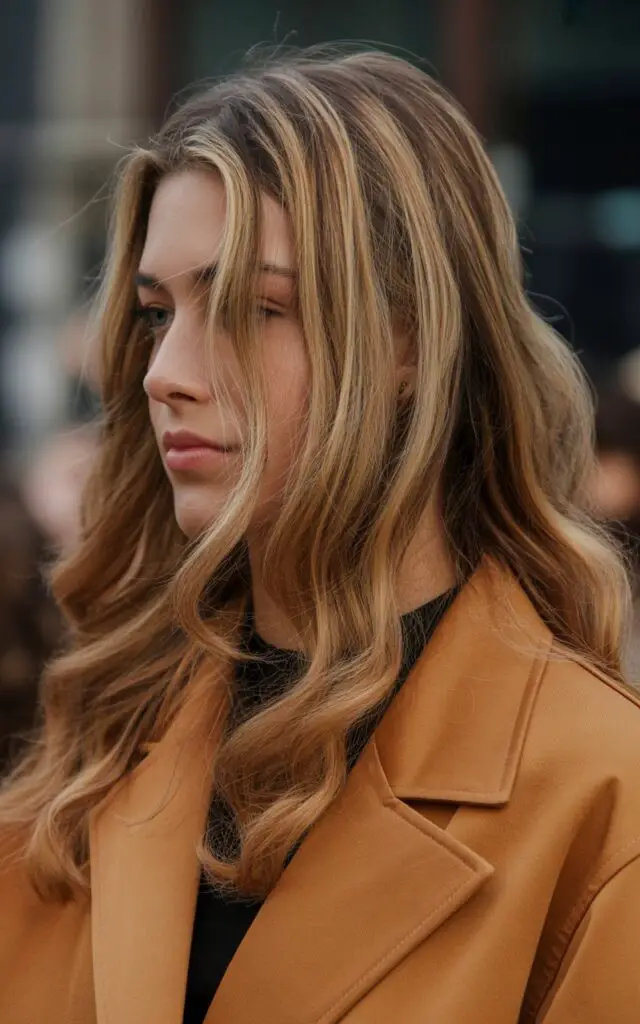
Lowlights add darker pieces throughout lighter hair, creating depth and dimension. Caramel tones woven through honey blonde prevent the color from looking flat or one-dimensional.
This combination creates incredible richness. The interplay between lighter honey and deeper caramel produces a multifaceted result. Your hair appears to have more depth and movement.
Dimension Benefits
Single-process color can look flat under certain lighting. Adding darker pieces creates shadows and highlights naturally. This makes hair appear fuller and more voluminous.
The caramel sections anchor the honey blonde, preventing it from looking too light or washed out. This balance works especially well for women who want lightness without losing depth.
Application Technique
Your colorist places caramel pieces strategically throughout your hair. Some go near the roots, others through mid-lengths. The varied placement creates natural-looking dimension.
Traditional foiling works well for this technique. The precise control allows for exact color placement. Your stylist can adjust the ratio of honey to caramel based on your preferences.
Who Benefits Most
This approach suits women with naturally lighter hair who want dimension without going darker overall. If you’re already blonde, adding these lowlights creates interest without a dramatic transformation.
Medium brown hair lightened to honey blonde can also benefit. The caramel lowlights tie back to your natural color, making the transition look more natural and less stark.
Maintenance requirements vary based on how much contrast you create:
High Contrast: More frequent touch-ups needed as regrowth becomes visible faster.
Low Contrast: Longer intervals between appointments since growth blends naturally.
Toning Schedule: Every six to eight weeks keeps both shades looking fresh.
Color Balance: Your stylist might adjust the honey-to-caramel ratio during maintenance.
This color combination works beautifully year-round. The warmth suits autumn and winter, while the lighter honey pieces feel perfect for spring and summer. You’ll never feel like your hair is seasonally inappropriate.
Your Path to Golden Perfection
Finding the right honey blonde variation transforms your entire appearance. These eight options prove that this warm, golden shade adapts to countless styles and preferences. Whether you prefer the natural grow-out of balayage or the striking contrast of ombre, there’s a technique that matches your lifestyle and maintenance commitment.
Color is personal. What works beautifully for one woman might not suit another. Consider your natural base color, skin undertones, lifestyle, and budget before choosing. Schedule a consultation with an experienced colorist who can assess your hair and recommend the best approach. Bringing photos helps communicate your vision, though results will vary based on your starting point and hair condition.
Frequently Asked Questions
Q: How long does honey blonde hair color last?
A: The longevity depends on your chosen technique. Balayage and ombre can last three to four months since darker roots are intentional. All-over color or traditional highlights need touch-ups every six to eight weeks. Using color-safe products and limiting heat styling extends the life of your color.
Q: Will honey blonde work on dark hair?
A: Yes, but achieving honey blonde on very dark hair requires patience. Your colorist may recommend multiple sessions to prevent damage. Starting with darker honey tones and gradually going lighter protects your hair while reaching your goal color. Expect the process to take several months for best results.
Q: How do I prevent honey blonde from turning brassy?
A: Use purple shampoo once or twice weekly to neutralize yellow and orange tones. Schedule regular toning appointments every four to six weeks. Protect your hair from sun exposure with UV-protecting products or hats. Chlorine and hard water also contribute to brassiness, so wet your hair with clean water before swimming and consider a shower filter.
Q: Can I go honey blonde without bleach?
A: Natural dark hair requires lightening to achieve honey blonde tones. Very light brown or dark blonde hair might reach lighter honey shades with high-lift color instead of bleach. True honey blonde on medium to dark hair needs some form of lightening process. Consult with your colorist about the gentlest method for your hair type.
Q: What’s the difference between honey blonde and golden blonde?
A: Honey blonde contains warmer, more amber-toned pigments while golden blonde tends toward yellow-based warmth. Honey has richer, deeper undertones that resemble actual honey. Golden blonde appears brighter and lighter overall. The distinction is subtle, and your colorist can adjust formulas to create your preferred warmth level.
Q: How much does honey blonde hair cost?
A: Prices vary significantly based on location, salon, and technique. Balayage typically ranges from $150 to $300. Full highlights cost $100 to $250. All-over color runs $80 to $200. Additional charges may apply for toning, treatments, or very long or thick hair. Major cities and high-end salons charge more than smaller towns or budget-friendly options.
Q: Is honey blonde high maintenance?
A: Maintenance depends on your chosen technique and natural hair color. Balayage and ombre require less frequent salon visits. All-over color and platinum honey need more regular touch-ups. Expect to use purple shampoo, deep conditioning treatments, and color-safe products regardless of technique. Budget two to three months between full services for most honey blonde variations.
Q: What skin tones suit honey blonde best?
A: Honey blonde flatters most skin tones because of its warmth. Fair skin with warm undertones looks radiant with golden honey shades. Medium and olive complexions benefit from richer, more amber-toned honey. Darker skin tones can wear any honey variation but often look stunning with deeper caramel and honey combinations. Cool-toned skin might prefer platinum honey to avoid looking washed out.

