

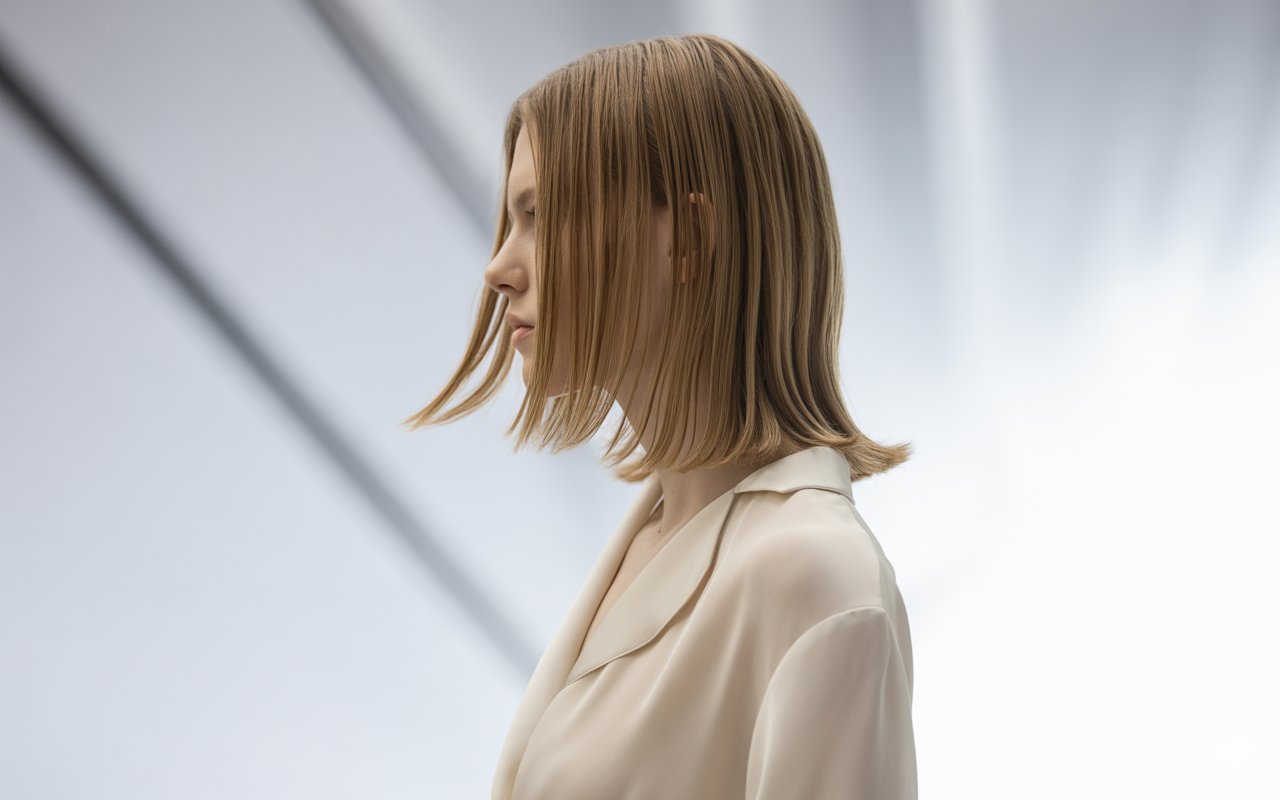
Fine hair has a reputation that isn’t entirely fair. Yes, it can go flat by noon. Yes, a bad haircut will make it look even thinner. But the right cut — specifically, the right layered cut — can genuinely change how your hair looks and feels every single day. That’s not an exaggeration. The way a stylist places layers completely changes how light hits the hair, how much movement it has, and how full it appears at the roots.
The reason layers work so well on fine hair comes down to basic physics. When all your hair falls to the same length, the weight pulls it flat against your head. Layers interrupt that pattern. By cutting different sections at varying lengths, stylists reduce the weight at the ends and create lift closer to the scalp. The result is hair that moves, bounces, and looks considerably thicker than it actually is.
Not every layered cut works equally well for fine hair, though. Some styles — like very heavy, blunt layers — can actually make thin hair look stringier. The eight cuts below are specifically suited for finer textures, and each one has a different way of creating volume depending on your hair length, face shape, and how much time you want to spend styling.
1. The Layered Bob
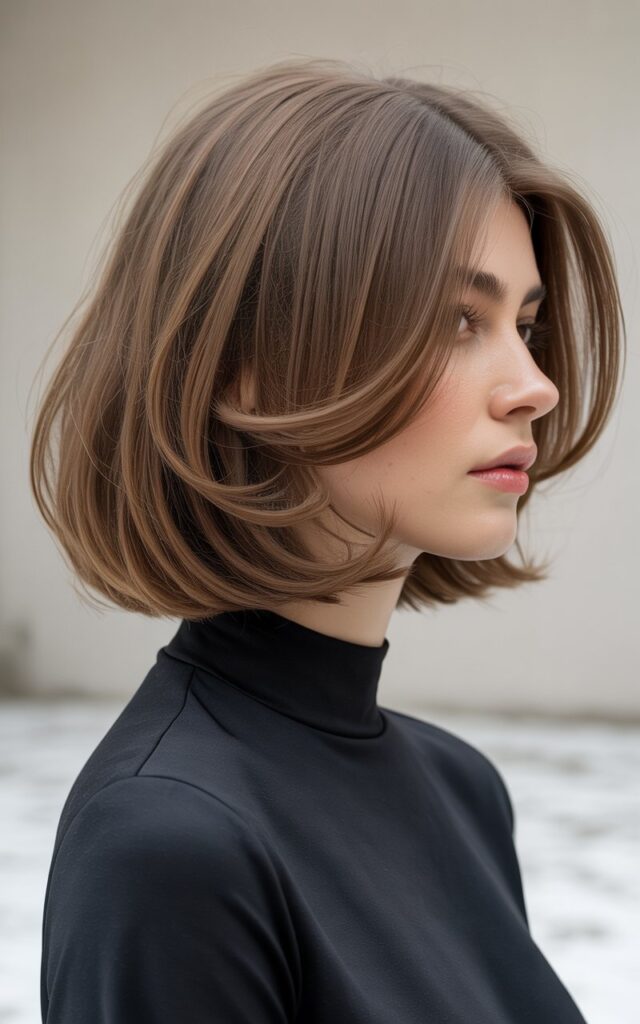
The layered bob is one of the most reliable cuts for women with fine hair, and it’s been that way for decades for good reason. By keeping the length between the chin and jaw, this cut removes a significant amount of weight without sacrificing shape. The layers inside the bob add movement and body, so the hair swings rather than sitting flat.
For fine hair specifically, dramatic, blunt layers inside the bob create the fullest result. The variation in length gives each section of hair something to rest against, which builds dimension and prevents that flat, plastered look. Blow-drying with a round brush — lifting at the roots while rolling through the ends — is the classic styling move that takes this cut from flat to full in about ten minutes.
2. The Layered Lob (Long Bob)
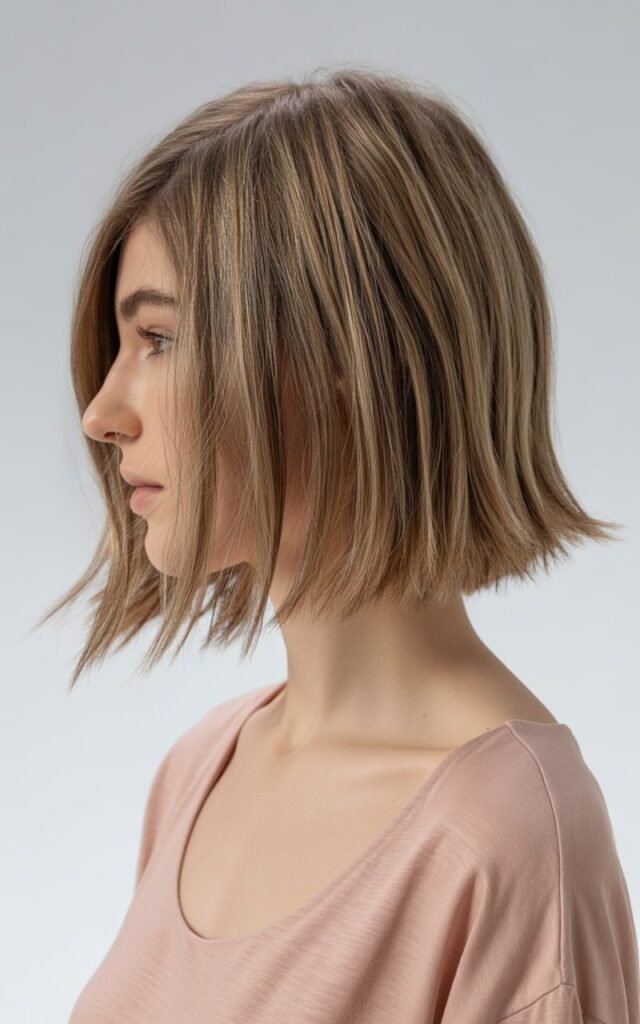
For women who want volume but aren’t ready to go short, the layered lob hits a sweet spot. It falls anywhere between the collarbone and the shoulders, retaining enough length to feel feminine and versatile while being short enough to avoid the weight problem that comes with longer hair.
Choppy layers throughout the lob break up the length and create texture where fine hair desperately needs it. The ends look lived-in and slightly undone, which reads as fullness rather than flatness. This cut also responds well to a simple volumizing mousse applied before blow-drying — the layers give the product something to grip, so the volume actually holds.
3. The Butterfly Cut
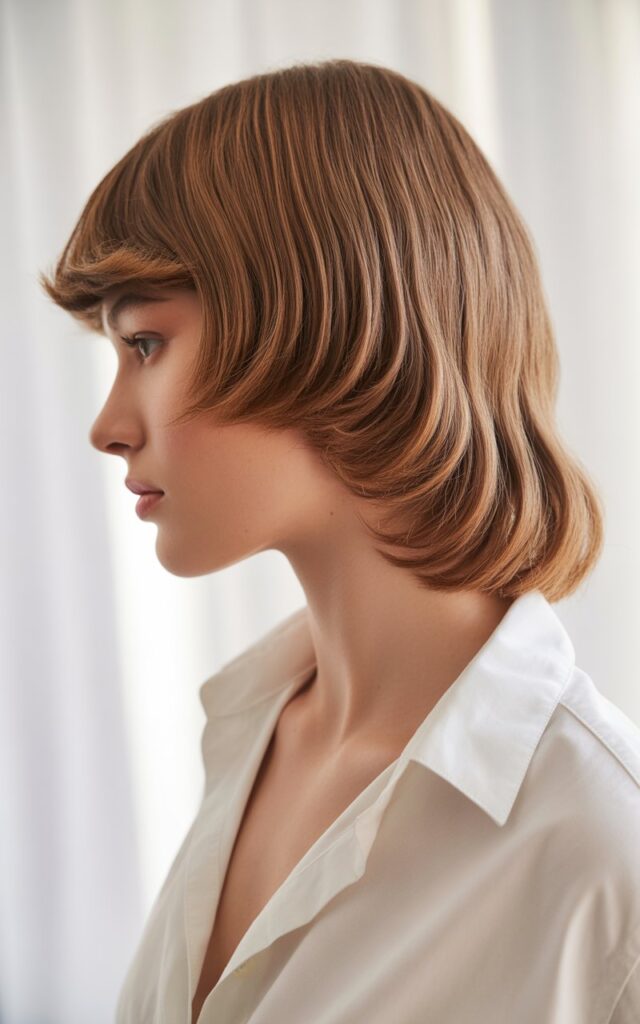
The butterfly cut became a phenomenon for a reason. It blends shorter, face-framing layers with longer lengths throughout the rest of the hair, creating what looks like two haircuts in one. The shorter layers around the crown and face remove weight and allow the hair to lift away from the scalp, while the longer lengths in the back stay intact. The effect is a rounded, bouncy silhouette that looks full from the front and long from the back.
For fine hair, a good stylist will use texturizing techniques on the ends so they don’t look sparse or wispy. The key is asking for the layers to be feathered rather than blunt — that soft finish blends everything together and avoids any harsh shelf-like lines. This cut works best on hair that’s at least shoulder-length, and it genuinely rewards a blowout. With a round brush and a little heat, the layers fan out and frame the face in a way that’s almost impossible to achieve with a single-length cut.
4. The Modern Shag
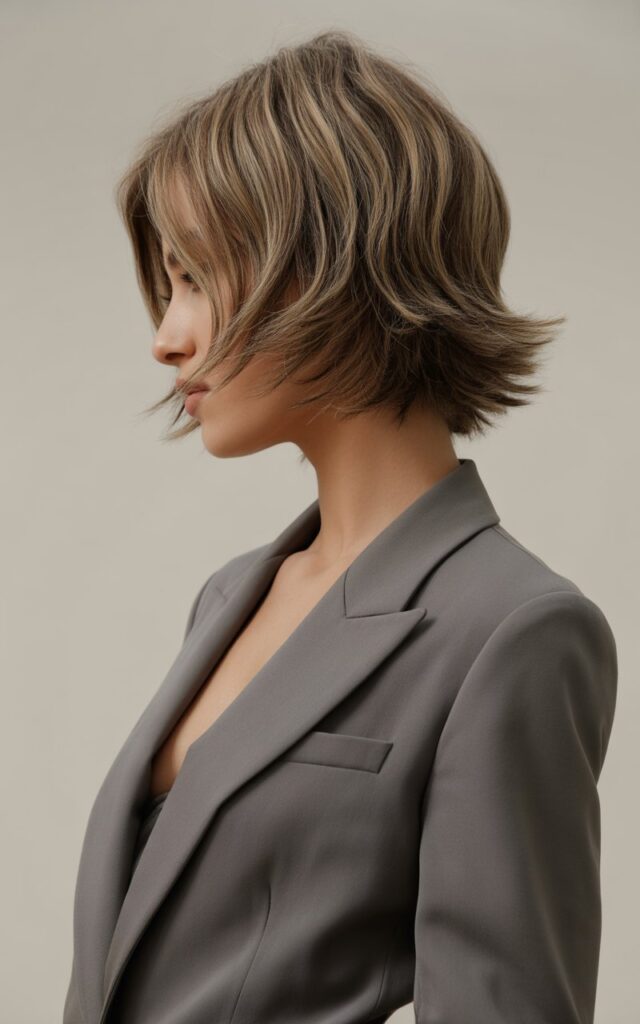
The shag has been around since the ’70s, and the current version is softer and more wearable than its original form. Heavy layering throughout — from the crown all the way to the ends — creates maximum texture and movement. Curtain bangs are typically part of the look, and they add another dimension of volume right at the face.
On fine hair, the shag works because those heavy layers eliminate any remaining weight that could pull strands flat. There’s no one section of hair dense enough to drag everything down. The result is a cut that looks full and effortless even on the thinnest textures. Air-drying with a texturizing spray brings out the best in this style, and it’s one of the lower-maintenance options on this list.
5. Face-Framing Layers on Long Hair
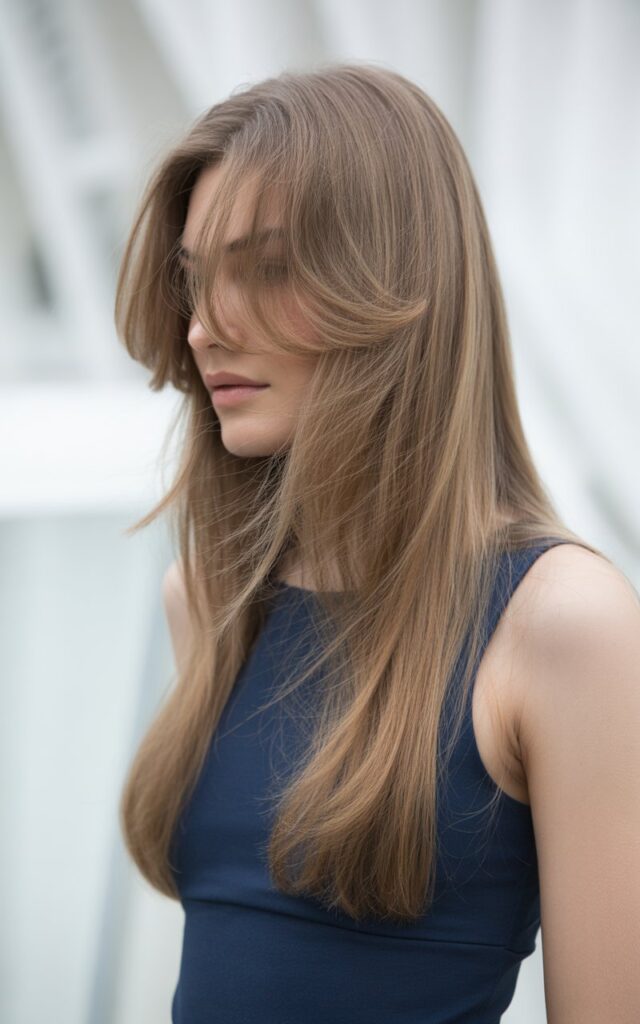
Keeping length doesn’t mean giving up volume. Long hair with face-framing layers is proof of that. This approach adds shorter pieces around the front of the head — starting around the cheekbones and blending into the longer lengths — without dramatically changing the rest of the cut.
These front layers do something specific: they remove weight from the area closest to the face, which is where fine hair most visibly goes flat. The framing effect also draws attention to the face rather than the thinness of the hair overall. Feathery, wispy layers work better here than blunt ones. They blend seamlessly, add movement, and don’t make the ends look sparse. Long hair with this treatment often looks fuller than a shorter cut with no layers at all.
6. Feathered Layers
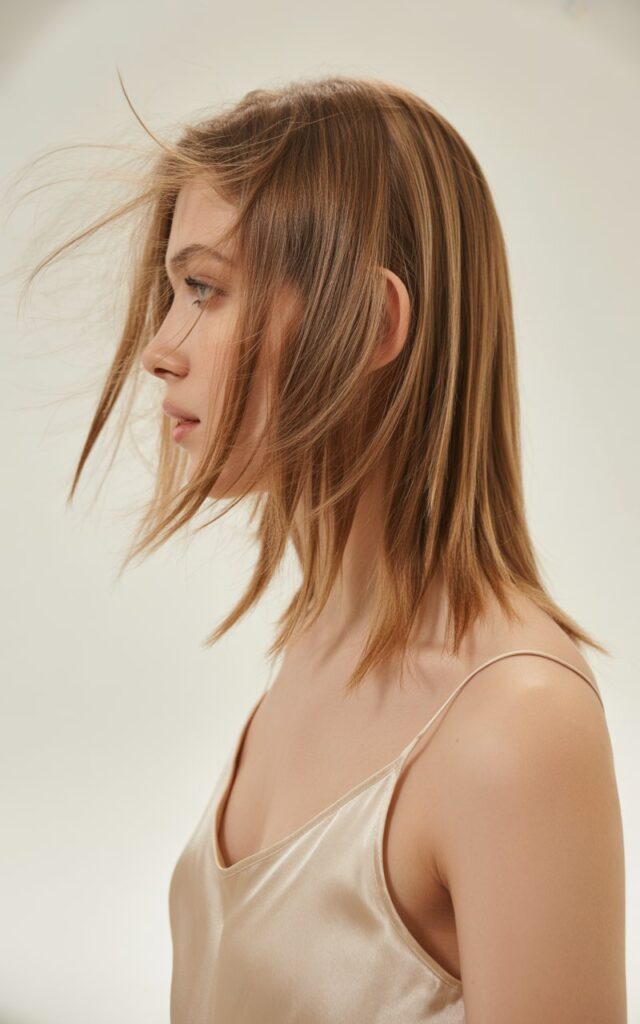
Feathered layers are exactly what they sound like — soft, wispy layers that move in different directions rather than falling in one uniform curtain. This technique is common on shoulder-length hair and creates a light, airy feel that’s ideal for fine textures.
Unlike choppier layering methods, feathering focuses on the ends. The tips of the hair are thinned and softened so they float rather than hang. This adds visible texture and movement without removing so much weight that the ends look stringy. For women with straight, fine hair who worry that any layering will make the hair look thin at the ends, feathering is often the safest starting point. It gives a noticeable result without being dramatic.
7. The Choppy Pixie
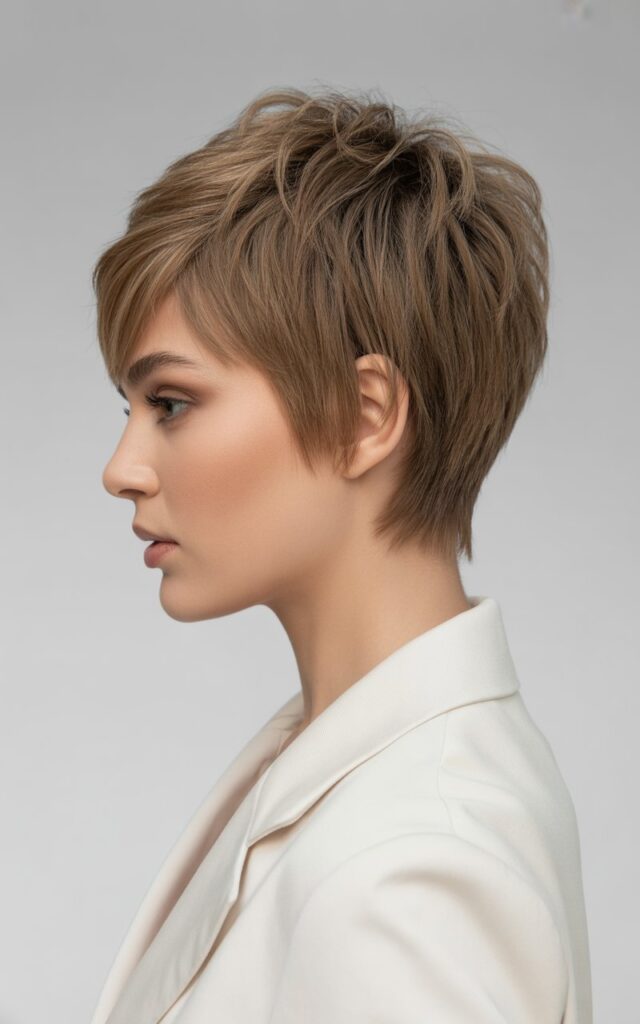
Short hair is volume-friendly by nature, and the choppy pixie takes full advantage of that fact. With layers concentrated at the crown and through the top, this cut creates fullness that longer cuts often struggle to maintain. The short, heavily layered sections lift away from the scalp easily, and the overall shape reads as thick and full even on the finest hair.
The pixie is a commitment, but the reward is a cut that requires very little product to look voluminous. A small amount of volumizing powder or a light-hold pomade worked through the roots is usually all it takes. For women with fine hair who have been cycling through the same medium-length styles hoping for volume, the pixie often delivers results that no other cut can.
8. The Wolf Cut (Adapted for Fine Hair)
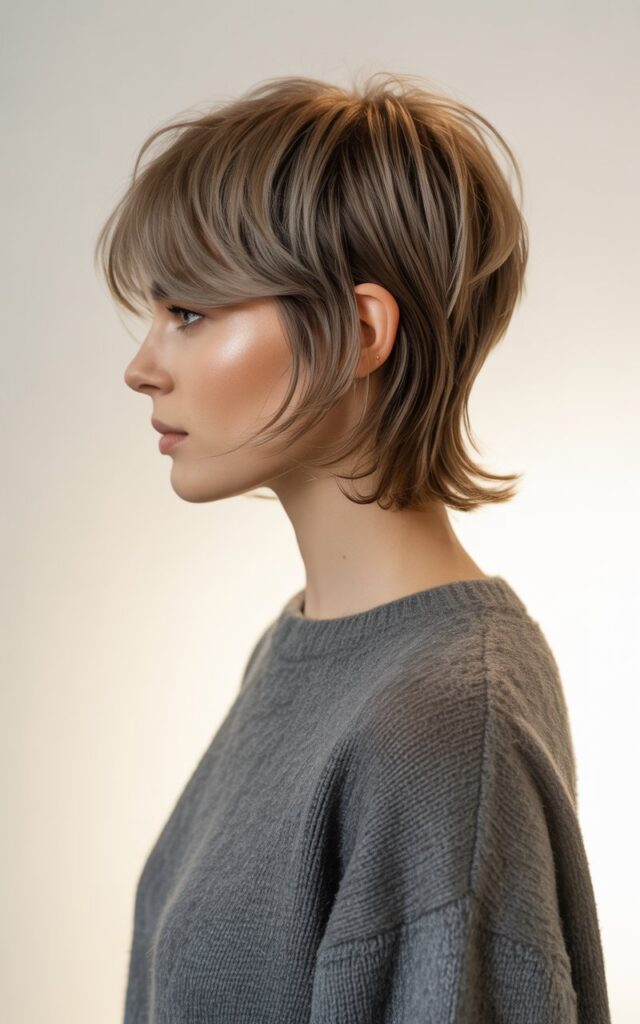
The wolf cut — a hybrid of the shag and the classic mullet — is one of the more talked-about styles right now, and with some adjustments, it can work on fine hair. Standard wolf cuts feature very short, choppy layers at the crown, but that approach can actually make fine hair look thinner at the roots. The adapted version for finer textures asks for soft, blended layers rather than disconnected ones, with the volume built gradually rather than abruptly.
The goal is to keep the textured, slightly undone energy of the wolf cut while avoiding anything that makes the hair look sparse. Avoiding very short layers right at the crown is key — instead, the layering starts a few inches down and blends toward the face. Styled with a diffuser or a bit of texturizing spray, this version gives fine hair a cool, modern look with genuine lift and bounce.
Tips for Styling Fine Layered Hair
The cut is only half the equation. How you style it determines whether those layers actually deliver volume or fall flat by midday.
Blow-dry upside down. Flipping your head over and blow-drying from underneath lifts the roots away from the scalp and sets the volume before it has a chance to fall. Rough-dry until the hair is about 90% dry, then flip back up and smooth with a round brush.
Use the right products. Volumizing mousse, root-lifting sprays, and texturizing powders are your best tools. Heavy creams, serums, and oils weigh fine hair down, so use them sparingly or skip them altogether. Apply volumizing products to damp hair before drying for the best hold.
Protect before using heat. Fine hair breaks more easily than thicker textures, and breakage means less hair — which is the opposite of what any of these cuts are trying to achieve. A heat protectant used every single time is non-negotiable. Use the lowest heat setting that still gets the job done.
Wash hair regularly. Bouncy, full volume is easiest to create on clean hair. Fine hair tends to accumulate product buildup and oil faster than coarser textures, which weighs it down quickly. A gentle, volumizing shampoo used consistently makes every styling session easier.
The Right Layers Make All the Difference
Fine hair is far more workable than most women give it credit for. The real issue usually isn’t the hair itself — it’s working with a cut that does nothing to help it. A single-length style on fine hair is always fighting an uphill battle. These eight layered options flip that around entirely by using the cut to do the heavy lifting, literally and figuratively.
The best approach is to go in with a clear picture of what you want — length, how much styling time you’re willing to commit, and whether you prefer something polished or a little undone — and communicate that to your stylist. Any of these cuts can be adjusted to suit your face shape and personal preferences. What they all have in common is that they’re built around the needs of fine hair, and that intention is exactly what makes them work.
Frequently Asked Questions
Q: Do layers actually make fine hair look thicker?
A: Yes, genuinely. Layers reduce the weight at the ends and create lift at the roots, which makes the hair appear fuller and more voluminous. The movement they add also creates the impression of density that a flat, single-length cut doesn’t have.
Q: Can fine hair handle a lot of layering, or will it look too thin at the ends?
A: It depends on the technique. Very aggressive or blunt layers can make fine ends look sparse. Feathered or softly blended layers avoid that problem. Always tell your stylist you have fine hair and ask for a technique that adds volume without making the ends wispy.
Q: Is the butterfly cut actually good for fine hair?
A: It can be, yes. The shorter layers at the crown remove weight and help the hair lift, which is exactly what fine hair needs. The key is asking for feathered edges rather than blunt ones, so the layers blend seamlessly and the ends don’t look sparse.
Q: How often should fine layered hair be trimmed?
A: Every six to eight weeks is the general recommendation. Layers lose their shape as the hair grows, and once the shape goes, the volume goes with it. Regular trims keep everything looking intentional and fresh.
Q: What’s the best product to use for volume with fine layered hair?
A: Volumizing mousse applied to damp hair before blow-drying is the most reliable option. Root-lifting sprays and texturizing powders are also effective. Stay away from heavy oils and thick creams — they flatten fine hair fast.
Q: Is the wolf cut good for fine hair?
A: With modifications, yes. The standard wolf cut can be too choppy and disconnected for fine textures, making the hair look thin rather than full. An adapted version with softer, blended layers and no very-short sections at the crown works much better.
Q: Does the layered pixie work for women who’ve never gone short before?
A: It’s a significant change, but the pixie is genuinely one of the most volume-friendly cuts for fine hair. If going full pixie feels like too big a step, a longer version — keeping more length at the top and sides — can deliver similar volume benefits with a less drastic transition.
Q: Can fine hair be worn long and still have volume with layers?
A: Yes. Face-framing layers on longer hair add volume specifically where it matters most — around the face and at the crown — without requiring a big length change. Feathery, graduated layers throughout long hair also help prevent that flat, heavy look that fine hair is prone to at longer lengths.

