

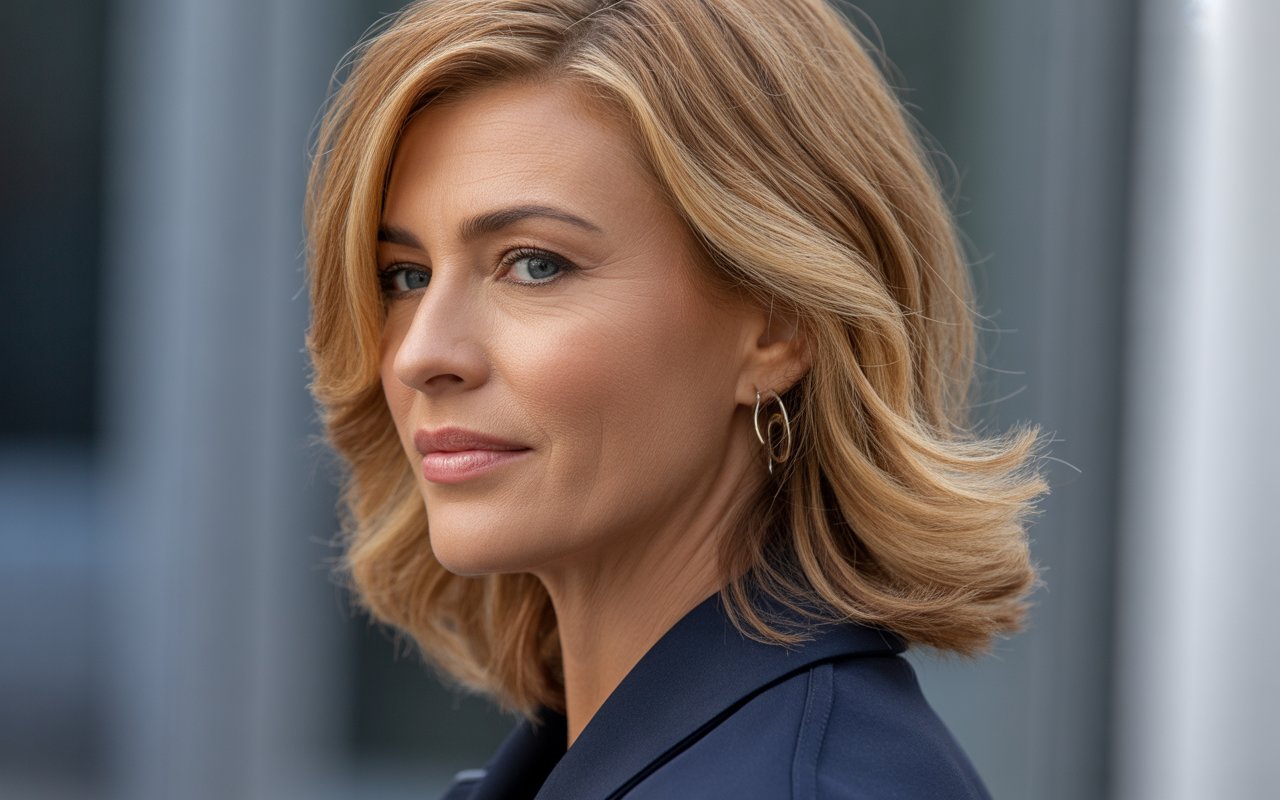
Your hair color does more for your face than most women realize. The right shade can soften fine lines, brighten a dull complexion, and make your whole look feel fresher — without a single trip to a dermatologist. The wrong one, though, can do the opposite: drag down your features, make skin look sallow, and add years you didn’t ask for.
After 40, the rules change a little. Skin tone shifts, natural pigment fades, and the deep, cool brunette that looked stunning at 28 might now make you look tired. That’s not a flaw — it’s just biology. Your hair and skin are in constant dialogue, and the color you choose plays a bigger role than most women give it credit for.
What follows is a straightforward rundown of eight hair colors that colorists and beauty experts consistently recommend for women in their 40s, 50s, and beyond. Each one works for a specific reason — whether it’s reflecting light onto the face, softening contrast, or warming up a complexion that’s lost some of its natural glow.
1. Honey Blonde
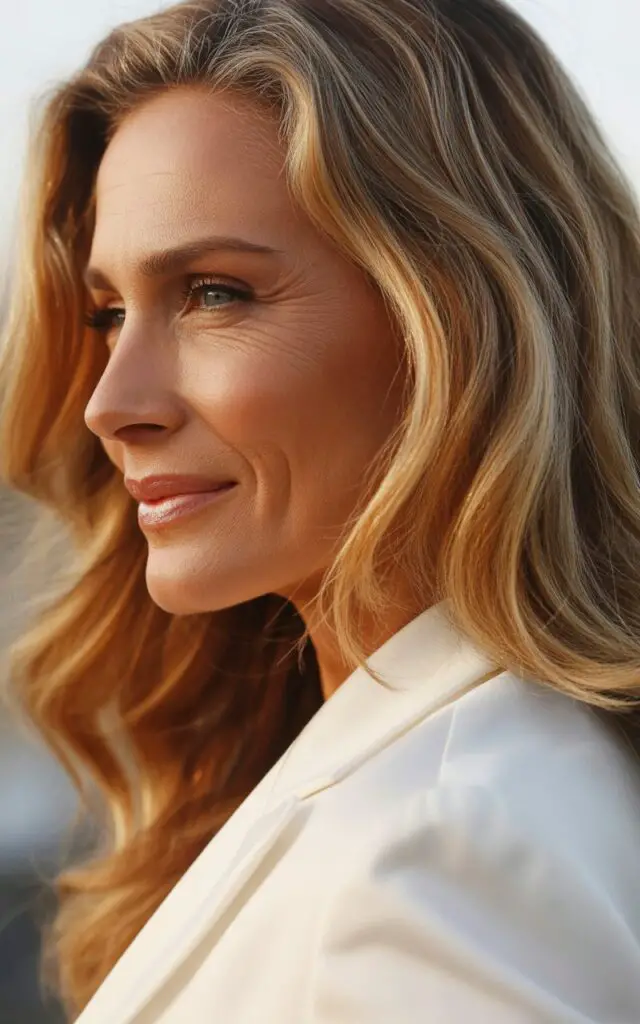
Honey blonde is one of the most flattering shades a woman over 40 can wear. The warm golden tones reflect light directly onto the face, which creates the appearance of brighter, more radiant skin. It also does a beautiful job of masking grays — not by covering them harshly, but by blending them naturally into the overall color.
This shade works especially well for women with warm or neutral skin undertones. It doesn’t require an all-over color treatment either. A honey balayage — where the color is painted on in soft, sweeping strokes — gives dimension and movement that a flat, single-process color simply can’t match. The result looks sun-kissed and natural, never overdone.
Maintenance is another plus. Because the color is blended rather than uniform, root regrowth is far less noticeable. That means fewer salon visits and a more relaxed grow-out phase.
2. Warm Caramel Brown
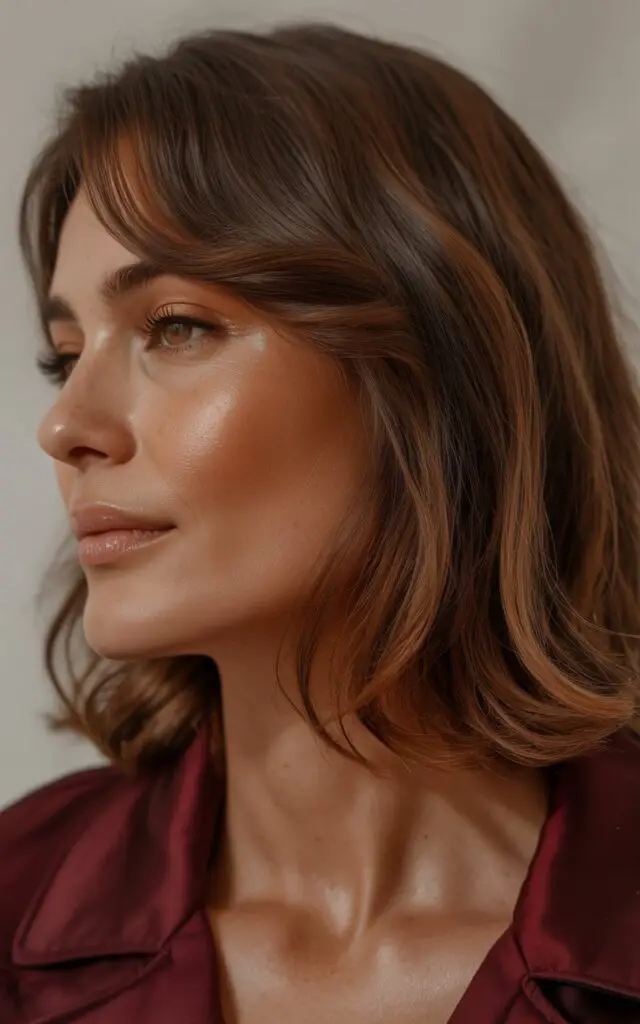
Not every woman over 40 wants to go lighter, and that’s completely fine. Warm caramel brown is proof that brunettes don’t have to sacrifice youth for depth. The key word here is warm — cool or ash browns can read flat and harsh next to aging skin, while caramel tones add glow.
Think of it as adding a shot of espresso and a splash of cream to your existing brunette. The result is a rich, dimensional color that has enough warmth to flatter the face without veering into brassy territory. Stylists often recommend mixing in subtle highlights or a balayage technique to keep things looking lived-in and fresh.
This color also works across a wide range of skin tones. Women with olive, medium, or tan complexions tend to look especially radiant in this shade.
3. Ash Blonde
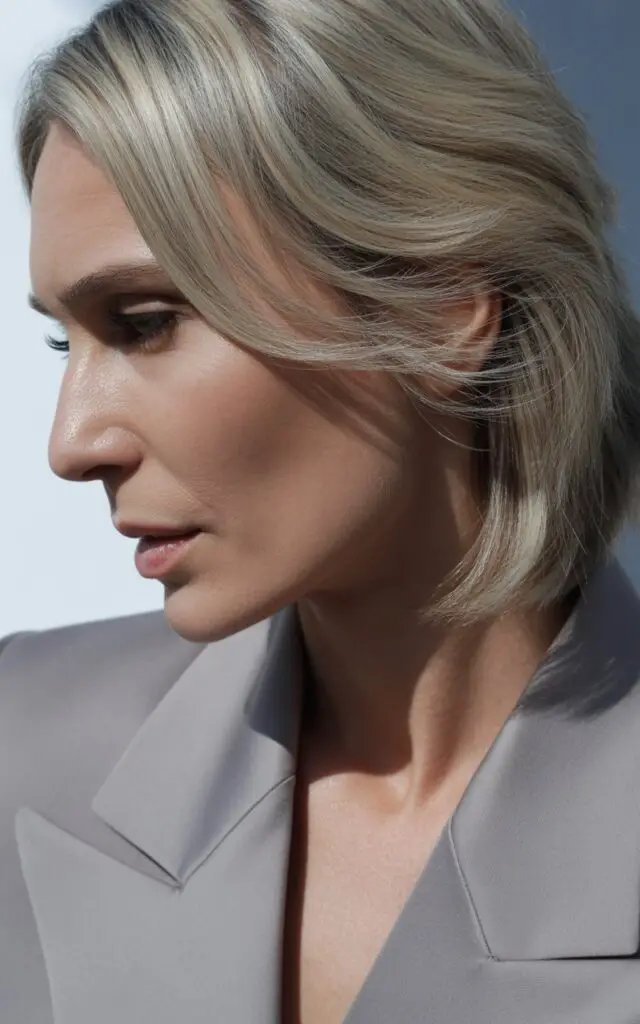
Ash blonde is a cooler take on the blonde family, and it earns its spot on this list for a very specific reason: it visually softens fine lines and expression lines on the face. The cool, silvery tones in this shade reduce contrast between the skin and hair, which creates a more uniform and youthful appearance.
According to color expert Glana Bachir, “Ash tones soften expression lines and also help minimize the appearance of redness in the skin.” That’s a meaningful benefit for women whose complexions have become more uneven or ruddy over time.
Ash blonde pairs particularly well with fair to medium skin tones. It’s worth noting that this shade requires a skilled colorist to avoid going too cool or flat — when done right, it looks polished and modern. When it skews too gray or washed out, it can unfortunately read older rather than younger.
4. Vanilla Latte Blonde
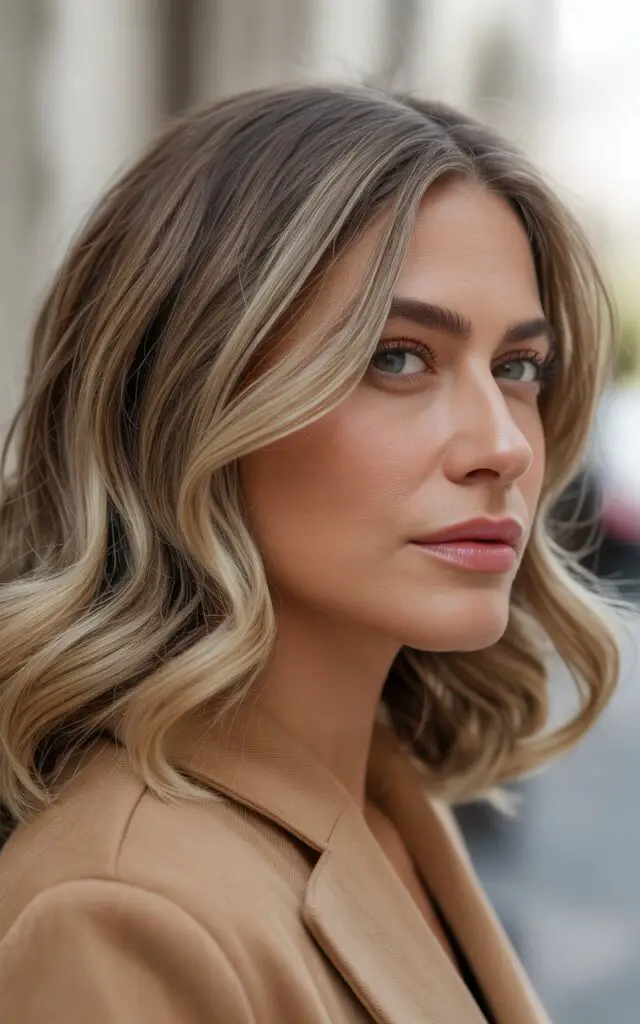
Vanilla latte blonde sits between a warm beige and a soft golden — essentially, a blonde with the richness of a brunette underneath it. This particular shade has become extremely popular in recent years, and it’s not hard to see why.
Training Director Rosa Roselló describes it as a color that “perfectly balances warmth and sophistication. With golden highlights over a beige base, it refreshes the complexion and rejuvenates the face.”
This hair color works beautifully for women who want to go lighter without committing to a stark or high-contrast blonde. It reads natural, sun-warmed, and effortless. Pair it with a balayage technique for the most seamless results, and add soft waves to bring out the full dimension of the color.
5. Auburn
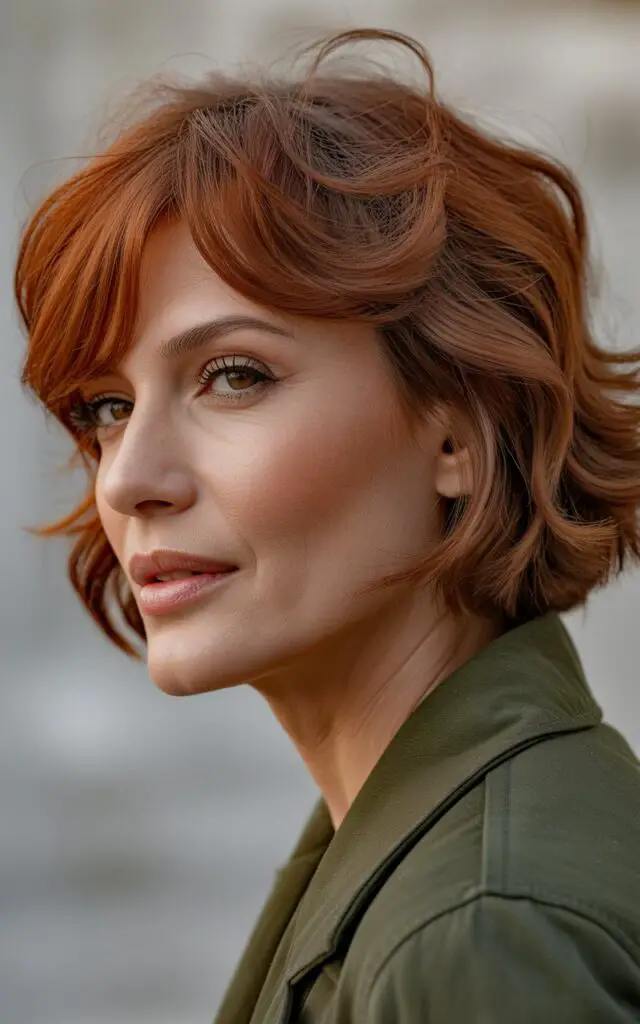
Auburn is a classic for a reason. The red and copper tones in this shade create warmth against the skin, which is exactly what the face needs after 40. Complexions tend to look duller as we age — auburn directly counteracts that by introducing richness and vibrancy right next to the face.
It also handles gray coverage exceptionally well. Red tones are dense and pigment-rich, so they cover stubborn grays more thoroughly than many other shades. The result is a full, vibrant color that doesn’t look like it’s fighting against natural regrowth.
Auburn is versatile enough to flatter a wide range of skin tones. Women with cool or rosy complexions may want to lean toward a deeper, cooler auburn, while those with warm or olive skin can go for a brighter, copper-leaning version.
6. Bronde (Brown-Blonde Blend)
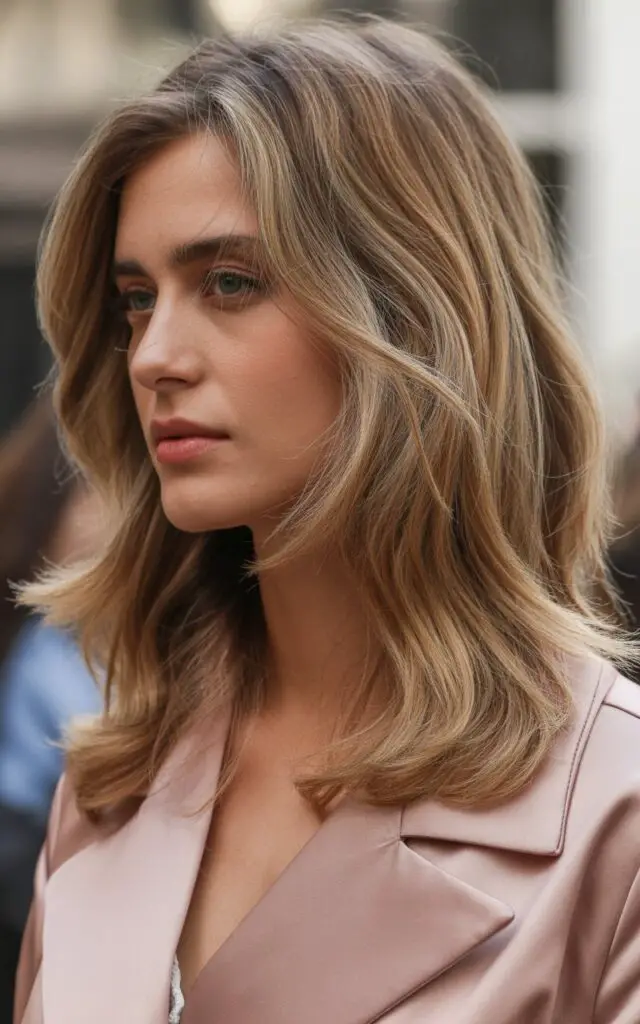
Bronde — the blend of brown and blonde — is one of the most forgiving shades out there. It sits right in the middle of two popular color families, which means it flatters a wide range of skin tones and doesn’t require dramatic maintenance.
What makes it work so well after 40 is the built-in dimension. Bronde is almost never a flat, solid color — it’s the result of layering warm blonde tones over a brunette base, which gives the hair depth and movement. That play of light and shadow creates the visual impression of thicker, fuller hair, which is a bonus for women who’ve noticed changes in their hair density over the years.
It’s also a smart choice for women who are nervous about making a big change. Bronde allows for a gradual transition toward lighter hair without a sudden or jarring shift.
7. Soft Silver or Pearl Gray
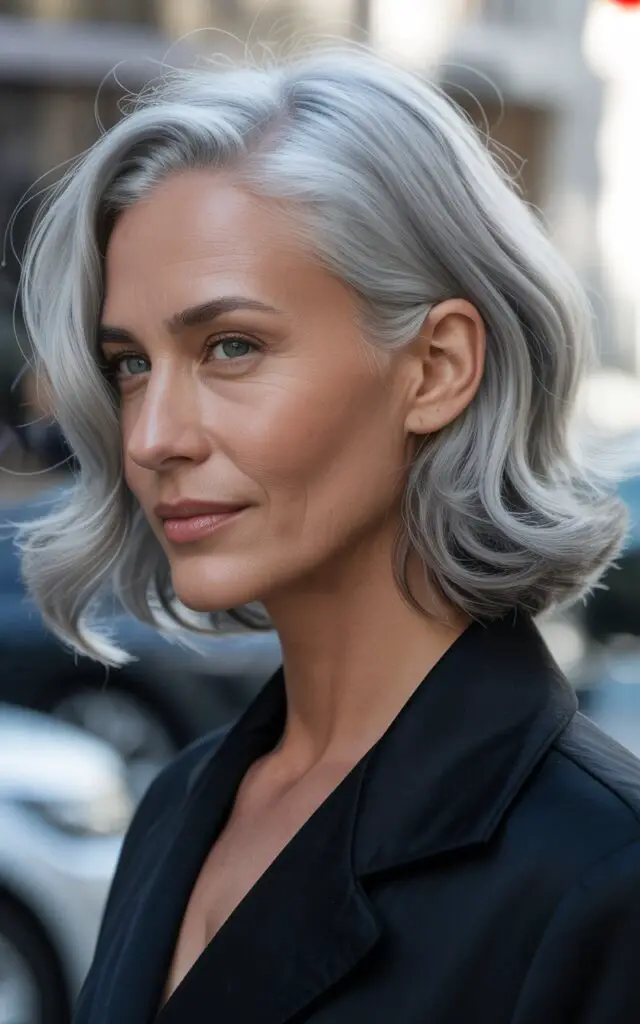
This one might seem counterintuitive — gray, younger-looking? The answer is yes, but only when it’s done intentionally and with the right tone. There’s a significant difference between brassy, yellowed gray and a polished, silvery pearl shade. The latter looks deliberate, modern, and confident.
Pearl gray and soft silver tones work best when the hair has a cool or neutral base. The key is keeping the tone bright and clean — any yellow or brassiness will undermine the whole effect. A good purple or silver shampoo used weekly helps maintain the cool tone between salon visits.
This shade is particularly striking when paired with a sleek cut or soft waves. It reads intentional rather than neglected, which is the whole point.
8. Face-Framing Highlights
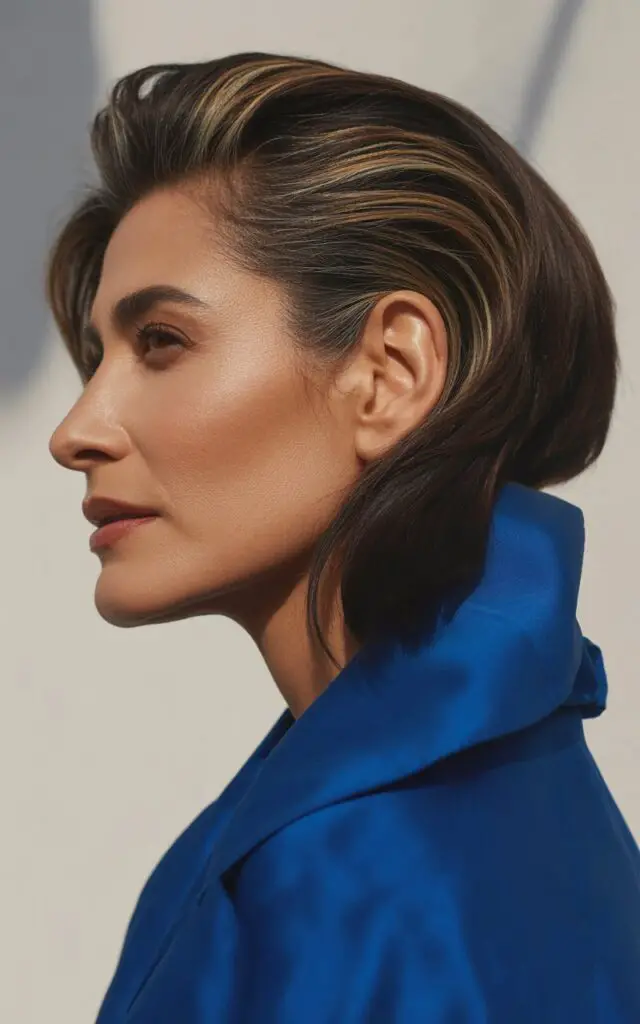
Technically a technique rather than a single color, face-framing highlights deserve their own spot because of how reliably they deliver results. The concept is simple: lighter pieces are placed strategically around the hairline and face to draw the eye upward and create the appearance of a lifted, brighter complexion.
This works because light reflects off the lighter strands and bounces onto the skin, adding luminosity exactly where it’s most needed. It’s essentially contouring for your hair — and it works on almost every base color, from dark brown to medium blonde.
The beauty of this approach is that it doesn’t require a full color overhaul. A few well-placed highlights by a skilled colorist can make a noticeable difference on their own, or they can complement a full color treatment. Either way, the effect is immediate.
A Few Words Before You Book Your Appointment
Hair color after 40 isn’t about chasing a trend or turning back the clock entirely. It’s about choosing a shade that works with your skin, your lifestyle, and the way you want to present yourself in the world.
The colors on this list share a few things in common: they add warmth or brightness to the face, they create dimension, and they tend to blend more naturally with graying hair than flat, solid shades do. Start with your skin tone — whether you run warm, cool, or neutral — and let that guide you toward the right family of colors. From there, a good colorist can fine-tune the details.
The difference the right shade makes is often immediate. And that’s the point.
Frequently Asked Questions
Q: Does skin tone really matter that much when choosing a hair color after 40?
A: Yes, it matters a great deal. As skin changes with age, the wrong hair color can make you look washed out or add unwanted years. Warm-toned women generally do well with caramel, honey, and auburn shades. Cool-toned women often look best in ash blonde, silver, or pearl tones. Knowing your undertone first saves a lot of trial and error.
Q: Are dark hair colors aging for women over 40?
A: They can be, depending on the shade and your natural complexion. Very dark, cool browns or black can create harsh contrast against aging skin and draw attention to fine lines. That said, dark hair isn’t off-limits — warming it up with caramel or chocolate tones makes a significant difference.
Q: What’s the difference between balayage and highlights, and which is better after 40?
A: Highlights are applied in sections with foil for a more defined, uniform look. Balayage is hand-painted for a softer, more blended result. After 40, balayage tends to be more flattering because it creates a natural gradient and grows out more gracefully — there’s no sharp demarcation line at the root.
Q: How often do I need to touch up these hair colors?
A: It depends on the technique. Balayage and bronde can often go 10–14 weeks between appointments because the root regrowth is intentionally blended. Face-framing highlights last similarly well. Full-coverage shades like auburn or solid honey blonde typically need a refresh every 6–8 weeks.
Q: Can I go lighter if I’ve had dark hair my whole life?
A: Yes, but the process takes time if done correctly. Going from very dark hair to honey blonde or bronde in one session can cause damage and often looks unnatural. A gradual lightening process over multiple appointments gives better, healthier results.
Q: Is silver or gray hair actually flattering, or is it just a trend?
A: For many women, silver hair is genuinely more flattering than whatever color they were previously maintaining. The key is tone — a cool, bright silver looks polished and intentional, while yellowed or ashy gray reads flat. With the right products and upkeep, this can be one of the most sophisticated color choices available.
Q: What hair color is best for covering grays after 40?
A: Auburn and honey blonde are both strong choices because their pigment density covers grays effectively. Blondes and bronde shades are also good options because grays blend into the lighter tones more naturally. Very dark, solid colors tend to reveal regrowth and gray roots more starkly.
Q: Should I go to a professional or can I color my hair at home?
A: For the techniques listed in this article — balayage, highlights, and blended shades — a professional colorist is highly recommended. Getting the dimension and tone right requires training and an experienced eye. At-home box color is fine for single-process coverage in a pinch, but it can’t replicate the multi-tonal effects that make these shades so flattering.

