

Fall evenings bring a particular magic to getting dressed up. The crisp air calls for more thoughtful outfit choices than summer’s easy breezy options, while the earlier sunset creates dramatic lighting that demands clothes worthy of the atmosphere. Whether you’re heading to a rooftop bar, dinner date, or gallery opening, fall night outfits require a special balance of warmth, style, and sophistication that can feel tricky to achieve.
The transition from daylight to darkness during autumn months presents specific challenges for outfit planning. Indoor venues often blast heating while outdoor spaces require actual warmth, meaning your outfit needs to work in multiple temperature zones. Additionally, fall’s rich color palette and luxurious textures offer opportunities to create looks with depth and interest that lighter seasons simply can’t match. This season encourages playing with materials, proportions, and styling tricks that instantly elevate your appearance.
Understanding how to master fall evening dressing transforms your entire approach to autumn style. The following sections will reveal eight specific tricks that fashion-forward women use to create instant glamour for night occasions. From strategic layering techniques to texture mixing secrets, these methods will help you build outfits that photograph beautifully, feel comfortable throughout the night, and make you look effortlessly polished. Ready to discover how small styling adjustments create maximum impact? Let’s start with the foundation of any great fall look.
Mastering the Art of Layering for Fall Evenings
Layering for a night out differs drastically from daytime bundling. The goal isn’t just warmth but creating visual interest through carefully chosen pieces that work together harmoniously. Smart layering adds dimension to your outfit while allowing flexibility as you move between different environments throughout your evening.
Strategic layers that add dimension
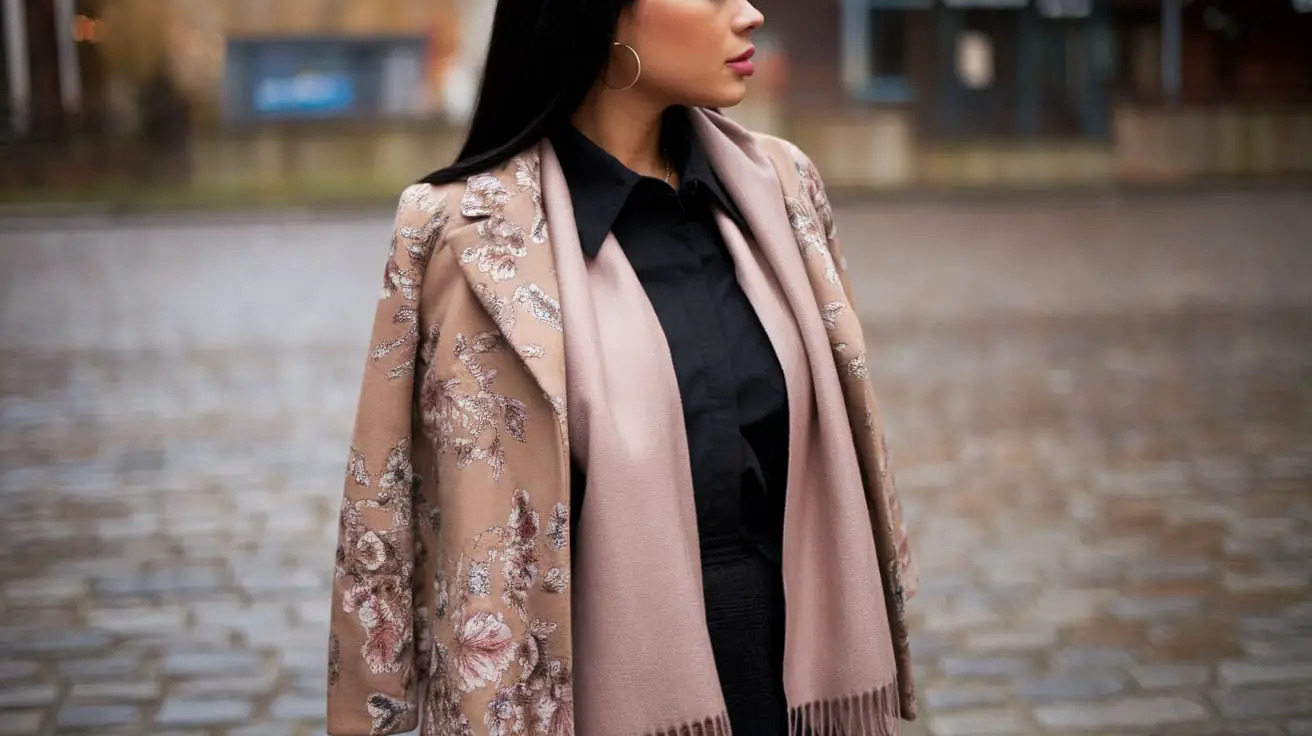
The most effective evening layers serve dual purposes – they provide coverage while enhancing your overall look. A silk camisole underneath a blazer creates a peek of luxury when the jacket opens. Sheer tops over fitted bodysuits offer coverage with intrigue. A cashmere wrap draped over one shoulder adds movement and elegance to simple dresses.
Think about layers as elements that reveal themselves gradually. A structured blazer worn open shows the delicate chain belt at your waist. A cropped jacket displays the interesting hemline of your blouse. Each layer should contribute something valuable to the outfit rather than simply existing for warmth.
Temperature-smart choices that look expensive
Certain fabrics naturally telegraph luxury while providing practical warmth. Merino wool feels lightweight yet insulating, draping beautifully without bulk. Silk-lined pieces glide smoothly over other garments, preventing static and bunching. Cashmere cardigans tied loosely around shoulders suggest effortless sophistication.
Quality matters more in evening lighting than during bright daylight. Rich fabrics catch light differently, creating depth and interest. A simple outfit gains instant polish when topped with a well-cut wool coat or genuine leather jacket. These investment pieces transform basic combinations into refined looks.
How to layer without looking bulky
The secret to sleek layering lies in proportion and fabric choice. Start with your thinnest layer closest to your body – perhaps a silk shell or fitted bodysuit. Build outward with progressively structured pieces, keeping arms and legs streamlined. This approach maintains your silhouette while adding warmth.
Consider these practical approaches:
- Longline Vests: Worn over fitted long sleeves, they add vertical lines without arm bulk
- Duster Coats: Their flowing shape accommodates multiple layers underneath gracefully
- Cape Details: Whether actual capes or cape-back blazers, they provide coverage without constriction
- Asymmetric Hems: Different lengths create movement and prevent that boxy layered look
Transitioning from day to night effortlessly
Many fall evenings start directly from work or afternoon activities. Building transformation potential into your outfit eliminates frantic changes in restaurant bathrooms. A midi skirt paired with ankle boots and a sweater becomes evening-ready when you swap the sweater for a silk blouse already worn underneath, add statement earrings from your purse, and darken your lipstick.
The magic happens in the details you can adjust. Cuffing sleeves changes the proportion of a blazer. Removing a structured layer reveals a more delicate silhouette beneath. Adding a belt transforms the shape of an oversized piece. These small adjustments signal the shift from professional to playful, from running errands to ready for cocktails.
Which Textures Create Instant Sophistication?
Texture mixing remains one of fashion’s most underutilized tools for creating expensive-looking outfits. The interplay between different materials adds visual complexity that makes even simple silhouettes appear thoughtfully styled. Understanding which textures work together transforms basic pieces into compelling combinations.
Mixing matte and shine for visual interest
The contrast between dull and reflective surfaces creates depth that flat outfits lack. A matte wool skirt paired with a satin blouse establishes this dynamic beautifully. Patent leather boots ground a completely matte outfit with strategic shine at the base. This interplay keeps eyes moving across your outfit, creating the impression of careful curation.
Velvet, silk, and leather combinations
These three materials form the holy trinity of fall evening textures. Velvet absorbs light, creating rich depth of color. Silk reflects and moves, adding fluidity. Leather provides structure and edge. Combining any two creates instant sophistication – velvet pants with a leather jacket, a silk blouse tucked into a leather skirt, or a velvet blazer over a silk dress.
The key lies in balancing proportions. If you choose a substantial velvet piece, keep other textures lighter. A leather jacket calls for softer textures elsewhere. Silk works as either a base layer or statement piece, depending on what you pair it with. Each material should have room to make its impact without competing.
Incorporating metallic accents strategically
Metallic elements work best as punctuation rather than primary statements for fall evenings. A gold chain belt, silver heel detail, or bronze clutch adds glamour without overwhelming. These touches catch light as you move, creating subtle sparkle that photographs beautifully in evening lighting.
Metallic threading woven through fabrics offers another sophisticated approach. A sweater with gold threads, a skirt with subtle shimmer, or a scarf with metallic accents provides gentle light reflection. This technique works particularly well for women who prefer understated glamour to bold metallics.
Balancing rough and smooth textures
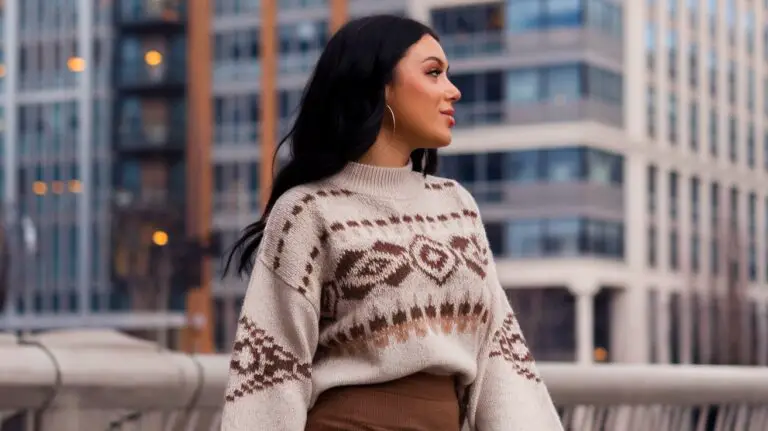
Pairing opposing textures prevents outfits from feeling one-dimensional. Rough tweed with smooth silk, nubby bouclé with sleek leather, or chunky knits with flowing satin – these combinations add complexity that suggests fashion confidence. The contrast makes each texture more noticeable and interesting.
Consider texture placement carefully. Rougher textures near your face soften features in evening light. Smooth textures at your hemline create elegant movement. Placing contrasting textures at natural break points – waist, neckline, wrists – defines your silhouette while adding visual interest.
Your texture story should feel intentional rather than random. Choose a dominant texture, add a contrasting secondary texture, then finish with small accents of a third. This formula creates cohesion while maintaining interest throughout your outfit.
The Power of Strategic Color Choices This Season
Color behaves differently in artificial evening light than natural daylight. Understanding these shifts helps you choose shades that maintain their impact after dark. Fall’s palette offers particularly rich options that gain depth and complexity under restaurant lighting, street lamps, and dimmed indoor ambiance.
Fall color palettes that photograph beautifully
Deep jewel tones dominate successful fall evening outfits for good reason. Emerald green, sapphire blue, and amethyst purple maintain their richness in low light while photographing beautifully with flash. These colors complement most skin tones and pair naturally with fall’s neutral backdrop of camel, chocolate, and black.
Unexpected color combinations set you apart from predictable fall dressing. Rust with powder pink creates sophisticated contrast. Forest green with lavender feels fresh yet seasonal. Burgundy with caramel offers warmth without defaulting to typical autumn clichés. These pairings show creativity while maintaining sophistication.
Monochrome versus color blocking techniques
Monochromatic dressing creates elongating effects that flatter in evening settings. Different shades of the same color family – navy, midnight blue, and powder blue, for instance – build depth while maintaining cohesion. This approach looks particularly striking in rich fall colors like various browns or burgundy tones.
Color blocking works when boundaries stay clean and intentional. A cobalt blue top with emerald pants makes a statement. A burgundy dress with mustard accessories shows confidence. Success depends on committing fully to the contrast rather than trying to soften it. Sharp divisions between colors create the modern effect that defines this technique.
The lighting in your destination affects which approach works better. Dimly lit restaurants favor monochrome’s subtlety. Bright gallery spaces or outdoor venues with strong lighting support bold color blocking. Consider your evening’s trajectory when making this choice.
How lighting affects your outfit choices
Restaurant candlelight warms colors, making cool tones appear richer. Blues become more complex, grays gain depth, and blacks appear softer. Conversely, warm colors can appear overly orange or yellow in this lighting. Testing your outfit in similar lighting before leaving home prevents surprises.
Working with jewel tones after dark
Jewel tones earn their name from their gem-like richness, a quality that intensifies in evening light. Ruby red maintains its depth without turning muddy. Topaz yellow glows without appearing harsh. Amethyst purple stays regal rather than costumey. These shades naturally complement fall’s golden hour lighting and transition beautifully into night.
Pairing jewel tones with neutrals grounds their intensity. An emerald silk top with black wide-leg pants feels balanced. A sapphire dress with nude pumps lets the color star without overwhelming. Camel or cream accessories soften jewel tones while maintaining elegance.
Small amounts of jewel tones create impact without commitment. A amethyst clutch energizes an all-black outfit. Ruby shoes add unexpected color to neutral ensembles. An emerald scarf transforms basic combinations. These touches of rich color suggest confidence and attention to detail.
Accessorizing to Transform Basic Pieces
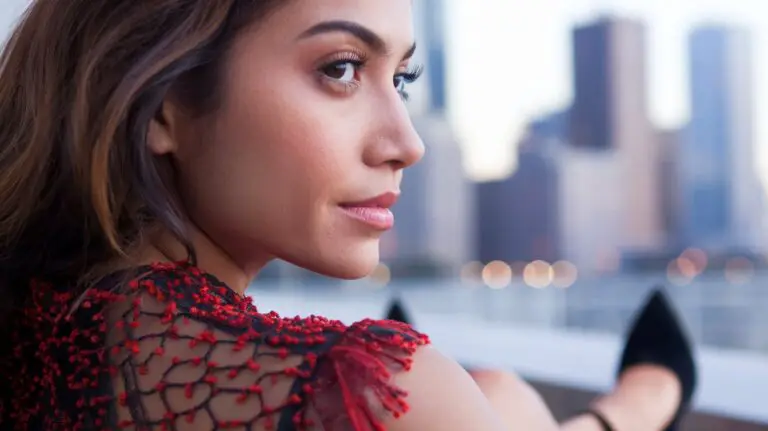
Accessories hold transformative power, particularly for evening occasions. The right additions turn simple foundations into memorable outfits. Understanding how to deploy accessories strategically means you can create multiple looks from the same basic pieces, maximizing both your wardrobe and budget.
Statement pieces that work overtime
A single spectacular accessory can carry an entire outfit. An architectural necklace transforms a simple black dress. Dramatic earrings elevate a basic sweater and pants combination. An embellished belt redefines the silhouette of anything you wear it with.
Choose statement pieces that complement your personal style rather than fighting it. If you favor minimalism, look for clean geometric shapes in quality materials. Those drawn to romance might select pieces with movement – tassels, fringe, or cascading elements. Your statement accessory should feel like an extension of your aesthetic, not a departure from it.
The three-accessory rule for balanced looks
Professional stylists often follow this guideline: choose three accessories of varying visual weight. One statement piece commands attention. One supporting piece adds interest without competing. One subtle piece provides finishing polish. This formula creates balance while preventing accessory overload.
For example, pair bold earrings (statement) with a structured clutch (supporting) and delicate ankle boots with chain details (subtle). Or combine a statement belt (statement) with interesting sunglasses tucked into your neckline for evening (supporting) and a classic watch (subtle). This approach ensures your accessories enhance rather than overwhelm.
Choosing between bold jewelry or bold shoes
Rarely do both work simultaneously without creating competition for attention. Bold jewelry pairs best with simpler footwear that doesn’t distract from your upper body. Statement shoes shine when jewelry remains understated, drawing eyes to your movement and stance.
Consider the venue when making this choice. Standing events favor statement jewelry that remains at eye level during conversation. Occasions involving more movement or dancing make statement shoes the better choice, as they’ll be noticed from various angles and distances. Your comfort level with attention also matters – jewelry draws focus to your face, while shoes allow you to make an impact with more personal distance.
Bags that transition from casual to glamorous
The right bag transforms your entire outfit’s mood. A structured clutch signals evening elegance. A chain-strap crossbody suggests effortless chic. A small top-handle bag references vintage glamour. These pieces should complement your outfit without matching exactly – coordination through color family or hardware tone creates cohesion without appearing overly planned.
Size matters for evening bags. Large totes or work bags immediately signal daytime, regardless of their quality or material. Smaller proportions automatically read as more refined and evening-appropriate. If you must carry more items, choose a medium-sized bag in a luxurious material rather than an oversized option.
Hardware details make significant impact:
- Chain Straps: Add movement and catch light beautifully
- Metal Clasps: Provide structure and vintage appeal
- Embellishment: Beading or stones create texture and interest
- Mixed Metals: Modern and unexpected for fall evenings
Silhouettes That Flatter in Evening Light
Evening lighting creates shadows and highlights that change how silhouettes appear. Understanding these effects helps you choose shapes that look their best after dark. The interplay between fabric, fit, and movement becomes crucial when artificial light replaces natural illumination.
Creating proportion with fall fabrics
Heavier fall fabrics require thoughtful proportion balance. Wide-leg wool pants call for a fitted top to define your waist. An oversized cashmere sweater needs slim bottoms to prevent shapelessness. Volume should exist at either your top or bottom, rarely both, to maintain a flattering silhouette.
Fall’s structured materials offer opportunities to create architectural interest. A wool crepe maintains sharp pleats that move beautifully. Ponte knit holds its shape while remaining comfortable. These fabrics let you experiment with dramatic shapes – exaggerated shoulders, defined waists, or sculptural draping – that lighter materials couldn’t support.
Playing with hemlines and necklines
The relationship between where your neckline ends and hemline begins defines your outfit’s proportions. A high neckline pairs beautifully with a shorter hemline, creating length through your torso. Lower necklines balance better with longer hemlines, maintaining modesty while showing skin strategically.
Evening lighting makes certain necklines particularly flattering. Boat necks create elegant horizontal lines across shoulders. V-necks elongate necks and showcase jewelry. Off-shoulder styles catch light along collarbones. Each neckline tells a different story and creates distinct shadow patterns that affect your overall appearance.
How to choose the right fit for your body
Fit matters more than size in creating flattering silhouettes. Clothes that skim without clinging show your shape while maintaining mystery. Strategic draping disguises areas you’d rather minimize while highlighting your favorite features. The goal isn’t hiding your body but presenting it in the most flattering way.
Evening occasions often involve sitting, standing, walking, and dancing. Your outfit must accommodate this movement while maintaining its shape. Fabrics with stretch recovery return to form after sitting. Lined pieces maintain structure throughout the night. Well-placed seams prevent pulling or gaping during movement.
Movement-friendly pieces for dancing
Practical considerations shouldn’t diminish style. A dress that restricts arm movement limits your evening enjoyment. Shoes that cause pain after an hour affect your entire demeanor. Building movement capability into your outfit ensures you remain comfortable and confident throughout your night.
Certain design elements naturally accommodate movement. Wrap styles adjust to your body’s positions. Pleats provide walking ease. Strategic slits allow leg movement without compromising coverage. These functional details can be beautiful design elements when chosen thoughtfully.
Testing your outfit’s movement capability before leaving prevents unfortunate discoveries. Sit down to check hemline behavior. Raise your arms to ensure nothing shifts inappropriately. Walk quickly to confirm shoe stability. These simple checks guarantee your outfit works in real-world conditions, not just standing still in front of your mirror.
Your Evening Glamour Game Plan
Creating instant glamour for fall nights doesn’t require a complete wardrobe overhaul or enormous budget. The techniques we’ve covered – strategic layering, texture mixing, thoughtful color choices, smart accessorizing, and flattering silhouettes – work with pieces you likely already own. The transformation happens through combining these elements thoughtfully rather than acquiring new items.
The confidence that comes from knowing your outfit works on multiple levels changes how you carry yourself. When layers function perfectly, textures complement each other, colors flatter in evening light, accessories balance beautifully, and silhouettes move with you, you stop thinking about your clothes and start enjoying your night. This freedom to be present rather than self-conscious represents the ultimate goal of mastering fall evening style.
Frequently Asked Questions
Q: What’s the biggest mistake women make with fall night out outfits?
A: Choosing style over comfort, particularly with shoes and restrictive clothing. When you’re uncomfortable, it shows in your posture and expressions, undermining any glamour your outfit might create. Always prioritize pieces that let you move naturally and enjoy your evening.
Q: How do I avoid looking overdressed for casual fall evening events?
A: Balance formal elements with relaxed pieces. Pair a sequined top with jeans, or wear sneakers with a silk dress. This high-low mixing prevents looking like you misread the dress code while maintaining sophistication.
Q: Which single item creates the most instant evening glamour?
A: A quality blazer in velvet, silk, or leather transforms any basic outfit into evening-appropriate attire. It adds structure, sophistication, and can be styled countless ways depending on your destination.
Q: How many layers are too many for indoor evening venues?
A: Stick to three visible layers maximum for indoor settings. A base layer, middle layer, and light outer piece you can remove provide flexibility without bulk. This prevents overheating while maintaining style.
Q: Should I match my metals when accessorizing for evening?
A: Mixed metals look modern and intentional for evening events. The key is choosing pieces with similar finishes – all brushed or all polished – rather than matching the actual metal colors.
Q: What colors should I avoid for fall evening events?
A: Pastels and neons often appear washed out or harsh in artificial evening lighting. If you love these colors, use them as small accents rather than main pieces to maintain their impact without overwhelming.
Q: How do I transition my work outfit to evening ready in five minutes?
A: Focus on three changes: swap your bag for a smaller evening option, add one statement accessory like bold earrings or a belt, and refresh your lipstick to a deeper shade. These adjustments signal the shift from day to night.
Q: Which fabrics photograph best in low light?
A: Fabrics with subtle texture or sheen – silk, satin, velvet, and metallics – catch light beautifully in photos. Completely matte fabrics can appear flat in pictures, though they work well as grounding elements in your outfit.

