

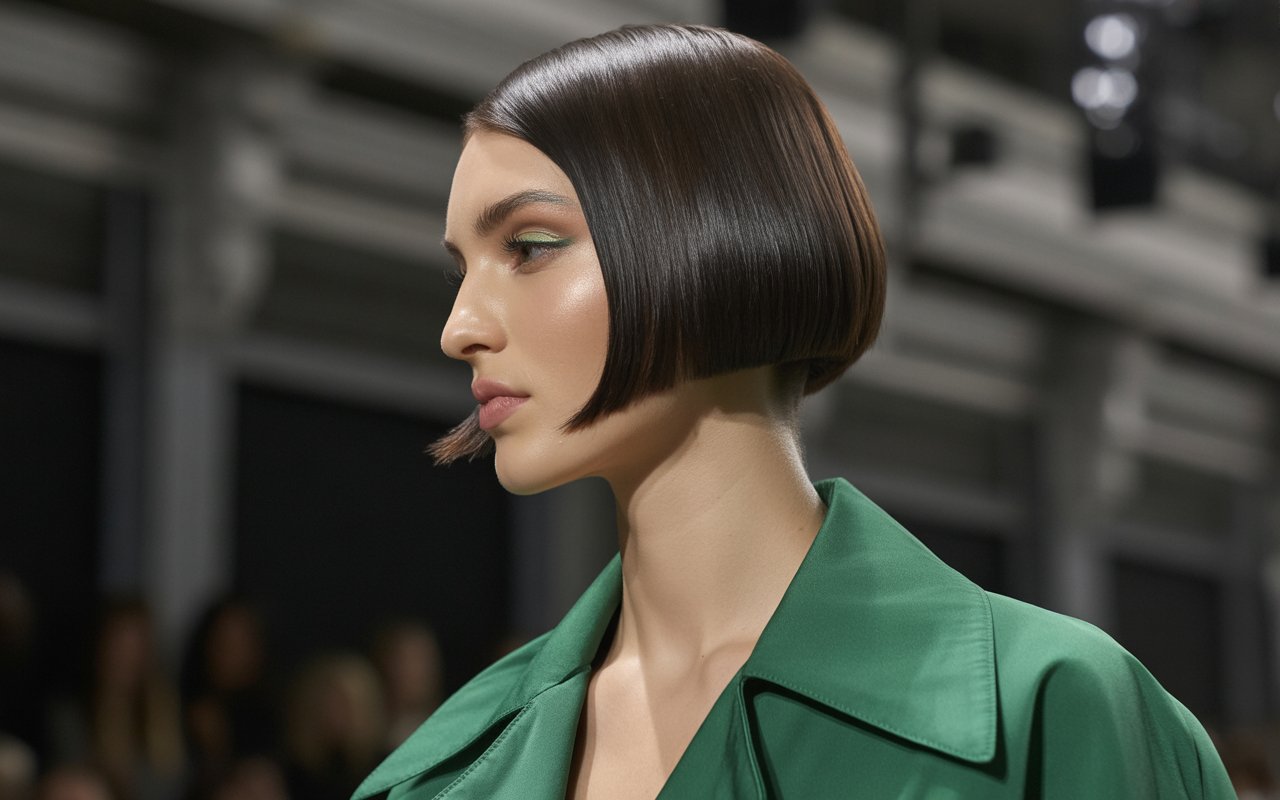
The bob haircut has maintained its popularity for decades, proving itself as a style that adapts to changing trends while keeping its classic appeal. This versatile cut works for different hair types and face shapes, offering options that range from sleek and polished to textured and relaxed. Whether you prefer a sharp, clean line or soft, flowing layers, there’s a bob variation that fits your personal style.
Classic bob haircuts continue to dominate salons because they offer practicality without sacrificing style. These cuts require less maintenance than longer hairstyles while still providing plenty of styling options. You can wear them straight, wavy, or curly, depending on your mood and the occasion. The beauty of a well-executed bob lies in its ability to look both professional and playful.
From the sharp angles of an A-line to the soft, face-framing layers of a textured bob, each variation brings something different to the table. We’ll cover eight classic bob haircuts that are currently trending, helping you find the perfect option for your next salon visit.
The Blunt Bob
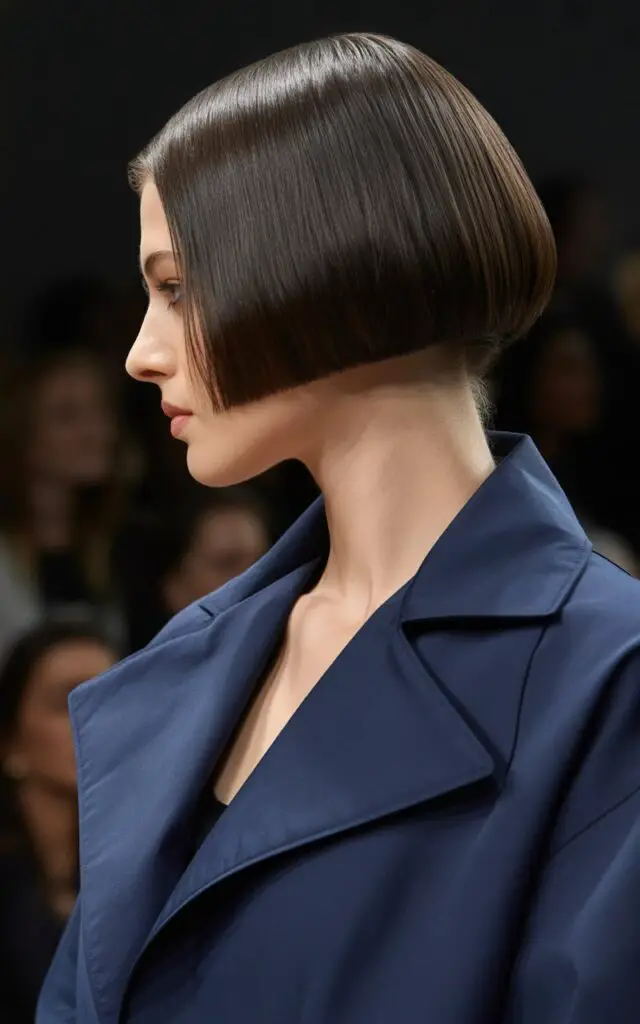
The blunt bob features a straight, even hemline that creates a bold, modern look. This cut works particularly well for thick hair, as the weight helps maintain the sharp line. The precision of this style makes it instantly recognizable and effortlessly chic.
Styling and Maintenance
You’ll find this cut easy to style with a round brush and blow dryer. The key is keeping the ends healthy and trimmed regularly to maintain that crisp line. A flat iron can enhance the sleekness, though many women prefer the natural movement of air-dried hair. This style sits best between the chin and shoulders, with the exact length depending on your preferences.
Who It Suits
This haircut flatters oval and heart-shaped faces particularly well. The strong horizontal line balances longer facial features and draws attention to your jawline. If you have fine hair, ask your stylist about adding subtle internal layers to create more volume without disturbing the blunt perimeter.
The A-Line Bob
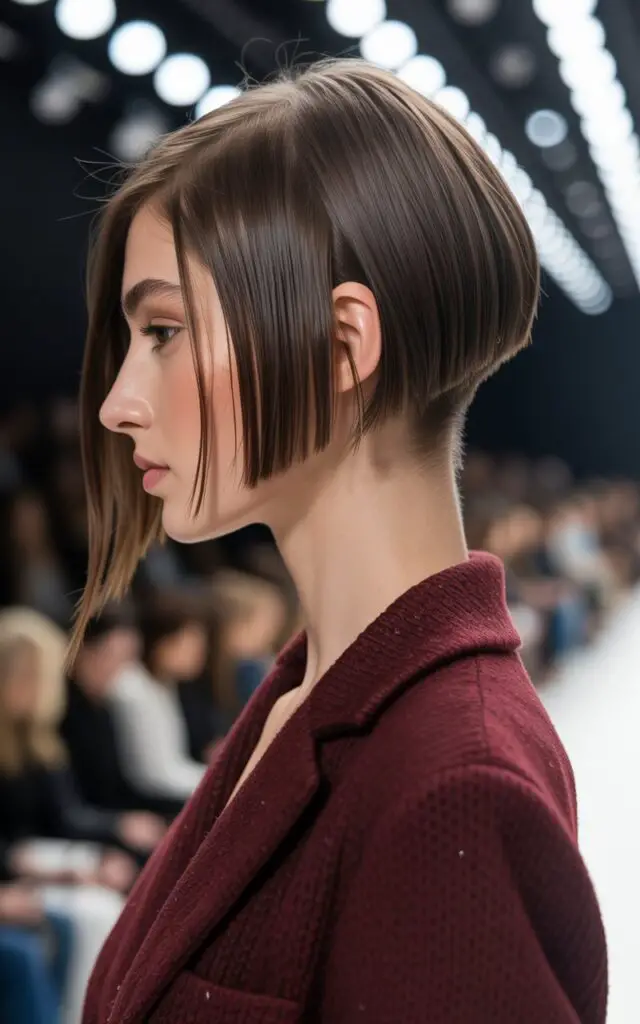
An A-line bob angles down from the back to the front, creating longer pieces that frame your face. This cut adds dimension and movement while maintaining a polished appearance. The graduated shape works by stacking shorter layers in the back and gradually increasing length toward the front.
The angle can be subtle or dramatic, depending on how much difference you want between the back and front lengths. Some variations show just an inch of difference, while others feature several inches. Here’s what makes this cut stand out:
Face-Framing Effect: The longer front pieces draw attention to your cheekbones and eyes.
Volume Boost: The stacked back creates natural lift without teasing or products.
Styling Versatility: Works equally well straight, wavy, or with loose curls.
This style requires trimming every 6-8 weeks to maintain the shape. The angled cut tends to grow out gracefully, making it practical for busy schedules.
The Layered Bob
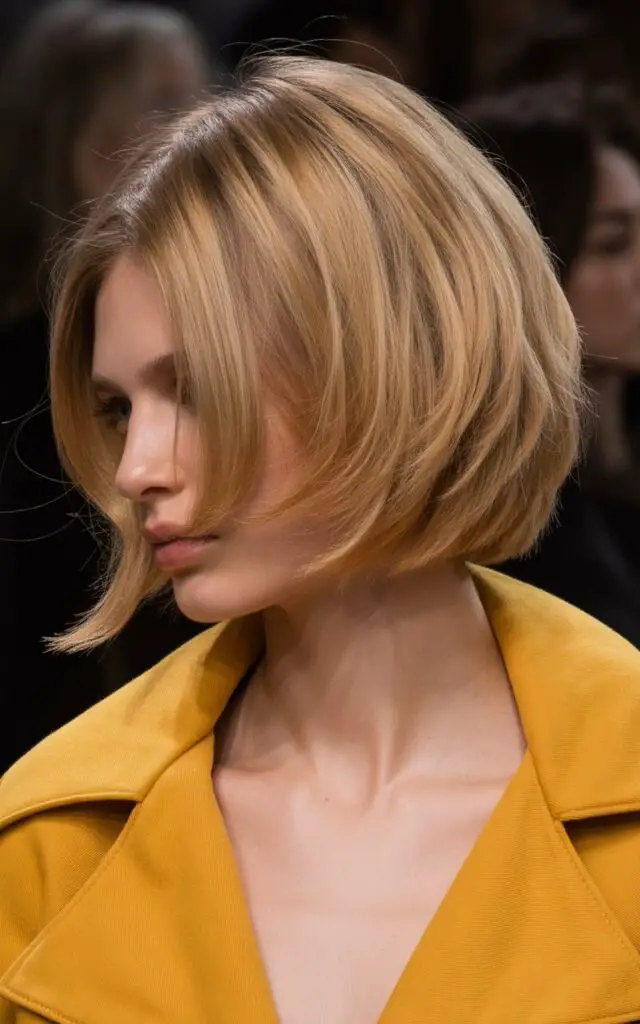
Layers transform a basic bob into a style with movement and dimension. This variation includes shorter pieces throughout the cut, creating texture that prevents the hair from looking flat or heavy. The layering technique can be customized based on your hair type and desired outcome.
Creating Texture and Volume
Your stylist will cut layers at different lengths throughout your hair, with shorter pieces near the crown for lift and longer pieces at the bottom for shape. This technique works especially well for women with thick hair who need to remove bulk. The layers also help fine hair appear fuller by creating the illusion of density.
Styling Options
This cut adapts to various styling methods. You can scrunch it for beachy waves, straighten it for a sleek look, or let it air dry for natural texture. The layers respond well to styling products like mousse or texturizing spray. Most women find this style requires minimal effort while delivering maximum impact.
The French Bob
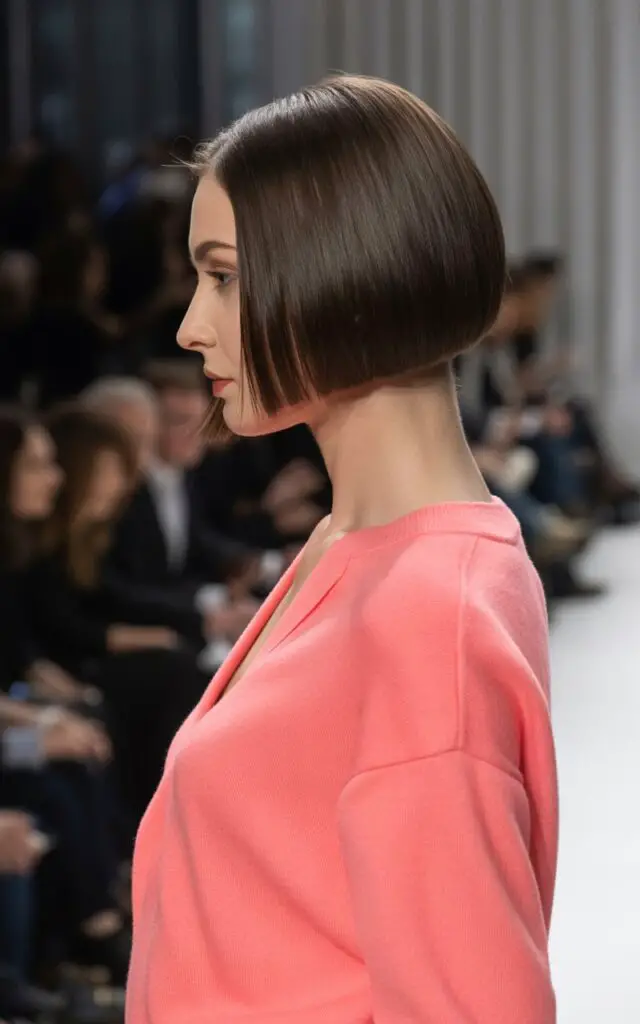
The French bob sits at or above the jawline, creating a short, sophisticated look that originated in Paris. This cut typically includes blunt or slightly textured ends and often pairs with bangs. The style exudes confidence and suits women who aren’t afraid to go shorter.
What distinguishes this cut is its precision and the way it frames the face. The length typically falls between the earlobe and jawline, creating a neat, polished silhouette. Many variations include a slight curve or internal layering to prevent the hair from looking too heavy.
This haircut requires regular maintenance to keep its shape. You’ll need trims every 4-6 weeks to maintain the length and line. The style works best on straight to slightly wavy hair, though women with curly hair can also wear it if they’re comfortable with the volume it creates at this length.
The Stacked Bob
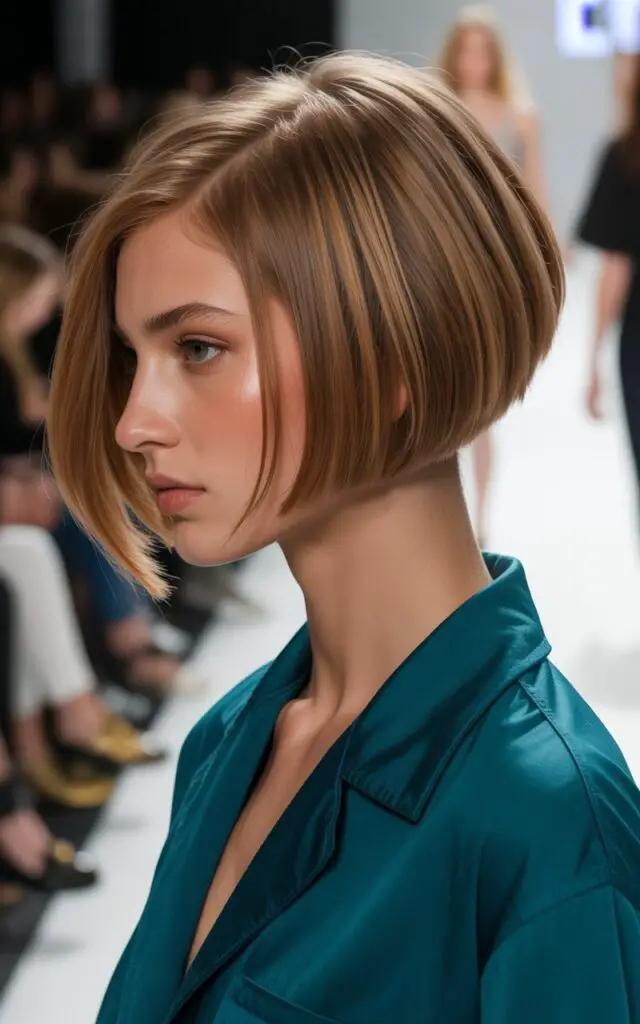
A stacked bob features graduated layers in the back that create height and volume. The hair is cut shorter at the nape and gradually gets longer toward the front. This creates a rounded shape in the back while maintaining length around the face.
The Technical Details
The stacking technique involves cutting the back sections at an angle, with each layer slightly longer than the one below it. This creates a convex curve that adds lift at the crown. The front pieces typically remain longer, providing a flattering frame for your features. Your stylist might use a razor or scissors to achieve this effect, depending on your hair texture.
Practical Benefits
This cut solves the common problem of flat, lifeless hair at the back of the head. The stacked layers create natural volume without backcombing or products. It grows out relatively well, though you’ll want regular trims to maintain the dramatic shape. Women with fine to medium hair thickness usually get the best results from this style.
The Textured Bob
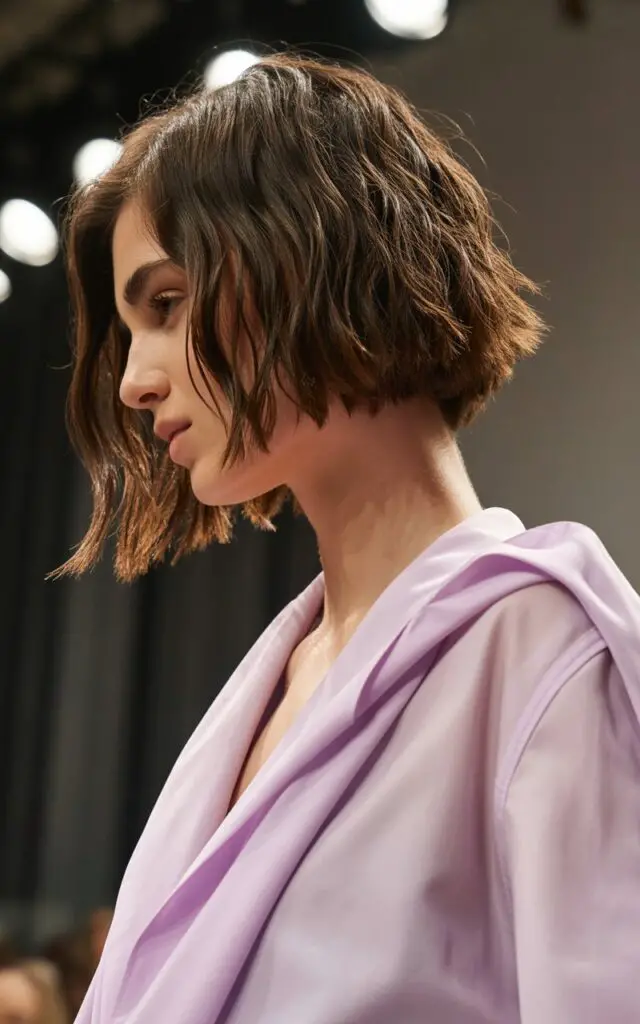
Textured bobs feature choppy, piecey ends that create an undone, casual appearance. This style breaks away from the precision of traditional bobs, offering a more relaxed and modern aesthetic. The texture can be achieved through point cutting, razor cutting, or slide cutting techniques.
The beauty of this variation lies in its forgiving nature. It doesn’t require perfect styling or precise blow-drying. Many women simply scrunch some product into damp hair and let it air dry. The imperfect finish is actually the goal, making it ideal for those who prefer low-maintenance styles.
Customizing Your Texture
You can adjust the amount of texture based on your preference. Some women want just a hint of piece-y ends, while others prefer more dramatic, choppy layers throughout. The cut works with various lengths, from chin-grazing to shoulder-length. Adding texturizing products enhances the separation and definition of individual pieces.
The Sleek Bob
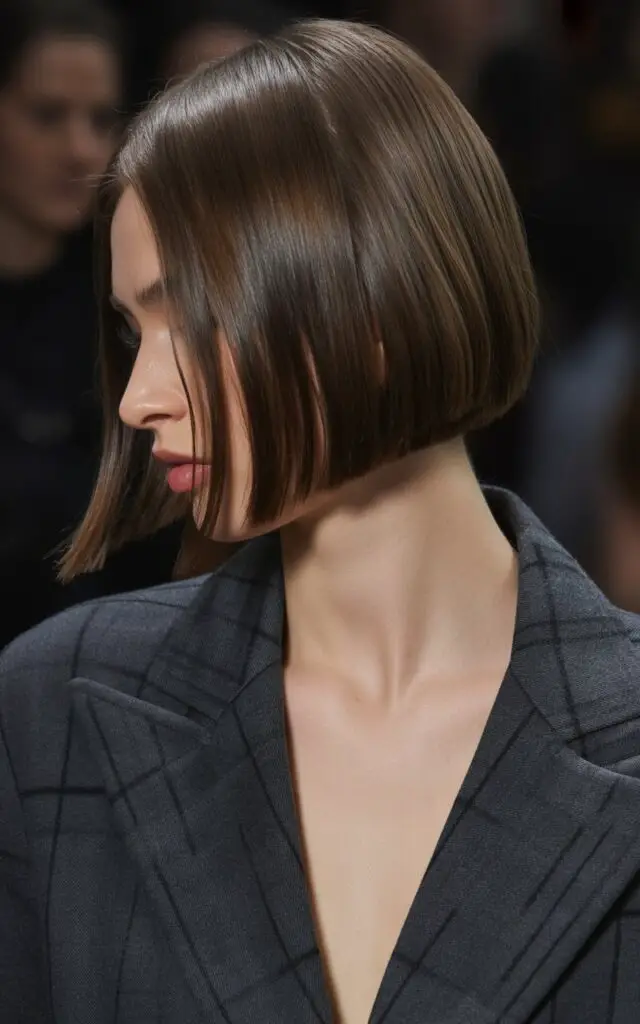
The sleek bob prioritizes smoothness and shine above all else. This polished version works best on straight or slightly wavy hair that can be easily straightened. The focus is on creating a glossy, healthy-looking finish with minimal texture or movement.
Achieving this look requires the right tools and products. You’ll need:
Quality Flat Iron: A ceramic or titanium iron smooths hair without damage.
Heat Protectant: Prevents damage from daily styling and maintains hair health.
Shine Serum: Adds that glossy finish without making hair look greasy.
Smoothing Shampoo: Helps control frizz and creates a smooth base for styling.
This style demands commitment to regular upkeep. Split ends show more prominently on sleek styles, so frequent trims are essential. The cut itself can be blunt, A-line, or slightly layered, as long as the styling remains smooth and polished. Many women pair this with a center or deep side part for added sophistication.
The Chin-Length Bob
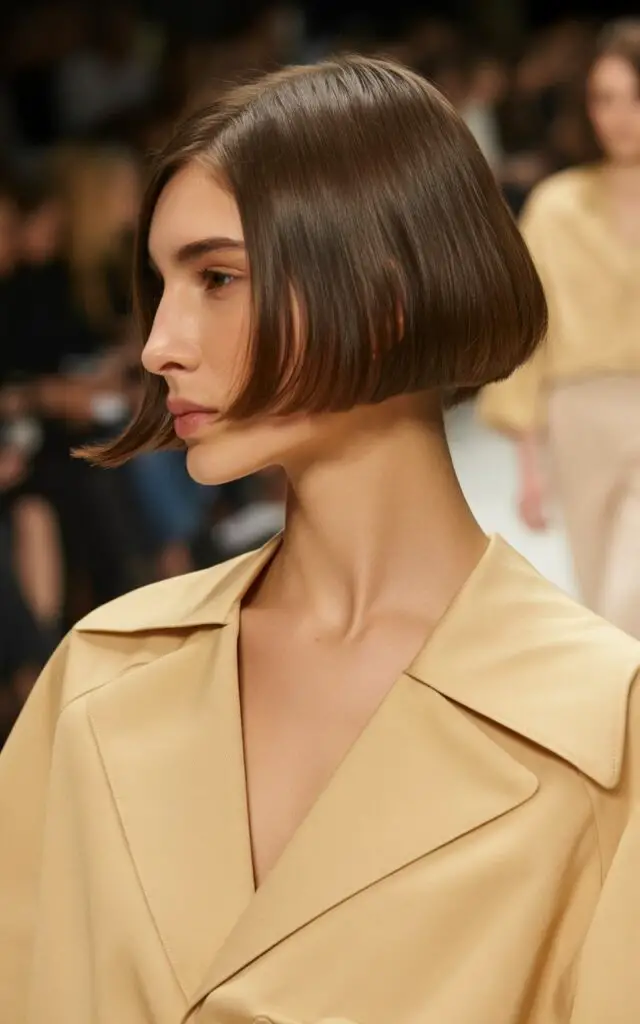
The chin-length bob hits right at the jawline, creating a classic, balanced silhouette. This length offers the perfect middle ground between short and medium hair. It’s long enough to tuck behind your ears or style in different ways, yet short enough to feel fresh and manageable.
This particular length flatters most face shapes because it draws attention to your best features. The horizontal line created at the chin adds width to narrow faces while the shorter length elongates round faces. You can customize it with layers, texture, or keep it blunt depending on your hair type and style preferences.
Regular trims every 6-8 weeks keep this cut looking intentional rather than grown-out. The length works well with or without bangs, and you can style it straight, wavy, or curly. Many women choose this length because it feels safe yet stylish, offering change without going dramatically short.
Finding Your Perfect Bob
Classic bob haircuts offer something for everyone, whether you prefer sharp precision or soft texture. These eight variations demonstrate how a single haircut concept can transform into completely different looks. The right bob for you depends on your hair type, face shape, lifestyle, and personal style preferences.
Your choice should also consider how much time you’re willing to spend on styling. Some variations like the sleek bob require daily effort, while textured or layered options work with minimal styling. Talk to your stylist about your routine and expectations before making the cut. They can help you choose a variation that fits your life while still giving you the look you want.
Frequently Asked Questions
Q: How often should I trim my bob to maintain its shape?
A: Most bob haircuts need trimming every 4-8 weeks depending on the style. Precise cuts like the blunt bob or French bob require more frequent maintenance, while layered or textured variations can go longer between appointments.
Q: Can I wear a bob if I have curly hair?
A: Yes, curly hair works beautifully with bob haircuts. Layered and textured bobs particularly suit curly hair, though you may need to adjust the length since curls spring up shorter than straight hair. Discuss the dry cutting technique with your stylist for best results.
Q: Which bob style works best for thin hair?
A: Layered bobs and textured bobs create the illusion of fuller hair. Avoid heavy, blunt cuts that can make fine hair look flat. Ask your stylist about internal layers that add volume without sacrificing the overall shape.
Q: Do I need bangs with my bob?
A: Bangs are optional with all bob styles. They can enhance the look and frame your face, but many women prefer bobs without bangs. The choice depends on your face shape, forehead size, and styling preferences.
Q: How do I style my bob for different occasions?
A: Most bobs are versatile enough for both casual and formal settings. Sleek, straight styling works for professional environments, while loose waves or textured styling suit casual occasions. Adding accessories like clips or headbands can dress up the style for special events.
Q: Will a bob make my round face look rounder?
A: Not if you choose the right variation. A-line bobs, layered bobs with face-framing pieces, and longer chin-length bobs can actually elongate round faces. Avoid blunt bobs that end right at the fullest part of your cheeks.
Q: Can I color my hair and get a bob at the same time?
A: Yes, though many stylists recommend cutting first and coloring after, or vice versa depending on the services. This allows them to see the true shape and adjust the color placement accordingly. Discuss the order with your stylist.
Q: How do I prevent my bob from flipping out at the ends?
A: This often happens with chin-length and shoulder-length bobs due to how the hair sits on your shoulders. Try blow-drying with a round brush, using a flat iron to smooth ends, or asking your stylist to adjust the length slightly shorter or longer.
Q: What products do I need for a textured bob?
A: A texturizing spray or sea salt spray helps create separation and definition. You might also want a light styling cream for hold and a dry shampoo for volume on non-wash days. Avoid heavy products that weigh down the texture.

