

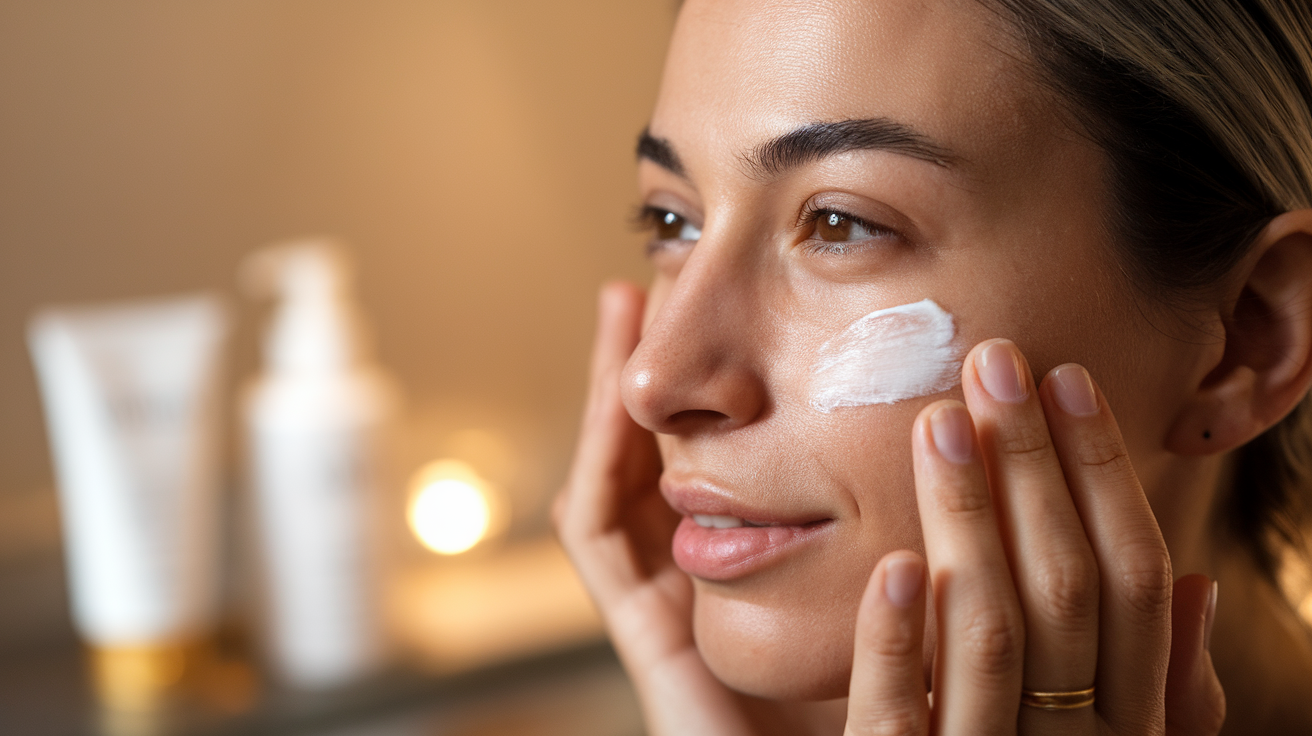
Looking at your 30s, you’ll notice your skin behaves differently than it did in your 20s. The mirror reflects subtle changes – perhaps a line that wasn’t there before, or skin that takes longer to bounce back after a late night. These shifts happen because your skin’s natural processes slow down around this decade, requiring adjustments to your skincare approach.
Your skin produces less collagen starting in your late 20s, dropping by about one percent each year. This protein gives skin its firmness and elasticity, so its decline means your skin needs more support to maintain its structure. Additionally, cell turnover – the process where old skin cells shed and new ones replace them – slows from every 28 days to every 35-40 days by your mid-30s.
The good news? A targeted skincare routine can address these changes effectively. With the right products and techniques, you can maintain healthy, radiant skin throughout this decade and beyond. Let’s look at seven proven strategies that make a real difference.
Why Your Skin Changes in Your 30s and What to Do About It
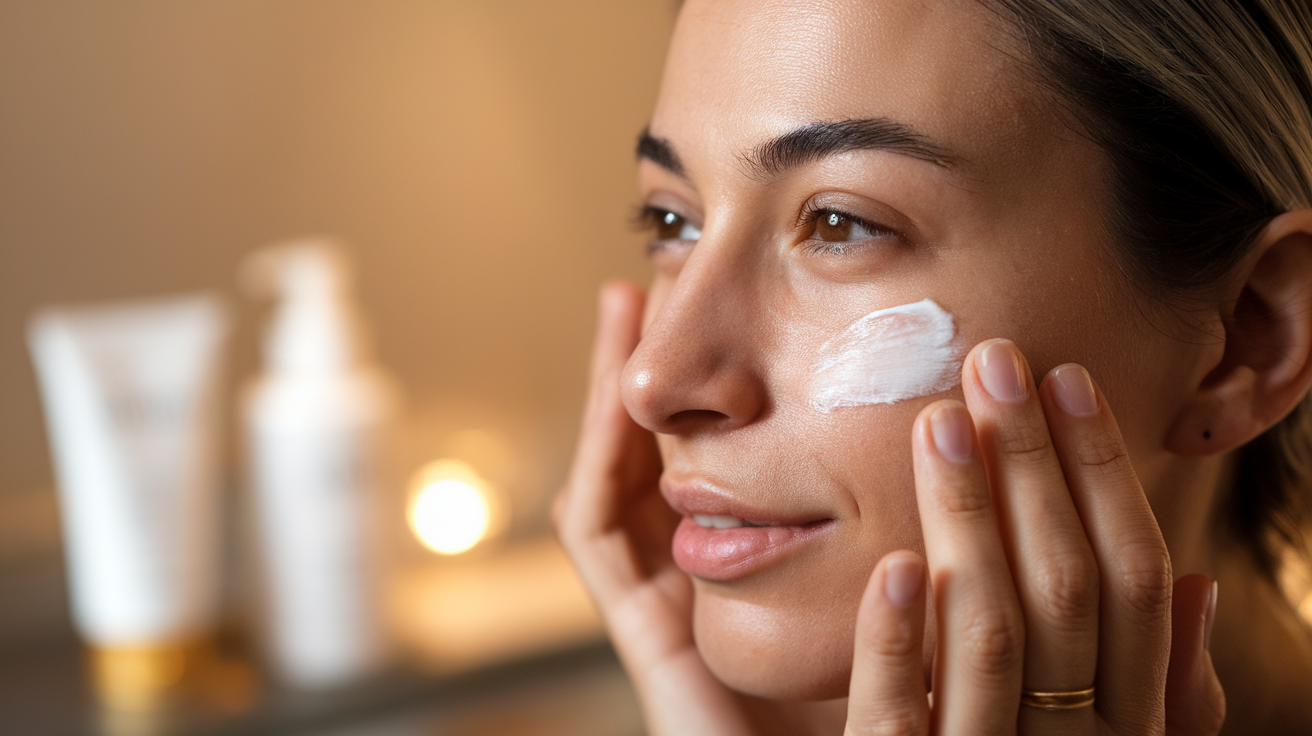
Your 30s mark a significant shift in how your skin functions. Understanding these changes helps you adjust your skincare routine accordingly, rather than wondering why your old products stopped working as well.
Collagen production decline
The steady decrease in collagen production affects skin firmness most noticeably around your eyes and mouth. Fine lines appear first in these areas because the skin here is thinner and moves constantly with facial expressions. Supporting collagen production becomes crucial during this decade.
Vitamin C serums help stimulate natural collagen synthesis when used consistently. Apply them in the morning under sunscreen for dual benefits – collagen support and antioxidant protection. Peptide-rich products also signal your skin to produce more collagen, particularly when used at night when skin repair peaks.
Cell turnover slows down
Dead skin cells accumulate on your face when cell turnover slows, creating a dull appearance. This buildup also prevents skincare products from penetrating effectively, reducing their benefits. Regular exfoliation becomes essential to maintain skin radiance.
Chemical exfoliants work better than physical scrubs for most women in their 30s. Alpha hydroxy acids (AHAs) like glycolic or lactic acid dissolve dead cells gently without causing micro-tears. Beta hydroxy acids (BHAs) penetrate deeper into pores, making them ideal if you still experience occasional breakouts. Start with once weekly application, gradually increasing to 2-3 times per week as your skin adjusts.
Environmental damage accumulation
Years of sun exposure, pollution, and lifestyle factors show their cumulative effects by your 30s. Dark spots, uneven texture, and premature wrinkles often result from this accumulated damage. Prevention remains important, but now you need repair strategies too.
Antioxidants neutralize free radicals that cause ongoing damage. Niacinamide, resveratrol, and green tea extract offer powerful protection when layered under sunscreen. For existing damage, ingredients like kojic acid, arbutin, and tranexamic acid help fade dark spots over time.
Hormonal shifts impact skin
Hormonal fluctuations throughout your menstrual cycle affect oil production, causing breakouts at predictable times each month. Some women experience increased dryness, while others notice more oiliness than in their 20s. Pregnancy, birth control changes, and approaching perimenopause all influence skin behavior.
Track your skin changes throughout the month to identify patterns. You might need a lighter moisturizer during ovulation when oil production increases, then a richer formula during your period when skin tends toward dryness. Adaptogens like ashwagandha in skincare products help balance stress-related hormonal effects on skin.
Consider these targeted approaches for hormonal skin concerns:
Adult Acne: Salicylic acid spot treatments combined with zinc supplements
Melasma: Strict sun protection plus hydroquinone or azelaic acid treatments
Dryness Patches: Ceramide-rich barriers creams on affected areas
Sensitivity Spikes: Centella asiatica and oat-based products during flare-ups
Your skin’s changing needs require flexibility in your routine. What works one week might need adjustment the next, depending on hormonal fluctuations, weather changes, and stress levels. Pay attention to how your skin responds and adjust accordingly rather than sticking rigidly to one routine year-round.
The Power of Retinoids and How to Start Using Them
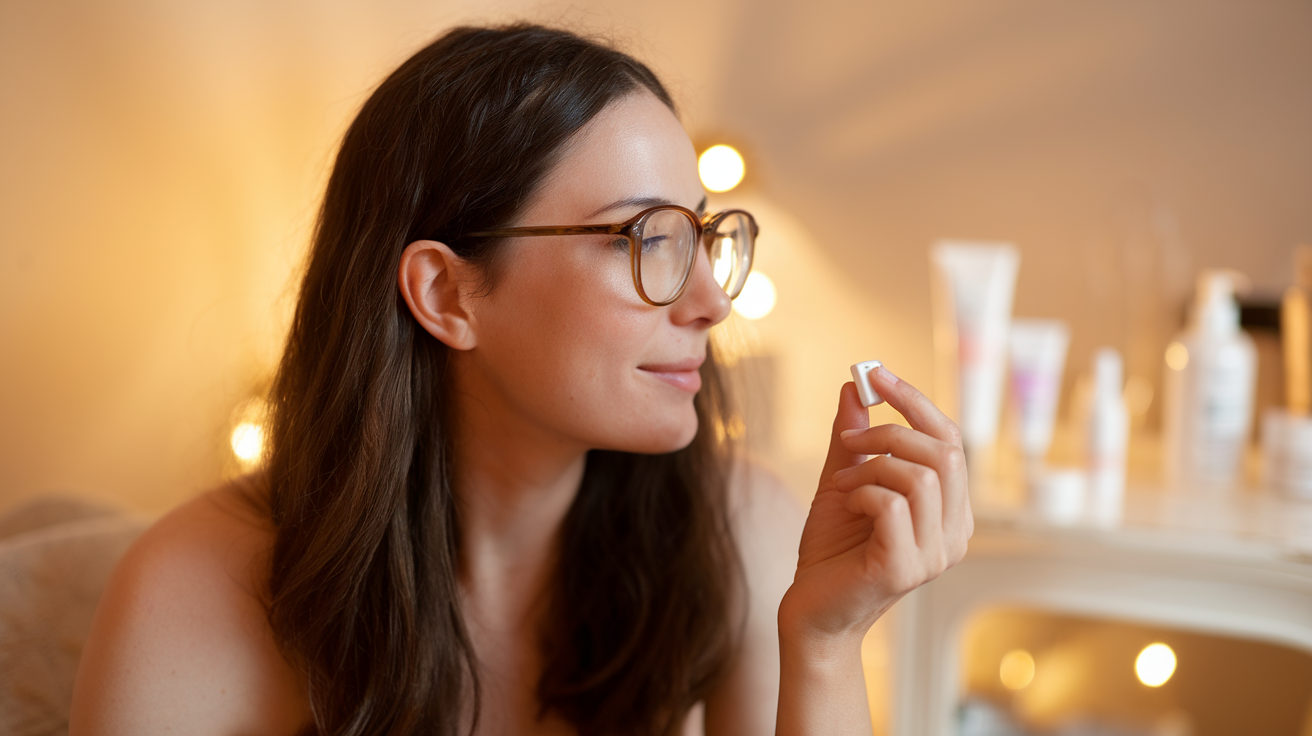
Retinoids stand as the gold standard in anti-aging skincare, backed by decades of research proving their effectiveness. These vitamin A derivatives work by increasing cell turnover, stimulating collagen production, and improving skin texture. Yet many women hesitate to start using them, worried about irritation or unsure how to incorporate them properly.
What retinoids actually do
At the cellular level, retinoids communicate with skin cells, encouraging them to behave like younger, healthier versions of themselves. This process smooths fine lines, fades dark spots, and refines pores over time. Results typically become visible after 12 weeks of consistent use, though some improvements appear sooner.
The way retinoids transform skin goes beyond surface-level changes. They actually remodel the deeper layers where collagen and elastin reside. This structural improvement creates lasting benefits that continue developing with long-term use. Think of retinoids as personal trainers for your skin cells, pushing them to perform at their peak capacity.
Different types available
Prescription retinoids like tretinoin offer the strongest results but require adjustment time. Over-the-counter options include retinol, retinyl palmitate, and newer alternatives like bakuchiol for sensitive skin. Each type converts to retinoic acid at different rates, affecting both potency and irritation potential.
Retinol products work well for beginners, offering noticeable improvements with less irritation than prescription versions. Start with concentrations between 0.25% and 0.5%, moving to higher percentages only after your skin tolerates lower strengths well. Encapsulated retinol releases slowly, reducing irritation while maintaining effectiveness.
For those with reactive skin, retinyl palmitate provides the gentlest introduction to vitamin A. Though less potent, it still delivers anti-aging benefits when used consistently. Plant-based bakuchiol offers similar results without the typical retinoid side effects, making it suitable for pregnancy and breastfeeding when traditional retinoids aren’t recommended.
Building tolerance gradually
Starting slowly prevents the dreaded retinoid reaction – redness, peeling, and sensitivity that discourages many from continuing. Begin with application twice weekly for two weeks, then three times weekly for two weeks, gradually working up to nightly use if tolerated.
Apply a pea-sized amount to completely dry skin, waiting 20-30 minutes after washing your face. Moisture on skin increases absorption, potentially causing irritation. Follow with a gentle moisturizer to buffer any drying effects. Some women prefer the “sandwich method” – moisturizer, retinoid, then more moisturizer – for extra protection against irritation.
Your skin might look worse before improving, a phase called “retinization.” Mild peeling, breakouts, and dryness commonly occur during the first 4-6 weeks. Unless irritation becomes severe, push through this adjustment period. Most skin adapts within two months, revealing the smoother, clearer complexion retinoids promise.
Morning sunscreen becomes non-negotiable when using retinoids. These ingredients increase photosensitivity, making skin more vulnerable to UV damage. Choose broad-spectrum SPF 30 or higher, reapplying throughout the day for adequate protection.
Common mistakes to avoid
Mixing retinoids with other active ingredients often causes unnecessary irritation. Avoid using AHAs, BHAs, or vitamin C on the same nights as your retinoid. Instead, alternate these actives on different evenings or use gentler versions in your morning routine.
Applying retinoids to damp skin or immediately after washing increases penetration too quickly, leading to irritation. Similarly, using too much product doesn’t speed results – it only increases side effects. One pea-sized amount covers your entire face adequately.
The eye area needs special consideration. While retinoids benefit crow’s feet and under-eye lines, this delicate skin requires extra care. Either skip the area entirely at first or dilute your retinoid with eye cream before applying. Once tolerance builds, you can apply closer to the eyes.
Giving up too soon ranks as the biggest mistake women make with retinoids. Real transformation takes three to six months of consistent use. Document your progress with monthly photos to appreciate gradual improvements you might otherwise miss. The patience required pays off with skin that looks years younger than your actual age.
Essential Hydration Strategies That Actually Work
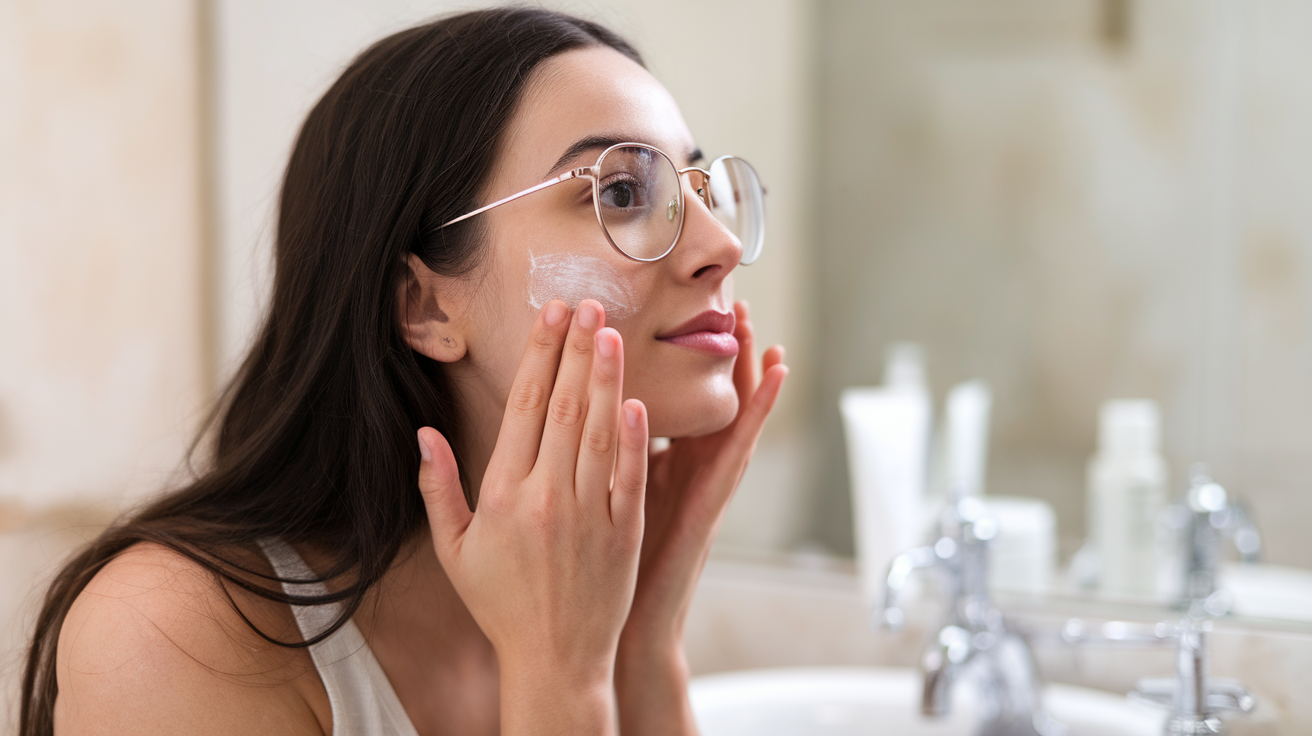
Proper hydration transforms skin from dull and tired to plump and radiant, yet many women struggle to achieve optimal moisture levels. The key lies not just in drinking water but in using the right combination of topical products that attract and seal moisture into your skin. Understanding how different hydrating ingredients work together creates the foundation for truly effective skincare.
Layering water-based products
The Korean skincare philosophy of layering lightweight hydrators revolutionized Western routines, and for good reason. Multiple thin layers of hydration penetrate better than one thick cream, allowing skin to absorb maximum moisture without feeling heavy or greasy.
Start with a hydrating toner or essence immediately after cleansing while skin remains slightly damp. These watery products contain smaller molecules that penetrate quickly, preparing skin for subsequent layers. Pat gently rather than rubbing to avoid disrupting your skin barrier.
Next, apply a hyaluronic acid serum, which holds up to 1,000 times its weight in water. This molecule draws moisture from the environment and deeper skin layers to the surface. For maximum effectiveness, apply to damp skin and seal with a moisturizer to prevent the hyaluronic acid from pulling moisture out of your skin in dry environments.
Consider adding a facial mist between steps to maintain dampness and boost absorption. Rose water, thermal spring water, or glycerin-based mists work well. This technique proves especially helpful in dry climates or during winter months when indoor heating depletes skin moisture.
Choosing the right moisturizer
Your 30s often require rethinking moisturizer choice as skin needs shift. The lightweight gel you loved in your 20s might no longer provide adequate hydration, while heavy creams could trigger breakouts if you’re experiencing hormonal changes.
Combination skin benefits from using different moisturizers on different areas. A lighter formula works well on your T-zone, while cheeks and jaw might need something richer. This targeted approach prevents both dryness and excess oil production.
Look for moisturizers containing ceramides, which strengthen your skin barrier and prevent water loss. Squalane provides lightweight hydration that mimics skin’s natural oils without clogging pores. Glycerin attracts moisture while remaining non-comedogenic, making it suitable for all skin types.
Texture preferences matter too. Gel-creams offer hydration without heaviness, ideal for oily or combination skin. Balms provide intensive moisture for dry patches. Whipped or mousse textures feel luxurious while absorbing quickly. Test different formulations to find what your skin responds to best.
Overnight hydration techniques
Nighttime offers the perfect opportunity for intensive hydration since you don’t worry about makeup application or sun exposure. Your skin also repairs itself most actively during sleep, making overnight treatments particularly effective.
Sleeping masks or overnight treatments seal in your evening skincare routine while delivering concentrated hydration. Apply as the final step after serums and moisturizer. These occlusive products prevent water loss throughout the night, so you wake with plumper, more hydrated skin.
The slugging trend – applying a thin layer of petroleum jelly or similar occlusive over your skincare – works wonders for severely dehydrated skin. While it might feel strange initially, this technique dramatically improves moisture retention. Use only on dry areas if you’re acne-prone, avoiding the T-zone where it might cause breakouts.
Room humidity affects overnight skin hydration significantly. Running a humidifier while you sleep adds moisture to the air, preventing your skin from losing water. Aim for 40-60% humidity in your bedroom. This simple addition often makes a bigger difference than expensive products, particularly during winter or in dry climates.
Ingredients that lock in moisture
Understanding which ingredients prevent water loss helps you choose products that maintain hydration rather than just temporarily adding moisture. Occlusives, humectants, and emollients each play different roles in keeping skin hydrated.
Below are powerhouse ingredients for locking in hydration:
Shea Butter: Forms a protective barrier while providing vitamins A and E
Dimethicone: Creates a breathable seal that smooths skin texture
Cholesterol: Works with ceramides to repair barrier function
Lanolin: Mimics skin’s natural oils while preventing water loss
Jojoba Oil: Balances oil production while maintaining moisture
Niacinamide deserves special mention for improving skin’s ability to retain moisture while offering additional benefits like pore refinement and brightening. This versatile ingredient works well with virtually everything in your routine, making it easy to incorporate.
Avoid ingredients that strip natural oils or disrupt your moisture barrier. Harsh sulfates, alcohol denat, and fragrances often cause more dryness despite being in products marketed as hydrating. Read ingredient lists carefully, focusing on the first five ingredients which make up the bulk of any formula.
Seasonal adjustments keep skin optimally hydrated year-round. Summer might require lighter layers with gel textures, while winter demands richer formulas and additional occlusives. Pay attention to how your skin feels throughout the day – tightness, flaking, or increased oil production all signal hydration imbalances needing attention.
Sun Protection Beyond Basic SPF
Sun damage accumulates silently throughout your life, with most visible aging attributed to UV exposure rather than chronological aging. By your 30s, previous sun exposure starts showing as dark spots, fine lines, and uneven texture. While you can’t reverse past damage entirely, comprehensive sun protection prevents future problems while supporting your skin’s repair processes.
Physical versus chemical sunscreens
The debate between mineral and chemical sunscreens continues, but understanding how each works helps you choose appropriately for your skin type and lifestyle. Both offer effective protection when used correctly, though they function through different mechanisms.
Mineral sunscreens containing zinc oxide or titanium dioxide sit on skin’s surface, reflecting UV rays away. They work immediately upon application and rarely cause irritation, making them ideal for sensitive or acne-prone skin. The main drawback? White cast that many formulations leave, though newer micronized versions blend better.
Chemical sunscreens absorb into skin, converting UV rays to heat that dissipates from your body. Ingredients like avobenzone, octinoxate, and oxybenzone provide broad-spectrum protection with elegant textures that layer well under makeup. However, some people experience irritation or breakouts from certain chemical filters.
Combination formulas offer benefits of both types while minimizing drawbacks. These hybrid sunscreens typically contain zinc oxide for immediate protection plus chemical filters for enhanced UVA coverage and better texture. Many Korean and Japanese sunscreens excel at this balanced approach.
Antioxidants as added protection
Sunscreen alone doesn’t block 100% of UV rays, which is where antioxidants provide crucial backup protection. These ingredients neutralize free radicals generated by UV exposure that sunscreen misses, preventing cellular damage that leads to aging and hyperpigmentation.
Vitamin C serum applied under sunscreen creates a powerful protective combination. L-ascorbic acid or stable derivatives like sodium ascorbyl phosphate boost sunscreen effectiveness while brightening existing sun damage. This pairing works particularly well for preventing melasma, a concern for many women in their 30s.
Green tea extract, resveratrol, and vitamin E offer additional antioxidant protection when incorporated into your morning routine. Layer these in serums or moisturizers before sunscreen application. Some advanced sunscreens now include antioxidants in their formulas, simplifying your routine while maximizing protection.
Polypodium leucotomos extract, taken as an oral supplement, provides systemic photoprotection from within. Studies show it reduces UV-induced damage and helps prevent hyperpigmentation. While not a replacement for topical sunscreen, it adds another layer of defense for those serious about sun protection.
Don’t forget about infrared and blue light protection, emerging concerns in skincare. Iron oxides in tinted sunscreens shield against visible light that can worsen hyperpigmentation, especially in darker skin tones. Screen time increases blue light exposure, making antioxidant protection important even indoors.
Reapplication strategies
The two-hour reapplication rule sounds simple but proves challenging in real life. Wearing makeup, working indoors, and busy schedules all interfere with ideal sunscreen habits. Practical strategies make consistent reapplication more achievable.
Powder sunscreens offer the easiest reapplication method over makeup. Keep a brush-on mineral SPF in your bag for touch-ups throughout the day. While not as protective as liquid formulations, they’re infinitely better than skipping reapplication entirely.
Setting sprays with SPF provide another makeup-friendly option. Mist over your face every few hours, especially before going outside. These work best as supplements to morning sunscreen rather than standalone protection, but they maintain coverage without disturbing your makeup.
For days without makeup, simply layer another application of your regular sunscreen. Blot excess oil first if needed, then pat on sunscreen rather than rubbing to avoid pilling. Japanese sunscreens with lightweight textures work exceptionally well for midday reapplication without feeling heavy.
Protection for often-missed areas
Most women apply sunscreen to their face but forget areas that reveal age just as obviously. These overlooked spots often show significant sun damage by your 40s if left unprotected throughout your 30s.
Your neck and chest need the same protection as your face. These areas have fewer oil glands, making them prone to crepey texture and dark spots from sun exposure. Extend all skincare products, including sunscreen, down to your décolletage daily.
Hands age rapidly from constant sun exposure while driving and during outdoor activities. Keep hand cream with SPF in your car and bag for frequent application. The skin here thins with age, making protection crucial for preventing age spots and maintaining youthful-looking hands.
Ears, scalp part lines, and lips frequently develop skin cancers due to neglect. Use a lip balm with SPF 30 minimum, reapplying after eating or drinking. Spray sunscreens work well for scalp protection, or wear hats during extended outdoor time. Don’t forget behind your ears, especially if you wear your hair up.
The eye area requires special attention since skin here is thinnest and most prone to damage. Regular sunscreens might irritate eyes, so look for ophthalmologist-tested formulas designed for this delicate area. Large sunglasses provide additional protection while preventing squinting that contributes to crow’s feet formation.
Professional Treatments Worth Your Investment
Professional treatments accelerate results beyond what home skincare achieves alone, making them valuable investments in your 30s. While a good daily routine forms your foundation, periodic professional interventions address specific concerns more effectively. Knowing which treatments offer the best returns for your skin concerns and budget helps you make informed decisions about where to spend your money.
Chemical peels for renewal
Professional chemical peels penetrate deeper than at-home exfoliants, triggering controlled skin renewal that improves texture, tone, and clarity. Different peel depths target various concerns, from surface-level dullness to deeper acne scarring and wrinkles.
Superficial peels using glycolic, lactic, or mandelic acid require no downtime while brightening skin and refining pores. These “lunchtime peels” work well every 4-6 weeks for maintaining radiant skin throughout your 30s. Most women notice immediate glow with cumulative improvements over a series of treatments.
Medium-depth peels like TCA (trichloroacetic acid) or Jessner’s solution address more significant concerns including melasma, acne scarring, and deeper wrinkles. Expect 5-7 days of peeling and redness, but results last months. These work best once or twice yearly, strategically timed around your social calendar.
Combination peels targeting multiple concerns simultaneously offer excellent value. Many practitioners customize peel cocktails based on your specific needs, perhaps combining salicylic acid for breakouts with lactic acid for hydration. This personalized approach maximizes results while minimizing irritation.
Pre-treatment preparation enhances peel results significantly. Using retinoids and gentle exfoliants weeks beforehand primes skin for better penetration. Post-peel care proves equally important – strict sun protection and gentle hydration support healing while preventing complications like post-inflammatory hyperpigmentation.
Microneedling benefits
Controlled micro-injuries from professional microneedling trigger your skin’s wound healing response, stimulating dramatic collagen production. This treatment effectively addresses concerns that develop in your 30s: enlarged pores, acne scarring, fine lines, and uneven texture.
The procedure involves rolling or stamping tiny needles across skin, creating channels that also enhance product penetration. Many practitioners apply growth factors, hyaluronic acid, or vitamin C during treatment for amplified results. Some offices offer PRP (platelet-rich plasma) microneedling, using your own blood’s growth factors for enhanced regeneration.
Results appear gradually over several months as new collagen forms. Most women need 3-6 sessions spaced 4-6 weeks apart for optimal improvement. Maintenance treatments every 6-12 months sustain results long-term. While initial redness and swelling occur, downtime remains minimal compared to more aggressive procedures.
LED light therapy options
LED treatments use specific light wavelengths to trigger various skin responses without heat or downtime. Red light stimulates collagen production and reduces inflammation, while blue light kills acne bacteria. Near-infrared wavelengths penetrate deepest, improving cellular energy production.
Professional LED devices deliver higher power than home versions, producing faster, more noticeable results. Sessions typically last 20-30 minutes, feeling relaxing rather than uncomfortable. Many women schedule treatments during lunch breaks since no recovery time exists.
Combination protocols maximize benefits by pairing LED with other treatments. Following microneedling or peels with red light reduces downtime while enhancing results. Some practitioners offer LED immediately after injections to minimize bruising and swelling.
Studies support LED therapy’s effectiveness for various concerns: wrinkle reduction, improved skin texture, decreased inflammation, and faster wound healing. While results build gradually over 8-12 sessions, the complete absence of side effects makes this treatment suitable for all skin types and tones.
When to see a dermatologist
Certain skin changes warrant professional evaluation beyond cosmetic concerns. Persistent adult acne, sudden pigmentation changes, or recurring rashes need medical assessment to rule out underlying conditions.
Hormonal acne that doesn’t respond to over-the-counter treatments often requires prescription interventions. Dermatologists can prescribe topical retinoids, antibiotics, or hormonal treatments like spironolactone that aren’t available without medical supervision. They also identify whether breakouts stem from hormones, products, or other factors.
Melasma, the patchy brown discoloration many women develop in their 30s, responds best to dermatologist-guided treatment. Over-the-counter products rarely fade these stubborn patches effectively. Prescription hydroquinone, tretinoin, and professional procedures offer better outcomes when properly supervised.
Beyond treating problems, dermatologists provide valuable preventive care. Annual skin checks catch concerning moles early, while professional guidance helps you build an effective routine without wasting money on unnecessary products. They can also advise whether expensive treatments align with your goals and skin type.
Skin changes that seem cosmetic sometimes indicate internal health issues. Sudden dryness might signal thyroid problems, while certain rashes suggest autoimmune conditions. Dermatologists recognize these connections, referring you for additional testing when appropriate. Your skin often reflects overall health, making professional monitoring valuable beyond aesthetic concerns.
Your Journey to Radiant Skin Starts Now
Taking control of your skincare in your 30s sets the foundation for how your skin ages over the coming decades. The strategies outlined here – from incorporating retinoids to professional treatments – work synergistically to address multiple concerns while preventing future damage. The key lies in consistency rather than perfection, building sustainable habits that fit your lifestyle.
Starting these practices now means you’ll see continued improvement month after month. Your skin has remarkable regenerative abilities when given proper support through targeted ingredients, sun protection, and professional guidance when needed. Small daily actions compound into significant long-term results, making every step in your routine a worthwhile investment in your skin’s future health and appearance.
Frequently Asked Questions
Q: How long before I see results from a new skincare routine in my 30s?
A: Most skincare changes require 6-12 weeks to show visible results. Cell turnover takes about 35-40 days in your 30s, so you need at least one complete cycle before judging effectiveness. Retinoids and professional treatments might take 3-6 months for full benefits.
Q: Can I use the same products year-round or should I change with seasons?
A: Your skin’s needs change with weather, hormones, and lifestyle factors. Summer typically requires lighter formulas and stronger sun protection, while winter demands richer moisturizers and gentler cleansing. Adjust your routine based on how your skin feels rather than following rigid seasonal rules.
Q: Should I use different products for morning and evening routines?
A: Yes, morning and evening routines serve different purposes. Morning focuses on protection with antioxidants and sunscreen. Evening emphasizes repair with retinoids, acids, and richer moisturizers. This division maximizes each product’s effectiveness while avoiding problematic combinations.
Q: Is it normal for my skin to get worse before getting better with new products?
A: Purging can occur with products that increase cell turnover like retinoids and acids, lasting 4-6 weeks. However, immediate irritation, burning, or hives indicates an allergic reaction requiring you to stop the product immediately.
Q: How do I know if I’m over-exfoliating my skin?
A: Signs include increased sensitivity, persistent redness, tightness even after moisturizing, shiny but not oily skin, and increased breakouts. If you notice these symptoms, reduce exfoliation frequency and focus on barrier repair with ceramides and gentle moisturizers.
Q: Can I mix vitamin C and retinoids in my routine?
A: While some newer formulations remain stable together, it’s safer to use vitamin C in the morning and retinoids at night. This separation prevents irritation while ensuring each ingredient works optimally at its preferred pH level.
Q: What’s the minimum effective skincare routine for busy women?
A: A basic but effective routine includes: gentle cleanser, moisturizer with SPF for morning, and the same cleanser plus a night moisturizer. Adding one treatment product like retinol or vitamin C serum significantly enhances results without overwhelming your schedule.
Q: How do I choose between all the different acids available?
A: Glycolic acid works best for sun damage and anti-aging, lactic acid suits sensitive or dry skin, salicylic acid targets acne and blackheads, while mandelic acid offers gentle exfoliation for all skin types. Start with one acid and assess results before adding others.

