

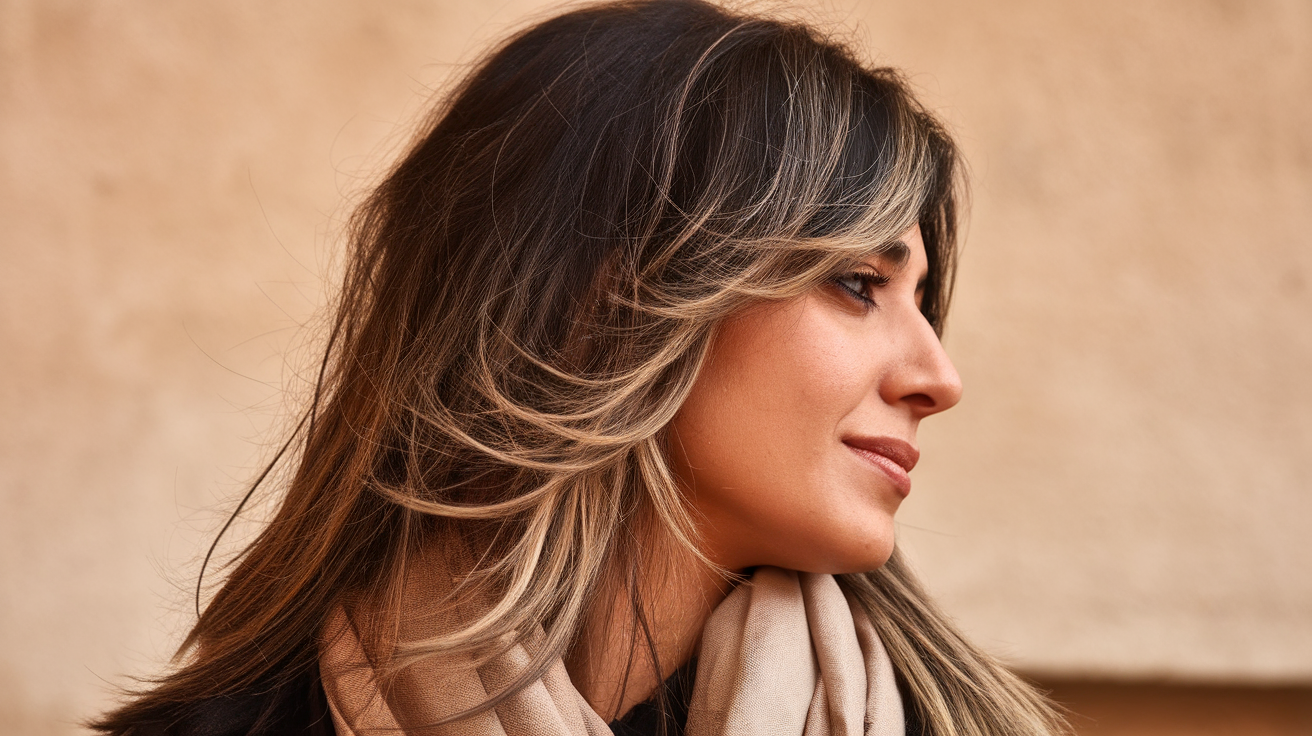
Long hair with layers and side bangs offers one of the most transformative haircuts available today. This classic combination creates movement, frames your face beautifully, and provides endless styling possibilities that work for virtually any lifestyle. Whether you’re looking to refresh your current look or make a dramatic change, this versatile style delivers results that feel both fresh and timeless.
The beauty of this particular cut lies in its adaptability. Layers remove weight from thick hair while adding body to fine strands, and side bangs instantly update any face shape without requiring a major commitment. You can style this look sleek and professional for work, then transform it into romantic waves for evening events. The possibilities truly feel endless once you understand how to work with your new texture.
Ready to discover how this haircut can revolutionize your daily styling routine? In the following sections, we’ll walk through everything from understanding why this style works so well to mastering maintenance techniques that keep you looking salon-fresh between appointments. Let’s uncover the transformative power of layered hair with side bangs.
- What Makes Long Layered Hair with Side Bangs So Versatile?
- How Does This Style Enhance Different Face Shapes?
- Which Styling Techniques Bring Out the Best in Your Layers?
- What Are the Most Flattering Layer Variations This Year?
- How Can You Maintain Your Layered Look Between Salon Visits?
- Your Fresh New Look Awaits
- Frequently Asked Questions
What Makes Long Layered Hair with Side Bangs So Versatile?
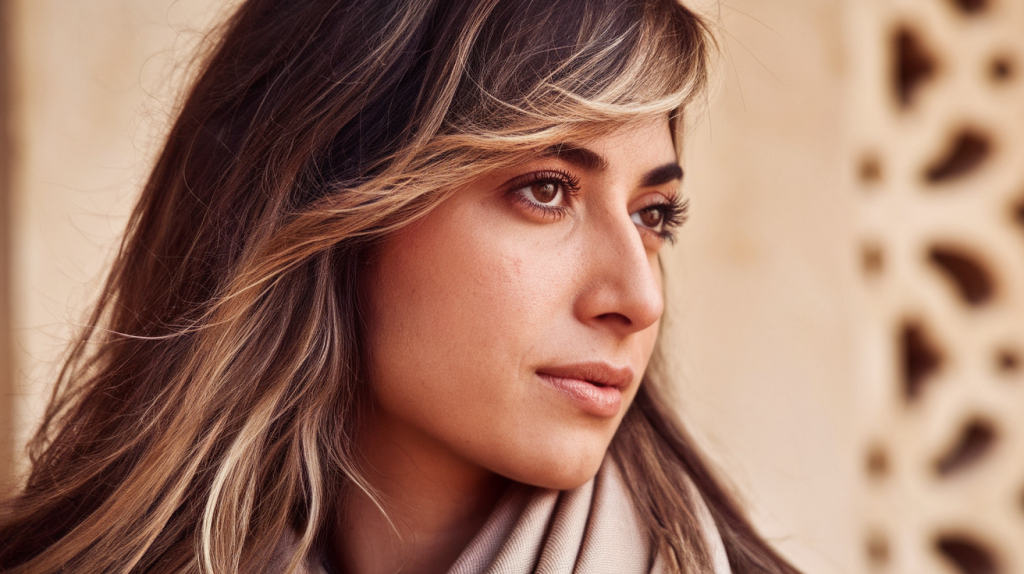
The combination of layers and side bangs creates a hair transformation that goes far beyond a simple trim. This style brings together two of hairstyling’s most powerful techniques to create looks that range from effortlessly casual to red-carpet ready.
The magic of layers in creating movement
Layers work by removing strategic sections of hair at different lengths throughout your cut. This technique eliminates bulk where you don’t want it while preserving length where you do. The result? Hair that moves naturally, catches light beautifully, and never looks flat or lifeless. Think of layers as giving your hair its own built-in bounce – they create dimension that straight cuts simply can’t achieve.
The placement of these graduated lengths matters tremendously. Well-executed layers follow your hair’s natural growth patterns, working with your texture rather than against it. This means less fighting with your styling tools and more time enjoying hair that seems to fall into place on its own.
How side bangs frame your face
Side bangs offer something special that straight-across bangs can’t match – flexibility. They sweep gracefully across your forehead, drawing attention to your eyes while softening your overall appearance. The diagonal line they create adds an element of sophistication to any style.
What’s particularly brilliant about side-swept fringe is how it grows out gracefully. Unlike blunt bangs that require frequent trims to maintain their shape, side bangs transition smoothly into face-framing layers as they lengthen. This gives you options – keep them short for a defined look or let them grow for a more relaxed vibe.
Styling flexibility for different occasions
One haircut, countless possibilities – that’s the promise this style delivers. For casual days, you might simply blow-dry with a round brush and call it done. The layers and bangs work together to create a polished look with minimal effort. Need something more formal? Those same layers provide the perfect foundation for updos, with shorter pieces naturally falling to frame your face.
The versatility extends to texture options too. Straight, wavy, curled – each styling choice highlights different aspects of your cut. Straightening emphasizes the precision of your layers, while waves showcase their movement. Even a simple ponytail becomes more interesting when face-framing pieces and side bangs add softness around your features.
Maintenance considerations
Before committing to this style, understanding its upkeep helps set realistic expectations. While layers generally require less daily styling than one-length cuts, they do need regular trims to maintain their shape. Plan on visiting your stylist every 6-8 weeks to keep everything looking fresh.
Side bangs require their own attention. They grow faster than you might expect, and their prominent position means even small changes in length become noticeable. Many women learn to trim their fringe at home between salon visits – a skill that saves both time and money. With proper tools and technique, maintaining your bangs becomes just another part of your beauty routine.
The good news? This style ages gracefully between cuts. As layers grow, they simply become longer layers. The overall shape remains flattering even as the specifics change. This forgiving nature makes it an excellent choice for busy women who can’t always maintain a strict salon schedule.
How Does This Style Enhance Different Face Shapes?

Understanding how layers and side bangs interact with your facial features helps you customize this cut for maximum impact. Every face shape benefits from this style, but the specific approach varies to highlight your best features.
Softening angular features
Square and rectangular face shapes often feature strong jawlines and defined angles. While these features are beautiful, some women prefer a softer appearance. Long layers starting below the chin create vertical lines that elongate the face, while side bangs add a diagonal element that counteracts horizontal emphasis.
The key lies in avoiding layers that hit right at jaw level, which could emphasize width. Instead, longer layers that begin around the collarbone draw the eye downward. Side bangs should be cut with a gentle arc rather than a severe angle, maintaining that softening effect throughout the style.
For maximum impact, consider asking your stylist for “feathered” ends on your layers. This technique creates wispy edges that contrast beautifully with strong bone structure. The overall effect? Your natural angles remain visible but appear gentler and more feminine.
Creating balance for round faces
Round faces benefit tremendously from the elongating effects of strategic layering. The goal here involves creating vertical lines and asymmetry to add the illusion of length. Long layers that start below the chin work wonderfully, as do side bangs that sweep dramatically across the forehead.
Avoid layers that add width at cheek level. Instead, focus on creating volume at the crown while keeping the sides relatively sleek. This approach naturally lengthens the face’s appearance. Your stylist might suggest subtle graduation through the back sections to maintain movement without adding bulk where you don’t want it.
Side bangs play a crucial role for round faces. Cut on a strong diagonal and swept to one side, they create an asymmetrical element that immediately makes faces appear longer. Keep them long enough to blend seamlessly into your layers – short, choppy bangs could emphasize roundness rather than minimize it.
Women with round faces should also consider how they style their new cut. Straightening creates sleek vertical lines, while loose waves starting below the cheekbones add movement without width. Even the direction you sweep your bangs matters – experimenting helps you find your most flattering angle.
Adding dimension to oval faces
Oval faces hit the genetic jackpot in terms of versatility. This balanced shape works with virtually any layer placement or bang style. The freedom this provides means focusing on what you want to achieve rather than what you need to correct.
For oval faces, layers become purely about creating your desired aesthetic. Want romantic movement? Opt for long, flowing layers that start mid-length. Prefer something edgier? Shorter, choppier layers throughout create texture and attitude. The world of layering opens completely when you’re working with balanced proportions.
Working with your natural bone structure
Rather than fighting against your face shape, the most flattering cuts work in harmony with your natural features. This means paying attention to more than just the basic shape – consider your forehead height, cheekbone placement, and chin projection too.
High foreheads benefit from side bangs that start further back on the crown, creating fuller coverage. Prominent cheekbones look stunning when layers fall just below them, creating a gentle frame. Smaller chins appear more balanced when layers add width through the lower portion of the style.
Here’s what to discuss with your stylist for the best results:
- Texture considerations: Fine hair needs different layering than thick strands
- Growth patterns: Cowlicks and natural parts affect how bangs fall
- Lifestyle factors: Low-maintenance options for busy schedules
- Styling preferences: Heat-free methods versus daily blow-drying
- Color plans: How highlights or lowlights will interact with layers
Your stylist can adjust the angle of your side bangs, the starting point of your layers, and the overall graduation to flatter your individual features. This customization transforms a good haircut into your perfect haircut.
Which Styling Techniques Bring Out the Best in Your Layers?
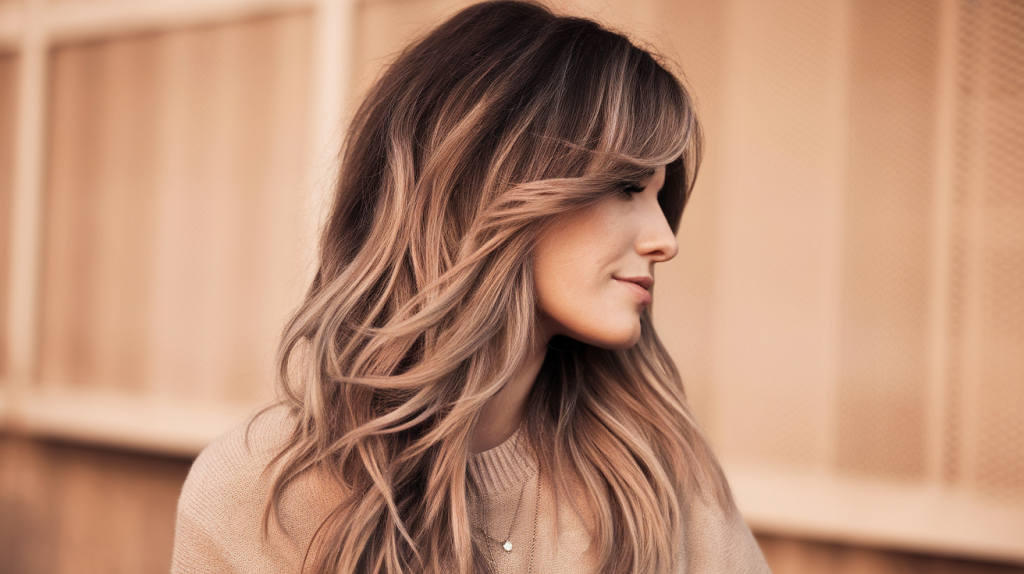
Mastering a few key styling techniques transforms your layered cut from simply pretty to absolutely stunning. The right methods enhance your hair’s natural movement while minimizing daily effort.
Heat styling opens up numerous possibilities for your layers, but success depends on proper technique and protection. Before reaching for any hot tools, apply a thermal protectant from mid-length to ends. This step prevents damage while helping your style last longer. Focus application on the areas that will receive the most heat – typically your layers and bangs.
Heat styling methods for volume
Round brushing remains the gold standard for creating volume in layered hair. Start with damp hair and work in sections, lifting each piece at the root while directing heat downward. The key? Roll your brush away from your face through the side bang area, creating that signature sweeping motion.
For lasting volume, try this professional trick: blast each section with cool air immediately after heating. This sets the cuticle and locks in your style. Pay special attention to the crown area – a little extra lift here makes your entire style appear fuller and more youthful.
Flat irons aren’t just for straightening. Used correctly, they create beautiful bends and movement in your layers. Try the “twist and glide” method: gently twist your wrist as you run the iron down each section. This creates soft waves that highlight your cut’s dimension without looking overly styled.
Air-drying tips for natural texture
Not everyone wants to heat style daily, and your layered cut can look amazing air-dried too. The secret lies in preparation and strategic product placement. While hair is soaking wet, apply a lightweight mousse or texture spray focusing on your layers.
Scrunch gently from the bottom up, encouraging your natural wave pattern. For side bangs, sweep them into position while wet and secure with a small clip until they’re about 80% dry. This trains them to fall correctly without heat styling.
The “twist and release” method works wonders for enhancing natural texture. Take small sections of your layers, twist them gently, then release. This encourages uniform wave formation and prevents that dreaded “stringy” look that can plague air-dried hair. Repeat throughout your layers for consistent results.
Product recommendations for hold and shine
The right products make all the difference in how your layers behave throughout the day. For fine hair, lightweight volumizing sprays applied at the roots provide lift without weighing down your layers. Focus application where you need the most support – usually the crown and around your part.
Medium to thick hair benefits from smoothing serums or light oils applied to the mid-lengths and ends. These products control frizz while enhancing the movement of your layers. Remember, a little goes a long way. Start with a dime-sized amount and add more only if needed.
Quick styling hacks for busy mornings
We all have those rushed mornings where elaborate styling isn’t possible. These time-saving techniques ensure you still look polished:
Overnight braiding creates effortless waves. Before bed, apply a small amount of styling cream to damp hair, then create one or two loose braids. Morning reveals perfectly tousled layers that need only a quick finger-styling.
The “flip and shake” method adds instant volume. Bend forward, flipping all your hair over your head. Shake gently at the roots, then flip back and arrange your layers and bangs. This technique lifts hair at the root for natural-looking fullness.
For second-day hair, dry shampoo becomes your best friend. Spray at the roots, let it sit for a minute, then massage in. This absorbs oil while adding texture that makes styling easier. Your layers will have more grip and hold their shape better throughout the day.
When your side bangs misbehave, try the “redirect and set” approach. Dampen them slightly with water or setting spray, sweep them into position, and hold with your hand for 30 seconds. The warmth from your palm helps set them in place – no tools required.
Velcro rollers offer heat-free volume while you finish getting ready. Place two or three large rollers at your crown and leave them in while you do your makeup. Remove just before leaving for instant lift that lasts. This technique works especially well for special occasions when you want extra glamour.
Remember, the best styling routine is one you’ll actually maintain. Experiment with different techniques until you find the combination that works for your lifestyle and hair type. Some days call for full styling, while others need just a quick refresh. Your versatile cut adapts to whatever time and energy you have available.
What Are the Most Flattering Layer Variations This Year?
Current trends in layered cuts focus on creating natural, lived-in looks that require minimal daily styling. The emphasis has shifted from heavily structured layers to softer, more organic shapes that move beautifully and grow out gracefully.
Face-framing pieces have become increasingly sophisticated. Rather than obvious, chunky layers around the face, stylists now create subtle graduation that appears almost accidental. These pieces typically begin around the collarbone, gently shortening as they move toward the face. The effect is incredibly flattering – drawing attention to your best features while maintaining overall length.
Face-framing layers that start at the chin
This variation works particularly well for women who want to maintain substantial length while still enjoying the benefits of layers. Starting layers at chin level creates movement without sacrificing the drama of long hair. The technique involves cutting at an angle that follows your natural face shape, ensuring each piece falls perfectly into place.
The beauty of chin-length initiation points lies in their versatility. Wear your hair straight, and these layers create a sleek frame. Add waves, and they transform into romantic tendrils. Pull your hair back, and they become the perfect pieces to leave loose for softness. This adaptability makes them ideal for women who enjoy experimenting with different looks.
Your stylist will likely use a combination of point cutting and slide cutting to achieve this effect. These techniques create layers that blend seamlessly rather than appearing as distinct steps. The result looks expensive and intentional while remaining surprisingly low-maintenance.
Subtle graduation for natural movement
Gone are the heavily layered looks of previous decades. Today’s approach favors subtle graduation that creates movement without obvious lines. This technique involves removing weight strategically throughout the hair, creating layers that are felt more than seen.
Subtle graduation works by creating tiny differences in length throughout each section. Your stylist might remove just a quarter-inch here, a half-inch there. These minimal variations add up to create beautiful movement without the choppy appearance some associate with layers. Hair flows and moves naturally, catching light at different angles for stunning dimension.
This approach particularly suits women with fine to medium hair density. The gentle graduation adds body without removing too much precious volume. It also grows out beautifully – as the layers lengthen, they simply become even more subtle rather than losing their shape entirely.
Dramatic layers for bold transformation
Some women crave more noticeable change, and dramatic layering delivers exactly that. This approach creates significant length variation throughout the cut, resulting in piece-y, textured looks with tons of movement. Think rock-star hair with a sophisticated twist.
Dramatic layers typically involve shorter pieces throughout the crown and top sections, gradually lengthening toward the perimeter. This creates maximum volume and texture while maintaining length where it counts. The contrast between short and long pieces adds visual interest that makes even simple styles look intentionally crafted.
Combining different layer lengths
The most modern approach to layering involves combining multiple techniques within one cut. Your stylist might use subtle graduation through the bulk of your hair while adding more dramatic pieces around your face. Or perhaps long layers throughout with shorter, piece-y sections just through the crown for volume.
This mixing of techniques allows for completely customized results. Working with your stylist, you can identify exactly where you want movement, volume, or sleekness. Maybe you love how shorter layers look around your face but prefer minimal layering through the back. Modern cutting techniques make these combinations not just possible but seamless.
The key to successful combination layering lies in creating harmony between different sections. Each area should flow naturally into the next, creating one cohesive style rather than disconnected parts. This requires significant skill from your stylist but results in a truly personalized cut.
Professional colorists often work in tandem with these varied layer lengths, using highlights and lowlights to enhance the dimension created by your cut. Lighter pieces might be concentrated in shorter layers to make them pop, while deeper tones through longer sections add richness and depth. This collaboration between cut and color creates results that neither technique could achieve alone.
Consider your styling commitment when choosing between subtle and dramatic variations. Dramatic layers offer more styling options but may require more effort to look their best. Subtle graduation tends to fall into place naturally but offers less versatility for creating different looks. Your perfect choice balances the impact you want with the effort you’re willing to invest.
How Can You Maintain Your Layered Look Between Salon Visits?
Keeping your layered haircut looking fresh between professional appointments requires some knowledge and the right techniques. With proper care, you can extend the life of your style and save money while still looking polished.
The foundation of good maintenance starts with understanding how your specific cut grows. Layers don’t all grow at the same rate – shorter pieces may seem to lengthen faster simply because the change is more noticeable. Side bangs, sitting prominently around your face, show growth within just two weeks. Recognizing these patterns helps you plan maintenance strategies that keep everything balanced.
Trimming techniques for side bangs
Many women successfully trim their own bangs between salon visits, saving time and money while maintaining their style. The key is starting conservatively – you can always cut more, but you can’t glue hair back on. Professional shears make a significant difference in achieving clean lines without damage.
Begin with completely dry hair styled as you normally wear it. Wet hair shrinks as it dries, making accurate length judgment impossible. Section your bangs away from the rest of your hair using clips. This isolation ensures you won’t accidentally cut surrounding layers.
The point-cutting technique works best for maintaining side bangs at home. Hold your scissors vertically and make tiny snips into the ends rather than cutting straight across. This creates a softer edge that blends naturally with your layers. Work slowly, checking your progress frequently.
For the safest approach, cut less than you think you need. Step back, style your bangs normally, then reassess. Often, just removing a few millimeters makes a substantial difference. If more length needs to go, you can always return for another careful trim.
Preventing split ends in layered hair
Split ends travel upward if left untreated, potentially ruining the shape of your layers. Prevention beats treatment every time. Regular deep conditioning treatments keep hair hydrated and less prone to splitting. Focus these treatments on your mid-lengths and ends where damage typically concentrates.
Heat protection becomes non-negotiable with layered styles. Every time you style, whether blow-drying or using hot tools, apply a protective product first. This barrier prevents the high temperatures from literally cooking your hair’s protein structure. Without protection, you’re guaranteeing future damage.
Silk or satin pillowcases reduce friction while you sleep, preventing the tangling and breakage that creates split ends. If changing pillowcases isn’t feasible, try wrapping your hair in a silk scarf before bed. This simple switch can dramatically improve your hair’s condition over time.
When you notice split ends forming despite prevention efforts, don’t wait for your next salon appointment. Small, sharp scissors can remove individual split ends through a process called “dusting.” Simply twist small sections of hair – the damaged ends will stick out, making them easy to trim away without affecting length.
Refreshing your style at home
Between washes, your layers might lose their bounce and definition. Several techniques can revive your style without starting from scratch. Dry shampoo applied at the roots absorbs oil while adding texture that helps layers separate and move freely.
For wilted layers, try the steam refresh method. Hang your clothes in the bathroom while showering, and let your hair absorb the moisture too. Once hair is slightly damp from steam, scrunch your layers back into position. They’ll dry with renewed bounce and movement.
The overnight refresh works wonders for busy mornings: before bed, gather your hair into a very loose, high bun secured with a soft scrunchie. Position it right at the crown of your head. Morning brings natural volume at the roots and gentle waves through your layers.
When to schedule professional maintenance
While home maintenance extends your style’s life, professional cuts remain essential for keeping your layers properly shaped. Most women find every 6-8 weeks optimal for maintaining their look, though this varies based on hair growth rate and style precision.
Watch for these signs that professional attention is needed:
- Loss of shape: Layers no longer create the movement they once did
- Difficulty styling: Your usual techniques stop producing good results
- Bulk accumulation: Hair feels heavy despite having layers
- Bang struggles: Side bangs won’t cooperate no matter what you try
- Visible damage: Split ends appear throughout, not just at the bottom
Booking appointments preemptively works better than waiting until your style completely loses shape. Many salons offer slight discounts for regular clients who book their next appointment before leaving. This commitment helps you maintain consistency while potentially saving money.
During maintenance appointments, communicate honestly about what’s working and what isn’t. Maybe your bangs grow faster than expected, or certain layers lose shape quickly. Your stylist can adjust their approach, perhaps texturizing more aggressively in problem areas or changing angles to improve longevity.
Your Fresh New Look Awaits
Long hair with layers and side bangs truly offers one of the most transformative and adaptable styles available. From creating gorgeous movement and framing your face perfectly to providing endless styling versatility, this cut delivers everything you need for a fresh, modern look. The combination works magic on every face shape and hair type, proving why it remains a salon favorite year after year.
The journey to maintaining this beautiful style doesn’t end when you leave the salon chair. With the right techniques for styling, proper maintenance between visits, and an understanding of how to work with your specific cut, you’ll enjoy gorgeous hair every single day. Whether you prefer dramatic layers or subtle graduation, heat styling or air-drying, this versatile cut adapts to your lifestyle and preferences while keeping you looking effortlessly polished.
Frequently Asked Questions
Q: How long does my hair need to be to get layers with side bangs?
A: Your hair should ideally be at least shoulder-length to achieve noticeable layers. Shorter hair can still be layered, but the effect is more subtle. Side bangs can be cut into hair of almost any length, though they blend most seamlessly when you have at least chin-length hair.
Q: Will layers make my thin hair look even thinner?
A: Actually, the right layers can make thin hair appear fuller. The key is avoiding too many short layers that remove precious volume. Instead, long layers starting below the chin add movement and body without sacrificing thickness. Your stylist should focus on creating lift at the roots rather than thinning throughout.
Q: How do I know if side bangs will suit my face?
A: Side bangs flatter virtually every face shape because they can be customized in length, angle, and thickness. The key is working with your stylist to determine the best starting point and sweep direction for your features. Generally, longer side bangs are more universally flattering and easier to grow out if you change your mind.
Q: Can I still wear my hair in a ponytail with layers?
A: Absolutely! Layers actually make ponytails more interesting by creating natural pieces that frame your face. The varying lengths add texture and movement to what might otherwise be a basic style. Just be prepared for some shorter pieces to escape – this is part of the charm of layered ponytails.
Q: How often do side bangs need trimming?
A: Most women find their side bangs need attention every 2-3 weeks to maintain the perfect length. This is why learning to trim them yourself can be so valuable. However, having your stylist check and refine the shape every 6-8 weeks ensures they continue to blend properly with your layers.
Q: What’s the difference between regular layers and long layers?
A: Regular layers typically start higher up on the head and create more dramatic length differences throughout the cut. Long layers begin lower (often below the chin) and maintain more overall length while still adding movement. Long layers are generally easier to style and maintain, making them perfect for busy lifestyles.
Q: Will layers damage my hair?
A: When cut properly with sharp shears, layers don’t damage hair at all. They simply create different lengths throughout your cut. However, layered styles may require more heat styling to look their best, which can cause damage if you don’t use protection. Always apply heat protectant and try to incorporate heat-free styling methods when possible.
Q: Can I get layers if I have naturally curly hair?
A: Layers work beautifully in curly hair when cut correctly. The key is finding a stylist experienced with curly textures who understands how to create layers that enhance your natural curl pattern. Dry cutting often works best for curly hair, allowing the stylist to see exactly how each curl will fall.
Q: How much does it typically cost to maintain this style?
A: Costs vary significantly by location and salon, but expect to budget for professional trims every 6-8 weeks. Many women offset this expense by learning to maintain their bangs at home between visits. Some salons offer bang trim services at reduced prices between full appointments.

