


The straight bob haircut stands as one of the most timeless and versatile hairstyles in modern hair fashion. This classic cut combines precision with practicality, offering women a sophisticated look that works across various settings from boardrooms to weekend brunches. The beauty of this particular style lies in its clean lines and structured shape, which frame the face while maintaining an effortless appearance that requires minimal daily styling effort.
Straight bobs have evolved significantly from their origins in the 1920s, yet they continue to captivate women seeking a fresh, polished appearance. The contemporary versions of this cut offer numerous variations in length, texture, and finishing techniques, making it possible for virtually anyone to find a version that complements their features and lifestyle. Whether you prefer a sharp, blunt edge or a softer, more graduated finish, there’s a variation that will suit your personal style and hair type.
Throughout the following sections, we’ll explore seven distinct variations of this iconic haircut that can transform your look completely. From the classic chin-length version to bold asymmetrical styles, each option brings its own character and advantages. You’ll discover which lengths work best for different face shapes, learn about maintenance requirements, and understand how to achieve that perfectly sleek finish that makes this style so appealing.
What Makes a Straight Bob Haircut Special
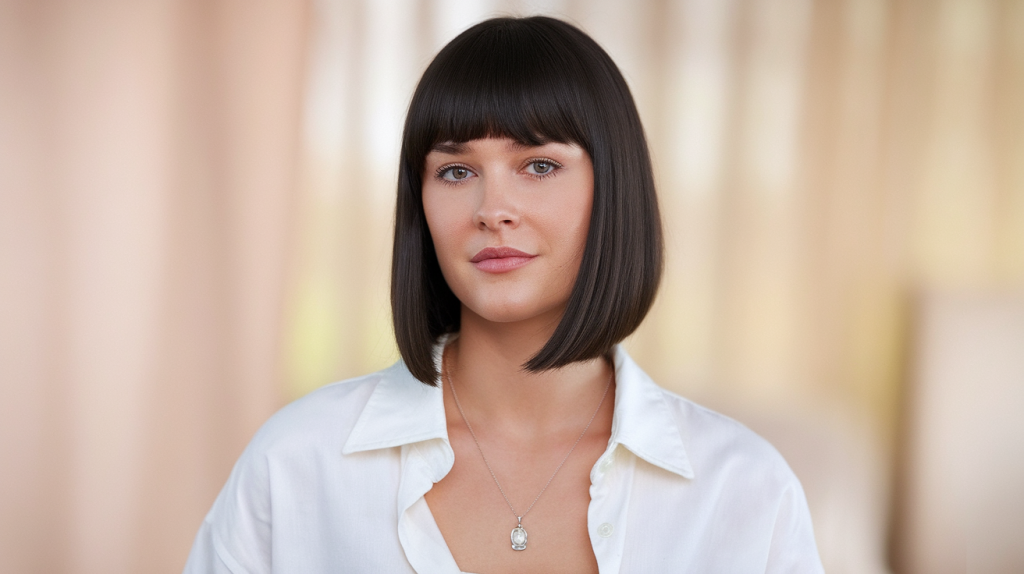
A straight bob distinguishes itself through its architectural precision and geometric shape. Unlike layered cuts that rely on texture and movement, this style celebrates the beauty of clean, sharp lines that create a powerful visual impact. The structured nature of the cut means every strand has its place, resulting in a polished appearance that looks intentional rather than accidental.
The Clean Lines and Structure
The hallmark of any great straight bob lies in its precise cutting technique. Master stylists use specialized shears and cutting methods to achieve those perfectly horizontal or angled lines that define the style. The back section typically sits at a specific point on the neck, while the front pieces frame the face at carefully calculated angles.
Professional execution makes all the difference between a mediocre cut and one that turns heads. The stylist must consider your natural hair growth patterns, the direction your hair falls, and any cowlicks that might affect the final shape. This attention to detail results in a cut that maintains its shape between salon visits.
When properly executed, the geometric nature of this haircut creates an optical illusion that can elongate the neck and define the jawline. The straight edges act like a frame around your face, drawing attention to your best features while providing structure that many other cuts lack.
Versatility for Different Face Shapes
Contrary to popular belief, straight bobs work wonderfully across various face shapes when customized correctly. Round faces benefit from versions that hit just below the chin, creating the illusion of length. Square faces look stunning with slightly longer versions that soften angular jawlines. Heart-shaped faces shine with chin-length cuts that balance wider foreheads.
The key lies in adjusting the length and angle to complement your unique features. A skilled stylist will assess your face shape, neck length, and shoulder width to determine the most flattering variation. Small adjustments in length – even just half an inch – can dramatically change how the cut interacts with your facial structure.
Maintenance and Styling Ease
One of the most appealing aspects of this haircut involves its relatively straightforward maintenance routine. Unlike heavily layered styles that require extensive styling to look their best, a well-cut straight bob often looks fantastic with minimal effort. Many women find they can simply blow-dry their hair straight and go, saving precious time during morning routines.
The frequency of trims depends on how quickly your hair grows and how particular you are about maintaining the exact shape. Most women find that scheduling appointments every 6-8 weeks keeps the cut looking fresh and the edges crisp. Between salon visits, regular conditioning treatments help maintain the sleek appearance that makes this style so attractive.
Professional Yet Modern Appeal
This haircut strikes the perfect balance between professional polish and contemporary style. In corporate settings, it projects competence and attention to detail. The neat appearance suggests someone who values precision and organization, qualities often appreciated in professional environments.
Yet this same cut translates beautifully to casual settings. Tuck one side behind your ear for a relaxed weekend look, or add some texture spray for an undone finish that feels current and approachable. The adaptability from formal to casual makes it an excellent choice for women who need their hair to work across multiple aspects of their lives.
The straight bob also photographs exceptionally well, thanks to its defined shape and reflective surface. Whether you’re updating your professional headshot or taking selfies with friends, this cut provides a consistently photogenic foundation that looks polished from every angle.
The Classic Chin-Length Straight Bob

The chin-length variation represents the quintessential straight bob that most people envision when they hear the term. This length hits at the perfect sweet spot – long enough to feel feminine and versatile, yet short enough to feel fresh and manageable. The precision required to achieve this look demands skill, but the results justify the investment in a quality cut.
Perfect Proportions for Most Faces
Chin-length cuts create ideal proportions for the majority of face shapes. The length draws an invisible horizontal line across the lower third of the face, which can help balance features that might otherwise appear too long or too short. This optical effect works particularly well for women with oval or oblong faces who want to add width to their appearance.
The way hair falls at chin level naturally creates a framing effect around the jaw and lower face. This positioning highlights the lips and can make the neck appear longer and more elegant. Many women discover that this length makes them look younger, as it lifts visual weight away from the lower face.
Determining the exact point where the hair should hit requires careful consideration. Some women look best with the cut ending precisely at the chin’s lowest point, while others benefit from going slightly above or below. Your stylist should evaluate your profile from multiple angles to find the most flattering endpoint.
The beauty of this length also lies in its ability to work with various hair densities. Fine hair gains the appearance of fullness when cut to this length, as the weight reduction allows for more body and movement. Thick hair becomes more manageable at this length, losing excess bulk while maintaining a substantial feel.
Styling Techniques for Sleek Finish
Achieving that glass-like smoothness synonymous with straight bobs requires specific techniques and tools. Start with freshly washed hair and apply a heat protectant from mid-length to ends. The product you choose should provide slip without weighing down your hair or leaving residue.
The blow-drying process forms the foundation of your style:
Sectioning Method: Divide hair into horizontal sections starting from the nape.
Tension Control: Keep consistent tension while pulling hair taut with a round brush.
Directional Drying: Always point the dryer nozzle down the hair shaft.
Cool Shot Finish: Lock in smoothness with cool air after each section.
Flat ironing adds the final polish, but the technique matters more than the temperature. Work with thin sections and move the iron smoothly from root to tip without pausing. One pass should suffice if your blow-dry technique was thorough. Multiple passes can create damage and actually reduce shine over time.
Best Hair Types for This Length
While chin-length bobs can work for various hair types, certain textures achieve the look more easily. Naturally straight to slightly wavy hair responds best to this cut, requiring minimal effort to maintain the sleek appearance. The natural fall of these hair types supports the geometric shape without fighting against it.
Women with curly or highly textured hair can absolutely rock this style, but should understand the commitment involved. Regular keratin treatments or consistent heat styling might be necessary to maintain the straight aesthetic. Some choose to work with their natural texture instead, creating a curly bob that maintains the length while celebrating their hair’s natural movement.
Fine hair often thrives at this length. The removal of excess length prevents the hair from being pulled down by its own weight, allowing for more volume at the roots. Adding subtle highlights can create additional dimension that makes fine hair appear fuller and more substantial.
How to Maintain the Sharp Edges
Preserving those crisp edges between salon visits requires intentional care. Sleeping on silk or satin pillowcases reduces friction that can create frizz and disturb the hair’s smooth surface. These materials also help maintain moisture levels, keeping hair healthier overall.
Regular deep conditioning treatments keep hair smooth and manageable. Focus these treatments on the mid-lengths and ends, where hair tends to be driest. Once weekly applications usually suffice, though very dry or damaged hair might benefit from twice-weekly treatments.
When washing your hair, avoid aggressive towel drying that can rough up the cuticle. Instead, gently squeeze out excess water and wrap hair in a microfiber towel. This gentler approach preserves the smooth texture you’ve worked to achieve.
Touch-up styling between washes helps extend your style. A quick pass with a flat iron on problem areas can refresh your look without complete restyling. Dry shampoo at the roots absorbs oil without disturbing the sleek finish of your lengths and ends.
The Blunt Straight Bob for Bold Impact
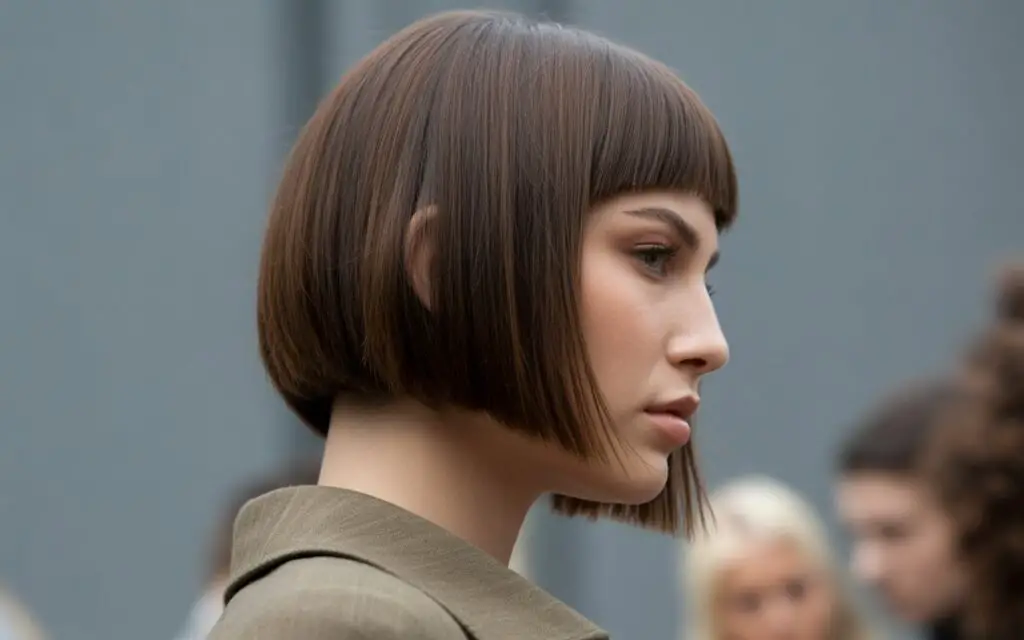
A blunt straight bob makes an undeniable statement through its uncompromising precision and dramatic silhouette. This version eliminates all graduation and layering, creating a solid, weighty line that commands attention. The boldness of this cut requires confidence to wear but rewards the wearer with a strikingly modern appearance that never fails to impress.
Creating Dramatic Statements with Precision Cuts
The power of a blunt cut comes from its absolute uniformity. Every hair sits at exactly the same length, creating a dense, solid edge that appears almost architectural in its precision. This uniformity produces a visual weight that feels substantial and intentional, making it impossible to ignore.
Achieving this level of precision demands exceptional skill from your stylist. The cutting technique involves working with the hair in its natural fall, ensuring that the line remains perfectly horizontal when the head is held in a neutral position. Even the slightest deviation becomes immediately apparent in such an unforgiving cut.
The impact of this style often depends on the chosen length. A blunt cut that sits at the jawline creates a strong, geometric frame around the face. Moving the length to shoulder level softens the effect slightly while maintaining the dramatic edge. Some women opt for a micro bob, where the blunt edge sits at ear level for maximum impact.
The thickness of the blunt edge can be customized through various cutting techniques. Some stylists create a super-blunt finish where every hair is cut at exactly the same point. Others might use a technique called point cutting to very slightly soften the edge while maintaining the overall blunt appearance. These subtle variations allow for personalization within the style.
Color plays a crucial role in emphasizing the drama of this cut. Solid, saturated colors showcase the density and uniformity of the edge. Black hair creates the most striking effect, as the monochromatic color enhances the graphic nature of the cut. Platinum blonde offers a different but equally powerful impact.
Who Should Consider This Style
This haircut suits women who appreciate minimalist aesthetics and aren’t afraid to stand out. The uncompromising nature of the cut reflects a personality that values clarity and directness. Women in creative fields often gravitate toward this style as it communicates artistic sensibility and attention to detail.
Face shape becomes particularly important with blunt cuts. Oval faces handle this style beautifully, as the strong horizontal line doesn’t compete with naturally balanced proportions. Long faces should approach this cut carefully, as the horizontal emphasis might create unflattering proportions unless the length is carefully calibrated.
Your lifestyle should align with the maintenance requirements of this precise style. The blunt edge shows growth more obviously than graduated cuts, meaning more frequent salon visits. If you’re someone who goes months between haircuts, this might not be your ideal choice.
Hair density significantly affects how this cut appears. Medium to thick hair creates the most impactful blunt edge, as there’s enough hair to form a substantial line. Very fine hair might appear too wispy at the edges, though strategic coloring and styling products can help create the illusion of density.
Texture Considerations
The natural texture of your hair profoundly influences how a blunt bob will look and behave. Perfectly straight hair showcases the precision of the cut most dramatically, requiring minimal styling to maintain the sharp edge. The natural fall of straight hair supports the geometric shape without any tendency to flip or curl.
Wavy hair presents both challenges and opportunities. The natural movement can soften the severity of the blunt edge, creating an interesting tension between structure and flow. However, achieving a truly straight, blunt look requires commitment to heat styling or chemical straightening treatments.
Women with coily or kinky hair can create stunning blunt bobs, though the approach differs significantly. The cut might be executed on straightened hair to achieve precision, then worn in its natural texture for a completely different but equally striking effect. The density of textured hair creates an incredibly powerful blunt edge when straightened.
Managing texture inconsistencies becomes crucial with this cut. Any areas where hair tends to wave or flip will be immediately noticeable against the otherwise uniform edge. Regular use of smoothing treatments, whether professional or at-home, helps maintain consistency throughout the style.
Color Combinations That Enhance the Cut
Strategic color placement can amplify the impact of a blunt bob or add dimension to prevent it from appearing too heavy. Monochromatic color creates the most graphic effect, turning the hair into a solid geometric shape that reads almost like sculpture.
Subtle highlighting techniques can add movement without compromising the blunt edge. Balayage placed strategically through the interior of the hair creates depth while maintaining the solid appearance of the perimeter. This technique works particularly well for women who find solid color too severe.
Bold color choices complement the dramatic nature of this cut. Deep burgundy, rich chocolate, or inky blue-black create striking effects. Fashion colors like pink, purple, or blue can transform the cut into a true artistic statement. The solid edge provides the perfect canvas for experimental color.
Two-tone effects offer another dimension to explore. A darker base with lighter ends creates a dip-dye effect that emphasizes the blunt edge. Alternatively, lighter pieces around the face can soften the overall effect while maintaining the structural integrity of the cut.
For those seeking subtlety, tonal variations within the same color family add richness without obvious contrast. Multiple shades of brown or blonde woven throughout create movement and prevent the solid shape from appearing flat or one-dimensional.
The Graduated Straight Bob for Added Movement
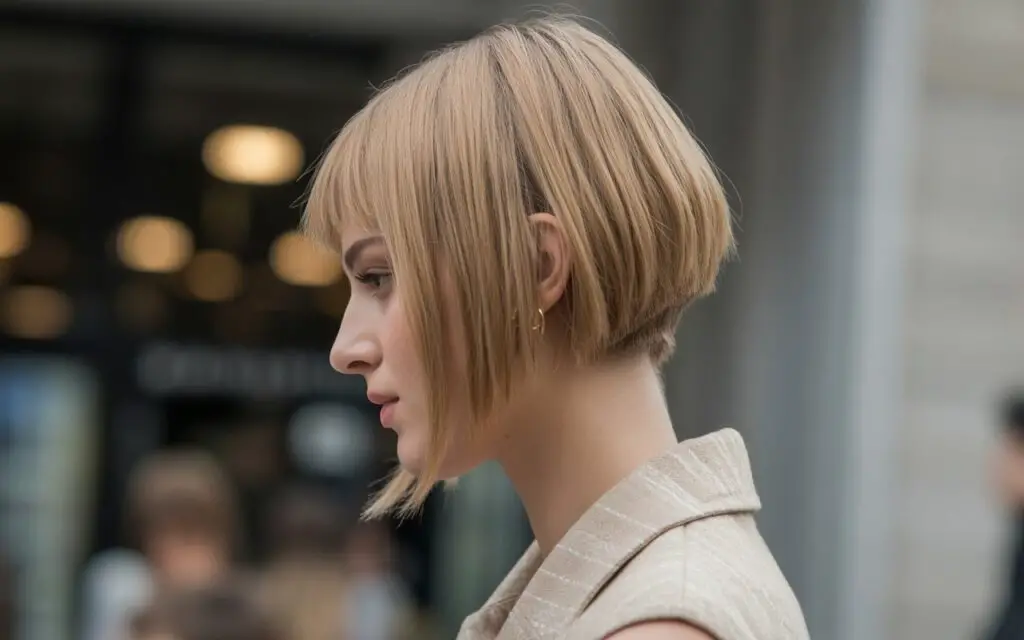
The graduated straight bob introduces subtle angles and layers while maintaining the sleek essence of the classic style. This variation offers more dynamism than a traditional blunt cut, with shorter lengths at the back gradually increasing toward the front. The result is a shape that moves beautifully while still projecting polish and sophistication.
Understanding Angle Variations
Graduation in a bob refers to the angle at which the hair lengthens from back to front. A slight graduation might involve just a few inches of difference, while dramatic graduation can create a sharp angle from nape to chin. The degree of graduation fundamentally changes the character of the cut.
Subtle graduation, where the back is perhaps an inch shorter than the front, maintains a relatively uniform appearance while adding gentle movement. This minimal angle works well for women wanting to dip their toes into graduated styles without committing to a dramatic shape. The effect is sophisticated and understated.
Medium graduation creates a more noticeable angle that adds visual interest without appearing extreme. This level typically involves a 2-3 inch difference between back and front lengths. The shape naturally encourages the hair to curve under slightly, creating a soft, feminine silhouette.
Steep graduation produces a dramatic angle that can be quite striking. The back might sit at the nape while the front reaches the collarbone. This extreme variation suits women who want to make a statement while maintaining the polish of a straight bob.
Back-to-Front Graduation Benefits
The graduated shape offers several practical advantages beyond its aesthetic appeal. The shorter back section removes weight from the nape area, which can feel cooler and more comfortable, especially during warmer months. This weight removal also allows the back section to maintain volume rather than lying flat against the head.
The longer front pieces provide versatility in styling. You can tuck them behind your ears for a casual look or leave them forward to frame your face. This flexibility makes the graduated bob more adaptable to different occasions than its blunt counterpart.
Graduation naturally creates the illusion of movement even in straight hair. The varying lengths catch light differently, creating dimension that prevents the style from appearing flat or lifeless. This built-in dynamism means less reliance on styling products to create interest.
For women with thick hair, graduation removes bulk strategically. The shorter back sections thin out the densest area of hair growth, while maintaining length in front preserves the face-framing benefits of longer hair. This selective weight removal makes thick hair more manageable without sacrificing style.
The angled shape also provides benefits for different body proportions. The diagonal line created by graduation can elongate the neck and create a slimming effect. The way the longer front pieces fall can also minimize the appearance of a wider jaw or fuller cheeks.
Styling Options for Different Occasions
A graduated bob transforms easily from professional to casual with simple styling changes. For office settings, blow-dry the hair smooth and straight, emphasizing the precise angles of the cut. A small round brush helps turn the ends under slightly, creating a polished finish.
Weekend styling might involve adding texture for a more relaxed appearance. Apply a sea salt spray to damp hair and scrunch gently, then either air dry or diffuse. This technique creates piece-y separation that emphasizes the graduation while feeling effortless.
Evening events call for more glamorous styling. Create sleek, pin-straight locks with a flat iron, then add shine serum for a glossy finish. Alternatively, use hot rollers on the longer front sections to create soft waves that contrast beautifully with the shorter, straight back sections.
Quick morning routines benefit from the graduated shape’s natural tendency to fall into place. Often, a quick blow-dry with your head flipped upside down creates enough volume and movement. The graduation ensures the hair doesn’t fall completely flat, even with minimal styling effort.
Consider these versatile styling approaches:
Textured Finish: Apply mousse to damp hair and blow-dry with a diffuser for enhanced natural movement.
Sleek and Straight: Use a paddle brush while blow-drying for maximum smoothness.
Soft Waves: Wrap sections around a 1-inch curling iron, leaving ends straight.
Tousled Look: Twist small sections while blow-drying for piece-y separation.
Customizing for Your Face Shape
The beauty of graduated bobs lies in their adaptability to various face shapes through careful customization. The angle of graduation, the overall length, and the finishing techniques can all be adjusted to flatter individual features.
Round faces benefit from graduation that creates vertical lines. Keeping the front pieces longer and relatively straight helps elongate the face. The shorter back prevents width at the cheeks level, while the longer front draws the eye downward.
Square faces look stunning with graduation that softens angular features. Slight waves or bends in the longer sections help counteract a strong jawline. The diagonal line created by the graduation also helps break up the square shape.
Heart-shaped faces work well with graduation that adds width at the jaw level. The longer front pieces should hit right at the chin or slightly below to create balance with a wider forehead. Soft graduation prevents the style from appearing too top-heavy.
Oval faces can handle virtually any graduation angle, making them ideal candidates for this style. The key is choosing a variation that aligns with personal style preferences rather than corrective needs. Dramatic or subtle graduation both work beautifully.
Long faces should approach steep graduation carefully. The strong diagonal line might further elongate the face unless balanced with appropriate styling. Adding volume at the sides through styling techniques helps create width that balances length.
The Asymmetrical Straight Bob for Modern Edge
An asymmetrical straight bob pushes creative boundaries by deliberately abandoning symmetry for artistic effect. One side remains notably longer than the other, creating visual tension that feels fresh and contemporary. This daring variation suits women who view their hair as an extension of their personal style and aren’t afraid to challenge conventional beauty standards.
Playing with Uneven Lengths
The asymmetrical approach opens endless possibilities for customization. Some women prefer subtle asymmetry where one side is just slightly longer, creating intrigue without overwhelming their features. Others choose dramatic differences where one side might be chin-length while the other barely covers the ear.
Creating successful asymmetry requires understanding how the imbalance will affect your overall appearance. The longer side naturally draws more attention, so stylists often position it to highlight your better profile or stronger features. The shorter side can help minimize areas you’d prefer to downplay.
The transition between lengths determines the overall effect. A gradual blend creates a softer appearance that feels more wearable for everyday situations. An abrupt change between sides makes a bolder statement that works well for women in creative industries or those expressing strong personal style.
The parting position becomes crucial with asymmetrical cuts. A deep side part emphasizes the drama by showing the contrast between lengths. A center part might work for subtle asymmetry but can look unbalanced with dramatic length differences. Your stylist should help determine the most flattering part placement.
Balancing Facial Features
Asymmetrical bobs offer unique opportunities to enhance or balance facial features through strategic length placement. The longer side can help minimize a prominent feature on the opposite side of the face. Conversely, the shorter side can reveal and highlight features you want to showcase.
Women with asymmetrical facial features often find this cut helps create visual balance. If one eye sits slightly higher or one side of the jaw appears fuller, the asymmetrical cut can counteract these natural variations. The key lies in working with your features rather than against them.
The angle of the asymmetry affects how it interacts with your face shape. A diagonal line from short to long can create lift and movement that prevents the style from feeling heavy. The specific angle should complement your bone structure and natural hair fall.
Neck length and shoulder positioning also influence how asymmetrical cuts appear. A longer neck can handle more dramatic differences between sides, while shorter necks might benefit from subtler variations. The way you naturally hold your head and shoulders affects how the asymmetry reads to others.
Maintenance Requirements
Asymmetrical cuts demand more frequent maintenance than traditional bobs because growth becomes immediately noticeable. The deliberate imbalance means even slight growth can throw off the carefully calculated proportions. Most women find they need trims every 4-5 weeks to maintain the intended shape.
Styling consistency becomes important with this cut. The asymmetry should appear intentional rather than accidental, which means maintaining smooth, straight texture on both sides. Any variation in texture or styling between sides can make the cut look unkempt rather than edgy.
Daily styling might take slightly longer as you perfect the balance between sides. The shorter side often requires different techniques than the longer side to achieve uniform smoothness. Some women find they need different products or tools for each side.
Home maintenance between salon visits requires attention to detail. The longer side might need more frequent conditioning to prevent damage at the ends. The shorter side might require different products to prevent it from sticking out or appearing too voluminous compared to the longer, heavier side.
Styling Versatility
Despite its specific shape, an asymmetrical bob offers surprising versatility. The longer side can be styled behind the ear for a completely different look that temporarily minimizes the asymmetry. This quick change makes the style more conservative for professional settings.
Playing with texture adds another dimension to asymmetrical cuts. Adding waves to just the longer side emphasizes the contrast while creating movement. Keeping both sides poker-straight creates a more graphic, architectural effect that feels very modern.
Accessories work particularly well with asymmetrical cuts. A decorative clip or pin on the shorter side adds interest without overwhelming the overall shape. Headbands can temporarily create the illusion of symmetry when desired.
Evening styling might involve creating contrast between textures. Straighten the shorter side while adding loose curls to the longer section. This textural difference amplifies the asymmetry while feeling special-occasion appropriate.
Color placement can either enhance or minimize the asymmetrical effect. Highlighting the longer side draws attention to the length difference. Keeping color uniform helps the cut feel more subtle and wearable for conservative environments.
Your Perfect Straight Bob Awaits
Finding your ideal straight bob involves considering multiple factors beyond simple aesthetic preference. Your lifestyle, maintenance commitment, and personal style all play crucial roles in determining which variation will work best for you. The beauty of this classic cut lies in its adaptability – whether you choose a precise blunt edge, subtle graduation, or daring asymmetry, there’s a version that will complement your features while expressing your personality.
The journey to your perfect straight bob starts with an honest conversation with a skilled stylist who understands both the technical requirements of these precision cuts and how to adapt them to individual needs. Don’t hesitate to bring reference photos and discuss your daily styling routine, as these details help create a cut that works with your life rather than against it. A truly successful bob is one that makes you feel confident and polished every day, not just when you leave the salon.
Frequently Asked Questions
Q: How often should I trim my straight bob to maintain its shape?
A: Most straight bobs require trimming every 6-8 weeks to maintain their precise shape. Blunt and asymmetrical styles might need attention every 4-5 weeks since growth is more noticeable with these cuts.
Q: Can I achieve a straight bob if I have naturally curly hair?
A: Yes, you can achieve this look with curly hair, but it requires commitment to regular heat styling or chemical straightening treatments. Some women prefer to work with their natural texture and create a curly bob instead.
Q: What face shapes work best with straight bob haircuts?
A: Straight bobs can be adapted for virtually any face shape. The key is customizing the length and angle. Oval faces suit most variations, while round faces benefit from longer lengths, and square faces look great with softer, graduated versions.
Q: Which styling tools are essential for maintaining a sleek straight bob?
A: A quality blow dryer with a nozzle attachment, a flat iron, and a paddle or round brush are the basic tools. Heat protectant spray and smoothing serum are also crucial for achieving that glossy finish.
Q: Will a straight bob make thin hair look thinner?
A: Actually, straight bobs often make thin hair appear fuller. The removal of length eliminates weight that pulls hair down, allowing for more volume at the roots. Blunt cuts create the illusion of density at the ends.
Q: How do I prevent my straight bob from flipping out at the ends?
A: Use a round brush while blow-drying to direct the ends under. Apply a small amount of smoothing cream to the ends while they’re still damp. Regular trims also prevent damaged ends from flipping outward.
Q: Can I transition from long hair to a bob gradually?
A: Absolutely. Start with a longer bob at shoulder length, then gradually go shorter with each trim until you reach your desired length. This approach helps you adjust psychologically and determine your ideal length.
Q: What’s the difference between a graduated bob and an A-line bob?
A: These terms are often used interchangeably. Both feature shorter backs and longer fronts. A-line typically refers to a more dramatic angle, while graduated can describe any degree of length variation from back to front.

