

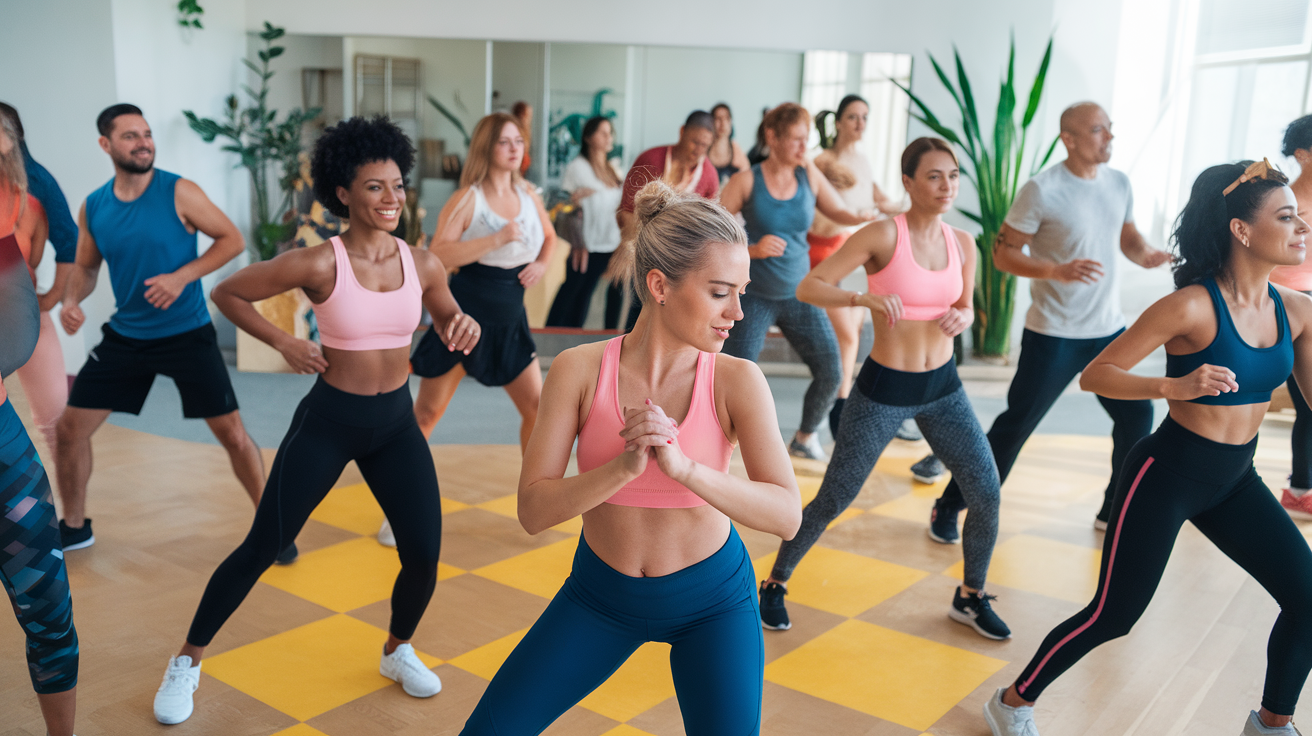
Finding a fitness routine that actually makes you want to show up can feel like searching for a unicorn. Most women know the struggle of forcing themselves through another boring treadmill session or counting down the minutes until that spin class finally ends. But there’s something different happening in Zumba studios across the country – people are actually smiling, laughing, and genuinely enjoying their workouts.
Group fitness has transformed over the years, moving beyond rigid aerobics classes into something more dynamic and social. Zumba particularly stands out because it combines the accountability of group exercise with the pure joy of dancing to infectious Latin and international music. The energy in these rooms feels electric, with participants feeding off each other’s enthusiasm while burning serious calories without even realizing they’re exercising.
The following sections reveal why Zumba group workouts have become the go-to choice for women who want fitness to feel like fun rather than punishment. From the instant party atmosphere to the genuine friendships formed on the dance floor, these classes offer something traditional workouts simply can’t match. Get ready to discover why your next workout might just become the highlight of your week.
Why Zumba Creates an Instant Party Atmosphere
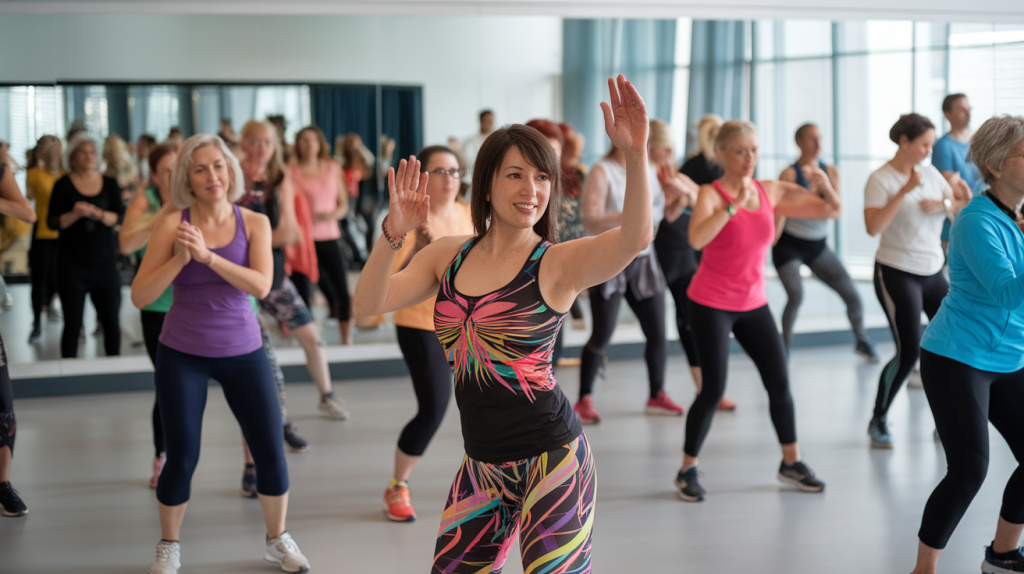
Walking into a Zumba class feels nothing like entering a typical gym environment. The lights might be dimmed, colorful decorations often line the walls, and the music pumps through speakers at a volume that immediately gets your heart rate climbing. This atmosphere transforms exercise from obligation into celebration, making you forget you’re there to work out.
Music that moves you
The playlist alone sets Zumba apart from other fitness classes. Rather than generic gym beats or the mechanical counting of reps, you’re moving to salsa, merengue, reggaeton, and pop hits that make your body want to move naturally. These songs aren’t just background noise – they’re the main event, carefully selected to create peaks and valleys of intensity throughout the class.
Your instructor becomes more DJ than drill sergeant, seamlessly transitioning between songs that build energy and those that allow brief recovery. The variety keeps your mind engaged while your body follows along almost automatically. One minute you’re channeling your inner salsa dancer, the next you’re bouncing to African beats or shimmying to Bollywood rhythms.
Social energy and connection
The collective energy in a Zumba room creates something special that solo workouts can’t replicate. When twenty or thirty people move together to the same beat, a kind of synchronicity develops that feels almost magical. You catch someone’s eye across the room and share a smile, or accidentally bump into your neighbor and laugh it off together.
This shared experience breaks down the usual gym barriers. Nobody’s judging your form or counting your reps. Instead, everyone’s too busy having their own dance party to worry about what anyone else looks like. The woman next to you might be a CEO, a stay-at-home mom, or a college student, but for this hour, you’re all just dancers letting loose together.
No judgment zone
Traditional fitness environments often feel intimidating, especially when you’re surrounded by perfect form and athletic bodies. Zumba flips this script entirely. There’s no “wrong” way to do the moves as long as you’re moving and having fun. Your instructor might be doing one thing, but if your body wants to add an extra hip shake or arm flourish, that’s celebrated rather than corrected.
Infectious enthusiasm
The energy in these classes spreads like wildfire. Even if you arrive feeling tired or stressed, watching others let loose and enjoy themselves pulls you into the mood. Instructors often encourage whooping, clapping, and verbal encouragement, creating an atmosphere where enthusiasm is contagious. By the end of class, even the shyest participants often find themselves shouting along with the group.
How Group Energy Multiplies Your Motivation
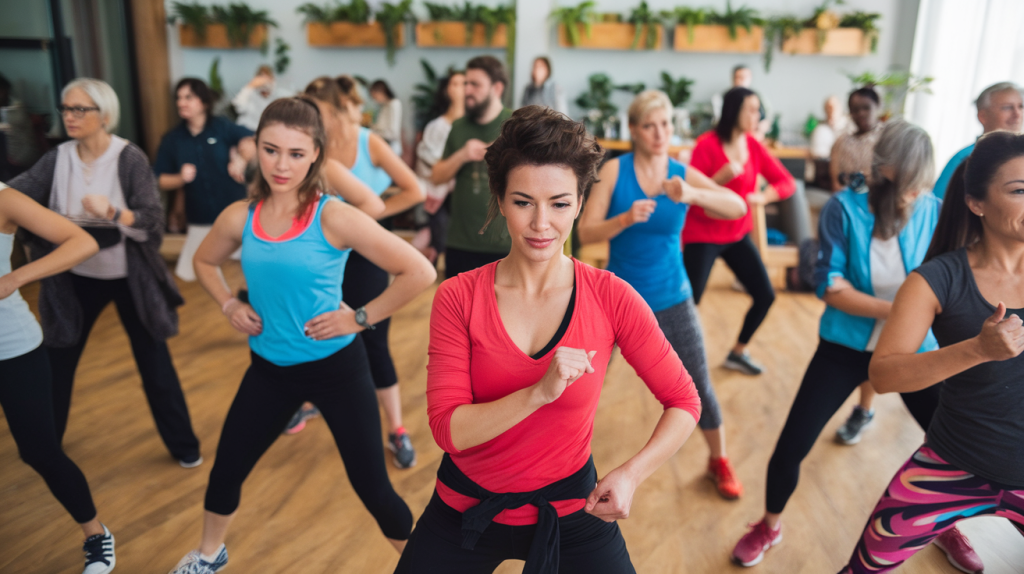
Stepping into a room full of women ready to dance changes everything about your workout mindset. The collective determination and excitement create an energy field that pulls you forward, even on days when your couch seems more appealing than cardio.
Accountability partners everywhere
Missing a Zumba class means more than skipping a workout – it means missing time with your dance crew. Regular attendees notice when someone’s absent, and that gentle peer pressure keeps you coming back. You develop unspoken commitments to the women who always stand in the same spots, creating a web of accountability that personal training sessions or home workouts can’t match.
The group dynamic pushes you through moments when you’d normally quit. During that challenging song in minute forty, when your legs scream for mercy, glancing around at others still going strong gives you that extra boost. Nobody wants to be the person who stops dancing while everyone else keeps moving. This silent motivation happens without anyone saying a word or casting judgment.
Collective momentum
Group workouts generate a physical and emotional momentum that carries everyone forward. The synchronized movement of multiple bodies creates a rhythm that becomes easier to maintain than resist. Your individual effort blends into the group’s energy, making hard work feel lighter.
Think about how much easier running feels when you’re keeping pace with someone else versus pushing yourself alone. Zumba amplifies this effect because you’re not just matching pace – you’re matching movements, creating a visual and kinetic harmony that propels everyone forward. The group becomes a single organism moving to the beat.
Friendly competition
While Zumba isn’t about perfection, a little friendly competition naturally emerges. You might find yourself trying to match the energy of the enthusiastic woman in the front row or attempting that tricky footwork the person beside you nailed. This competition stays playful rather than pressure-filled, pushing you to try harder without the stress of formal competition.
Women often challenge themselves by switching positions in class, moving from the safety of the back row toward the front as confidence grows. Watching others master moves you’re struggling with motivates you to keep practicing. Someone’s amazing hip action or perfectly timed spin becomes inspiration rather than intimidation.
Support system built-in
The beauty of group Zumba lies in its built-in support network. When you stumble over a step sequence, others smile sympathetically because they’ve been there too. First-timers receive encouraging nods and welcoming gestures from veterans who remember their own initial awkwardness.
Consider how this support manifests in practical ways:
Non-verbal encouragement: Quick thumbs up between songs or supportive glances during tough segments
Shared struggles: Eye rolls and laughter when everyone messes up the same complicated combo
Collective celebration: Group cheers when the class nails a particularly challenging routine
Mutual assistance: More experienced dancers subtly positioning themselves where newcomers can follow along
This support extends beyond just learning dance moves. Women share water bottles when someone forgets theirs, save spots for latecomers, and offer rides home after class. The workout becomes secondary to the community that forms around it.
What Makes Zumba Workouts Feel Less Like Exercise
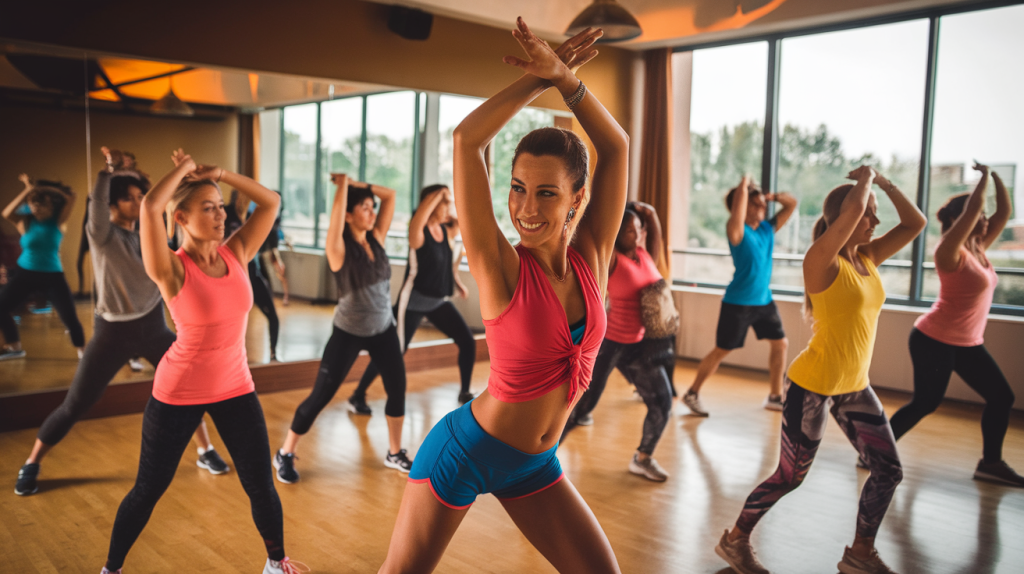
Most women dread the word “exercise” because it conjures images of repetitive movements, watching the clock, and pushing through discomfort. Zumba completely rewrites this narrative by disguising an intense cardio workout as a dance party where burning calories becomes an enjoyable side effect rather than the main focus.
Dance disguises the workout
Your brain processes dancing differently than traditional exercise. While running on a treadmill constantly reminds you that you’re exercising, Zumba tricks your mind into thinking you’re just having fun. The focus shifts from “I need to burn 500 calories” to “I love this song and want to nail this move.”
This mental shift makes an enormous difference in how your body responds. Research shows that when we enjoy an activity, we perceive less exertion even when working at the same intensity. A Zumba class might torch as many calories as an hour of jogging, but your brain registers it as play rather than work.
The variety of movements also prevents the mental fatigue that comes with repetitive exercise. Instead of counting down thirty more minutes on the elliptical, you’re wondering what song comes next. Each track brings new choreography, keeping your mind engaged and distracted from physical fatigue. Your legs might be working hard during a merengue march, but your brain is busy processing the arm movements and hip swivels that accompany it.
Time flies when dancing
Anyone who’s watched the clock during a workout knows how slowly time can crawl. Those last ten minutes on any cardio machine feel endless. But Zumba participants consistently report shock when the instructor announces the final song. An hour passes in what feels like twenty minutes because engagement replaces endurance as the primary focus.
Music naturally segments time into manageable chunks. Rather than thinking about exercising for sixty minutes, you’re just dancing through one more song – roughly three to four minutes. Before you know it, you’ve danced through fifteen to twenty songs and class is over. This psychological trick makes the workout feel less daunting and more achievable.
Mental engagement over physical strain
Traditional workouts often involve counting reps, watching your heart rate, or maintaining a specific pace. Your mind fixates on the physical discomfort and how much longer you need to endure it. Zumba flips this completely by requiring mental engagement that overshadows physical awareness.
Learning choreography occupies your brain in a way that mindless cardio never could. You’re processing visual cues from the instructor, coordinating multiple body parts, staying on beat, and remembering sequences. This cognitive load leaves little mental space to focus on burning muscles or heavy breathing. The workout becomes a mental puzzle paired with physical movement rather than pure physical exertion.
Variety keeps boredom away
Boredom kills more fitness routines than difficulty ever could. Doing the same exercises week after week drains motivation faster than any physical challenge. Zumba instructors understand this, constantly refreshing their playlists and choreography to keep classes fresh.
You might recognize favorite songs that appear regularly, but instructors often add new variations or challenge you with different moves to familiar beats. Seasonal themes, special holiday mixes, or tribute classes to specific artists add extra variety. Some instructors even take requests or let participants vote on throwback songs they want to hear again.
The global nature of Zumba music means you’re never stuck in one style. A typical class might journey through Colombian cumbia, Puerto Rican reggaeton, Brazilian samba, American pop, and Indian bhangra. This musical world tour keeps your body guessing and your mind interested. Different rhythms require different movement patterns, working various muscle groups without the monotony of targeted exercises.
Even within a single song, the choreography changes between verses, choruses, and bridges. You’re never doing the same movement for more than thirty seconds before transitioning to something new. Compare this to running, where your legs repeat the same motion thousands of times, and it’s clear why Zumba feels less like exercise and more like entertainment.
How Zumba Classes Build Real Friendships
Beyond the calories burned and endorphins released, something beautiful happens in Zumba studios – genuine connections form between women who might never have met otherwise. These relationships extend far beyond small talk before class, developing into friendships that enrich lives both inside and outside the studio.
Shared experiences bond people
There’s something about sweating, laughing, and occasionally stumbling through dance moves together that breaks down social walls faster than any mixer or networking event. The vulnerability of learning new choreography in front of others creates an immediate bond. Everyone looks a little silly sometimes, and that shared humanity connects people at a real level.
Week after week, the same faces appear in class, creating a consistency that allows relationships to develop naturally. You start recognizing not just faces but personalities – the woman who always adds extra sass to her moves, the one who laughs when she goes left while everyone else goes right, the encourager who cheers during water breaks. These repeated interactions build familiarity that gradually transforms into friendship.
Women share more than just dance space during these classes. They share moments of triumph when finally nailing difficult choreography, frustration when a new routine proves challenging, and joy when a favorite song comes on. These emotional experiences, happening simultaneously across the room, create invisible threads that connect participants in meaningful ways.
Regular meetups create community
The scheduled nature of classes provides built-in social time that busy women often struggle to create independently. Instead of trying to coordinate coffee dates or dinner plans around packed schedules, Zumba offers guaranteed friend time that also happens to benefit your health.
Many groups extend their connection beyond class hours. Post-workout smoothie runs become tradition. Birthday celebrations happen with special song requests and group photos. Some studios organize Zumba parties, outdoor classes, or charity events that strengthen bonds formed during regular sessions. Women exchange phone numbers, create group chats, and check in when someone misses multiple classes.
Breaking down social barriers
The dance floor becomes a great equalizer where professional titles, economic status, and age differences fade away. A surgeon might dance next to a cashier, a grandmother beside a college student, all moving to the same beat without the usual social hierarchies that separate people in daily life.
This mixing of different backgrounds enriches everyone involved. Women gain perspectives they might never encounter in their usual social circles. The retired teacher shares wisdom with the new mom struggling with balance. The young professional offers tech tips to help others track their fitness progress. The immigrant introduces others to music from her homeland that the instructor later incorporates into class.
Language barriers even dissolve in Zumba’s universal communication of movement and music. Women who speak different languages at home find common ground through dance, using gestures, smiles, and shared movement to connect without words. The international nature of the music celebrates this diversity rather than ignoring it.
Support beyond the studio
The relationships forged in Zumba classes often provide support during life’s challenges. When someone faces illness, job loss, or family troubles, their Zumba family rallies with practical and emotional support.
Real examples of this support network in action show its power:
Life transitions: Women going through divorces find strength in their Zumba circle who understand without judgment
Health journeys: Partners celebrating weight loss milestones or supporting each other through medical treatments
Career networking: Job opportunities shared among class members who’ve learned to trust each other’s character
Personal growth: Accountability partners for goals beyond fitness, from starting businesses to going back to school
Emergency assistance: Meal trains for new mothers, rides during car troubles, or childcare in a pinch
These friendships feel different from relationships formed in other contexts because they begin with people showing up as their authentic selves – sweaty, imperfect, and ready to have fun. There’s no professional facade or social media filter, just real women supporting each other through movement and beyond.
The multi-generational aspect of many Zumba classes adds another layer of richness. Younger women gain mentorship and perspective from older participants who’ve navigated similar life challenges. Older women find energy and connection with younger generations who keep them current and engaged. These cross-generational friendships might never develop in age-segregated social environments but flourish in the inclusive atmosphere of Zumba.
Why the Music Makes All the Difference
The heartbeat of every Zumba class isn’t the choreography or even the instructor – it’s the music that transforms a simple fitness class into an irresistible experience. The carefully curated soundtracks do more than provide a beat to follow; they create an emotional journey that makes you forget you’re exercising while your body gets an incredible workout.
Global rhythms and variety
Zumba’s musical diversity sets it apart from any other group fitness format. Within a single hour, you might travel from the beaches of Brazil to the streets of Mumbai, from Miami’s hottest clubs to traditional African celebrations. This global playlist exposes participants to rhythms and sounds they might never encounter otherwise.
Each musical style brings its own movement vocabulary and energy. Salsa demands quick feet and rotating hips. Reggaeton calls for isolations and attitude. Cumbia requires bouncing steps and swinging arms. Your body learns to respond differently to each rhythm, creating a full-body workout that never feels repetitive. The constant switching between musical genres also prevents muscle fatigue in any one area since different songs emphasize different body parts.
The international flavor adds an element of cultural education to your workout. Instructors often share tidbits about the music’s origins or what the lyrics mean, making you feel connected to something bigger than just your local gym. You’re participating in a global movement, literally and figuratively, that celebrates diversity through dance.
Emotional connection to movement
Music triggers emotional responses that plain exercise never could. A powerful ballad during cooldown might bring tears while an energetic samba makes you grin uncontrollably. These emotional connections make the experience memorable and create positive associations with working out.
Certain songs become anchored to specific memories – the track playing when you finally mastered that tricky turn, the anthem that got you through a tough day, the song that always makes your whole class erupt in cheers. These musical memories keep pulling you back to class because you’re not just chasing a physical feeling but an emotional high that specific songs deliver.
Natural rhythm response
Humans are hardwired to move to music. Babies bounce to beats before they can walk. Your foot taps unconsciously when a good song plays. Zumba harnesses this natural instinct, making movement feel inevitable rather than forced.
The right tempo can actually make exercise feel easier. Studies show that music with strong beats helps regulate movement and can reduce perceived exertion by up to fifteen percent. Your body naturally syncs to the rhythm, creating efficiency in movement that would be harder to achieve with mental counting or self-pacing.
Watch any Zumba class and you’ll notice participants moving without thinking, their bodies responding automatically to familiar songs. This unconscious movement means you’re working out without the mental strain of remembering to exercise. The music carries you through the workout like a current, requiring less willpower than self-directed exercise.
Mood elevation through music
The combination of upbeat music and movement creates a powerful mood-boosting cocktail. The songs chosen for Zumba classes aren’t random – they’re specifically selected for their ability to energize and uplift. Happy lyrics, major keys, and driving beats all contribute to an overwhelmingly positive atmosphere.
Consider how music affects your brain chemistry during class:
Dopamine release: Favorite songs trigger reward centers just like food or other pleasures
Endorphin production: Musical enjoyment amplifies exercise-induced endorphin release
Stress hormone reduction: Dancing to music lowers cortisol more than exercise alone
Oxytocin boost: Moving in sync with others to music increases this bonding hormone
Serotonin stimulation: Upbeat music combined with exercise enhances mood regulation
Many women report that bad moods evaporate within the first few songs of class. The music acts like a reset button for your emotional state, washing away work stress, family tensions, or personal worries. You can’t hold onto negativity when your body is moving to infectious Latin beats and everyone around you is smiling.
Instructors become masters at reading the room’s energy and selecting songs to match or shift the mood. They might throw in a crowd favorite when energy dips or play a new challenging track when everyone seems ready for something fresh. This responsive playlist keeps the experience dynamic and ensures the music always serves the moment.
The lyrics themselves, even in foreign languages, add another dimension. Spanish words of encouragement, Portuguese expressions of joy, or English pop anthems about empowerment all contribute to the positive messaging. Even without understanding every word, the emotional tone of vocals communicates celebration, strength, and joy. Your subconscious absorbs these positive messages while your conscious mind focuses on movement.
Your Fitness Journey Starts Here
After exploring all these dimensions of Zumba group workouts, it becomes clear why so many women have traded their traditional gym routines for dance floors filled with Latin beats and infectious energy. The combination of party atmosphere, group motivation, disguised exercise, genuine friendships, and powerful music creates an experience that transcends typical fitness programs. These classes offer something gyms and home workouts simply cannot replicate – a joyful community where fitness happens naturally as a byproduct of having an amazing time.
The next time you’re debating whether to drag yourself to another uninspiring workout, remember there’s an alternative where women show up early to catch up with friends, stay late to learn new moves, and actually look forward to exercising. Your fitness routine doesn’t have to feel like punishment or obligation. Sometimes the most effective workout is the one that doesn’t feel like work at all – it feels like the best hour of your day, surrounded by supportive women who make you laugh while you sweat. That’s the magic of Zumba group workouts, where every class feels more like a celebration than exercise.
Frequently Asked Questions
Q: Do I need dance experience to join a Zumba class?
A: No dance experience is necessary at all. Zumba classes are designed for everyone, regardless of dance background. Instructors use simple, repetitive movements that anyone can follow, and there’s no pressure to be perfect.
Q: What should I wear to my first Zumba class?
A: Wear comfortable workout clothes that allow free movement and supportive athletic shoes with good lateral support. Avoid running shoes with heavy treads that might grip the floor too much during turns.
Q: How many calories does a typical Zumba class burn?
A: Most women burn between 400-600 calories in a one-hour Zumba class, though this varies based on intensity level, body weight, and how much effort you put into the movements.
Q: Will I be able to keep up if I’m not in good shape?
A: Absolutely. Zumba allows you to work at your own pace and modify movements as needed. Many instructors show different intensity levels, and you can always march in place during challenging segments while building stamina.
Q: How often should I attend Zumba classes to see results?
A: Attending 2-3 classes per week typically produces noticeable improvements in cardiovascular fitness and mood within a few weeks. Combined with healthy eating habits, many women see physical changes within 4-6 weeks.
Q: What if I can’t follow the choreography?
A: Don’t worry about perfect choreography. The main goal is to keep moving and have fun. Most moves repeat throughout class, so you’ll naturally improve with each song. Focus on moving to the music rather than perfection.
Q: Are Zumba classes suitable for older women or those with joint issues?
A: Many studios offer Zumba Gold classes specifically designed for older adults or those needing lower impact options. Regular Zumba can also be modified by keeping movements smaller and avoiding jumps.
Q: What makes Zumba different from other dance fitness classes?
A: Zumba’s unique combination of international music, party atmosphere, and fitness focus sets it apart. Unlike technical dance classes, there’s no emphasis on perfect form, and unlike traditional aerobics, the music and culture are central to the experience.

