


Long hair paired with bangs creates one of the most flattering combinations in hairstyling. The contrast between flowing lengths and structured fringe brings balance to facial features while adding movement and dimension. Whether you prefer subtle changes or dramatic transformations, the right bang style can completely refresh your look without sacrificing the length you’ve worked hard to grow.
Finding the perfect bang style for your long hair involves more than just picking a photo you like. Your face shape, hair texture, and lifestyle all play crucial roles in determining which style will work best. Some women worry that bangs require constant maintenance or that they’ll regret the decision, but understanding your options helps you make a confident choice that enhances your natural beauty.
Let’s walk through seven stunning bang styles that create instant face-framing magic when paired with long hair. From soft and romantic to bold and edgy, these options offer something for every preference and maintenance level. You’ll discover which styles work with your morning routine, how to style them for different occasions, and tips for keeping them looking fresh between salon visits.
What Makes Bangs Perfect for Long Hair

Long hair provides the ideal canvas for bang styles because the length creates natural weight and movement that complements the shorter fringe area. This combination allows for endless styling possibilities – you can wear your hair up, down, straight, or curled while your bangs maintain their face-framing effect. The contrast between the shorter front pieces and longer lengths adds visual interest that prevents your hairstyle from looking monotonous or flat.
Face Framing Benefits
The strategic placement of bangs draws attention to your best features while softening areas you might want to minimize. They create horizontal lines that can balance a longer face shape or add width to narrow features. For women with prominent foreheads, bangs offer coverage without requiring a complete style overhaul. The framing effect works like contouring makeup, using shadow and light to enhance your natural bone structure.
Versatility with Length
Having long hair means you can experiment with different bang styles without committing to an overall shorter cut. If you decide you don’t love your bangs, you can pin them back or blend them into layers as they grow out. The longer lengths provide weight that helps bangs lay properly, preventing that dreaded “floating” effect that can happen with shorter haircuts.
Maintenance Considerations
While bangs do require regular trimming, typically every 3-4 weeks, the maintenance becomes part of your routine rather than a burden. Many women find they can trim their own bangs between salon visits once they learn the proper technique. The key lies in choosing a style that matches your commitment level – some bangs need daily styling while others air-dry beautifully.
Your hair texture plays a significant role in maintenance requirements. Straight hair typically requires less daily styling for bangs, while curly or wavy textures might need heat styling or product application. Consider your morning schedule when selecting a style.
Styling Flexibility
Bangs don’t lock you into one look. You can sweep them to the side for a softer appearance, wear them straight for a polished finish, or add texture for a casual vibe. Different occasions call for different styling approaches, and having both bangs and length gives you maximum flexibility.
Hair Texture Compatibility
Almost every hair texture can work with some type of bang style. Fine hair benefits from wispy or side-swept styles that don’t require too much hair pulled forward. Thick hair can support fuller, blunt bangs that might overwhelm finer textures. Curly hair works beautifully with longer curtain styles that can be worn natural or straightened as desired. Understanding your texture helps you choose a style that enhances rather than fights against your hair’s natural tendencies.
The relationship between your bangs and the rest of your hair matters too. Layers throughout your long hair can help blend bangs seamlessly, while one-length cuts create more dramatic contrast. Your stylist can adjust the technique based on your desired outcome.
Curtain Bangs: The Soft Frame
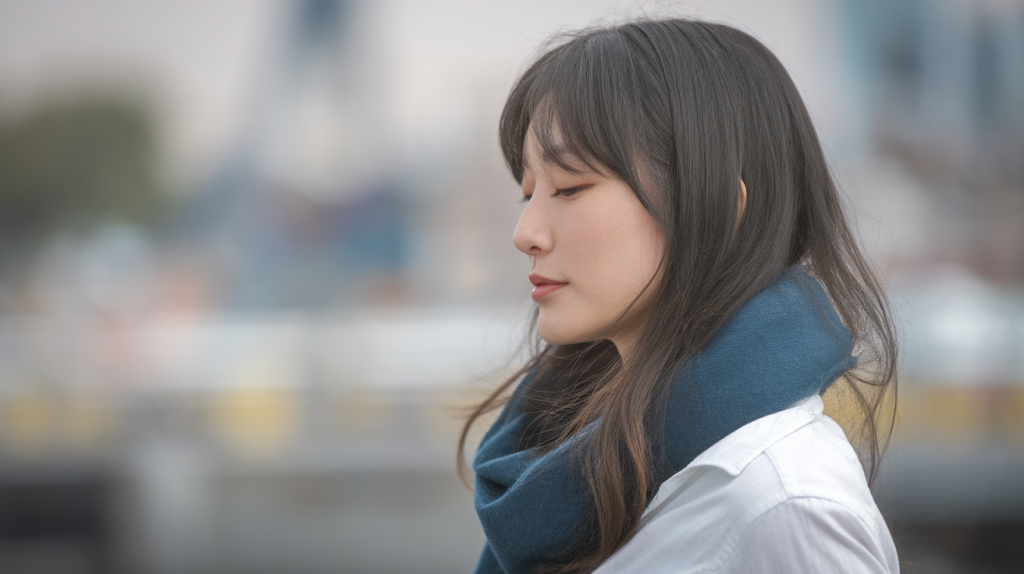
Curtain bangs have become incredibly popular for good reason – they offer the benefits of bangs without the full commitment of a straight-across fringe. These gently parted bangs sweep to each side of your face, creating a soft frame that flatters virtually every face shape. The style gets its name from the way the hair parts in the middle and falls to the sides, resembling parted curtains.
How to Achieve the Look
Creating perfect curtain bangs starts with the right cut. Your stylist will typically cut them longer at the outer edges and slightly shorter near the center part, creating a gentle arc. The shortest point usually hits somewhere between your eyebrows and nose bridge, while the sides blend seamlessly into your layers. This graduated length creates the signature sweeping effect.
The cutting technique matters as much as the length. Point cutting or slide cutting creates the soft, feathered edges that prevent curtain bangs from looking too heavy or blunt. Your stylist might also add subtle layers within the bang section itself to encourage movement and prevent the hair from clumping together.
Best Face Shapes for This Style
While curtain bangs suit most face shapes, they particularly shine on round, square, and heart-shaped faces. The diagonal lines created by the swept sides add length to round faces while softening the angles of square jaws. For heart-shaped faces, they balance a wider forehead without adding width at the temples.
Women with oval faces can wear virtually any bang style, including curtain bangs, which add romantic softness without disrupting facial harmony. Those with longer face shapes should opt for fuller curtain bangs that start wider at the part to add horizontal volume.
Daily Styling Techniques
The beauty of curtain bangs lies in their relatively low maintenance. Start with damp bangs and apply a lightweight styling cream or mousse for hold without stiffness. Using a round brush, direct the hair away from your face while blow-drying, creating that signature curve. For extra polish, you can run a flat iron through them, flipping the ends outward slightly.
Some mornings, you might find your curtain bangs have dried perfectly on their own. Other days, they might need a quick touch-up with a blow dryer or flat iron. Keep a small round brush at your desk or in your bag for quick fixes throughout the day. A light-hold hairspray can help maintain the shape without making your bangs look crispy or separated from the rest of your hair.
Length Variations
Curtain bangs offer incredible flexibility in length. Shorter versions that graze the eyebrows create a more dramatic, retro-inspired look. Medium lengths hitting at cheekbone level offer the most versatility and tend to be the most flattering on various face shapes. Longer curtain bangs that blend into face-framing layers provide the subtlest change and easiest grow-out process.
You can also adjust the density of your curtain bangs. Thicker bangs make more of a statement and work well for those with abundant hair. Lighter, wispier versions suit fine hair or anyone wanting a barely-there effect. Your stylist can customize both length and density to create your perfect version.
Transitioning from Other Bang Styles
If you currently have different bangs and want to transition to curtain style, the process is surprisingly manageable. Straight-across bangs can be grown out and gradually trained to part in the middle. Side-swept bangs already have the right movement; they just need strategic trimming to create the curtain shape. Even if you’re growing out bangs entirely, asking for a curtain bang trim can make the awkward phase more stylish and intentional-looking.
Side-Swept Bangs for Effortless Movement
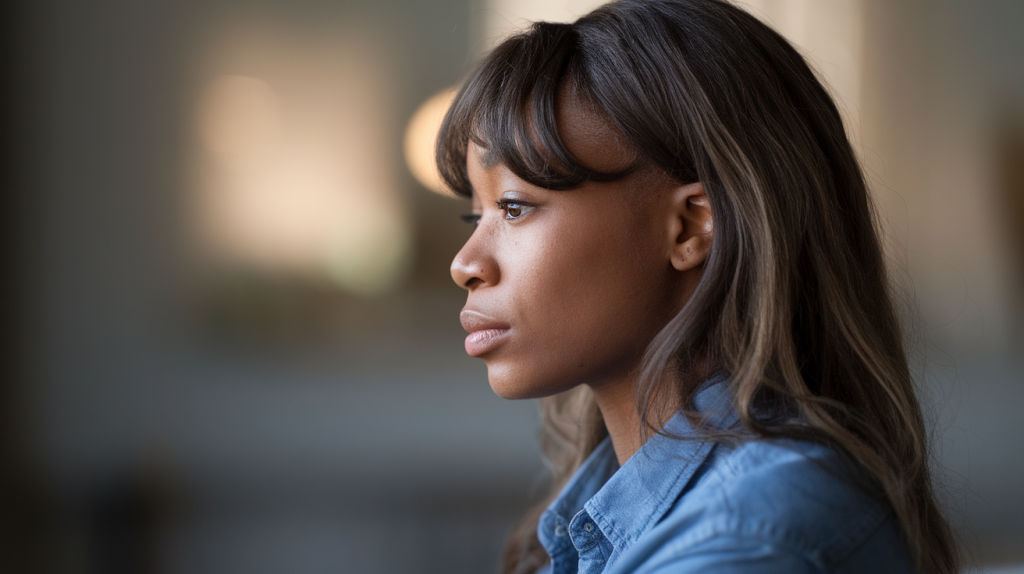
Side-swept bangs bring natural flow and movement to long hair, creating an effortlessly sophisticated look that works from the office to weekend brunch. Unlike straight-across styles, these bangs follow your hair’s natural fall pattern, making them one of the most manageable options for busy women. The diagonal line they create adds instant elegance while requiring minimal daily effort.
Creating Natural Flow
The secret to beautiful side-swept bangs starts with the cut itself. Your stylist will cut them at an angle, longer on one side than the other, allowing them to sweep naturally across your forehead. The graduation should be gradual enough to look soft but defined enough to maintain the sweeping shape.
Hair naturally wants to fall in certain directions based on your growth patterns and cowlicks. Working with these patterns rather than against them makes styling much easier. Your stylist can identify your hair’s natural tendencies and cut accordingly.
Working with Your Hair’s Natural Part
Finding where your hair naturally parts is crucial for side-swept success. Most people have a natural part that their hair prefers, usually slightly off-center. Starting your bangs from this point ensures they’ll cooperate rather than constantly trying to flip the wrong direction.
If you’ve always parted your hair on the opposite side, training it to sweep the other way takes patience but pays off in easier styling:
Wet Training: Part hair while soaking wet and secure with clips while drying
Product Assistance: Use a strong-hold gel or mousse at the roots
Overnight Methods: Sleep with bangs pinned in the desired direction
Heat Setting: Use a blow dryer on cool to set the new pattern
These techniques work best when used consistently over several weeks. Once your hair adjusts to the new pattern, daily styling becomes much simpler.
Blow-Drying Techniques
Proper blow-drying technique makes the difference between side-swept bangs that last all day and ones that fall flat by noon. Start with damp (not soaking) bangs and apply a volumizing product at the roots. Hold your blow dryer above your head, pointing downward, and use your fingers or a paddle brush to direct the hair across your forehead in the desired direction.
For extra lift and movement, blow-dry your bangs in the opposite direction first, then sweep them back to the correct side. This creates volume at the roots that prevents that flat, stuck-to-your-forehead look. A blast of cool air at the end helps set the style.
Round brushes can add a subtle bend to the ends, preventing that severe straight line that can look harsh. Choose a medium-sized brush and wrap the ends under slightly as you dry. This creates a softer finish that blends better with long layers.
Products That Enhance Movement
The right products can transform limp side-swept bangs into bouncy, moveable fringe that maintains its shape without looking stiff. Lightweight mousses and volumizing sprays work well for fine hair, while smoothing creams tame thicker textures.
Dry shampoo serves double duty for side-swept bangs – it absorbs oil that can make them look stringy while adding texture and grip that helps them hold their shape. A light dusting at the roots every other day can extend the time between washes.
For special occasions or humid days, a flexible-hold hairspray applied from underneath provides invisible support. Spray onto your fingers first, then run them through your bangs from below. This technique avoids that helmet-hair effect while maintaining your style.
Growing Out Gracefully
One major advantage of side-swept bangs? They grow out beautifully. As they get longer, they naturally blend into face-framing layers, eliminating that awkward in-between stage. Regular trims every 4-6 weeks keep them at your preferred length, but if you decide to grow them out, simply extend the time between cuts and let them gradually merge with your other layers.
During the growing process, you can experiment with different sweeping angles and partings. What starts as a dramatic sweep across your forehead can evolve into a subtle side part with longer face-framing pieces. This flexibility makes side-swept bangs an excellent choice for anyone nervous about committing to bangs long-term.
Wispy Bangs That Add Lightness
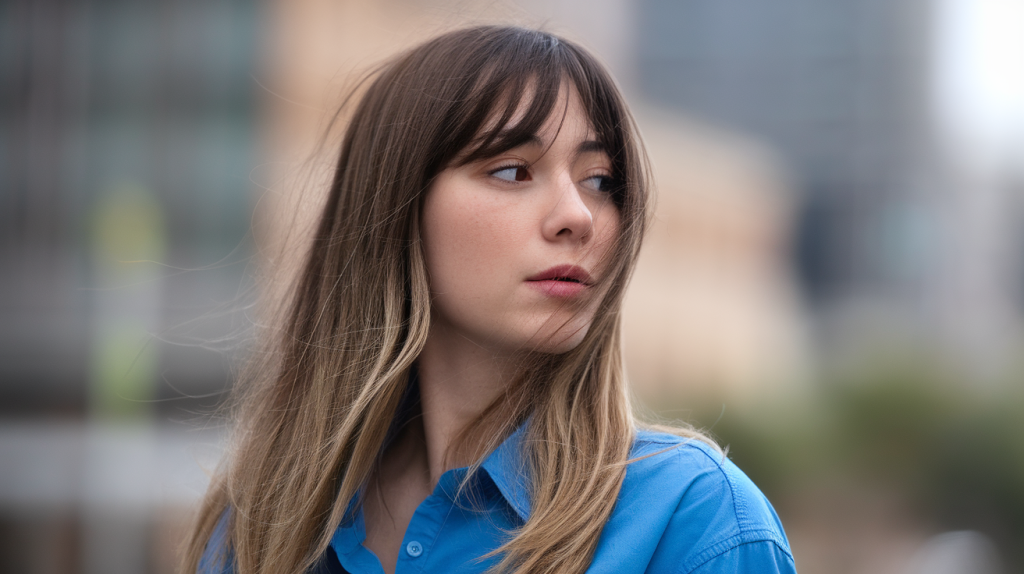
Wispy bangs bring an ethereal quality to long hair, creating movement and softness without the weight of traditional full bangs. These delicate, feathered pieces dance with every head movement, adding a romantic touch that works particularly well with flowing long locks. The key to this style lies in its intentional incompleteness – gaps and varying lengths create the signature airy effect.
The appeal of wispy bangs extends beyond their appearance. They require less hair pulled forward from your crown, making them ideal for those with finer hair who can’t spare much volume. They also offer more forehead visibility than full bangs, perfect if you’re not ready to completely cover your forehead or have concerns about breakouts.
Achieving the Feathered Effect
Creating genuinely wispy bangs requires specific cutting techniques that differ from standard bang cuts. Rather than cutting straight across, your stylist will use point cutting and slicing techniques to create irregular edges and varying lengths. Some pieces might hit at eyebrow level while others float just below, creating natural-looking gaps and movement.
The amount of hair used matters significantly. Wispy bangs typically use hair from a smaller, triangular section at the front of your head. This lighter density prevents them from looking heavy or overwhelming your features. Your stylist might also incorporate baby hairs and shorter pieces around your hairline for an even softer effect.
Texturizing plays a crucial role too. Strategic thinning removes bulk while maintaining the overall shape. However, over-thinning can make bangs look stringy rather than wispy, so finding the right balance requires skill and understanding of your specific hair texture.
Thinning Techniques
Professional thinning techniques transform regular bangs into wispy masterpieces. Thinning shears, used correctly, remove weight without creating obvious chunks or holes. The key is working vertically through small sections rather than horizontally across the entire bang area.
Slide cutting offers another approach, where the scissors glide down the hair shaft at an angle, removing weight while creating soft, tapered ends. This technique works especially well for creating the pieces that frame your face on either side.
For maintaining wispiness at home between salon visits, you can carefully twist small sections and snip into them with sharp scissors. This creates natural-looking texture without the risk of over-thinning. Always work with dry hair so you can see exactly how much you’re removing.
Best Hair Types for Wispy Styles
While wispy bangs can work for various hair types, certain textures achieve the look more easily. Straight to slightly wavy hair showcases the feathered effect best, as the individual pieces remain visible and defined. Fine to medium density hair often looks most natural in this style, as the lightness comes built-in.
Thick hair can absolutely rock wispy bangs, but achieving the right density requires more aggressive thinning and texturizing. Your stylist might need to remove significant bulk to create that airy feeling. Regular maintenance appointments every 3-4 weeks help prevent them from becoming too heavy as they grow.
Curly hair presents unique opportunities with wispy bangs. When worn natural, the curls create their own texture and movement. When straightened, they can achieve that piece-y, separated look. The versatility allows you to switch between romantic curly wisps and sleek straight pieces depending on your mood.
Maintaining the Airy Look
Daily maintenance for wispy bangs focuses on enhancing separation and movement rather than creating perfect uniformity. After washing, apply a lightweight texturizing spray or sea salt spray to damp bangs. These products add grip and definition without weight.
When blow-drying, use your fingers to separate sections as you dry, encouraging the piece-y texture. Avoid brushing them all in one direction; instead, tousle them slightly for that lived-in look. A small flat iron can define individual pieces – just grab random small sections and smooth them, leaving others natural.
Styling Without Heaviness
Product selection makes or breaks the wispy bang look. Heavy creams, oils, and serums will weigh down the delicate pieces, destroying the airy effect. Instead, opt for:
Dry Texture Spray: Adds grip and separation without moisture
Volume Powder: Creates lift at roots for fine hair
Light Hold Mousse: Provides structure without stiffness
Texturizing Paste: Defines individual pieces when warmed between fingers
Apply products sparingly, focusing on mid-lengths and ends rather than roots. You can always add more, but removing excess product requires rewashing. The goal is enhancing your hair’s natural movement, not creating a heavily styled look.
Full Fringe for Bold Definition
Full fringe bangs make a confident statement, creating a bold frame that completely transforms your look. This classic style, hitting right around eyebrow level with substantial density, brings drama and sophistication to long hair. The solid line of hair across your forehead commands attention, making your eyes the focal point while creating striking contrast with flowing lengths.
Committing to full fringe means accepting a higher maintenance routine, but many women find the dramatic impact worth the extra effort. The defined edge and substantial coverage offer a polished look that works equally well with casual ponytails or elegant updos. This style particularly shines on those who want their bangs to be a defining feature rather than a subtle accent.
Creating the Straight-Across Look
Achieving the perfect full fringe requires precision cutting and an understanding of how hair falls naturally. Your stylist will section off a substantial portion of hair from your crown, typically creating a triangular or curved section that extends from temple to temple. The depth of this section determines the thickness of your fringe.
The initial cut usually happens with hair wet and combed straight down, ensuring even length across. However, the real magic happens during the refining stage. Your stylist will check the length with hair dry, making micro-adjustments to account for any cowlicks or growth patterns that cause certain sections to spring up shorter than others.
Blunt cutting creates the solid line, but slight point cutting at the very ends can soften the edge without losing the full fringe impact. This technique prevents the bangs from looking too severe while maintaining their bold presence.
Density Considerations
The thickness of your fringe dramatically affects both the look and maintenance requirements. Fuller density creates more impact but requires diligent styling to prevent bangs from separating or looking stringy. Your natural hair density plays a role, but the size of the section taken also matters.
For those with fine hair, creating full fringe might require pulling hair from further back on the crown. This can affect your overall hair volume, so consider whether you’re comfortable with potentially less height at your crown. Adding subtle layers throughout your long hair can help balance the weight distribution.
Women with thick hair might need regular thinning appointments to prevent their fringe from becoming too heavy or helmet-like. Internal layers within the bang section can reduce bulk while maintaining the full appearance from the front. The goal is density without excessive weight.
Trimming Frequency
Full fringe demands regular trimming more than any other bang style. Even a few millimeters of growth can take them from perfectly eyebrow-skimming to eye-poking annoyance. Most women with full fringe need trims every 2-3 weeks to maintain the ideal length.
Learning to trim your own bangs between salon visits can save time and money. Invest in proper haircutting scissors and never use regular scissors, which can cause split ends. Trim only when hair is completely dry and styled as you normally wear it. Take off less than you think you need – you can always cut more, but you can’t add length back.
The technique matters as much as the tools. Cut vertically into the bangs rather than straight across, making tiny snips to remove length gradually. This prevents accidentally creating a crooked line and maintains the slightly softened edge most people prefer.
Styling for Different Occasions
Full fringe offers surprising versatility in styling options. For everyday wear, blow-dry them straight down using a paddle brush, creating a smooth, polished look. A flat iron can perfect any pieces that won’t cooperate, but avoid over-straightening, which can make them look flat and lifeless.
For evening events, add subtle curve by wrapping the ends under with a round brush while blow-drying. This creates a romantic, 1960s-inspired look that pairs beautifully with updos. You can also create texture by scrunching in some texturizing spray and letting pieces separate naturally.
When you need them completely out of your face, full fringe can be pinned back in various ways:
Twist and Pin: Twist bangs to one side and secure with bobby pins
Pouf Style: Create volume by teasing at roots before pinning back
Braided Crown: Incorporate bangs into a braid across your hairline
Sleek Center Part: Part down middle and secure each side with small clips
Working with Cowlicks
Cowlicks present the biggest challenge for full fringe, potentially causing sections to stick up or separate. Identifying cowlick patterns before cutting helps your stylist adjust the technique accordingly. Sometimes cutting slightly longer in problem areas accounts for hair that springs up more than surrounding sections.
Training stubborn cowlicks requires consistency and the right techniques. Blow-dry problem areas first while hair is very wet, using a paddle brush to press hair firmly in the desired direction. Setting with cool air helps lock in the style. Some women find that sleeping with problem areas pinned flat helps retrain growth patterns over time.
Blunt Micro Bangs: The Statement Style
Blunt micro bangs represent the boldest choice in the fringe family, sitting well above the eyebrows to create an edgy, fashion-forward statement. This daring style, sometimes called baby bangs, demands confidence and commitment but rewards wearers with a unique look that sets them apart. When paired with long hair, the extreme contrast between the ultra-short bangs and flowing lengths creates stunning visual impact.
Achieving Precise Lines
The precision required for micro bangs exceeds that of any other bang style. Your stylist must create a perfectly straight line that sits at just the right height – typically mid-forehead or higher. Even a slight angle or unevenness becomes glaringly obvious with such short length, making the initial cut crucial.
Professional stylists often cut micro bangs dry to see exactly where they’ll sit. Hair behaves differently when wet, and with such short lengths, there’s no room for error. The cutting happens in small increments, checking the line from multiple angles to ensure absolute precision.
Face Shape Considerations
Micro bangs work best on certain face shapes and features. Oval and heart-shaped faces typically wear them well, as the horizontal line adds width without overwhelming delicate features. Those with longer faces should approach carefully, as the exposed forehead space can elongate the face further.
Strong bone structure helps carry off this bold style. High cheekbones, defined jawlines, and prominent features balance the statement nature of micro bangs. Softer, rounder faces can work too, but the contrast creates a completely different effect – more playful than edgy.
Your forehead size and shape matter significantly. Despite sitting high, micro bangs actually work well for larger foreheads by breaking up the space interestingly. Very small foreheads might find the style overwhelming, leaving too little visible skin between bangs and eyebrows.
Consider your eyebrows too. Since micro bangs put them on full display, well-groomed, defined brows become essential. The space between bangs and brows becomes a focal point, so any asymmetry or sparse areas become more noticeable.
Commitment Level Required
Choosing micro bangs means accepting the highest level of bang commitment. Growing them out takes months of awkward stages that can’t be easily hidden or styled away. Unlike longer bangs that blend into layers as they grow, micro bangs go through distinct phases that require patience and creative styling.
Maintenance happens frequently – every 1-2 weeks for most people. Even minimal growth dramatically changes the look, taking you from edgy to awkward quickly. The precision line loses its impact when it starts to curve or become uneven.
Your lifestyle should align with this choice. Micro bangs don’t offer lazy morning options; they require styling every single day. They can’t be quickly pinned back when you’re running late. Active lifestyles involving lots of sweating or swimming might find them impractical, as they show oil and lose their shape easily.
Styling Variations
Despite their short length, micro bangs offer surprising styling variety. The classic approach involves blow-drying them perfectly straight and flat against the forehead. Use a small paddle brush or even a toothbrush for precision control. A flat iron can perfect the line, but be extremely careful near your forehead skin.
Adding texture creates a completely different vibe. Piece-y, separated micro bangs look more punk rock than polished. Work a tiny amount of wax or pomade between your fingers, then pinch small sections to create definition. This technique works particularly well with platinum or brightly colored hair.
You can also play with the part above your micro bangs. A deep side part creates asymmetry that softens the bold line. A center part emphasizes symmetry and can look very mod-inspired. Zigzag parts add playfulness to an otherwise severe style.
For special occasions or when you need a change, temporary styling options include:
Slicked Back: Use strong-hold gel to slick them straight back into a pompadour style
Side Sweep: Force them to one side with bobby pins and strong-hold spray
Textured Spikes: Create mini spikes with styling paste for an edgy look
Curled Under: Use a very small curling iron to create a subtle flip
Confidence in Wearing
Micro bangs require internal confidence as much as external styling. They draw attention and invite opinions, not all of them positive. People will notice and comment on your hair more than with any other style. Being comfortable with attention and potentially polarizing reactions helps you wear them successfully.
The style makes a statement about your personality – creative, bold, unafraid of standing out. If this aligns with your authentic self, micro bangs can feel empowering and perfectly right. If you’re choosing them to project an image that doesn’t match your comfort level, the discomfort will show.
Building confidence with micro bangs often means starting with stellar styling and gradually becoming comfortable with more relaxed versions. Perfect them for important events, but allow yourself casual moments too. The style becomes part of your identity rather than a costume you’re wearing.
Final Thoughts on Your Perfect Bang Style
Choosing the right bang style for your long hair opens up a world of possibilities for personal expression and style evolution. Each of these seven options offers its own unique benefits, from the romantic softness of curtain bangs to the bold statement of micro fringe. The key lies in matching your choice to your lifestyle, maintenance preferences, and personal style rather than simply following trends.
Your perfect bang style is the one that makes you feel most like yourself while fitting seamlessly into your daily routine. Consider starting with a more versatile option like side-swept or curtain bangs if you’re new to fringe, as these styles offer flexibility and easier grow-out phases. Once you’ve experienced life with bangs and understand the maintenance involved, you can always graduate to bolder choices like full fringe or micro bangs. The beauty of pairing bangs with long hair means you’re only changing a small portion of your overall style, allowing you to experiment with confidence while maintaining the length you love.
Frequently Asked Questions
Q: How do I know which bang style will suit my face shape best?
A: Start by identifying your face shape in a mirror with your hair pulled back. Round faces benefit from side-swept or curtain bangs that add vertical lines. Square faces look great with wispy or curtain styles that soften angles. Oval faces can wear any bang style successfully. Heart-shaped faces shine with full fringe or curtain bangs that balance a wider forehead.
Q: Can I cut my own bangs at home to maintain them between salon visits?
A: Yes, with proper tools and technique. Invest in sharp haircutting scissors, never use regular scissors. Always cut bangs when they’re dry and styled as you normally wear them. Make small, vertical cuts rather than cutting straight across, and remove less length than you think you need.
Q: How often will I need to wash my bangs compared to the rest of my hair?
A: Bangs typically need washing every 1-2 days, even if you wash your long hair less frequently. They sit against your forehead where oil and sweat accumulate quickly. You can wash just your bangs in the sink without wetting all your hair, or use dry shampoo between washes.
Q: What’s the best way to style bangs if I have naturally curly hair?
A: You have two options: enhance your natural texture or straighten just the bang section. For natural texture, use a curl-defining cream and let them air dry or diffuse. For straight bangs with curly lengths, blow-dry bangs immediately after washing using a paddle brush, then flat iron if needed.
Q: How long does it take to grow out bangs if I change my mind?
A: Growing bangs from eyebrow length to chin length typically takes 6-9 months. Micro bangs take longer, possibly up to a year. Side-swept and curtain bangs grow out most gracefully, blending into layers within 3-4 months.
Q: Will bangs cause forehead breakouts?
A: They can if not properly maintained. Keep bangs clean, avoid heavy styling products near your forehead, and pin them back when applying skincare or exercising. Using oil-absorbing products and washing your bangs regularly helps prevent breakout-causing buildup.
Q: What tools do I absolutely need for styling bangs at home?
A: At minimum, you need a good blow dryer with a concentrator nozzle, a small to medium round brush, and a paddle brush. A flat iron helps for touch-ups and precision styling. Sharp haircutting scissors are essential if you plan to trim between salon visits.
Q: Can I wear bangs if I have a small forehead?
A: Yes, but choose styles carefully. Wispy bangs, side-swept styles, or longer curtain bangs work better than full fringe or micro bangs. These options create the illusion of more forehead space while still providing face-framing benefits.

