

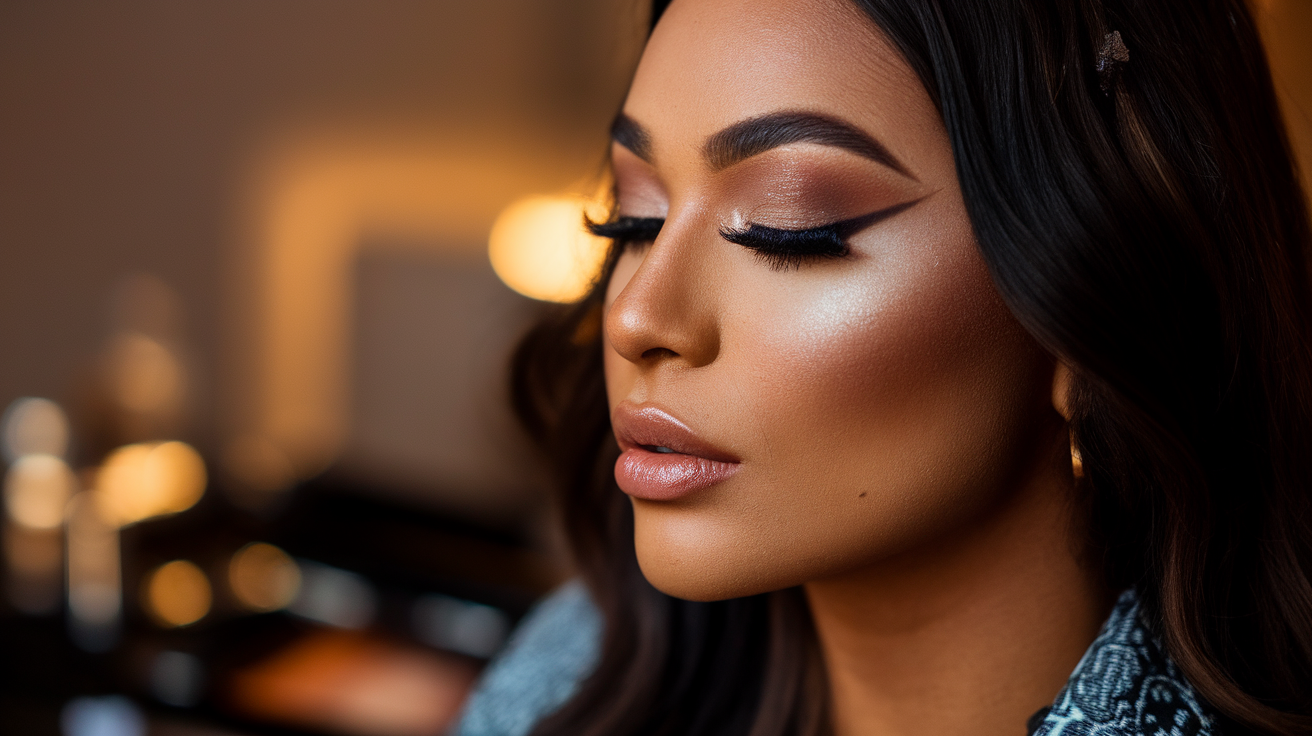
Latin makeup looks have been capturing attention on red carpets, social media, and city streets with their bold confidence and striking beauty. These makeup styles draw from rich cultural traditions while incorporating modern techniques that create unforgettable faces. Whether you’re preparing for a special event or simply want to add more drama to your everyday routine, Latin-inspired makeup offers countless ways to express yourself through color, texture, and artistry.
The beauty of Latin makeup lies in its fearless approach to color and its celebration of natural features. While minimalist trends come and go, these looks remain timelessly glamorous because they focus on enhancing what makes each woman beautiful rather than following rigid rules. From perfectly lined lips to sultry eyes that command attention, each technique has been refined through generations of women who understand that makeup is about more than just application – it’s about confidence and self-expression.
In the following sections, we’ll walk through six distinct Latin makeup styles that will transform your beauty routine. You’ll discover techniques for creating everything from classic red lips to modern fusion looks that blend traditional elements with contemporary trends. Each look offers its own personality and can be adapted to suit your features, skin tone, and personal style. Let’s explore these stunning makeup approaches that will help you stand out in any crowd.
What Makes Latin Makeup Looks So Distinctive
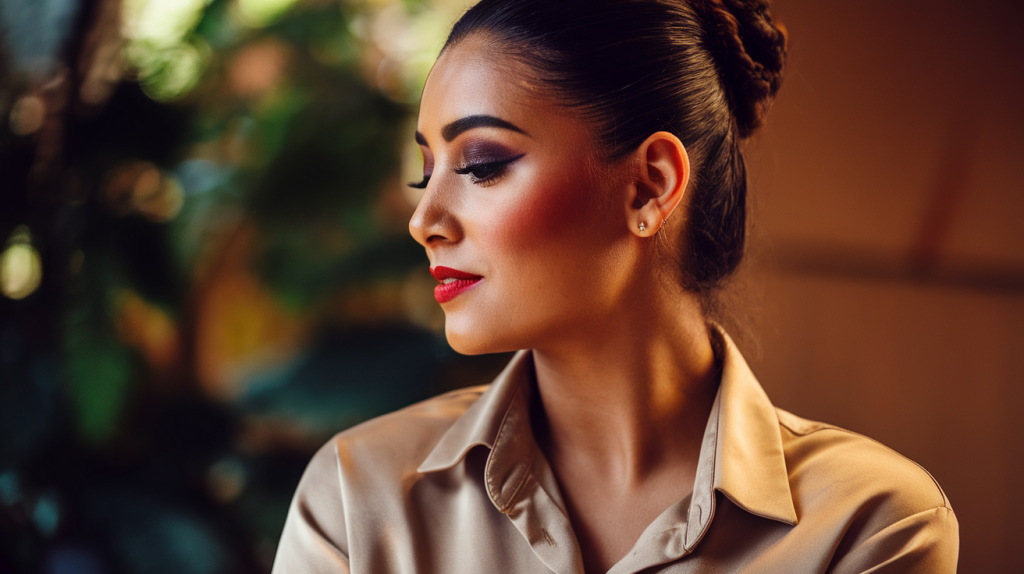
Latin makeup distinguishes itself through bold choices that many women find intimidating at first but quickly grow to love. The philosophy behind these looks centers on celebration rather than concealment – celebrating full lips, expressive eyes, and radiant skin. This approach creates makeup that feels alive and vibrant, turning everyday beauty routines into artistic expression.
Bold Color Choices
The color palette in Latin makeup rarely plays it safe. Where other makeup styles might suggest neutral browns or soft pinks, Latin looks reach for rich burgundies, deep plums, vibrant corals, and true reds. These colors work across all skin tones because the key lies in finding the right undertone rather than avoiding bold shades altogether. Cool-toned women might select blue-based reds and berry shades, while warm-toned women gravitate toward orange-reds and golden browns.
Eyeshadows in Latin makeup often feature multiple colors in one look. You might see a golden bronze on the lid, deep brown in the crease, and a pop of green or blue along the lower lash line. This layering creates depth and dimension that photographs beautifully and catches light from every angle.
Emphasis on Eyes and Lips
Unlike the “choose eyes or lips” rule that dominates many makeup philosophies, Latin makeup frequently features both bold eyes and statement lips. This dual emphasis works because of careful balance and technique. The eyes might feature dramatic winged liner and full lashes, while lips wear a perfectly defined red or berry shade.
The secret to making this combination work lies in keeping the rest of the face relatively simple. Skin looks fresh and dewy rather than heavily powdered. Blush adds warmth without competing for attention. This strategic approach ensures that bold features complement rather than overwhelm each other.
Skin-Enhancing Techniques
Latin makeup treats skin as a canvas that should glow rather than disappear under layers of product. The goal is luminous, healthy-looking skin that appears naturally radiant. This means using foundation sparingly, focusing on evening out tone rather than creating a mask-like finish.
Bronzer plays a crucial role, adding warmth and dimension to the face. Application focuses on areas where sun naturally hits – forehead, nose, cheeks, and chin. Highlighter gets applied strategically to cheekbones, nose bridge, and cupid’s bow, creating a lit-from-within glow that looks healthy rather than glittery.
Cultural Influences
The roots of Latin makeup trace through various cultures across Latin America, each contributing unique elements. Mexican makeup traditions bring bold colors inspired by folk art and festivals. Brazilian beauty emphasizes bronzed, glowing skin. Colombian and Venezuelan styles often feature perfectly sculpted brows and dramatic eyes. These diverse influences blend to create the modern Latin makeup aesthetic that continues evolving while honoring its origins.
The Classic Red Lip Latin Look
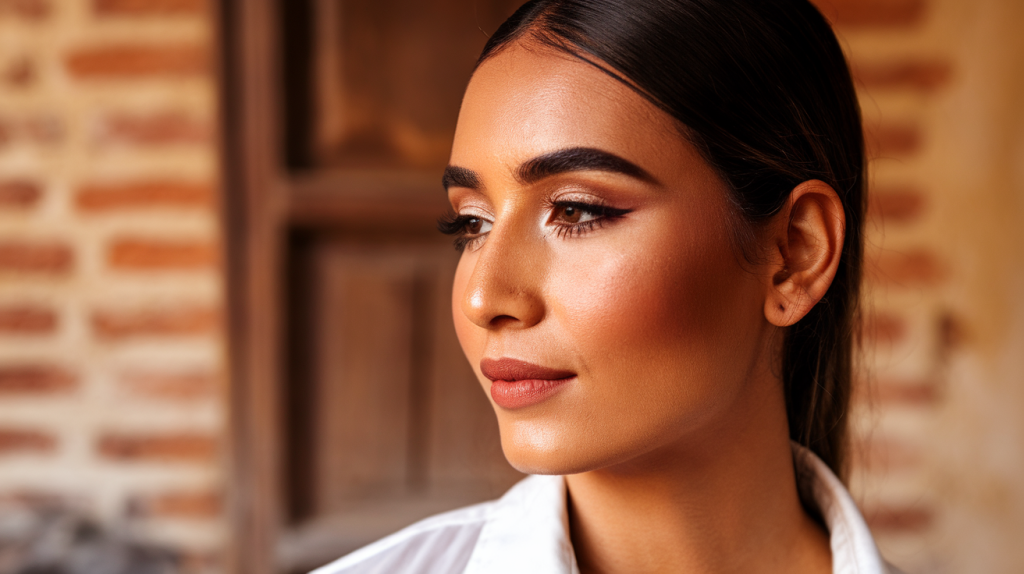
Red lips represent the cornerstone of Latin beauty, symbolizing confidence, passion, and timeless glamour. This look transcends trends because it fundamentally transforms how a woman presents herself to the world. Creating the perfect red lip requires more than just applying lipstick – it’s about understanding shape, color theory, and long-lasting application techniques.
Choosing the Right Red Shade
Finding your perfect red starts with understanding your skin’s undertone. The quickest test involves looking at your wrist veins in natural light. Green veins typically indicate warm undertones, while blue or purple veins suggest cool undertones. If you see both colors equally, you likely have neutral undertones that can wear almost any red.
Warm undertones shine in orange-based reds, tomato reds, and coral-reds that contain golden hints. These shades harmonize with the natural warmth in your skin, creating a cohesive look. Cool undertones look stunning in blue-based reds, cherry reds, and wine shades that have purple or pink undertones. Neutral undertones have the flexibility to wear true reds that sit perfectly between warm and cool.
Skin depth also influences red selection. Lighter skin tones often prefer brighter, clearer reds that provide contrast without overwhelming delicate features. Medium skin tones can handle rich, saturated reds that might look too heavy on paler skin. Deeper skin tones look magnificent in deep burgundies, wines, and blackened reds that complement their natural richness.
Consider your teeth color too. Yellower teeth appear whiter with blue-based reds, while already white teeth can handle any shade. This small detail makes a significant difference in how polished your final look appears.
Perfect Lip Application Technique
Professional-looking red lips start with proper preparation. Exfoliate lips gently with a soft toothbrush or lip scrub to remove dead skin. Apply a thin layer of lip balm, then blot excess with tissue. This creates a smooth base without making lipstick slide around.
Lip liner transforms good application into great application. Choose a liner that matches your lipstick or sits one shade darker. Start at the cupid’s bow, drawing small strokes that follow your natural lip line. Connect these strokes rather than drawing one continuous line – this creates a more natural shape. For fuller-looking lips, line slightly outside your natural lip line, but keep the overlining subtle to avoid an obvious fake outline.
Apply lipstick with a brush for maximum precision. Start from the center of your lips and work outward, ensuring even coverage. Blot with tissue, then apply a second layer. This layering technique creates longer-lasting color. For extra staying power, dust translucent powder through a tissue pressed against your lips – this sets the color without adding texture.
Balancing Bold Lips with Eyes
When wearing a classic red lip, eye makeup should enhance without competing. This doesn’t mean boring – it means strategic. Consider these approaches that complement rather than clash with red lips:
Winged Liner Classic: Black liquid liner creates a sharp wing that adds definition without overwhelming red lips. Keep eyeshadow minimal – perhaps just a wash of neutral brown or taupe.
Soft Bronze Eye: Warm bronze or copper eyeshadow adds depth while harmonizing with red lips. Skip harsh lines, instead blending colors seamlessly.
Defined Lashes: Focus on long, separated lashes rather than heavy eyeshadow. Two coats of black mascara or individual false lashes create impact without complexity.
Subtle Shimmer: A touch of champagne or gold shimmer on the inner corners brightens eyes without adding another bold element.
Setting Tips for Longevity
Red lipstick’s biggest challenge is maintaining its vibrancy throughout the day. Start with a lip primer or concealer base that creates a barrier between your lips and the lipstick. This prevents feathering and extends wear time.
After application, place a tissue over your lips and dust setting powder through it. This technique sets the lipstick without creating a chalky texture. For events where you need maximum longevity, consider using a liquid lipstick formula that dries down completely.
Keep your lipstick and a small brush in your bag for touch-ups. Rather than reapplying over faded lipstick, remove the old layer first with a makeup wipe. This prevents buildup and ensures fresh, vibrant color. Focus touch-ups on the center of lips where color fades first, then press lips together to distribute product.
Dramatic Eye Makeup with Latin Flair
Eyes tell stories in Latin makeup, speaking through rich colors, precise lines, and lush lashes that frame expressive gazes. This dramatic approach to eye makeup doesn’t apologize for taking up space or demanding attention. Instead, it celebrates the power of a well-defined eye to transform an entire face and mood.
The techniques you’ll learn here go beyond basic eyeshadow application. You’ll discover how to create depth, drama, and dimension that photographs beautifully and lasts through long nights of dancing or celebrating. Each element builds upon the previous one, creating eyes that mesmerize.
Smoky Eye Variations
The Latin interpretation of smoky eyes pushes boundaries beyond traditional black and gray. While those classic colors certainly have their place, Latin smoky eyes often incorporate unexpected hues that reflect personality and occasion.
Brown-based smoky eyes offer warmth that complements most skin tones beautifully. Start with a medium brown on the lid, deepening to chocolate or espresso in the outer corner. Add dimension by incorporating bronze or gold on the center of the lid. This variation feels sophisticated yet approachable for daytime events.
Purple smoky eyes create mystery and romance. Layer plum shades from light to dark, starting with lavender on the inner lid and building to deep eggplant in the outer V. This unexpected color choice makes brown eyes pop and adds coolness to green or hazel eyes.
For true drama, consider a smoky eye using deep green or navy. These jewel tones feel luxurious and modern while maintaining the sultry effect of traditional smoky eyes. The key lies in blending thoroughly – harsh lines destroy the smoky effect. Use a fluffy brush to blend edges until colors melt seamlessly into each other.
Always extend color slightly beyond the outer corner of your eye, creating an elongated shape that lifts and defines. Bring shadow along the lower lash line too, connecting upper and lower sections for a cohesive look. This 360-degree approach to eye makeup characterizes the Latin style.
Winged Liner Techniques
Mastering winged liner transforms your makeup abilities. Latin makeup often features bold, dramatic wings that extend beyond subtle flicks. These wings create an almond eye shape that’s universally flattering.
Start by determining your wing angle. Look straight ahead in a mirror and imagine a line from your nostril through the outer corner of your eye – this indicates where your wing should point. Mark this endpoint with a small dot of liner.
Create the wing by drawing from this endpoint back toward your upper lash line, stopping about two-thirds across your lid. Fill in the triangular space you’ve created. Now line your upper lash line, starting thin at the inner corner and gradually thickening as you approach the wing.
For a Latin twist, consider these variations:
Double Wing: Create your standard wing, then add a second, smaller wing below the lower lash line that mirrors the upper wing’s angle.
Colored Wing: Use traditional black along the lash line but create the wing using bright blue, green, or purple liner.
Graphic Wing: Extend the wing dramatically, almost reaching your temple, for editorial-inspired drama.
Thick Wing: Make your wing bolder by increasing its thickness, creating a more dramatic, retro-inspired look.
False Lash Application
Lashes complete the dramatic eye in Latin makeup, adding fullness and length that mascara alone can’t achieve. Don’t feel intimidated by false lashes – with practice, application becomes second nature.
Choose lashes based on your desired effect. Wispy, natural-looking lashes add subtle fullness for daytime. Dramatic, thick lashes create evening glamour. Individual lash clusters offer customizable fullness exactly where you want it.
Measure lashes against your eye before applying. Trim from the outer edge if they’re too long. Apply a thin line of lash glue along the band and wait 30 seconds until the glue becomes tacky. This waiting period is crucial – applying lashes when glue is too wet causes sliding and frustration.
Place the lash as close to your natural lash line as possible, starting from the center and pressing down the inner and outer corners. Use tweezers for precise placement. Once secure, pinch your natural and false lashes together to blend them seamlessly.
Color Combinations That Pop
Latin eye makeup fearlessly combines colors that others might consider clashing. These unexpected pairings create visual interest and showcase creativity. Understanding which combinations work helps you experiment confidently.
Orange and pink create sunset eyes that feel warm and romantic. Apply peach or light orange on the lid, deepening to burnt orange in the crease. Add a pop of hot pink to the outer corner or lower lash line. This combination especially flatters warm skin tones.
Gold and green produce an exotic, luxurious effect. Use antique gold or bronze on the lid with forest or emerald green defining the outer V. This pairing makes brown eyes appear more amber and intensifies hazel eyes. Consider adding burgundy or purple to create even more complexity:
Burgundy Accent: Deep wine shade in the outer corner
Purple Transition: Plum shade blended through the crease
Copper Highlight: Metallic copper on the inner third of lid
Teal Pop: Bright teal along the lower waterline
Blue and bronze might seem unconventional, but this combination creates stunning contrast. Apply bronze as your base with navy or cobalt blue creating definition. This unexpected pairing works on every skin tone and eye color.
Sun-Kissed Glow and Bronzed Beauty
The luminous, bronzed skin that characterizes Latin beauty doesn’t come from heavy foundation or excessive powder. Instead, this coveted glow results from strategic placement of warming products and light-reflecting formulas that mimic naturally radiant skin. Understanding how to create dimension through bronzing and highlighting transforms flat-looking skin into a sculpted, healthy-looking canvas.
This approach to complexion celebrates skin rather than covering it. You’ll learn to add warmth where the sun naturally kisses your face, creating a believable bronze that looks like you’ve spent time outdoors rather than in front of a mirror. Combined with strategic highlighting, these techniques produce skin that appears to glow from within.
Bronzer Placement Techniques
Effective bronzing requires understanding facial structure and light patterns. Rather than sweeping bronzer randomly across your face, think about where natural sun exposure occurs. The “3” technique provides a foolproof guide: sweep bronzer from your temple, down below your cheekbone, and along your jawline, creating a number 3 shape on each side of your face.
Don’t forget often-missed areas that complete the sun-kissed effect. Dust bronzer lightly across your nose bridge – this small detail makes the difference between natural-looking and obviously made-up. Add warmth to your chin, focusing on the center where sun would naturally hit. Touch your brush to the top of your forehead near the hairline, blending down slightly.
Neck application prevents the dreaded floating head effect. Sweep bronzer down your neck and across your chest if wearing lower-cut clothing. This continuation creates cohesion between face and body.
Highlighting for Dimension
Strategic highlighting lifts features and creates the coveted Latin glow. Quality matters more than quantity here – subtle placement beats obvious stripes of shimmer. Focus on high points where light naturally hits your face.
Apply highlighter to the tops of cheekbones, starting at the apple and sweeping up toward your temple. This placement lifts the face and creates a youthful appearance. Touch highlighter to your nose bridge, focusing on the tip for a cute, button-nose effect. The cupid’s bow deserves attention too – a tiny dot here makes lips appear fuller.
Consider your brow bone, but apply sparingly. Heavy highlighting here can look dated. Instead, focus on the inner corner of your eyes and just below the brow arch. This subtle placement opens up the eye area without looking overdone. For evening glamour, add highlighter to your collarbones and shoulders. This creates an all-over glow that photographs beautifully.
Choose highlighter formulas based on your skin type and desired finish. Powder highlighters work well for oily skin and provide buildable coverage. Cream formulas melt into dry skin beautifully, creating a natural-looking sheen. Liquid highlighters offer intensity and can be mixed with foundation for an all-over glow.
Blush Application for Warmth
Blush bridges bronzer and highlighter, adding life and warmth to your complexion. Latin makeup often features warm-toned blushes that complement bronzed skin – think peaches, corals, and warm pinks rather than cool berries.
Placement depends on your face shape and desired effect. For a youthful flush, smile and apply blush to the apples of your cheeks, blending up toward your temples. This lifting motion creates a natural-looking flush. For a more sculpted look, place blush slightly higher on the cheekbones, following the same path as your highlighter but sitting just below it.
Don’t limit blush to just your cheeks. A technique popular in Latin makeup involves extending blush across the nose bridge, connecting both cheeks. This creates a sun-flushed look that feels fresh and youthful. Some women even add a touch of blush to their chin and forehead for a cohesive, naturally flushed appearance.
Setting Spray Tips
The final step in achieving long-lasting bronzed beauty involves proper setting techniques. Setting spray does more than just extend wear time – it melds powder products with skin, eliminating any powdery finish and enhancing glow.
Choose setting sprays based on your needs and skin type. Mattifying sprays control oil while maintaining a natural finish. Dewy sprays add extra glow and work beautifully over powder products. Some formulas offer both longevity and luminosity. Apply setting spray in an X and T motion across your face, holding the bottle about 8 inches away. This ensures even distribution without creating wet spots. Let the first layer dry, then apply a second layer for extended wear.
For maximum glow, try this technique: after your first spray application, press a damp beauty sponge over highlighted areas. This intensifies the glow and ensures highlighter won’t move throughout the day.
Bold Brows and Defined Features
Strong, well-defined brows anchor Latin makeup looks, framing the face and providing structure that balances bold lips and dramatic eyes. These aren’t the barely-there brows of minimalist beauty – they’re full, shaped, and unapologetically present. Combined with strategic contouring, these techniques create the defined features that characterize Latin beauty.
Your brows set the tone for your entire makeup look. When properly shaped and filled, they lift your face, make eyes appear larger, and provide the framework for everything else. This section teaches you to work with your natural brow shape while enhancing fullness and creating clean lines that photograph beautifully.
Brow Shaping Techniques
Great brows start with understanding your natural shape and working to enhance rather than fight it. The goal isn’t to create identical brows but sister brows that complement each other while maintaining their individual character.
Find your ideal brow shape by identifying three key points. Hold a brush vertically against your nostril – where it touches your brow indicates where your brow should begin. Angle the brush from your nostril through your pupil – this shows your ideal arch placement. Finally, angle from your nostril through the outer corner of your eye to find where your brow should end.
Professional shaping at home requires the right tools and patience. Use sharp, slanted tweezers for precision. Pluck in natural light to see every hair clearly. Remove hairs below the brow line first, following your natural arch. Be conservative with hairs above the brow – these contribute to fullness.
Trim lengthy brow hairs that disrupt your shape. Brush brows upward with a spoolie, then carefully trim any hairs extending far beyond your brow line. This creates a cleaner appearance without removing fullness.
Filling and Defining Methods
The products you choose for filling brows depend on your desired finish and natural brow density. Each formula offers different benefits:
Brow Pencil: Provides precise application for creating hair-like strokes
Brow Powder: Offers soft, natural-looking fullness
Brow Gel: Adds color while setting hairs in place
Pomade: Creates bold, defined brows with staying power
Start filling from the arch, moving toward the tail with light, upward strokes that mimic natural hair growth. The tail typically needs the most definition, as this area often appears sparse. Work toward the front of your brow with a lighter hand – the beginning should look softer and more natural.
For the inner portion of your brows, use vertical strokes that follow natural growth patterns. This prevents the blocked, unnatural look that screams “drawn-on brows.” Graduate your color intensity, keeping the front lighter and gradually deepening toward the arch and tail. Blend thoroughly with a spoolie brush to soften any harsh lines. This step transforms good brow work into great brow work. Set everything with clear or tinted brow gel, brushing upward at the front and following the natural direction through the rest of the brow.
Contouring Basics
Contouring in Latin makeup enhances natural bone structure rather than creating entirely new features. The technique uses shadow and light to define cheekbones, slim noses, and create more balanced proportions.
Choose contour products two to three shades darker than your skin tone with cool or neutral undertones. Warm-toned contour can look muddy or orange. Cream products blend seamlessly for natural-looking shadows, while powders offer more control and work well on oily skin.
Apply contour to the hollows of your cheeks, sucking in your cheeks to find the natural shadow. Blend upward toward your ear rather than down toward your mouth – this lifts the face. Add contour to your temples, creating a subtle shadow that narrows the forehead. Don’t forget your jawline, especially if you want more definition. Blend contour along the jaw and slightly down the neck.
Nose contouring requires a delicate touch. Draw thin lines down either side of your nose bridge, then blend outward. To shorten a long nose, add a horizontal line of contour across the tip. For a narrower appearance, focus contour on the sides of your nostrils.
Feature Enhancement Tips
Beyond brows and basic contouring, small enhancements create the polished finish that distinguishes Latin makeup. These subtle techniques make features appear more defined and symmetrical.
Overlining lips slightly creates fuller-looking lips without obvious fakeness. Focus on the center of the upper lip and the bottom lip, gradually blending to meet your natural lip line at the corners. This targeted approach looks more believable than overlining the entire lip perimeter.
Define your eye shape using strategic shadow placement. Deepen the crease with a shade darker than your lid color, extending slightly beyond the outer corner. This elongates eyes and creates an almond shape. Apply a light, shimmery shade to the inner corner to open up the eye area. Consider tightlining – applying dark liner between upper lashes – to make lashes appear thicker without obvious liner. This technique defines eyes subtly.
Modern Latin Fusion Looks
Contemporary Latin makeup takes traditional elements and remixes them with current trends, creating fresh interpretations that feel both rooted and revolutionary. These fusion looks respect cultural beauty traditions while incorporating modern techniques, textures, and color stories that speak to today’s diverse beauty landscape.
You don’t need to choose between honoring tradition and following trends. Modern Latin fusion celebrates both, creating looks that feel authentic yet current. These styles work equally well for festivals, nights out, or any time you want makeup that makes a statement while maintaining sophistication.
Mixing Traditional with Contemporary
The art of fusion lies in balance – knowing which traditional elements to preserve and where to inject modern twists. Start with a classic base: that signature Latin glow remains non-negotiable. Build your complexion using time-tested bronzing and highlighting techniques, creating warmth and dimension that anchors your look.
Now add contemporary elements through unexpected color placement or trendy textures. Perhaps you maintain a classic winged liner but execute it in electric blue or white. Or keep traditional bold lips but choose an ombre effect that gradates from deep to light. These small updates modernize without losing the essence of Latin beauty.
Texture mixing creates visual interest that feels very now. Combine matte and metallic eyeshadows in the same look. Place cream blush under powder bronzer for a lived-in flush. Use glossy lips over matte lipstick for dimension. These textural contrasts add complexity that elevates simple color application into artistry.
Metallic Accents
Metallics have always existed in Latin makeup, but modern applications push beyond traditional gold and bronze. Today’s metallic accents might include rose gold, pewter, or even holographic finishes that shift colors in different lights. These finishes add futuristic elements while maintaining glamour.
Strategic metallic placement maximizes impact without overwhelming. Press metallic pigment onto the center of your lid, surrounded by matte shades. This spotlight effect draws light to the center of your eye, making them appear larger and more dimensional. For subtle drama, line your lower lash line with metallic liner. This unexpected placement adds interest without competing with upper eye makeup.
Consider using metallic finishes beyond just eyes to create cohesion throughout your look:
Metallic Lips: Layer gold or copper gloss over traditional lipstick
Body Shimmer: Dust metallic powder on collarbones and shoulders
Inner Corner Pop: Press silver or champagne into tear ducts
Cheekbone Topper: Layer metallic highlighter over regular highlighter for extra impact
Colorful Liner Trends
Modern Latin makeup plays with liner in ways that would have seemed radical just years ago. While black remains classic, today’s looks might feature neon pink, electric yellow, or mint green liner creating graphic shapes that double as art.
Colored liner offers impact without requiring complex eyeshadow skills. Draw a traditional wing in bright purple or teal for instant modernization. Create a floating crease – a line of color above your natural crease – using white or pastel liner for an editorial effect that’s surprisingly wearable.
The two-toned liner trend perfectly captures fusion style. Apply black liner close to the lash line, then layer colored liner directly above or below it. This technique provides definition while adding an unexpected pop of color. Try black with burgundy for subtle drama or black with lime green for bold contrast. Graphic liner shapes take inspiration from geometry rather than traditional makeup rules. Create negative space by lining only portions of your eye. Draw parallel lines extending from your lash line. Make dots, dashes, or other shapes around your eye area. These artistic approaches turn makeup into self-expression.
Festival-Inspired Styles
Festival beauty pushes Latin makeup to its most creative extremes, incorporating gems, glitter, and artistic elements that transform faces into celebrations. While you might not wear full festival makeup daily, incorporating elements of this aesthetic adds playfulness to special occasion looks.
Face gems offer instant festival vibes without requiring artistic skill. Place small gems along your cheekbones, creating a trail that follows your bone structure. Arrange gems around your eyes in patterns that complement your eye shape. Use gem adhesive for security, and choose colors that coordinate with your overall look.
Glitter application in modern Latin makeup goes beyond simple sparkle. Create glitter wings extending from your outer corners. Press glitter onto lips for dimensional shine. Apply glitter in geometric patterns on cheeks or forehead. Mix different glitter sizes for textural interest. Remember that a little strategic glitter creates more impact than all-over sparkle.
The possibilities for modern fusion looks are limitless, with new trends constantly emerging. Following Latin makeup artists on social media provides endless inspiration for mixing traditional techniques with contemporary trends. Notice how they maintain cultural authenticity while pushing creative boundaries. Your own fusion style will develop as you experiment with combining elements that speak to your personality and aesthetic.
Final Thoughts on Latin Makeup Mastery
After exploring these six distinctive Latin makeup approaches, you now possess the knowledge to create looks that command attention and express your unique beauty. Each technique you’ve learned builds upon centuries of beauty wisdom while incorporating modern innovations that keep these styles fresh and relevant. The boldness that defines Latin makeup isn’t just about bright colors or dramatic application – it’s about the confidence to present yourself authentically and unapologetically.
Your makeup journey doesn’t end here. These foundational techniques provide the framework for endless creativity and personalization. Start with the looks that resonate most strongly with your style, then gradually incorporate elements from other approaches as your confidence grows. Mix classic red lips with modern metallic eyes, or pair traditional bronzing techniques with contemporary colored liner. The beauty of Latin makeup lies in its flexibility and its celebration of individuality within cultural tradition.
Frequently Asked Questions
Q: Do I need to have Latin heritage to wear Latin-inspired makeup looks?
A: No, makeup techniques and styles can be appreciated and worn by anyone regardless of heritage. These looks celebrate bold beauty and self-expression that transcends cultural boundaries. The key is wearing them with respect and appreciation for their origins while making them your own.
Q: How can I make dramatic Latin makeup looks work for my office job?
A: Tone down the intensity while keeping key elements. Try a subtle winged liner instead of dramatic wings, use bronze eyeshadow instead of black for your smoky eye, or wear a muted red lip instead of bright red. You can also focus on one feature – perhaps just bold brows or just defined lips – while keeping everything else neutral.
Q: What’s the best way to prevent bold lipstick from feathering or smudging?
A: Start with lip primer or concealer around your lip line to create a barrier. Use lip liner all over your lips, not just the edges, as a base. Apply lipstick in thin layers, blotting between applications. Set with translucent powder through a tissue, and consider using long-wear or liquid lipstick formulas for extended events.
Q: Which brushes are essential for creating Latin makeup looks?
A: Invest in a fluffy blending brush for eyeshadow, a flat shader brush for lid application, an angled brush for liner and brows, a lip brush for precise lipstick application, and a fan brush for highlighting. Quality matters more than quantity – five good brushes outperform twenty mediocre ones.
Q: How do I choose between cream and powder products for contouring and bronzing?
A: Cream products work best on dry skin and create natural-looking shadows that melt into skin. Powder products suit oily skin better and offer more control for beginners. You can also layer cream under powder for longevity. Choose based on your skin type and desired finish.
Q: Can I wear false lashes if I wear glasses?
A: Yes, but choose wisely. Select shorter, more natural lashes that won’t hit your lenses when you blink. Focus fullness on the outer corners rather than the center. Individual lash clusters give you more control over placement and length than full strips.
Q: What’s the secret to making glitter stay put without fallout?
A: Use a mixing medium or glitter adhesive instead of regular eyeshadow primer. Pat glitter on with your finger or a flat brush rather than sweeping. Set the surrounding area with setting spray before applying glitter to catch any fallout. Press a damp brush over glitter after application to lock it in place.
Q: How do I know if my bronzer is too orange or muddy-looking?
A: Take a photo in natural light – camera often reveals what mirrors miss. Good bronzer should look like a natural shadow or tan, not orange or gray. If it looks unnatural, try a different undertone. Cool-toned bronzers work for fair skin, while golden bronzers suit medium to deep skin tones.

