

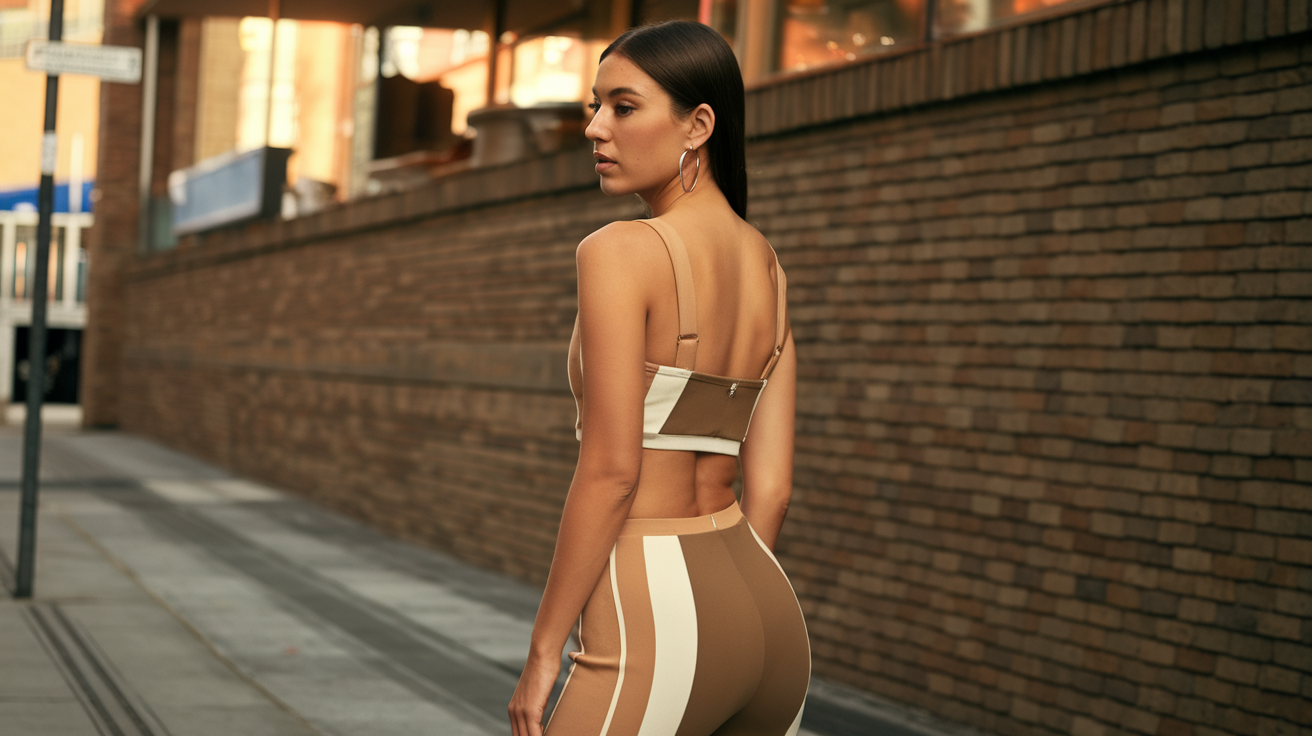
Two-piece outfits have become the secret weapon in many women’s closets, offering a polished look without the morning struggle of coordinating separates. These matching sets deliver instant style while maintaining the comfort factor that busy women need throughout their day. The beauty lies in their simplicity – grab both pieces, and you’ve created an entire outfit that looks thoughtfully assembled.
The popularity of coordinated sets has grown significantly as women seek practical fashion solutions that don’t sacrifice style. From cozy knit combinations to sophisticated blazer duos, these outfits adapt to virtually any setting while keeping you comfortable from morning meetings to evening plans. The variety available today means there’s a perfect set for every personal style, body type, and lifestyle requirement.
The following sections will walk you through everything from styling casual sets for weekend adventures to selecting professional coordinates that command respect in the boardroom. You’ll discover which fabrics offer maximum comfort, learn mixing techniques that multiply your wardrobe options, and find out where to score beautiful sets without breaking your budget. Let’s uncover how these versatile pieces can transform your daily dressing routine.
- What Makes Two-Piece Outfits Perfect for Every Occasion?
- How Do You Style Casual Two-Piece Sets for Everyday Wear?
- Which Professional Two-Piece Outfits Work Best for the Office?
- What Are the Most Comfortable Fabrics for Two-Piece Outfits?
- How Can You Mix and Match Pieces from Different Sets?
- Where to Find Affordable Two-Piece Outfits This Year?
- Final Thoughts on Building Your Two-Piece Collection
- Frequently Asked Questions
What Makes Two-Piece Outfits Perfect for Every Occasion?
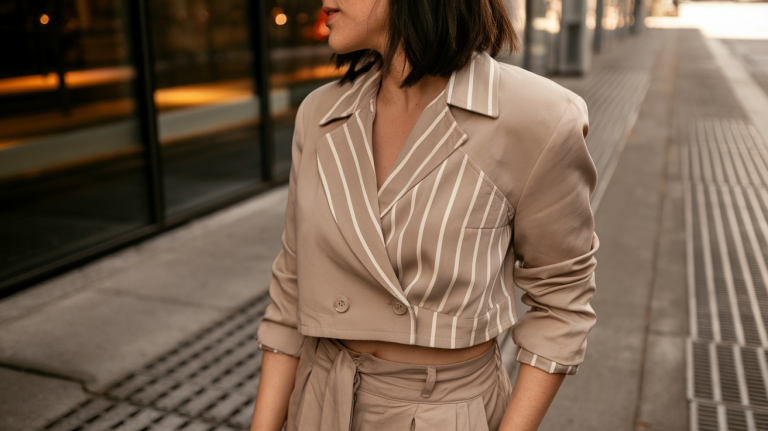
Two-piece outfits solve the daily dilemma of what to wear by offering pre-matched pieces that work harmoniously together. This coordination removes guesswork from getting dressed while providing flexibility that single dresses or jumpsuits can’t match. You can wear pieces together for a cohesive look or separately to create entirely different outfits, essentially doubling your wardrobe options.
Versatility of mixing and matching
The true magic happens when you start seeing each piece as an individual item rather than just part of a set. That matching blazer pairs beautifully with jeans for casual Friday, while the coordinating trousers work perfectly with a simple white tee for weekend brunch. This versatility means one purchase creates multiple outfit possibilities, making these sets excellent value for your fashion budget.
Women who travel frequently particularly appreciate how sets simplify packing. Two pieces that work together and separately reduce luggage while maximizing outfit options. You might pack three sets but create nine or more different looks by mixing components creatively.
Comfort factor in coordinated sets
Modern two-piece designs prioritize comfort without compromising appearance. Designers understand that women need clothing that moves with them throughout demanding days. Stretch fabrics, elastic waistbands disguised by stylish details, and thoughtful construction mean you stay comfortable whether sitting at a desk or running errands.
The psychological comfort of knowing you look put-together shouldn’t be underestimated either. Coordinated sets eliminate morning stress and boost confidence by guaranteeing a polished appearance. This mental ease translates into better focus on daily tasks rather than worrying about your outfit.
Flattering fit for different body types
Contemporary designers create sets that flatter various body shapes through strategic cuts and proportions. High-waisted bottoms paired with cropped tops elongate legs while defining waists. Longer blazers with fitted bottoms balance proportions beautifully. The key lies in finding styles that highlight your favorite features while providing coverage where desired.
Coordinated sets also allow you to purchase different sizes for tops and bottoms when needed, something impossible with dresses. This customization ensures both pieces fit properly, eliminating the compromise often required with one-piece garments.
Building a capsule wardrobe with sets
Starting a minimalist wardrobe becomes simpler when coordinated sets form the foundation. A few well-chosen sets in neutral colors create numerous combinations while taking up minimal closet space. Add some basic separates, and suddenly you have weeks worth of outfits from surprisingly few pieces.
Consider investing in sets that transition across seasons too. Linen coordinates work through summer into early fall with proper layering. Knit sets transition from fall through spring with strategic additions like scarves or lightweight jackets. This approach maximizes wear from each purchase while maintaining a cohesive wardrobe aesthetic.
How Do You Style Casual Two-Piece Sets for Everyday Wear?
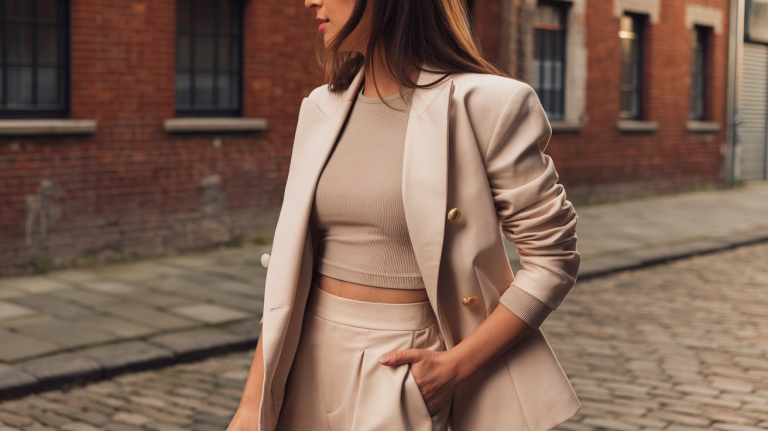
Casual two-piece sets have revolutionized weekend dressing by offering comfort that doesn’t sacrifice style. These relaxed coordinates prove that looking polished doesn’t require complicated styling or uncomfortable clothing.
Pairing knit sets with sneakers
Knit coordinates paired with trendy sneakers create the perfect balance between comfort and street style. Choose chunky white sneakers for a sporty vibe or sleek leather options for elevated casual looks. The softness of knit fabric combined with supportive footwear means you stay comfortable during long days of activities.
Adding a denim jacket or oversized blazer instantly changes the outfit’s personality. Layer a crisp white shirt underneath the knit top for additional sophistication. These small adjustments transform basic knit sets into versatile outfits appropriate for various casual settings.
Denim coordinates for weekend outings
Denim two-pieces offer durability and style for active weekends. Modern versions feature softer, stretchier fabrics than traditional denim, providing comfort without the stiffness typically associated with jean material. Whether choosing a matching jacket and skirt or coordinated top and pants, denim sets project effortless cool.
Contrast textures make denim coordinates more interesting. Pair them with silk scarves, leather bags, or suede shoes. This mixing of materials prevents the outfit from feeling too uniform while adding visual depth. A simple white tank under an unbuttoned denim shirt offers another styling option that feels relaxed yet intentional.
Consider these accessories to complete your casual coordinated looks:
- Baseball Caps: Add sporty edge while protecting from sun
- Crossbody Bags: Keep hands free while maintaining style
- Minimalist Jewelry: Simple pieces that don’t compete with the outfit
- Canvas Totes: Practical for carrying daily essentials
- Ankle Socks: Visible socks add playful detail with sneakers
Athleisure sets beyond the gym
Athletic-inspired sets now work far beyond workout sessions. Quality athleisure coordinates feature refined details like hidden pockets, sophisticated colors, and flattering cuts that distinguish them from basic gym wear. These pieces transition seamlessly from morning coffee runs to afternoon errands.
Elevate athleisure sets by choosing pieces in unexpected colors like camel, olive, or burgundy rather than typical black or gray. Add structured outerwear like trench coats or leather jackets to contrast the casual nature of athletic fabric. Swap athletic shoes for fashion sneakers or even ankle boots to further distance the look from gym attire.
Accessories that elevate casual looks
The right accessories transform simple two-piece sets into memorable outfits. Statement earrings draw attention upward, while bold belts define waists and add personality. Even casual coordinates benefit from thoughtful accessory choices that reflect personal style.
Scarves offer endless styling possibilities – worn traditionally around necks, tied to bag handles, or used as belt alternatives. Layered necklaces add dimension to simple necklines, while stacked bracelets bring movement to bare arms. These additions require minimal effort but deliver maximum impact.
Quality sunglasses serve both practical and aesthetic purposes. They protect eyes while adding sophistication to casual ensembles. Choose frames that complement face shape and outfit style – oversized frames for glamour, aviators for edge, or classic wayfarers for timeless appeal. The right pair becomes a signature accessory that elevates every casual coordinate combination.
Which Professional Two-Piece Outfits Work Best for the Office?
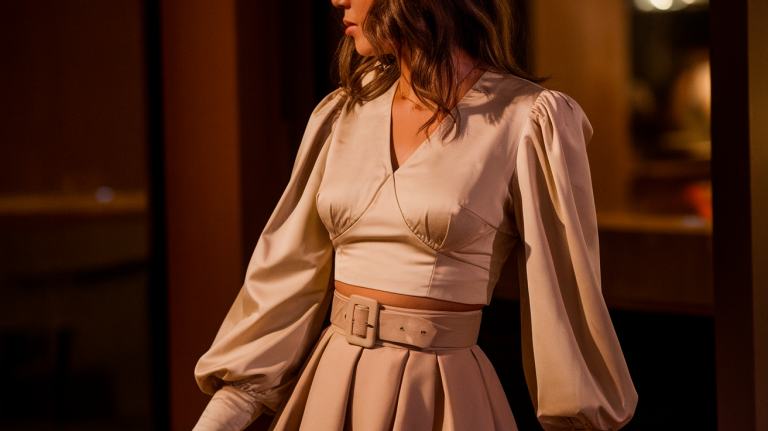
Professional settings demand polished appearance without sacrificing the comfort needed for long workdays. Modern office-appropriate sets strike this balance perfectly, offering sophistication that moves effortlessly from morning presentations to after-work socializing.
Blazer and trouser combinations
The classic blazer-trouser duo remains the gold standard for professional dressing, but contemporary versions offer updates that feel fresh. Softer shoulder lines, interesting textures, and unexpected colors modernize traditional suiting. These refined details maintain professionalism while expressing individual style.
Fabric choice significantly impacts both appearance and comfort level. Wool blends provide structure and breathability, while ponte knits offer stretch without looking casual. Technical fabrics that resist wrinkles and regulate temperature prove invaluable for busy professionals who move between climate-controlled offices and outdoor commutes.
Fit matters tremendously in professional settings. Blazers should allow comfortable arm movement without pulling across shoulders or back. Trousers need appropriate length – either confidently cropped or properly hemmed to shoe height. These fitting details separate sharp professional appearance from sloppy, ill-fitting clothing.
Skirt suits with modern twists
Skirt suits have evolved beyond traditional pencil skirt combinations. A-line skirts, pleated styles, and midi lengths offer variety while maintaining professional standards. These options accommodate different comfort preferences and body types while projecting competence and style.
Modern iterations might feature unexpected details like contrasting piping, interesting button choices, or subtle texture variations. These elements add personality without compromising office appropriateness. Pair with pointed-toe flats for comfort or heeled boots for added authority.
Underneath, simple shells, silk blouses, or fine knit tops complete professional looks. Choose pieces that don’t require constant adjustment – nothing undermines professional presence like fidgeting with clothing during important meetings. Quality undergarments also matter, ensuring smooth lines under fitted professional pieces.
Color selection impacts how others perceive your professional presence. Navy, charcoal, and black remain safe choices, but burgundy, forest green, or even soft pink can work beautifully in many office environments. Understanding your workplace culture helps determine how adventurous color choices can be.
Sweater sets for business casual
Sweater sets bridge the gap between formal suiting and casual comfort. Modern versions feature luxury materials like cashmere blends or merino wool that maintain shape throughout long days. These pieces layer beautifully, allowing temperature adjustment as needed.
Shell and cardigan combinations offer maximum versatility. Wear both pieces together for polished presentation, the shell alone under blazers, or the cardigan over dresses and other outfits. This flexibility makes sweater sets excellent investment pieces for business casual environments.
Updated styling keeps sweater sets from feeling dated. Tuck just the front of the shell into high-waisted trousers for a relaxed yet professional look. Layer delicate necklaces between pieces for added interest. Choose versions with interesting necklines or subtle embellishments that differentiate from basic knitwear.
Transitioning from desk to dinner
Professional sets that transition to evening events save time and eliminate outfit changes. Choose pieces in fabrics that resist wrinkles and maintain shape throughout extended wear. Darker colors and pieces with subtle shine or texture often work best for day-to-night versatility.
Simple styling adjustments transform office looks for evening occasions. Replace conservative pumps with strappy heels, swap structured totes for clutch purses, and add statement jewelry. These quick changes shift the outfit’s mood without requiring complete wardrobe overhaul.
Makeup and hair adjustments further support outfit transitions. Adding lipstick, releasing hair from professional updos, or applying evening fragrance signals the shift from work to leisure. These small rituals help mental transition while enhancing outfit transformation.
Strategic layering also aids transitions. A camisole worn under a blazer during work hours becomes evening-appropriate when the blazer comes off. Similarly, removing a cardigan from a sweater set might reveal a dressier shell perfect for restaurant dining. Planning these possibilities in the morning eliminates stress later.
What Are the Most Comfortable Fabrics for Two-Piece Outfits?
Fabric selection determines both comfort level and outfit longevity. Understanding different materials helps you choose sets that feel amazing while maintaining their appearance through repeated wear.
Cotton blends for breathability
Cotton-based fabrics remain popular for good reason. Natural cotton fibers allow air circulation, preventing overheating during warm weather or active days. However, pure cotton wrinkles easily and may shrink, making blends more practical for two-piece sets.
Cotton-polyester blends combine natural comfort with synthetic durability. These fabrics resist wrinkles better than pure cotton while maintaining breathability. The polyester component helps pieces retain shape through washing and wearing, extending garment life significantly.
Modal and bamboo for softness
Modal fabric, derived from beech trees, offers incredible softness that rivals luxury materials. This semi-synthetic option drapes beautifully, resists pilling, and maintains color vibrancy through numerous washes. Sets made from modal feel indulgent against skin while looking polished.
Bamboo fabric provides similar softness with additional benefits. Natural antibacterial properties keep garments fresher longer, while moisture-wicking abilities regulate body temperature. These characteristics make bamboo excellent for both casual and athletic-inspired coordinates.
The environmental considerations of these fabrics appeal to conscious consumers. Both materials come from renewable resources and biodegrade more readily than purely synthetic options. This sustainability factor adds value beyond immediate comfort and appearance benefits.
Processing methods affect final fabric qualities. Look for pieces labeled with responsible manufacturing certifications. These indicators suggest safer production processes and often correlate with higher quality finished products. Better processing typically results in fabrics that maintain softness and shape longer.
Ponte knits for structure
Ponte fabric offers the perfect compromise between structure and stretch. This double-knit material maintains its shape while providing comfortable give during movement. Unlike jersey knits that might cling or lose form, ponte creates smooth, flattering silhouettes.
The weight and stability of ponte make it ideal for professional two-piece sets. Blazers maintain crisp lines without feeling restrictive, while bottoms resist bagging at knees or seat. This reliability means your outfit looks as polished at day’s end as when first put on.
Recovery properties distinguish quality ponte from inferior alternatives. Good ponte snaps back after stretching, preventing permanent distortion. Test this by gently pulling fabric and observing how quickly it returns to original shape. Better recovery indicates longer-lasting garments.
Temperature regulation varies among ponte weights. Lighter versions work year-round in climate-controlled environments, while heavier options provide warmth during cooler months. Having sets in different weights extends wearing seasons and increases wardrobe versatility.
Seasonal fabric considerations
Summer requires lightweight, breathable materials that prevent overheating. Linen blends offer excellent air flow but may require accepting some wrinkling as natural character. Lightweight cotton, chambray, and seersucker provide alternatives with varying texture and care requirements.
Specific attention to moisture management becomes crucial during humid months. Technical fabrics originally designed for athletics now appear in fashion-forward designs. These materials pull moisture away from skin, helping maintain comfort during hot weather or busy days. Look for descriptions mentioning moisture-wicking or quick-dry properties.
Winter months demand fabrics that provide warmth without excessive bulk. Wool blends offer natural insulation while maintaining professional appearance. Cashmere, though expensive, provides exceptional warmth-to-weight ratio. Fleece-lined options work for casual sets but may feel too informal for professional settings.
Seasonal transitions become easier with versatile medium-weight fabrics. These pieces layer well under coats or over base layers as temperatures fluctuate. Having several sets in transitional weights reduces the stark division between summer and winter wardrobes, providing more consistent wearing options throughout the year.
How Can You Mix and Match Pieces from Different Sets?
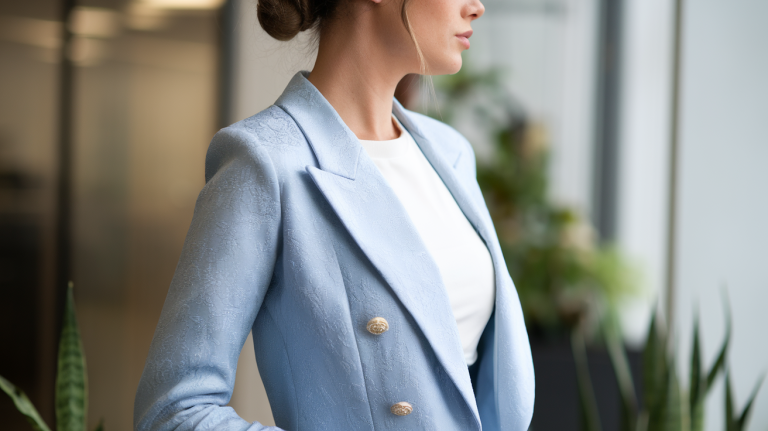
Breaking apart coordinated sets and recombining pieces multiplies outfit possibilities exponentially. This creative approach maximizes your investment while developing a more personalized style.
Creating new combinations
Start by laying out all your two-piece sets and viewing each component individually. That navy blazer might pair wonderfully with the cream trousers from another set. The printed top could complement solid bottoms you hadn’t considered before.
Proportion plays a crucial role in successful mixing. Balance oversized tops with fitted bottoms, or pair cropped pieces with high-waisted options. These proportional relationships create flattering silhouettes regardless of whether pieces originally belonged together.
Texture mixing adds sophisticated depth to mixed outfits. Combine smooth fabrics with textured ones – perhaps a silk blouse with tweed trousers, or a cable knit sweater with leather skirt. These unexpected combinations feel intentional rather than thrown together.
Don’t overlook the impact of switching just one piece. Keeping the bottom from a set but changing the top completely alters outfit personality. This approach feels less risky than completely abandoning matched sets while still expanding outfit options. Gradually, confidence in mixing grows, leading to more adventurous combinations.
Color coordination techniques
Understanding color relationships simplifies successful mixing. Neutral pieces from different sets almost always work together. Black, white, gray, navy, and beige create foolproof combinations that appear coordinated even when pulled from separate outfits.
Tonal dressing involves combining different shades of the same color family. Various blues, from navy through powder, create cohesive looks without matching exactly. This technique works particularly well with earth tones – combining chocolate, tan, and cream produces sophisticated results.
The color wheel guides more adventurous mixing. Complementary colors (opposites on the wheel) create vibrant, energetic combinations. Analogous colors (neighbors on the wheel) produce harmonious, calming effects. These principles help predict which unexpected combinations might work.
Sometimes near-matches create more interest than perfect matching. Slightly different blacks or varying gray tones add subtle dimension while maintaining coordination. This approach feels modern and deliberate rather than like failed matching attempts.
Pattern mixing basics
Pattern combination follows certain guidelines that prevent visual chaos. Scale variation proves most important – pair large prints with smaller ones rather than competing similar sizes. A bold striped blazer works with a tiny polka dot blouse, while similar-sized patterns clash.
One pattern should dominate while others play supporting roles. If wearing a statement printed blazer, keep other pieces solid or very subtly patterned. This hierarchy prevents patterns from competing for attention, maintaining outfit balance.
Common elements unite different patterns successfully. Two prints sharing a color create connection despite different designs. Alternatively, similar pattern types in different scales – like wide and narrow stripes – work together through their structural similarity.
Building multiple outfits from fewer pieces
Here’s how strategic mixing creates extensive wardrobes from minimal pieces:
- Three Sets Method: Three coordinated sets potentially create nine different outfits through mixing
- Core Color Strategy: Build around one neutral that appears across multiple sets
- Investment Piece Approach: One high-quality blazer elevates multiple casual bottoms
- Capsule Building: Start with five sets in compatible colors, creating 25+ combinations
- Seasonal Swapping: Store off-season pieces but keep versatile components accessible year-round
Document successful combinations through photos or notes. Morning rushing often prevents creative thinking, but referring to proven combinations speeds dressing while maintaining variety. Many women create lookbooks or use apps to catalog outfit possibilities.
The math becomes impressive quickly. Five two-piece sets equal ten individual pieces. If each top works with three different bottoms, and vice versa, you’ve created thirty potential outfits. Add accessories, layering pieces, and shoes, and variety becomes virtually endless.
Consider lifestyle needs when mixing pieces. Professional women might focus on creating office-appropriate combinations, while others prioritize casual versatility. Understanding your actual wearing occasions helps direct mixing efforts toward useful combinations rather than theoretical possibilities you’ll never wear.
Where to Find Affordable Two-Piece Outfits This Year?
Finding stylish coordinated sets without overspending requires strategic shopping and knowing where to look for the best values.
Budget-friendly retailers
Mass market retailers increasingly offer trend-conscious two-piece options at accessible prices. These stores quickly interpret runway trends into affordable versions, making coordinated sets available to broader audiences. Quality varies, so examine construction carefully before purchasing.
Discount department stores often carry designer collaborations or previous season inventory at reduced prices. These locations require more searching but can yield exceptional finds. Visiting regularly increases chances of discovering quality pieces among constantly changing inventory.
Warehouse clubs sometimes stock coordinated sets, particularly athletic or casual styles. Bulk buying power translates to lower prices for members. While selection might be limited, the savings on quality basics justify membership costs for frequent shoppers.
Thrift stores and consignment shops offer unique possibilities for patient shoppers. Vintage matching sets or barely-worn contemporary pieces appear regularly. These venues require time investment but provide opportunities for distinctive finds at fraction of retail prices.
Fast fashion retailers stock numerous two-piece options each season. While questions about quality and ethics exist, these stores allow trend experimentation without significant financial commitment. Consider these purchases as temporary additions rather than long-term wardrobe investments.
Online shopping strategies
Digital shopping expands options exponentially while allowing easy price comparison. Set up alerts for favorite items to catch sales automatically. Many retailers offer email subscriber discounts that apply to first purchases, making newsletter signups worthwhile for planned purchases.
Read reviews carefully, particularly regarding fit and fabric quality. Customer photos often provide more realistic representations than professional product images. Pay attention to multiple reviews mentioning the same issues – consistent complaints likely indicate genuine problems.
Size charts vary dramatically between brands and even individual items. Measure yourself accurately and compare to provided charts rather than assuming usual size applies. Some sites offer virtual fitting tools or generous return policies that reduce sizing risks.
Browser extensions automatically search for coupon codes during checkout. These tools save money without requiring manual code hunting. Some also track price histories, showing whether current prices represent genuine deals or standard pricing disguised as sales.
Social media influencers often share discount codes for featured brands. Following fashion accounts you admire might yield exclusive savings opportunities. Some influencers negotiate special rates for followers, providing access to discounts unavailable elsewhere.
Seasonal sales timing
End-of-season clearances offer the best savings on coordinated sets. Retailers need space for incoming inventory, motivating significant markdowns. Shopping opposite seasons – buying summer sets in fall or winter pieces in spring – maximizes these opportunities.
Holiday weekends consistently feature fashion sales across multiple retailers. Planning purchases around these predictable events allows budget maximization. Creating wishlists beforehand prevents impulse buying while ensuring you catch desired items during limited-time sales.
The weeks following major gift-giving holidays see increased fashion sales. Retailers capitalize on gift card usage and return traffic. This timing often coincides with new year wardrobe refreshing desires, making early January particularly good for finding deals.
Back-to-school and back-to-work periods in late summer trigger professional wear sales. Two-piece sets suitable for office wear often see markdowns during these transition times. Even without returning to school or changing jobs, these sales provide excellent values.
Flash sales and limited-time promotions require quick decision-making but offer substantial savings. Following preferred retailers on social media or downloading apps provides immediate notification of these opportunities. Having payment information saved speeds checkout during time-sensitive sales.
Quality versus quantity considerations
Investing in fewer, higher-quality sets often provides better long-term value than accumulating numerous cheap options. Well-made pieces withstand repeated washing and wearing while maintaining appearance. Cost-per-wear calculations help evaluate true value beyond initial price tags.
Natural fibers and quality construction details indicate longevity potential. Reinforced seams, properly finished edges, and secure closures suggest careful manufacturing. These details might increase initial cost but prevent premature replacement needs.
Building a functional wardrobe takes time. Rather than buying multiple mediocre sets simultaneously, consider gradual acquisition of quality pieces. This approach allows careful selection while spreading costs over time.
Classic styles in neutral colors provide more wearing opportunities than trendy pieces in bold prints. While fashion-forward sets add excitement, foundational pieces in timeless designs deliver better returns on investment. Balance wardrobe building between practical basics and fun statement pieces.
Consider care requirements when evaluating affordability. Dry-clean-only sets incur ongoing maintenance costs that might exceed initial savings. Machine-washable pieces that maintain appearance without special treatment provide better value for regular wear. Factor these hidden costs into purchase decisions to avoid budget surprises later.
Final Thoughts on Building Your Two-Piece Collection
Two-piece outfits have evolved far beyond simple matching sets, becoming sophisticated wardrobe solutions for modern women. The versatility these coordinates offer – functioning as complete outfits or individual pieces – makes them smart investments for anyone seeking both style and practicality. From casual weekend wear to polished professional looks, the right sets adapt to virtually every aspect of your lifestyle.
Starting your collection doesn’t require a complete wardrobe overhaul or significant financial investment. Begin with one or two quality sets in neutral colors that align with your daily activities. As you discover which styles, fabrics, and fits work best for your body and lifestyle, gradually expand your collection. Remember that mixing pieces between sets multiplies outfit possibilities, so choose coordinates with complementary colors and compatible styles. This strategic approach to building your two-piece wardrobe creates a foundation for effortless dressing that keeps you looking polished and feeling comfortable every day.
Frequently Asked Questions
Q: Can you wear two-piece outfits if you have a pear-shaped body?
A: Absolutely! Look for sets where you can buy different sizes for top and bottom pieces. Choose tops with interesting details like patterns or embellishments to draw attention upward, and pair them with darker, simpler bottoms. A-line skirts and wide-leg pants in coordinated sets flatter pear shapes beautifully.
Q: How do you keep knit two-piece sets from pilling?
A: Turn garments inside out before washing and use a gentle cycle with cold water. Air dry when possible, as heat from dryers accelerates pilling. Store knit pieces folded rather than hung to prevent stretching. Invest in a fabric shaver to remove any pills that do develop.
Q: Are matching sets appropriate for women over 50?
A: Two-piece outfits work wonderfully for women of every age! Choose sophisticated fabrics like ponte, wool blends, or quality cotton rather than overly casual materials. Classic cuts in refined colors create elegant looks that feel age-appropriate while maintaining modern style.
Q: What shoes work best with casual two-piece sets?
A: White sneakers create a sporty-casual vibe, while loafers add preppy polish. Ankle boots work across seasons, and flat sandals suit summer sets. For slightly dressier casual looks, try pointed-toe flats or low-heeled mules. The key is matching shoe formality to your overall outfit intention.
Q: How many two-piece outfits should you own?
A: Start with 3-5 quality sets that serve different purposes – perhaps two casual, two professional, and one dressy option. This provides enough variety for regular rotation while keeping choices manageable. Focus on versatile colors that mix well together.
Q: Can you wear different brands of pieces together?
A: Yes! Mixing pieces from different brands often creates more interesting outfits. Focus on coordinating colors, ensuring similar fabric weights, and balancing proportions rather than matching labels. This approach expands possibilities while developing your unique style.
Q: Do two-piece outfits make you look shorter?
A: Not necessarily. Choose sets with vertical lines, high-waisted bottoms, or cropped tops that show a bit of skin at the waist to create elongating breaks. Monochromatic sets in single colors create unbroken lines that add visual height. Avoid sets with horizontal breaks at your widest point.
Q: How do you pack two-piece outfits for travel without wrinkles?
A: Roll knit pieces to prevent creasing. For structured fabrics, layer tissue paper between folds. Pack heavier pieces like blazers at the bottom of luggage. Choose wrinkle-resistant fabrics when possible, and hang items immediately upon arrival. Portable steamers quickly refresh any creases that develop.

