

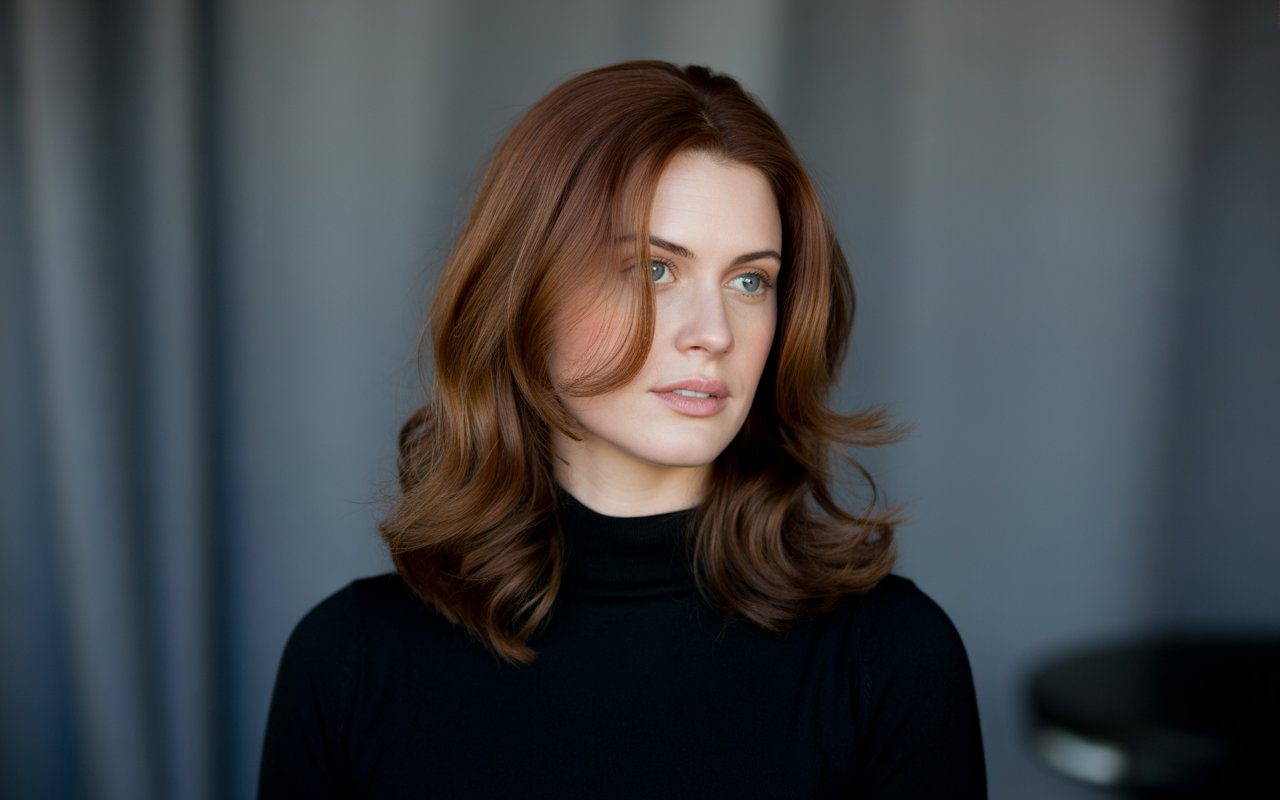
Finding the perfect hair color can transform your entire look, and walnut brown has emerged as one of the most sought-after shades for good reason. This rich, versatile color sits beautifully between chocolate and chestnut, offering warmth and depth that flatters virtually every skin tone. Whether you have fair, medium, or deep complexion, there’s a walnut brown variation that will make your features pop and give your hair that expensive, salon-fresh appearance.
The beauty of walnut brown lies in its incredible adaptability. Unlike single-dimensional browns that can look flat or harsh, this particular shade naturally incorporates subtle undertones ranging from golden honey to cool ash, creating movement and richness even in single-process applications. Professional colorists love working with this hue because it provides an excellent base for adding highlights, lowlights, or dimensional techniques while still maintaining its sophisticated appeal.
If you’re considering a change from blonde, black, or even red hair, walnut brown offers the perfect middle ground that feels both dramatic and wearable. Throughout this guide, you’ll discover five stunning variations of this gorgeous shade, learn which one suits your complexion best, and get professional tips for achieving and maintaining your chosen color. Let’s uncover the walnut brown shade that will become your new signature look.
- What Makes Walnut Brown Hair So Universally Flattering
- Classic Walnut Brown for Timeless Elegance
- Golden Walnut Brown for Sun-Kissed Warmth
- Deep Espresso Walnut for Rich Intensity
- Caramel Walnut Brown for Dimensional Beauty
- Ash Walnut Brown for Cool-Toned Sophistication
- Your Perfect Walnut Brown Awaits
- Frequently Asked Questions
What Makes Walnut Brown Hair So Universally Flattering
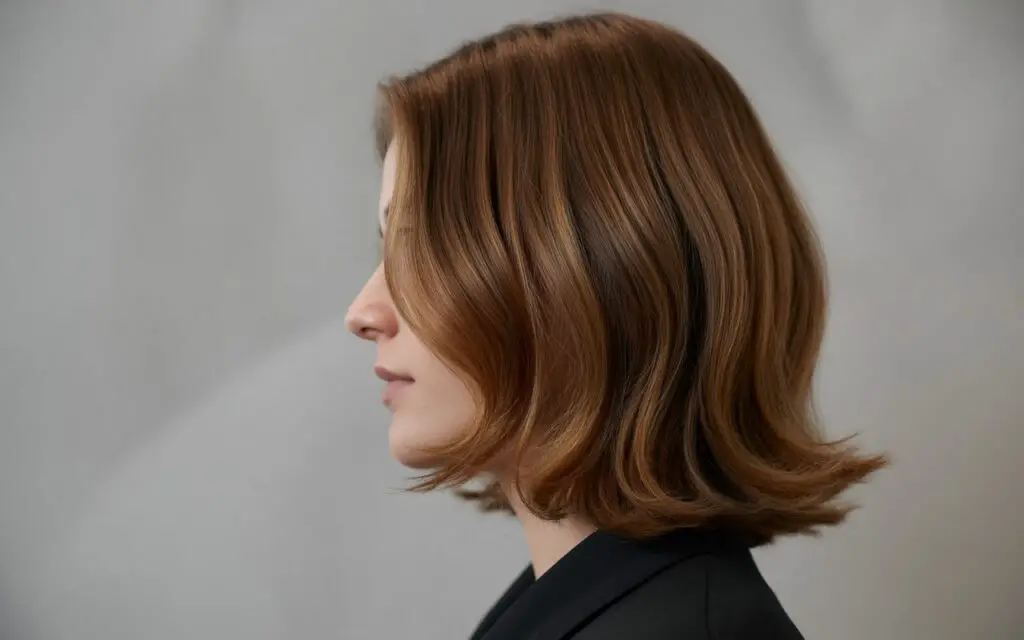
The secret behind walnut brown’s universal appeal starts with its perfectly balanced undertones. This shade contains just enough warmth to add life to your complexion without overwhelming fair skin, while simultaneously offering enough depth to complement darker skin tones beautifully. The color naturally reflects light in a way that creates dimension, making even fine hair appear thicker and more voluminous.
How it complements different skin tones
Women with cool undertones find that walnut brown adds warmth to their complexion without clashing with their natural coloring. The shade works particularly well for those who typically struggle with ashy browns that wash them out or warm browns that appear too orange. For warm-toned skin, this color enhances natural golden undertones while preventing the brassiness that often develops with lighter brown shades.
Those with neutral undertones have perhaps the most flexibility with this shade. They can lean into either the warmer or cooler variations depending on the season or their personal preference. The versatility means you can adjust the formula slightly with each salon visit to keep your look fresh without making drastic changes.
The warmth and dimension it provides
Natural-looking dimension sets walnut brown apart from flat, single-process colors. Even when applied as an all-over color, the shade creates visual interest through its complex undertones. Light catches different aspects of the color throughout the day, revealing golden glints in sunlight and rich chocolate depths in evening lighting.
The inherent warmth in walnut brown also has a rejuvenating effect on your overall appearance. It adds a healthy glow to your skin and can even make your eyes appear brighter and more defined. Many women report looking more rested and youthful after switching to this shade from either very dark or very light colors.
Why colorists recommend this shade
Professional colorists frequently suggest walnut brown because it offers excellent gray coverage while still looking natural. The shade has enough pigment to effectively cover silver strands without creating a harsh line of demarcation as your hair grows. This means fewer touch-ups and more time between salon visits.
Another reason stylists love this color? It works beautifully as a transitional shade. If you’re growing out highlights, recovering from damage, or simply want to give your hair a break from bleaching, walnut brown provides an elegant solution. The color can be customized with subtle highlights or lowlights to prevent the growing-out phase from looking awkward or unkempt.
Maintenance level compared to other browns
Compared to lighter browns that show roots quickly or deeper browns that fade to red, walnut brown strikes an ideal balance for low-maintenance color. The shade typically holds its tone well between appointments, requiring minimal color-depositing treatments at home. Most women find they can stretch their color appointments to every 8-10 weeks without noticeable fading or root growth becoming too obvious.
The products needed to maintain this shade are also relatively simple and affordable. A color-safe shampoo and conditioner, occasional gloss treatment, and heat protectant are usually sufficient to keep the color looking fresh. You won’t need the arsenal of purple shampoos, toning masks, and color correctors required for maintaining blonde or fashion colors.
Classic Walnut Brown for Timeless Elegance
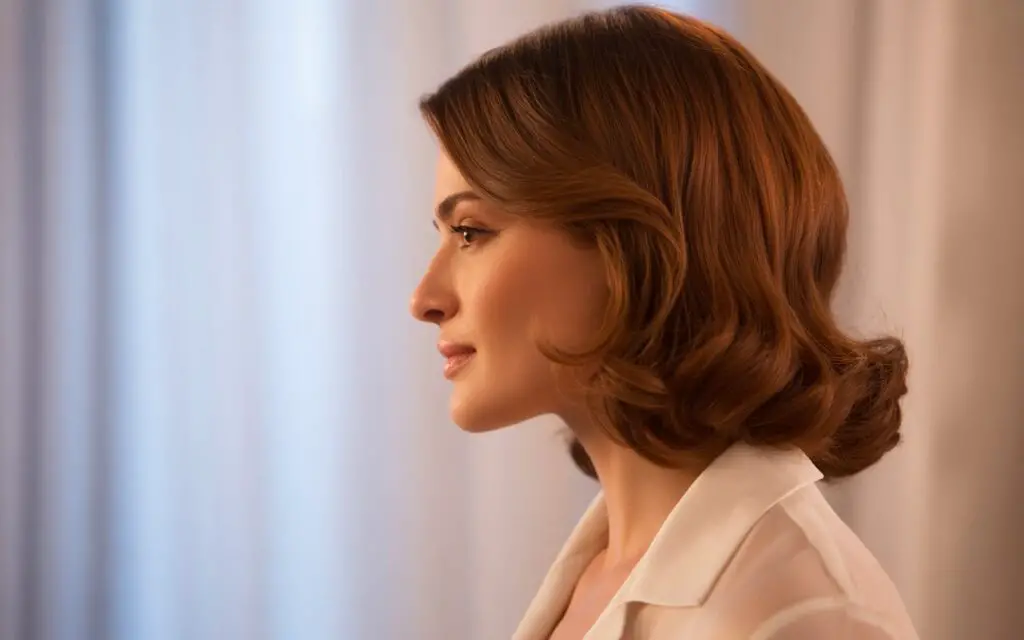
The traditional walnut brown shade represents the perfect balance between light and dark, warm and cool. This foundational version of the color has been a salon staple for decades because it delivers consistent, beautiful results across different hair types and textures.
The traditional walnut brown shade
Classic walnut brown typically falls at a level 5 or 6 on the color scale, placing it firmly in the medium brown category. The shade incorporates subtle red and gold undertones that prevent it from looking muddy or dull, while maintaining enough depth to create contrast against most skin tones. Think of it as the hair color equivalent of your favorite cashmere sweater – luxurious, versatile, and always appropriate.
What distinguishes the classic version from other browns is its neutral balance. It doesn’t lean too heavily warm or cool, making it an excellent choice if you’re unsure which undertone direction suits you best. The color appears rich and multi-faceted without requiring additional highlighting or lowlighting techniques.
Achieving this shade typically involves a single-process application for those starting from a similar depth level. Women with previously colored hair might need a color correction session first to ensure even results. The process usually takes about two hours in the salon, including consultation, application, and styling.
Who this shade works best for
Classic walnut brown particularly flatters women with medium skin tones and hazel or brown eyes. The color brings out the golden flecks often found in these eye colors while creating beautiful contrast against the skin. However, don’t discount this shade if you have blue or green eyes – the warmth can make lighter eyes pop dramatically.
Hair texture plays a role in how this color appears as well. On straight hair, classic walnut brown creates a sleek, polished look that’s perfect for professional settings. Wavy and curly textures benefit from the way light plays off the different curves and bends, creating natural-looking variation throughout the hair. The shade helps define curl patterns while adding shine and reducing the appearance of frizz.
How to achieve the perfect classic walnut
Getting the ideal classic walnut brown requires clear communication with your colorist. Bring reference photos showing the exact shade you want, as “walnut brown” can be interpreted differently by different stylists. Discuss your hair’s history, including any previous color treatments, as this affects how the new color will develop.
Your colorist might recommend different application techniques based on your starting point:
Virgin Hair: Direct application of the chosen formula
Previously Colored: May require color removal or filling
Highlighted Hair: Often needs a color fill to prevent grabbing
Gray Coverage: Might need a slightly adjusted formula for optimal coverage
The development time varies depending on your hair’s porosity and texture, typically ranging from 20 to 45 minutes. Your stylist will check the color’s progress to ensure you achieve the perfect shade without over-processing.
Styling tips for this shade
Classic walnut brown looks stunning with various styling approaches. For a polished look, blow-dry your hair smooth and finish with a lightweight oil to enhance the color’s natural shine. The richness of this shade means you need less product to achieve a glossy finish compared to lighter colors.
Beach waves and textured styles work wonderfully with this color because they showcase the shade’s dimensional qualities. Use a texturizing spray before styling with a curling iron or wand, working in alternating directions for a natural effect. The warmth in the color means you can skip heavy contouring with highlights – the shade itself provides enough visual interest.
For special occasions, consider a deep side part with Hollywood waves. This classic style particularly suits walnut brown because it emphasizes the color’s luxurious depth. A light mist of shine spray catches the light beautifully, creating that expensive-looking finish everyone desires.
Golden Walnut Brown for Sun-Kissed Warmth
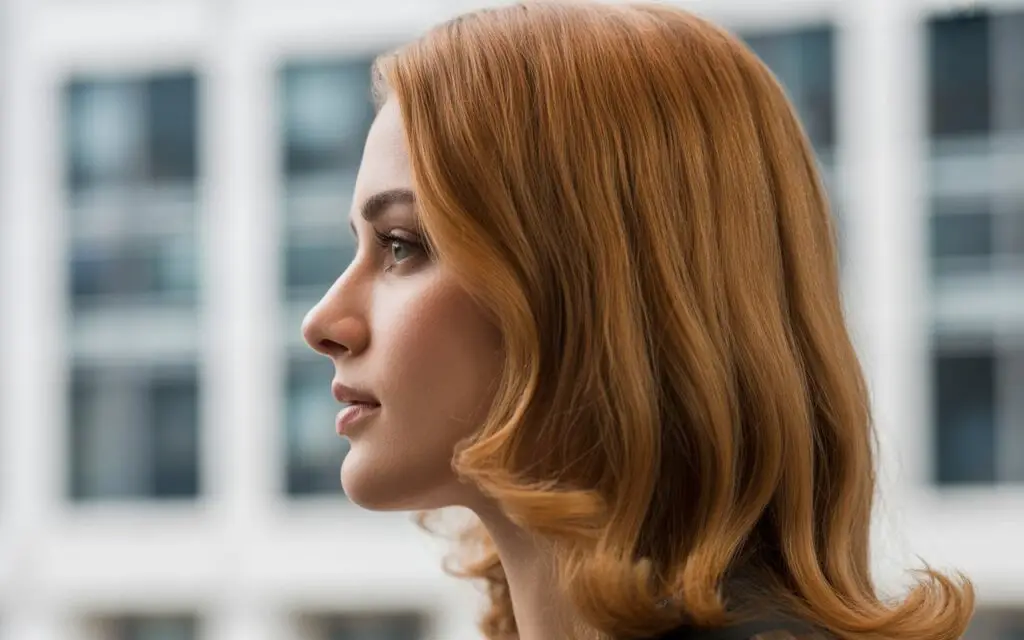
Moving into warmer territory, golden walnut brown infuses traditional walnut with honeyed tones that mimic the effect of spending a summer in the sun. This variation brings extraordinary warmth and luminosity to your hair while maintaining the sophisticated depth that makes walnut brown so appealing.
What defines golden walnut brown
Golden walnut brown contains more prominent yellow and gold undertones compared to the classic version, typically ranging from level 5 to 7 on the color chart. Picture the warm glow of autumn leaves mixed with rich coffee tones – that’s the essence of this stunning shade. The golden elements catch and reflect light more readily than cooler browns, creating an almost illuminated effect in natural sunlight.
This variation works particularly well for women transitioning from blonde or caramel highlights who aren’t ready to commit to a completely dark color. The golden tones provide a bridge between light and dark, maintaining brightness while adding the richness and depth of a brunette shade.
The difference from standard walnut
While standard walnut maintains neutral balance, the golden version deliberately amplifies warm undertones. This creates a more vibrant, energetic appearance that suits women who want their hair color to make a statement without venturing into unnatural territory. The additional warmth also means this shade requires different maintenance than its neutral counterpart.
The formulation process differs significantly too. Colorists typically add gold or copper boosters to the base walnut formula, carefully calibrating the warmth level to complement your skin tone. Too much gold can appear brassy, while too little won’t deliver the sun-kissed effect that makes this variation special.
On different hair types, golden walnut brown performs uniquely. Fine hair appears fuller due to the light-reflecting properties of the golden tones. Thick hair benefits from the way these warmer shades break up density, creating movement and preventing that heavy, helmet-like appearance that can occur with solid dark colors.
Best application techniques
Achieving perfect golden walnut brown often involves a combination of techniques rather than a single all-over application. Many colorists recommend starting with a solid walnut base and adding golden pieces through balayage or foiling. This approach creates more natural-looking dimension while preventing the color from appearing too uniform or flat.
For those seeking maximum golden impact, your stylist might suggest:
A full head of golden walnut with subtle face-framing highlights slightly lighter than the base. This technique brightens your complexion while maintaining color cohesion. The placement of lighter pieces around your face creates a lifting effect that’s particularly flattering for women over 40.
Root shadowing has become increasingly popular with this shade. By keeping roots slightly deeper and allowing the golden tones to begin an inch or two from the scalp, you achieve a lived-in look that requires less frequent touch-ups. This technique also prevents the harsh demarcation line that can occur when golden tones grow out.
How to maintain the golden tones
Preserving the golden warmth in your walnut brown requires specific care strategies. Unlike cooler shades that might benefit from purple-toned products, golden walnut brown thrives with color-enhancing treatments designed for warm brunettes. Look for shampoos and conditioners that contain terms like “golden,” “honey,” or “caramel” in their descriptions.
Weekly gloss treatments help maintain vibrancy between salon visits. These can be professional treatments or at-home glosses specifically formulated for warm brown shades. Apply these treatments to clean, damp hair and leave them on for the recommended time to revive golden tones that might have dulled.
Sun exposure can actually enhance golden walnut brown rather than fade it, but protection remains important. Use a UV-protectant spray when spending time outdoors to prevent the color from becoming brassy or developing unwanted orange tones. The goal is controlled lightening that maintains the sophistication of the base shade.
Hard water presents particular challenges for maintaining golden tones. If you live in an area with mineral-heavy water, consider installing a shower filter or using a clarifying treatment monthly. This prevents mineral buildup that can dull the golden aspects of your color and make it appear muddy.
Deep Espresso Walnut for Rich Intensity
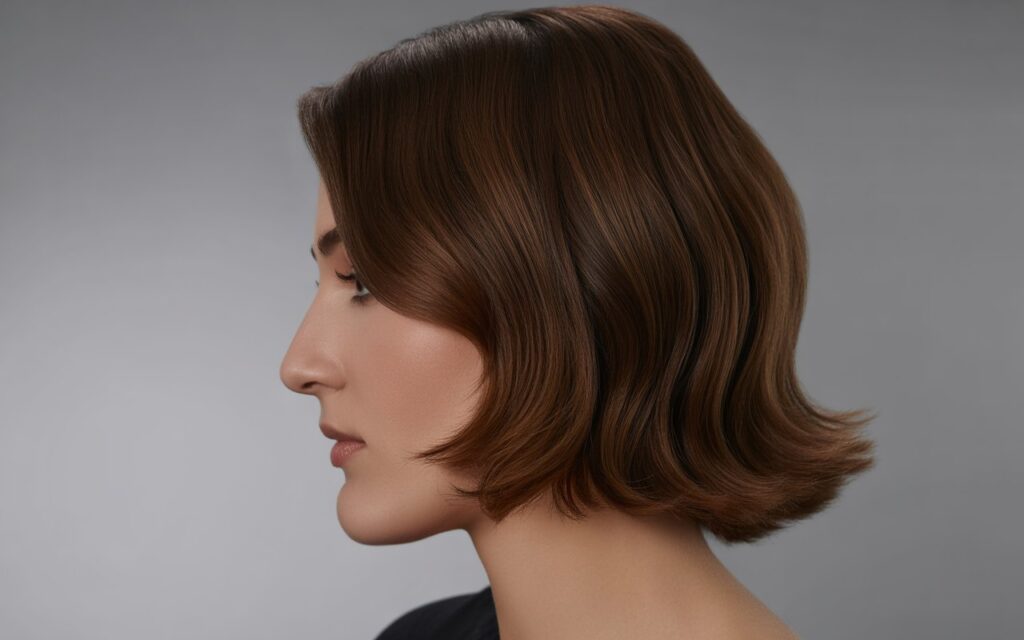
For women seeking drama and depth, deep espresso walnut offers an intensified version of traditional walnut that borders on dark chocolate territory while maintaining those characteristic warm undertones.
Understanding deep walnut variations
Deep espresso walnut typically registers at level 3 or 4 on the color spectrum, making it one of the darkest interpretations of the walnut family. This shade combines the richness of espresso with subtle hints of cinnamon and nutmeg, creating a complex color that appears almost black in low light but reveals beautiful brown tones in sunlight. The depth provides excellent coverage for gray hair while avoiding the harsh, flat appearance of pure black.
The formulation includes more concentrated pigments than lighter walnut variations, with colorists often incorporating multiple brown tones to achieve the perfect depth without sacrificing dimension. Red and gold undertones are still present but more subdued, preventing the color from looking too warm or turning brassy over time.
Suitable hair types and textures
This intense shade works exceptionally well on thick, coarse hair that can handle the weight of darker color without looking overwhelmed. The depth helps manage volume while adding incredible shine that makes even damaged hair appear healthier. Women with naturally dark hair find this shade requires minimal processing to achieve, reducing potential damage.
Curly and textured hair types particularly benefit from deep espresso walnut. The rich color enhances curl definition and adds a luxurious sheen that makes natural texture look intentional and polished. The depth also helps minimize frizz appearance, as darker colors naturally create a smoothing visual effect.
Fine hair can absolutely wear this shade successfully, though the approach differs slightly. Your colorist might recommend adding subtle highlights in a shade just barely lighter than the base to create movement and prevent the color from appearing too heavy. Strategic placement of these lighter pieces around the crown and through the ends maintains the overall depth while adding necessary dimension.
Professional coloring tips
Achieving deep espresso walnut requires careful attention to underlying pigments. Natural brunettes transitioning to this shade might need minimal adjustment, while those with previously lightened hair require filling with warm tones first. This prevents the color from grabbing green or appearing muddy – common problems when applying dark color over blonde or highlighted hair.
The application process for this shade often takes longer than lighter variations:
Pre-treatment: Clarifying to remove product buildup
Filling (if needed): Adding red-orange pigments to blonde sections
Color application: Careful sectioning for even coverage
Processing time: Usually 35-45 minutes for optimal development
Toning: Final adjustment to perfect the undertones
Your colorist might recommend a demi-permanent formula for your first application, especially if you’re going significantly darker. This allows you to test the shade without full commitment and makes it easier to adjust if the color feels too intense initially.
Products for color longevity
Maintaining deep espresso walnut requires products specifically formulated for dark hair. Color-depositing conditioners in espresso or dark chocolate shades help refresh the color between salon visits. Use these once weekly, leaving them on for 5-10 minutes to deposit pigment and enhance shine.
Heat styling can cause this shade to fade more quickly, revealing unwanted red undertones. Always use a thermal protector before blow-drying or using hot tools. Products containing argan or coconut oil work particularly well with dark colors, adding shine without weighing hair down or creating buildup that dulls the color.
A monthly clarifying treatment keeps this shade looking fresh, but follow immediately with a deep conditioning mask. Dark colors can make hair appear drier than lighter shades, so maintaining moisture levels is crucial. Look for masks containing keratin or protein to strengthen hair while preserving color vibrancy.
Caramel Walnut Brown for Dimensional Beauty
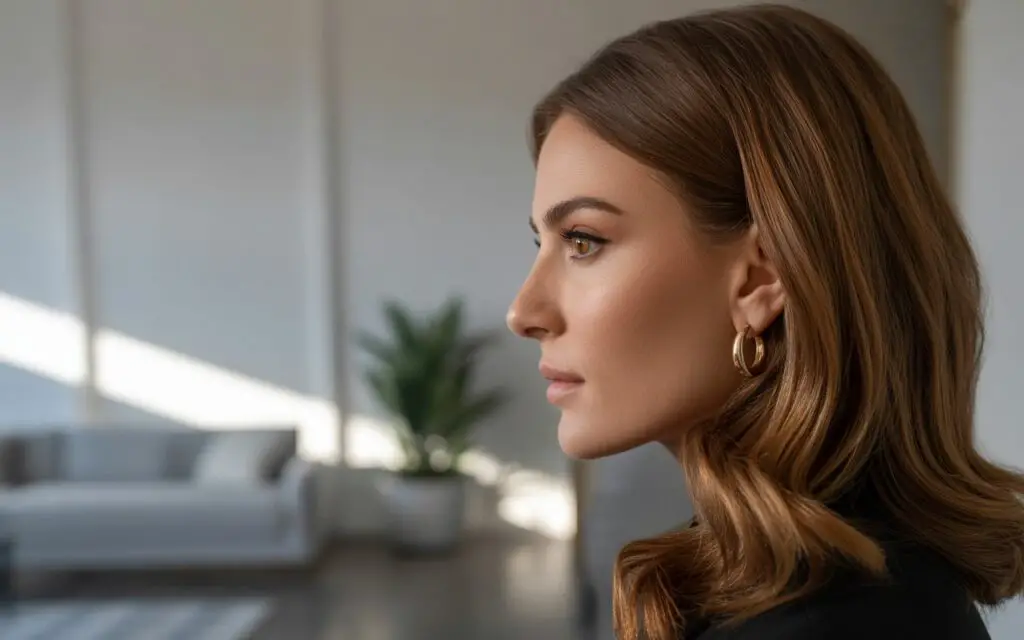
Caramel walnut brown represents the perfect marriage of warm brown and golden blonde tones, creating extraordinary dimension that makes hair look naturally sun-lightened and effortlessly beautiful.
The caramel walnut blend
This variation incorporates ribbons of caramel through a walnut brown base, typically combining level 5-6 base color with level 7-8 caramel pieces. The result mimics the natural highlighting that occurs from sun exposure but with more control and longevity. Think of caramel macchiato – rich espresso swirled with creamy caramel – and you’ll understand the visual effect this color creates.
The placement of caramel tones matters as much as the colors themselves. Strategic positioning around the face, through the mid-lengths, and concentrated at the ends creates that coveted lived-in look. The contrast between the deeper walnut base and lighter caramel pieces adds incredible movement to hair, making it appear fuller and more dynamic.
Unlike traditional highlights that can look stripy or obvious, caramel walnut brown blends seamlessly. The tones are close enough on the color spectrum to create harmony while different enough to provide visual interest. This makes it an excellent choice for women who want dimension without high contrast or obvious grow-out lines.
Creating natural-looking highlights
Achieving believable caramel highlights within walnut brown requires technique precision. Face-framing pieces should be the lightest, gradually deepening as they move away from the face. This creates a natural glow that brightens your complexion while maintaining overall color cohesion.
Your colorist will likely use several techniques to build dimension:
Teasy lights: Backcombing before applying lightener for diffused, soft highlights
Money piece technique: Lighter sections framing the face for brightness
Babylights: Ultra-fine highlights throughout for subtle dimension
Root melt: Blending the base color into highlights for seamless grow-out
The development process varies depending on your starting point. Virgin hair might only need 20 minutes to lift to caramel, while previously colored hair could require 45 minutes or more. Your stylist monitors the lightening process carefully to achieve the perfect caramel tone without over-processing.
Balayage versus traditional coloring
Balayage has become the preferred technique for creating caramel walnut brown because it delivers the most natural-looking results. Hand-painting allows your colorist to customize placement based on your hair’s natural growth patterns and how you typically style it. The technique creates softer, more blended highlights that don’t show obvious regrowth lines.
Traditional foil highlighting still has its place, particularly for women wanting more uniform lightning or those with resistant gray hair. Foils provide more controlled processing and can achieve lighter results than balayage. Some stylists combine both techniques – using foils for brightness around the face and balayage through the lengths for natural blending.
The maintenance requirements differ between techniques. Balayage typically needs refreshing every 12-16 weeks, while traditional highlights might require touch-ups every 8-10 weeks. Consider your lifestyle and budget when choosing between methods, as both can achieve beautiful caramel walnut results with different maintenance schedules.
Seasonal adjustments for this shade
One advantage of caramel walnut brown is its adaptability to seasonal changes. During summer months, you might add more caramel pieces or lighten existing ones slightly to capture that sun-kissed look. Your colorist can achieve this through a simple gloss treatment or by adding a few strategic highlights without completely redoing your color.
Fall and winter call for deeper, richer tones. Adding a chocolate brown gloss over the entire head deepens the base while maintaining the caramel dimension underneath. This creates a more sophisticated look appropriate for cooler months while preserving the investment you made in your highlights.
Spring offers opportunities to refresh and brighten. A clarifying treatment followed by a golden gloss can revive caramel tones that might have dulled over winter. Some women choose to add face-framing babylights during this season to welcome warmer weather with a brightened complexion.
The beauty of this color combination lies in these subtle adjustments. Rather than completely changing your color each season, small tweaks keep your look current and fresh while maintaining the beautiful foundation of caramel walnut brown.
Ash Walnut Brown for Cool-Toned Sophistication
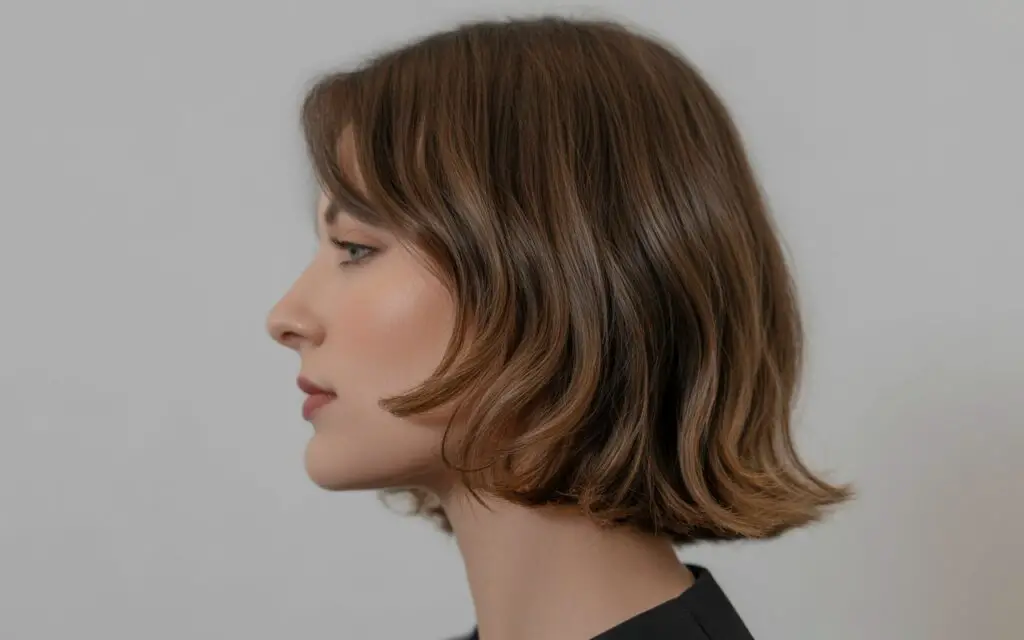
Ash walnut brown offers a sophisticated alternative for women who prefer cooler tones or struggle with unwanted warmth in their hair color.
What makes ash walnut different
Ash walnut brown incorporates blue, green, and violet undertones to neutralize any red or orange warmth typically found in brown shades. Ranging from level 4 to 6, this variation appears more muted and refined than its warmer counterparts. The color resembles expensive suede or aged wood – sophisticated, understated, and incredibly chic.
This shade requires precise formulation to achieve the perfect balance. Too much ash can result in a greenish cast, while too little won’t effectively neutralize unwanted warmth. Professional colorists often spend extra time customizing the formula, sometimes adding multiple toners to achieve the ideal cool-toned result.
The way ash walnut brown interacts with light differs from warmer variations. Instead of golden reflections, you’ll notice silvery or pearl-like dimensions that create an almost metallic sheen in certain lighting. This makes it particularly striking on women with cool-toned skin and blue, green, or gray eyes.
Neutralizing unwanted warmth
Women with naturally warm undertones in their hair often struggle with brassiness, especially after lightening. Ash walnut brown provides a solution by incorporating enough cool pigments to counteract these warm tones while maintaining the richness and depth of a beautiful brunette shade.
The process of achieving ash walnut brown from a warm starting point requires patience:
First, your colorist will assess your hair’s current warmth level and porosity. Porous hair tends to grab warm tones more readily, requiring stronger ash formulation. A strand test helps determine the exact formula needed to achieve your desired result without over-toning.
Next comes the application of the base color, often with added blue or violet pigments. The processing time might be longer than standard applications to ensure complete neutralization of warm undertones. Your stylist will check progress frequently, as over-processing can lead to an unnatural, grayish appearance.
Finally, a toning treatment seals in the cool tones and adds shine. This might involve a professional gloss or toner specifically formulated for ash brown shades. The result should be a sophisticated, cool-toned brown without any hint of brassiness or unwanted warmth.
Best candidates for this shade
Ash walnut brown particularly flatters women with pink or blue undertones in their skin. The cool tones in the hair complement these complexion undertones beautifully, creating harmony between hair and skin color. Women who burn easily in the sun or whose veins appear blue rather than green typically fall into this category.
This shade also works wonderfully for women looking to transition to gray hair gradually. The cool tones blend more naturally with silver strands, making grow-out less noticeable. Some colorists even add intentional silver pieces to ash walnut brown, creating a sophisticated blend that ages gracefully.
Hair texture affects how this color appears. Straight hair showcases the sleek, sophisticated nature of ash tones beautifully. The absence of warm reflects creates an ultra-polished appearance that’s perfect for professional settings. Wavy hair benefits from the way ash tones minimize frizz appearance while adding definition to wave patterns.
Color correction considerations
Achieving ash walnut brown often requires color correction, particularly for those with previous warm-toned color or natural red undertones. This process can be complex and might require multiple sessions to achieve the desired result without compromising hair health.
Common corrections needed include removing previous color buildup, filling hair with the appropriate base tones, and neutralizing persistent warmth. Your colorist might use:
Color removers: To lift previous artificial color
Protein treatments: To strengthen hair before processing
Multiple toning sessions: To gradually achieve the perfect ash tone
Olaplex or similar treatments: To maintain hair integrity during processing
Maintenance for ash walnut brown requires dedication. Cool tones fade faster than warm ones, meaning more frequent salon visits or at-home toning treatments. Purple or blue-based shampoos help maintain the ash tones between appointments, though use them sparingly to avoid over-toning.
Your Perfect Walnut Brown Awaits
After discovering these five stunning walnut brown variations, you’re equipped with everything needed to choose your ideal shade. Whether you gravitate toward the timeless appeal of classic walnut, the warmth of golden tones, the drama of deep espresso, the dimension of caramel highlights, or the sophistication of ash undertones, there’s a version that perfectly complements your style and complexion. The versatility of this color family means you can easily transition between variations as seasons change or your preferences shift.
The key to achieving your dream walnut brown lies in finding an experienced colorist who understands your vision and hair’s unique needs. Book a consultation to discuss which variation best suits your skin tone, maintenance preferences, and lifestyle. With the right shade of walnut brown, you’ll discover a color that not only looks stunning today but continues to impress as it grows out naturally. Your perfect walnut brown transformation is just one salon appointment away – take the plunge and experience the confidence that comes with finding your signature shade.
Frequently Asked Questions
Q: How long does walnut brown hair color typically last before needing a touch-up?
A: Most walnut brown shades maintain their vibrancy for 6-8 weeks before requiring a root touch-up. The exact timing depends on your hair growth rate and the specific variation chosen. Deeper espresso walnut shades might last up to 10 weeks, while lighter caramel variations may need refreshing every 6 weeks.
Q: Can I achieve walnut brown hair color at home, or should I visit a salon?
A: While box dyes offer walnut brown options, achieving the multi-dimensional quality that makes this color special typically requires professional application. Salon colorists can customize the formula for your specific hair type and starting color, ensuring even coverage and preventing unwanted undertones.
Q: Will walnut brown hair color cover my gray hair completely?
A: Yes, walnut brown provides excellent gray coverage due to its medium depth and rich pigmentation. The color effectively covers gray while looking natural. For resistant grays, your colorist might adjust the formula or processing time to ensure complete coverage.
Q: What’s the difference between walnut brown and chocolate brown hair color?
A: Walnut brown contains more complex undertones with hints of red and gold, creating greater dimension than chocolate brown. Chocolate brown tends to be flatter and cooler, while walnut brown offers warmth and multi-tonal richness that reflects light differently.
Q: How much does it typically cost to get walnut brown hair at a salon?
A: Single-process walnut brown color typically ranges from $80-150 depending on your location and salon. Adding highlights or dimensional techniques like balayage for caramel walnut variations can increase the cost to $150-300. Maintenance appointments are usually less expensive than initial coloring.
Q: Can I go from blonde to walnut brown in one salon session?
A: Yes, transitioning from blonde to walnut brown is usually achievable in one session. Your colorist will likely need to fill your hair with warm pigments first to prevent the brown from appearing muddy or grabbing green. The process might take 3-4 hours but delivers immediate results.
Q: What hair products should I use to maintain walnut brown color?
A: Use sulfate-free shampoo and conditioner designed for color-treated hair. Add a weekly hair mask for moisture and monthly gloss treatment to refresh color. Heat protectant spray is essential before styling. For ash walnut, incorporate blue or purple-toned products; for golden variations, use color-enhancing treatments for warm browns.
Q: Is walnut brown hair high-maintenance compared to other hair colors?
A: Walnut brown is actually one of the lower-maintenance color choices. It grows out naturally without harsh demarcation lines, holds its tone well between appointments, and doesn’t require the extensive product arsenal needed for blonde or fashion colors. Most women find it easier to maintain than lighter shades.

