

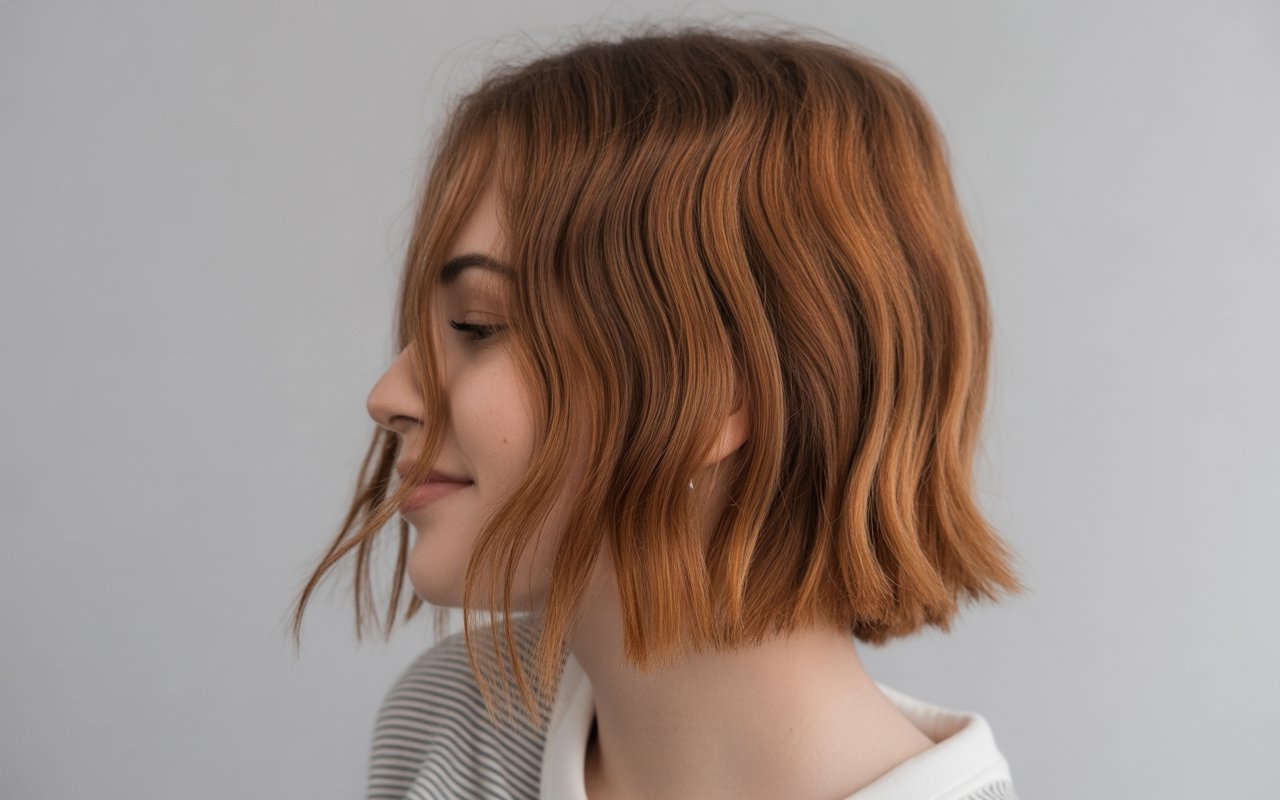
The hazelnut hair color trend has taken the beauty world by storm, offering a sophisticated blend of warm browns, subtle golds, and creamy beige undertones that create an incredibly flattering shade for virtually any complexion. This versatile color family draws inspiration from the rich, multi-dimensional hues found in hazelnuts themselves, delivering a natural-looking result that feels both timeless and thoroughly modern. Whether you’re looking to make a dramatic change or simply enhance your natural color with warm, inviting tones, hazelnut hair provides the perfect balance between statement-making and wearable.
What sets hazelnut hair apart from other brunette shades is its remarkable ability to adapt to different base colors and styling techniques while maintaining its signature warmth and depth. The color exists on a spectrum that ranges from light, creamy hazelnut blonde to deep, chocolatey hazelnut brown, with countless variations in between. This flexibility means you can customize the shade to complement your skin’s undertones, eye color, and personal style preferences, making it one of the most universally flattering hair color choices available today.
The beauty of hazelnut hair lies not just in its aesthetic appeal but also in its practical benefits. The multi-tonal nature of this shade helps disguise root growth more effectively than single-process colors, extending the time between salon visits. Additionally, the warm undertones add natural shine and dimension to hair, creating the illusion of fuller, healthier strands even in fine or damaged hair. This combination of beauty and practicality has made hazelnut one of the most requested colors in salons across the country.
- What Makes Hazelnut Hair Color So Irresistible?
- Creamy Hazelnut Blonde: The Lighter Side of Perfection
- Rich Hazelnut Brown: The Classic Choice
- Hazelnut Balayage: Sun-Kissed Sophistication
- Hazelnut Highlights on Dark Hair: Subtle Drama
- Caramel Hazelnut Swirls: The Dimensional Dream
- The versatility and beauty of hazelnut hair color
- Frequently Asked Questions
What Makes Hazelnut Hair Color So Irresistible?
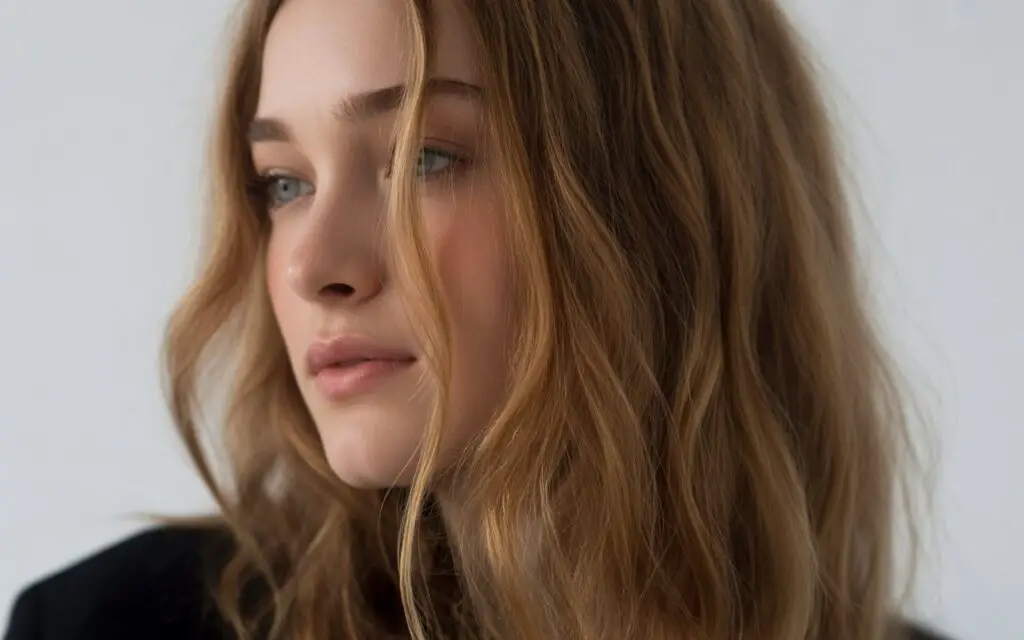
The magic of hazelnut hair color begins with its complex blend of tones that work together to create extraordinary depth and dimension. Unlike flat, single-dimensional browns, hazelnut incorporates golden, caramel, and sometimes even subtle copper undertones that catch light beautifully and create movement throughout your hair. This intricate color composition means your hair looks different in various lighting conditions – rich and mysterious indoors, warm and glowing in sunlight, and sophisticated under evening lights.
The unique blend of tones
The foundation of any great hazelnut shade starts with understanding its color DNA. At its core, hazelnut combines neutral brown bases with warm golden reflects, creating a color that sits perfectly between blonde and brunette territories. This unique positioning makes it an ideal transitional shade for blondes wanting to go darker without losing all their warmth, or for brunettes seeking to brighten up without the commitment of going fully blonde. The subtle interplay of cool and warm tones within the hazelnut family ensures the color never appears flat or one-dimensional, instead offering constantly shifting hues that keep the eye engaged.
Versatility across skin tones
One of hazelnut’s greatest strengths is its chameleon-like ability to complement virtually every skin tone when properly customized. For fair complexions, lighter hazelnut shades with prominent golden undertones create warmth without overwhelming delicate features. Medium skin tones benefit from classic mid-tone hazelnuts that enhance natural warmth while providing enough contrast to define features. Deeper skin tones look stunning in rich, chocolatey hazelnuts with caramel ribbons that create gorgeous contrast and highlight facial features beautifully. The key lies in working with a colorist who understands how to adjust the formula’s warm-to-cool ratio to perfectly suit your individual coloring.
Natural-looking dimension
The dimensional quality of hazelnut hair creates an incredibly natural appearance that mimics the way hair naturally lightens and darkens from sun exposure and environmental factors. This built-in variation means hazelnut hair moves and flows with exceptional realism, avoiding the helmet-like appearance that can plague single-process colors. The multiple tones within the color create shadows and highlights that add visual texture, making even the simplest hairstyles look more interesting and dynamic. This natural dimension also photographs beautifully, as the various tones catch light differently to create depth in both professional photos and casual selfies.
Low maintenance appeal
Perhaps one of the most appealing aspects of hazelnut hair color is its relatively low maintenance requirements compared to other trendy shades. The warm, multi-tonal nature of hazelnut helps seamlessly blend new growth, meaning you can stretch appointments to every 8-12 weeks rather than the typical 4-6 weeks required for single-process colors or high-contrast highlights. The color also fades gracefully, gradually lightening to beautiful caramel and honey tones rather than turning brassy or ashy. This forgiving fade pattern means your hair continues looking intentional and polished even weeks after your salon visit, making hazelnut an excellent choice for busy professionals or anyone wanting gorgeous color without constant upkeep.
Creamy Hazelnut Blonde: The Lighter Side of Perfection
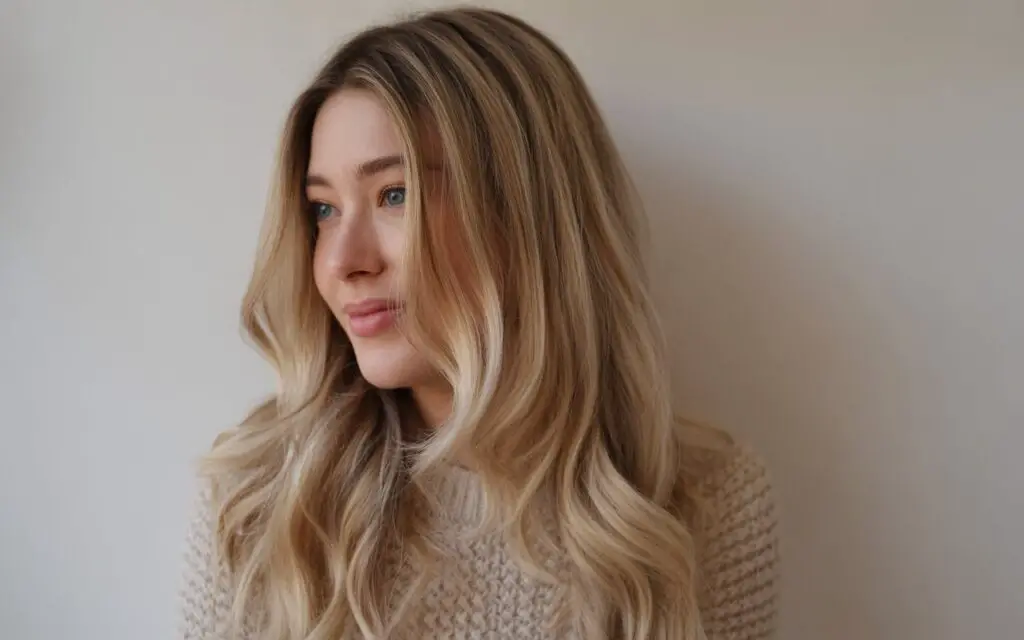
Creamy hazelnut blonde represents the lightest interpretation of the hazelnut family, offering a stunning bridge between traditional blonde and light brown that feels fresh, modern, and incredibly wearable. This particular variation combines the brightness of blonde with the depth and richness of hazelnut undertones, creating a color that offers the best of both worlds. The result is a sophisticated shade that provides the light-reflecting properties of blonde while maintaining the grounding warmth and dimension that hazelnut is known for.
Color composition
The formula for achieving creamy hazelnut blonde involves carefully balancing light brown and dark blonde bases with strategic placement of golden and beige tones throughout. The overall effect should read as a light color with depth, rather than a flat, uniform blonde. Colorists typically start with a level 7 or 8 base, then weave in lighter pieces ranging from level 9 to 10 to create that signature creamy appearance. The “hazelnut” element comes from maintaining warm undertones throughout, avoiding any ashiness that would cool down the overall effect. This might include incorporating subtle copper or gold reflects in the mid-lengths and ends to enhance the warmth and create that characteristic hazelnut glow.
Best for which skin tones
Creamy hazelnut blonde particularly flatters those with warm or neutral undertones in their skin, though the shade can be adjusted to work with cooler complexions as well. Fair-skinned individuals with pink or peachy undertones find this shade especially complementary, as it adds warmth without creating too much contrast. Those with light to medium olive skin tones discover that creamy hazelnut blonde enhances their natural golden undertones beautifully. The key for cooler skin tones lies in incorporating slightly more beige and less gold into the formula, creating a version that maintains the hazelnut essence without clashing with cool undertones. Eye color also plays a role – this shade makes green and hazel eyes pop dramatically while softening the intensity of darker brown eyes.
Styling tips
The light-reflective properties of creamy hazelnut blonde make it ideal for showcasing texture and movement in your styling. Loose waves and beachy textures particularly complement this color, as the bends and curves create opportunities for light to catch different tones within the hair. When styling, using products that enhance shine without weighing hair down helps maximize the dimensional quality of the color. Texture sprays and sea salt sprays work beautifully to create that effortless, tousled look that makes creamy hazelnut blonde appear sun-kissed and natural. For sleeker styles, a lightweight smoothing serum helps create glossy finishes that showcase the color’s complexity. Braided styles also work exceptionally well with this shade, as the interweaving strands display the various tones beautifully.
Maintenance requirements
Maintaining creamy hazelnut blonde requires a dedicated but manageable routine focused on preserving both the color and the health of lightened hair. Purple shampoo used once weekly helps neutralize any unwanted yellow tones that might develop, keeping the creamy quality intact. Deep conditioning treatments every two weeks address the potential dryness that comes with lighter hair, ensuring strands remain soft and manageable. Color-depositing masks in warm blonde or light caramel shades can refresh the color between salon visits, extending the life of your investment. Heat protection becomes especially crucial with this lighter shade, as heat styling can accelerate color fading and increase brassiness. Most clients find they need root touch-ups every 8-10 weeks, though the gradual grow-out tends to look intentional rather than neglected.
Products to achieve the look
Creating and maintaining creamy hazelnut blonde at home requires specific products designed for color-treated, lightened hair. A sulfate-free shampoo formulated for blonde hair helps preserve the delicate tones while gently cleansing. Following with a color-protecting conditioner that contains UV filters prevents sun-induced fading and brassiness. Weekly glossing treatments containing warm blonde pigments refresh the creamy tones and add incredible shine. For styling, a volumizing mousse helps create body without dulling the multi-dimensional color, while a finishing oil adds glossy perfection to styled hair. Those attempting to achieve this color at home should look for demi-permanent colors in “dark blonde” or “light caramel” ranges, though professional application typically yields superior results due to the complexity of achieving the perfect creamy hazelnut balance.
Rich Hazelnut Brown: The Classic Choice
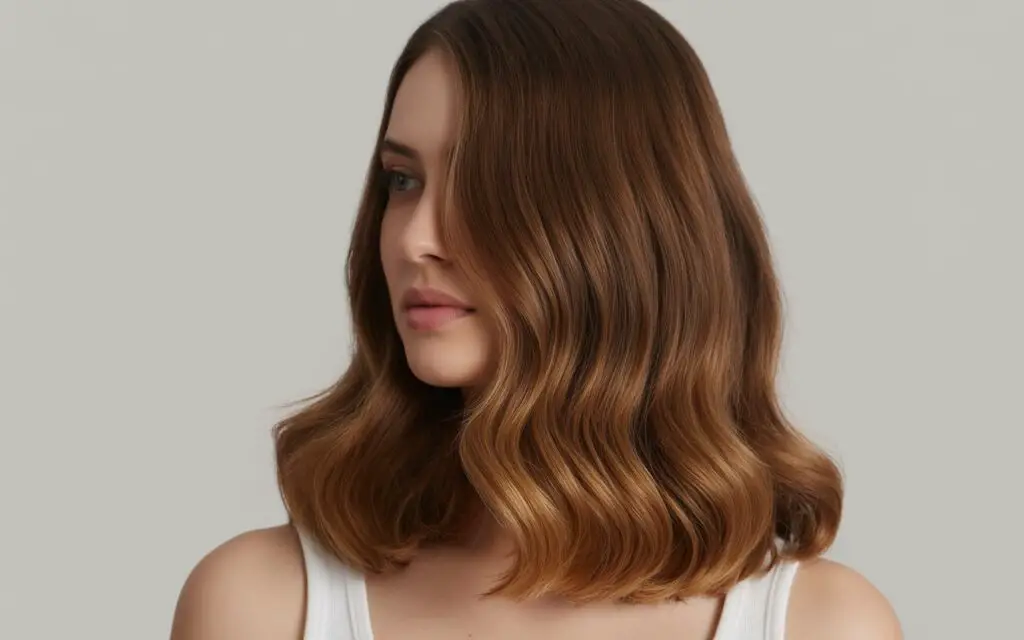
Rich hazelnut brown embodies the heart of the hazelnut color family, delivering a luxurious depth that combines chocolate richness with golden warmth in perfect harmony. This timeless shade offers sophistication without stuffiness, creating a color that feels both polished and approachable. The beauty of rich hazelnut brown lies in its ability to look expensive and multi-dimensional while requiring less processing than lighter variations, making it an ideal choice for those seeking maximum impact with minimal damage.
Depth and richness
The secret to achieving truly rich hazelnut brown lies in layering multiple brown tones to create complexity rather than relying on a single flat color. The base typically starts at a level 4 or 5, providing enough depth to create contrast with the lighter hazelnut tones woven throughout. Colorists then add ribbons of warmer level 6 and 7 shades, incorporating golden and caramel reflects that catch light and create movement. The richness comes not just from the darkness of the base but from the saturation of the warm tones – think melted chocolate mixed with honey rather than flat espresso. This interplay between deep and warm creates a color that appears almost edible in its richness, with a glossy finish that makes hair look incredibly healthy and vibrant.
Universal appeal
Rich hazelnut brown stands out as perhaps the most universally flattering shade within the hazelnut family, working beautifully across all skin tones and undertones. The balanced combination of depth and warmth means it provides enough contrast for fair skin without overwhelming delicate features, while offering sufficient richness to complement deeper skin tones without appearing washed out. The golden undertones add life to sallow or dull complexions, while the brown base prevents the color from appearing too bright or artificial. This versatility extends to different hair textures as well – the dimension within rich hazelnut brown enhances straight hair’s sleekness, amplifies wavy hair’s movement, and defines curly hair’s spirals beautifully. The shade also transitions seamlessly through seasons, feeling cozy and appropriate in fall and winter while maintaining enough warmth to feel fresh in spring and summer.
How to achieve it
Creating rich hazelnut brown typically involves a combination of permanent color for the base and either highlights or lowlights to add the characteristic hazelnut dimension. For those starting with darker hair, the process might involve subtle lightening of select strands to create space for the warmer tones, while those with lighter hair will need to deepen their base while preserving some lighter pieces for contrast. The application technique matters as much as the formula – skilled colorists often use a combination of foiling for precise placement and balayage for seamless blending. The goal is achieving a result that looks naturally multi-tonal rather than striped or chunky. For those with previously colored hair, the process might require color correction to neutralize unwanted tones before applying the hazelnut formula, ensuring the warmth appears clean and intentional rather than brassy.
Pairing with different styles
Rich hazelnut brown’s versatility extends to its compatibility with virtually any haircut or styling approach, though certain styles particularly showcase its dimensional beauty. Long layers create multiple opportunities for the various tones to peek through, especially when styled with loose waves that allow light to play across the different levels. Bob cuts in rich hazelnut brown appear fuller and more dynamic thanks to the color’s inherent dimension, with the warmth adding softness to potentially severe lines. Pixie cuts benefit from the color’s depth, which adds visual interest to shorter styles that might otherwise appear flat. The shade works equally well with polished, professional styles for the office and undone, textured looks for weekends. Updos and ponytails reveal beautiful color variation that might be hidden in everyday wearing, making special occasion styling particularly striking.
Color longevity
One of the major advantages of rich hazelnut brown is its impressive staying power compared to lighter or more fashion-forward shades. The deeper base means less frequent root touch-ups, with many clients able to stretch appointments to 10-12 weeks while still maintaining a polished appearance. The color tends to fade gradually and attractively, shifting slowly toward warmer caramel tones rather than turning dull or ashy. This graceful fading process means hair continues looking intentional even months after initial application. To maximize longevity, using color-safe shampoos and conditioners helps preserve both the depth and warmth of the shade. Weekly glossing treatments restore shine and refresh the warm tones that might fade first. Heat styling tools should be used at moderate temperatures with proper protection, as excessive heat can accelerate color oxidation and dull the rich tones that make this shade special.
Hazelnut Balayage: Sun-Kissed Sophistication
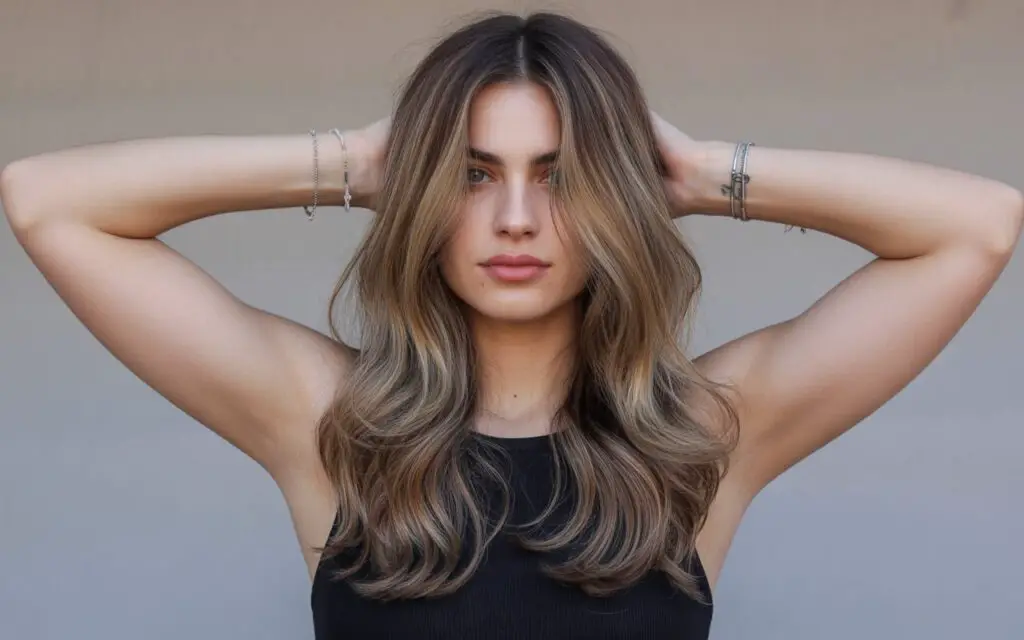
Hazelnut balayage represents the perfect marriage between expert color technique and the naturally beautiful hazelnut shade, creating results that appear effortlessly sun-kissed while maintaining sophisticated polish. This hand-painted approach to hazelnut color allows for completely customized placement that enhances your specific face shape, hair texture, and lifestyle needs. The freedom of balayage technique means your colorist can create anything from subtle, barely-there hazelnut accents to bold, dramatic sweeps of color that transform your entire look.
Technique overview
The balayage technique involves hand-painting color directly onto sections of hair, creating soft, graduated color that lacks the harsh lines associated with traditional foil highlighting. When applied to achieve hazelnut tones, colorists typically paint lighter hazelnut shades onto a darker base, though reverse balayage using deeper hazelnuts on lighter hair creates equally stunning results. The painting process allows for intuitive placement based on how your particular hair falls and moves, ensuring the color enhances your natural patterns rather than fighting against them. The technique typically concentrates lighter pieces around the face and through the ends, mimicking how sun naturally lightens hair. This strategic placement creates an incredibly flattering frame for your features while maintaining darker, more grounded roots that add depth and reduce maintenance requirements.
Placement strategies
Strategic placement makes all the difference in achieving hazelnut balayage that feels both natural and impactful. Face-framing pieces typically receive the lightest hazelnut tones, creating brightness that lifts the complexion and draws attention to the eyes. The colorist might paint broader sections through the mid-lengths, alternating between different hazelnut tones to create seamless dimension. The key lies in varying both the size and saturation of painted sections – some pieces might be hair-thin whispers of color while others are bold swaths that create dramatic movement. Placement also considers your daily styling routine; those who frequently wear their hair up might receive more color through the underneath sections, while side-part wearers benefit from concentrated placement along their natural part line. The beauty of customized balayage means every application is unique, designed specifically for your individual hair and lifestyle.
Blending options
The gradient nature of balayage allows for endless blending possibilities within the hazelnut spectrum, from stark contrasts that create drama to subtle transitions that whisper rather than shout. Some prefer a high-contrast approach, with deep chocolate brown roots melting into bright creamy hazelnut ends for maximum impact. Others opt for a more subtle blend, using multiple hazelnut tones that differ by only one or two levels for sophisticated dimension that reveals itself gradually. The blending zone – where darker roots transition to lighter lengths – can be positioned high for a more highlighted look or kept low for that lived-in, grow-out-friendly style. Colorists might incorporate transitional shades like chestnut or toffee to create seamless flow between depths, ensuring no harsh lines disrupt the organic feel. The melting technique, where colors seamlessly flow into each other, creates particularly beautiful results with hazelnut tones, as the warm undertones naturally complement each other.
Growing out gracefully
Perhaps the greatest advantage of hazelnut balayage lies in its exceptionally graceful grow-out, which explains why this technique has become so popular among those seeking beautiful but low-maintenance color. The hand-painted application starts away from the root, meaning new growth blends naturally with the existing color rather than creating an obvious line of demarcation. As months pass, the balayage simply appears to move lower on the hair shaft, maintaining its beauty while requiring no immediate attention. This natural progression means many clients can go 3-4 months between appointments while still looking polished and intentional. The warm hazelnut tones tend to fade into equally attractive caramel and honey shades, meaning even color that has lightened over time maintains its appeal. This extended timeline between services makes hazelnut balayage particularly cost-effective despite the initial investment in the hand-painting technique.
Professional vs DIY
While DIY balayage kits have flooded the market, achieving truly beautiful hazelnut balayage typically requires professional expertise, particularly given the nuanced nature of hazelnut tones. Professional colorists understand how to adjust formulas based on your hair’s underlying pigments, ensuring the hazelnut tones appear warm and rich rather than brassy or muddy. They possess the technical skill to create seamless blends and natural-looking placement that enhances your specific features. The hand-painting technique itself requires practice and an artistic eye that takes years to develop. However, for those determined to attempt hazelnut balayage at home, starting with subtle placement and conservative lightening offers the best chance of success. Using a balayage kit specifically designed for brunettes helps avoid over-lightening, while watching multiple tutorial videos provides technique guidance. The key lies in accepting that DIY results likely won’t match salon perfection and being prepared to seek professional help if things go wrong. Many colorists recommend starting with professional balayage, then maintaining it at home with glosses and toners rather than attempting the initial painting yourself.
Hazelnut Highlights on Dark Hair: Subtle Drama
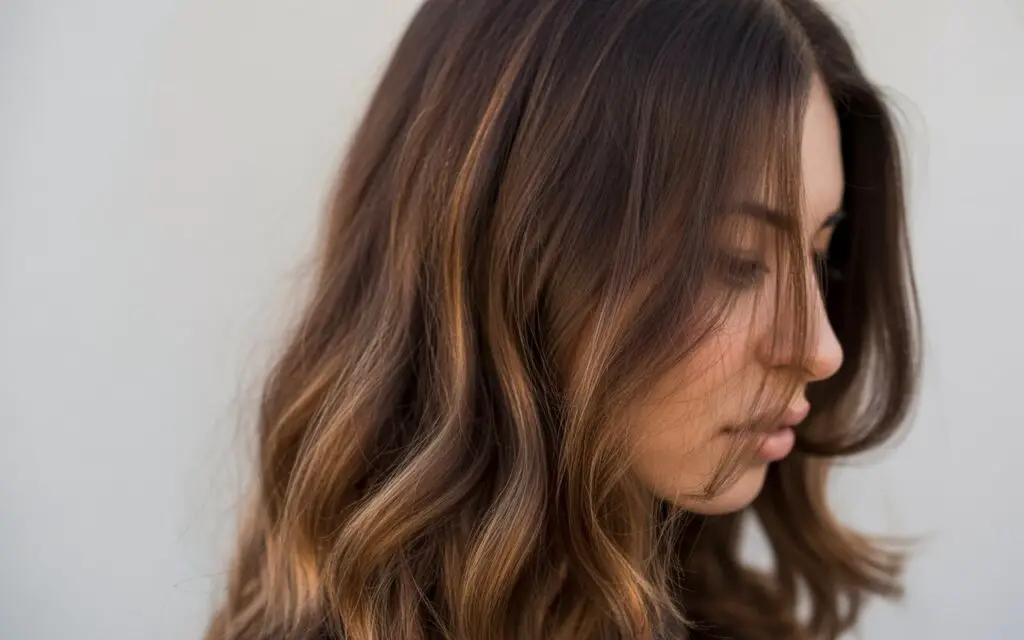
Hazelnut highlights on dark hair create a stunning interplay of light and shadow that adds incredible dimension while maintaining the richness of a darker base. This approach offers the perfect solution for those who want to incorporate the warmth and movement of hazelnut tones without committing to an all-over color change. The contrast between deep brunette or black hair and strategically placed hazelnut highlights creates visual interest that catches light beautifully and adds perceived volume and texture to any style.
Contrast levels
The level of contrast between your dark base and hazelnut highlights dramatically impacts the overall effect, ranging from whisper-soft dimension to bold, face-framing statements. Subtle contrast using hazelnut tones just two to three levels lighter than your base creates an incredibly natural look, as if your hair has been gently kissed by the sun. This approach works beautifully for those in conservative professions or anyone preferring understated elegance. Medium contrast, with hazelnut highlights four to five levels lighter, offers more noticeable dimension while still maintaining sophistication. High contrast, where light hazelnut pieces pop against very dark hair, creates drama and ensures the highlights are visible even in low light. The choice depends on your personal style, maintenance preferences, and how much of a statement you want to make.
Placement techniques
Strategic placement of hazelnut highlights on dark hair requires careful consideration of both your natural hair patterns and desired outcome. Traditional foil highlighting creates precise, evenly distributed highlights that offer consistent dimension throughout, perfect for those wanting predictable, polished results. The foiling technique allows for exact control over which strands receive color, making it ideal for creating symmetrical face-framing or achieving specific patterns. Alternatively, the babylights technique uses ultra-fine sections to create incredibly natural-looking dimension that mimics the subtle variations found in children’s hair. For hazelnut highlights on dark hair, combining techniques often yields the best results – perhaps babylights through the crown for subtle lift with bolder foiled pieces around the face for impact. The key lies in avoiding uniform spacing or sizing, as variation creates the natural appearance that makes hazelnut highlights so appealing.
Face-framing options
Face-framing hazelnut highlights on dark hair offer an instant complexion boost and can be customized to flatter any face shape. For round faces, concentrating highlights from the cheekbones down creates a lengthening effect, while keeping the crown area darker adds visual height. Square faces benefit from soft, sweeping highlights that start at the temples and gradually increase in density toward the ends, softening angular features. Heart-shaped faces look stunning with highlights concentrated around the jawline to balance a narrower chin. Oval faces enjoy the most flexibility, able to carry highlights placed anywhere from roots to ends. The warmth of hazelnut tones adds a natural glow to all skin tones, but placement can be adjusted to either enhance or minimize certain features. Starting highlights slightly away from the hairline creates a natural shadow that can minimize a prominent forehead, while bringing highlights close to the face brightens the complexion and makes eyes appear more vibrant.
Maintenance schedule
Maintaining hazelnut highlights on dark hair requires a balanced approach that preserves both the integrity of your natural dark hair and the vibrancy of the highlighted sections. Root touch-ups typically aren’t necessary as frequently as with all-over color, with most clients needing refreshing every 10-14 weeks depending on growth rate and placement. The dark base means new growth blends relatively seamlessly, especially if highlights were placed strategically away from the scalp. Between salon visits, using a color-depositing mask in warm brown or caramel shades helps maintain the hazelnut tones’ richness and prevents them from becoming brassy or dull. Purple shampoo isn’t typically necessary unless highlights were lifted very light, as the warmth is intentional in hazelnut tones. Regular glossing treatments every 3-4 weeks add incredible shine and refresh the color, making both the dark base and highlights appear more vibrant.
Protecting color vibrancy
Preserving the beautiful contrast between dark hair and hazelnut highlights requires protective measures against common color-fading culprits. UV exposure poses a particular threat, as sun can simultaneously darken the highlights toward brassiness while fading the dark base to reveal unwanted red undertones. Using hair products containing UV filters and wearing hats during extended sun exposure helps maintain color integrity. Swimming in chlorinated pools or salt water requires pre-treatment with a protective leave-in conditioner and immediate rinsing afterward. Heat styling should be approached carefully, always using thermal protection and keeping tools at moderate temperatures to prevent color oxidation. Washing with cool water helps seal the cuticle and lock in color, while limiting wash frequency to 2-3 times weekly prevents premature fading. Silk or satin pillowcases reduce friction that can rough up the cuticle and accelerate color loss. Deep conditioning treatments specifically formulated for color-treated hair help maintain the health of highlighted sections while keeping the overall look fresh and glossy.
Caramel Hazelnut Swirls: The Dimensional Dream
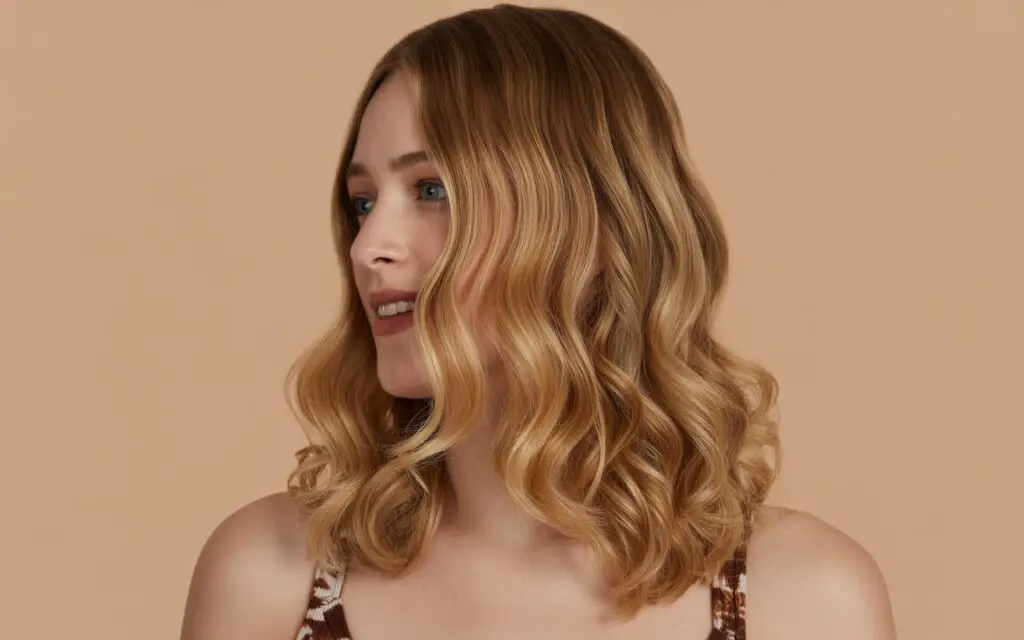
Caramel hazelnut swirls represent the ultimate in dimensional color, combining the richness of hazelnut with golden caramel tones that create mesmerizing movement and depth. This technique involves weaving multiple complementary shades throughout the hair, resulting in a color that seems to shift and change with every movement. The effect is neither entirely hazelnut nor fully caramel, but rather a harmonious blend that captures the best qualities of both shades while creating something entirely unique and personalized.
Multi-tonal approach
The magic of caramel hazelnut swirls lies in using three or more distinct but related tones to create complexity that single or dual-toned color simply cannot achieve. The foundation typically starts with a medium hazelnut base, providing the perfect canvas for both lighter and darker accents. Ribbons of golden caramel, ranging from light honey to rich butterscotch, weave through to create warmth and light. Deeper hazelnut or even chocolate brown pieces add grounding depth that prevents the overall effect from appearing too light or insubstantial. Some colorists incorporate subtle copper or auburn tones for additional warmth and dimension, though these should remain accent notes rather than dominant themes. The result reads as a cohesive color story despite containing multiple individual shades, with each tone supporting and enhancing the others rather than competing for attention.
Color mixing techniques
Achieving perfect caramel hazelnut swirls requires masterful color mixing that goes beyond simple highlighting or lowlighting. Colorists often employ a combination of techniques within a single service to create the swirled effect. Foiling allows for precise placement of specific tones, essential for ensuring even distribution of the various colors. Balayage adds softer, painted pieces that create seamless transitions between shades. The increasingly popular foilyage technique combines both methods, using foils to create lift while maintaining the soft edges characteristic of balayage. Some colorists use a technique called color melting, where multiple formulas are applied in sequence and blended while processing to create impossible-to-detect transitions. The key lies in avoiding any harsh lines or obvious patterns – the swirls should appear organic and fluid, as if the colors naturally flowed into one another. This requires not just technical skill but artistic vision to ensure the final result appears effortlessly beautiful rather than overworked.
Creating movement
The swirled placement pattern is what transforms multiple tones from potentially chaotic to absolutely captivating. Rather than following traditional highlighting patterns, caramel hazelnut swirls should twist and wind through the hair in irregular patterns that mimic natural movement. Colorists might follow the natural wave pattern in wavy hair, enhancing existing movement with strategic color placement. In straight hair, creating diagonal or curved color patterns adds visual movement that makes even pin-straight styles appear dynamic. The varying sizes of colored sections – from whisper-thin strands to broader ribbons – creates rhythm and prevents monotony. Concentrating lighter swirls through the areas where hair naturally moves most, such as the ends and layers, amplifies the sense of flow. The placement should consider how hair looks both at rest and in motion, ensuring the swirled effect remains visible whether hair is pulled back, worn down, or styled in various ways.
Seasonal adaptability
One unexpected benefit of caramel hazelnut swirls is their remarkable ability to transition beautifully through seasonal changes. The multi-tonal nature means the color can appear differently depending on lighting and styling, feeling appropriate year-round with minor adjustments. In summer, emphasizing the caramel tones with glosses or styling products that enhance warmth makes the color feel sun-kissed and beachy. Fall and winter call for playing up the deeper hazelnut tones, using richer styling products that enhance the cozy, luxurious feeling of the color. The complexity within the swirls means you can shift the overall impression simply by changing your parting or styling technique – a deep side part might reveal more caramel pieces for brightness, while a center part could showcase the hazelnut depth. This adaptability extends the time between major color services, as subtle toner adjustments can refresh the look for each season without requiring complete recoloring.
Upkeep strategies
Maintaining the intricate beauty of caramel hazelnut swirls requires a thoughtful approach that addresses the different needs of multiple tones within one head of hair. The varying levels of lightness mean some sections may require different care than others – lighter caramel pieces might benefit from purple toning to prevent brassiness, while deeper hazelnut sections need warming masks to maintain richness. A rotation system of treatments works well, alternating between color-depositing masks in caramel and hazelnut shades to keep all tones balanced and vibrant. Professional glossing services every 6-8 weeks help unify the multiple tones while adding incredible shine that makes the swirls more visible. Between salon visits, using a color-protecting shampoo and conditioner system designed for multi-tonal hair helps preserve the integrity of each shade. Heat styling should be minimized when possible, as the varying porosity levels in multi-processed hair can lead to uneven fading if exposed to excessive heat. When heat styling is necessary, using different temperature settings for different sections – lower heat for lighter, more fragile pieces and slightly higher for darker, healthier sections – helps prevent damage while maintaining style. Regular trims every 8-10 weeks keep ends fresh and prevent the lighter pieces from appearing dry or damaged, which would detract from the luxurious appearance of the swirls.
The versatility and beauty of hazelnut hair color
The versatility and beauty of hazelnut hair color offers something special for everyone, whether you prefer the subtle warmth of creamy hazelnut blonde or the dramatic dimension of caramel hazelnut swirls. Each variation within the hazelnut family provides its own unique benefits while maintaining the signature warmth and multi-dimensional quality that makes this color family so universally flattering. The ability to customize hazelnut shades to complement individual skin tones, eye colors, and personal styles ensures that your chosen variation will enhance your natural beauty while expressing your personality.
The investment in hazelnut hair color pays dividends through its impressive longevity, graceful grow-out, and relatively low maintenance requirements compared to other trendy shades. Whether achieved through traditional highlighting, modern balayage techniques, or innovative color swirling methods, hazelnut tones create lasting beauty that evolves attractively over time rather than requiring constant touch-ups. This practical advantage, combined with the shade’s undeniable aesthetic appeal, makes hazelnut an intelligent choice for anyone seeking a hair color that delivers both immediate impact and long-term satisfaction.
Frequently Asked Questions
Q: How long does hazelnut hair color typically last before needing a refresh?
A: Hazelnut hair color generally maintains its vibrancy for 8-12 weeks before requiring a refresh, though this varies based on the specific technique used and your hair care routine. Balayage and highlight techniques tend to grow out more gracefully, potentially extending the time between appointments to 3-4 months.
Q: Can hazelnut hair color work on naturally black hair?
A: Yes, hazelnut highlights and tones can look stunning on black hair. The key is choosing the right level of hazelnut that creates enough contrast to be visible while maintaining harmony with your natural depth. Your colorist might need to pre-lighten sections to achieve the desired hazelnut tone.
Q: What’s the difference between hazelnut and caramel hair color?
A: While both are warm-toned browns, hazelnut typically has more neutral brown with golden undertones, creating a nutty, natural appearance. Caramel tends to be lighter and more golden-orange in tone, with a sweeter, more buttery quality. Hazelnut reads as more sophisticated and natural, while caramel appears brighter and more playful.
Q: Will hazelnut hair color require bleaching my hair?
A: It depends on your starting color and desired result. Those with light to medium brown hair might achieve hazelnut tones without bleaching, using just permanent color or high-lift tints. Darker hair usually requires some lightening to achieve the characteristic warmth and dimension of hazelnut, though this might be limited to highlights rather than all-over bleaching.
Q: How do I prevent hazelnut hair color from turning brassy?
A: Maintain hazelnut tones by using color-safe shampoos, applying weekly glossing treatments, and protecting hair from excessive sun exposure and heat. Unlike cooler tones, some warmth is desirable in hazelnut, so you don’t need purple shampoo unless your colorist specifically recommends it for your variation.
Q: Can I achieve hazelnut hair color using box dye at home?
A: While possible for simple, all-over hazelnut color, achieving the multi-dimensional quality that makes hazelnut special typically requires professional expertise. Box dyes can provide a starting point, but won’t deliver the complex tones and customized placement that create truly beautiful hazelnut hair.
Q: What face shapes look best with hazelnut hair color?
A: Hazelnut hair color flatters all face shapes because it can be customized through strategic placement. The warm tones universally complement skin, while your colorist can adjust highlight placement and color distribution to enhance your specific face shape and features.
Q: How much does professional hazelnut hair coloring typically cost?
A: Professional hazelnut coloring ranges from $150-$400+ depending on your location, salon tier, technique chosen, and hair length. Balayage and complex multi-tonal applications cost more than simple all-over color, but the longer-lasting results often make them more cost-effective over time.

