

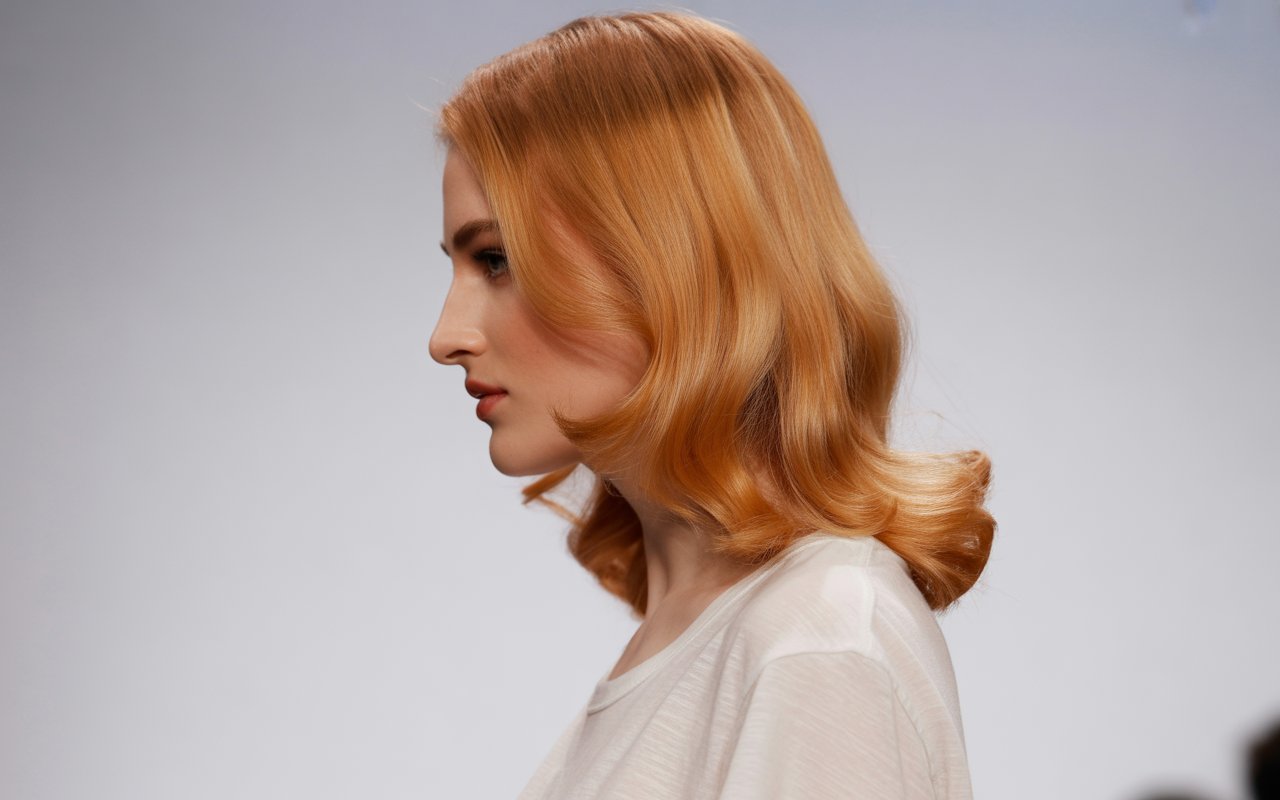
Hair color trends shift constantly, but some shades possess a timeless quality that transcends passing fads. The blend of golden blonde with soft copper undertones creates a warm, dimensional look that flatters many women. This particular shade sits perfectly between fiery red and classic blonde, offering the best of both worlds without committing fully to either extreme.
The beauty industry has seen countless color trends emerge and fade, yet this peachy-toned option continues gaining popularity. Your natural features get enhanced rather than overshadowed, and the multidimensional effect adds depth that single-process colors simply cannot match. The gentle warmth brings a healthy glow to your complexion, making you look refreshed even on days when you feel anything but energized.
What makes this shade particularly appealing right now? Let’s break down the five compelling reasons why you should consider making this your next hair transformation. From flattering properties to maintenance requirements, we’ll cover everything you need to know before booking your salon appointment.
What’s the Beauty of Strawberry Blonde?
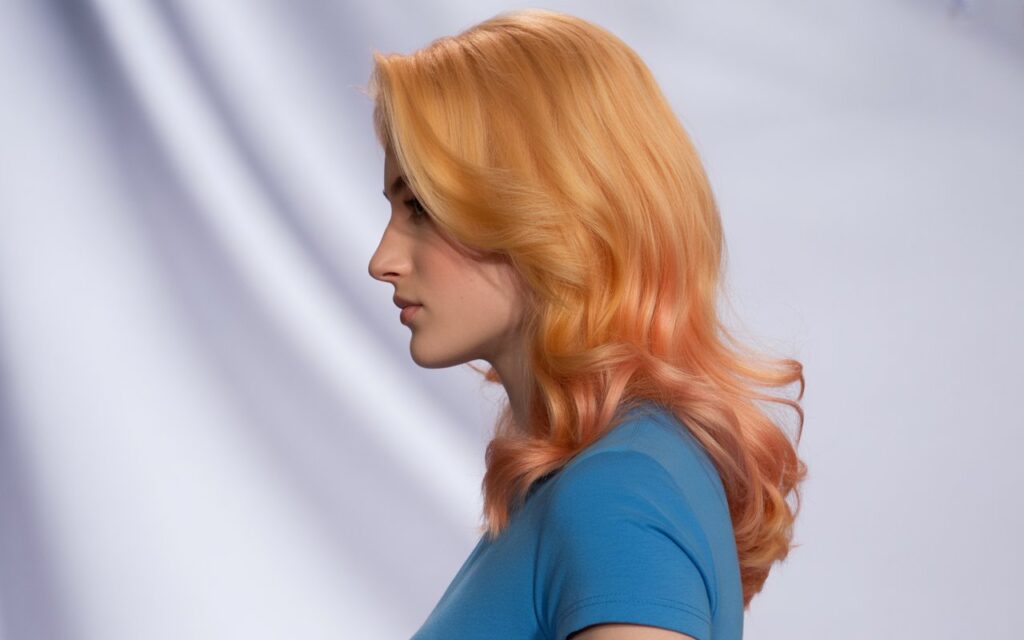
The magic lies in the delicate balance between two distinct color families. Unlike solid blonde or vibrant red, this hybrid shade combines golden tones with peachy-copper notes to create something genuinely different. The resulting color appears to shift in various lighting conditions, showing more blonde in bright sunlight and revealing richer copper tones under indoor lighting.
The Perfect Balance Between Warm and Cool Tones
Your hair naturally reflects light differently depending on its color composition. This particular shade contains enough warmth to add vibrancy without appearing overly orange or brassy. The blonde base keeps things soft and approachable, while the copper undertones prevent the washed-out look that sometimes accompanies lighter shades. You get dimension that makes your hair appear thicker and more voluminous, even if you haven’t changed your cut.
Understanding the Color Spectrum
Think of hair color as existing on a spectrum rather than in rigid categories. Traditional blonde sits on one end, vibrant red on the other. This peachy-toned option occupies the sweet spot in between, giving you access to the brightness of blonde while borrowing the richness from red. The placement along this spectrum explains why it works so well – you’re not fighting your natural coloring but enhancing it with complementary tones.
Why It Works Across Seasons
Summer highlights naturally fade into something resembling this shade as the months progress. Your color won’t look out of place whether you’re spending days at the beach or bundled up for winter activities. The warm undertones provide coziness during colder months, while the lighter base keeps things fresh and bright when temperatures rise. You won’t need to completely change your color strategy when seasons shift.
How It Differs From Regular Blonde or Red
Standard blonde often requires heavy lightening and can leave hair looking flat or one-dimensional. Pure red demands constant maintenance and fades notoriously fast. This middle-ground option gives you complexity without the extreme upkeep. The multiple tones mean slight fading won’t destroy your look – it simply shifts the balance slightly between the copper and golden notes.
The Versatility Factor
Your wardrobe choices expand rather than shrink with this color choice. Both warm and cool clothing tones complement the multidimensional nature of the shade. Makeup looks that work for blondes generally suit you, as do many options that redheads typically choose. This flexibility extends to professional settings too – the color reads as polished and appropriate while still showing personality and style awareness.
Most women find this shade more forgiving than they expected. Small variations in tone don’t drastically change your appearance, and slight root growth blends naturally rather than creating harsh lines. The built-in dimension disguises minor imperfections that would be obvious in solid, single-process color.
Can you achieve this look if you’re starting from dark hair? Yes, though the process requires patience and skill from your colorist. Multiple sessions might be necessary to lift your natural color safely while depositing the right balance of tones. Starting from medium brown typically yields the most natural results, but darker starting points can absolutely reach this destination with proper technique.
The Flattering Power for Every Skin Tone
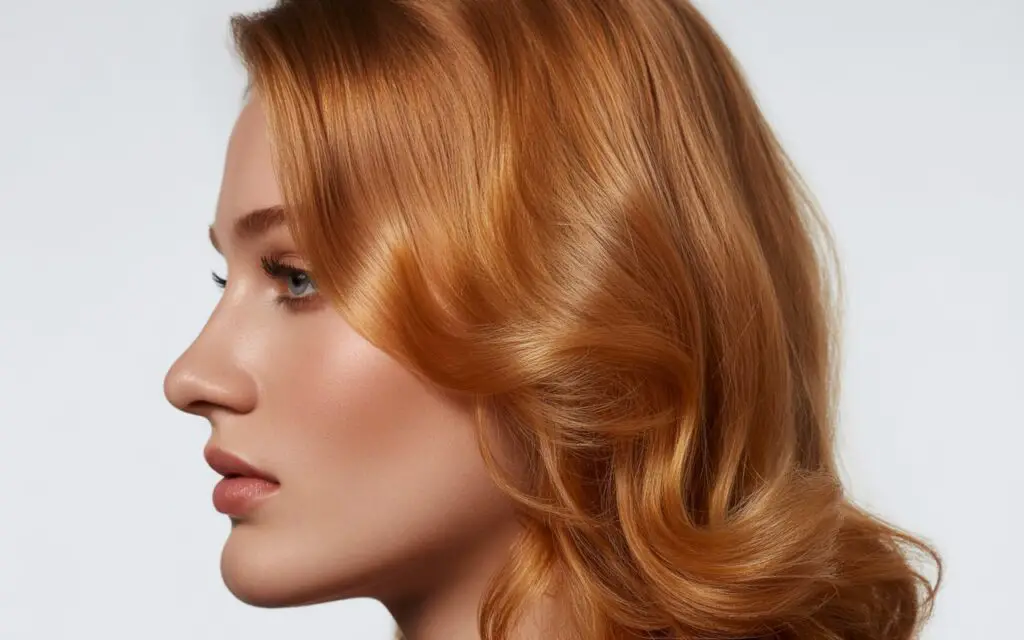
One concern many women share before changing hair color involves whether the new shade will complement their complexion. The beauty of this peachy-golden tone lies in its surprisingly universal appeal. While certain shades demand specific skin characteristics, the warmth combined with brightness in this option creates flexibility that works across a wide range of complexions.
Fair Skin Compatibility
Women with pale skin often worry about looking washed out with certain blonde shades. The copper undertones in this color prevent that problem entirely. Your complexion gains warmth and appears more vibrant rather than ghostly. The peachy notes bring out natural rosiness in your cheeks, creating a healthy glow that eliminates the need for heavy blush. Fair skin with pink undertones particularly shines with this choice, as the golden-copper blend harmonizes beautifully with natural facial coloring.
Medium Skin Tones
The middle ground of skin tones offers the most versatility with hair color choices. This shade enhances without overwhelming, adding brightness to your overall appearance. Medium complexions with golden or olive undertones find particular success here – the warmth in the hair color echoes your natural warmth, creating cohesion between hair and skin. You’ll notice how the color makes your eyes pop and brings definition to your facial features without requiring dramatic makeup.
Deeper Complexions
Women with darker skin tones can absolutely rock this look, though the approach differs slightly. Your colorist might recommend richer, more vibrant copper notes in the mix to ensure sufficient contrast against your complexion. The result? Absolutely stunning. Deep skin provides a gorgeous backdrop that makes the peachy-gold tones truly luminous. The key involves adjusting the ratio of copper to blonde, leaning slightly more toward the warm side to maintain that eye-catching effect.
Warm vs Cool Undertones
Determining your undertone helps predict how this shade will interact with your natural coloring. Warm undertones (golden, peachy, or yellow cast to your skin) naturally complement the copper-blonde blend. Cool undertones (pink, red, or blue cast) can still work beautifully, but your colorist might adjust the formula to include slightly more golden tones and less copper intensity. This customization ensures the color enhances rather than clashes with your natural coloring.
Testing If It Works for You
A simple test helps predict success: hold a piece of rose gold jewelry or fabric near your face in natural light. Does your skin look brighter and more radiant, or does it appear sallow? If you see improvement, this hair color will likely flatter you. The rose gold connection makes sense – both contain that signature blend of pink-copper and gold that defines the shade we’re discussing.
How Natural Eye Color Plays a Role
Your eye color becomes more prominent with the right hair shade. Blue eyes gain intensity and appear brighter against peachy-blonde hair. Green eyes get enhanced by the copper tones, which sit opposite green on the color wheel and thus create beautiful contrast. Brown eyes warm up and appear lighter, sometimes revealing hidden gold or amber flecks you never noticed before. Even hazel eyes benefit from the multiple tones, as different aspects of your eye color get highlighted depending on lighting and what you’re wearing.
The interaction between your hair, skin, and eyes creates your overall appearance. This particular color choice works like a filter that enhances your best features. You’re not trying to be someone else – you’re becoming a more luminous version of yourself. The shade provides enough change to feel transformative while maintaining enough connection to your natural coloring that you still look like you.
Do you need to change your makeup routine after going this color? Probably not dramatically. Most women find their existing makeup works even better, though you might want to explore warmer eyeshadow tones and peachy-pink lip colors that echo the warmth in your new hair shade.
Low Maintenance Luxury
Salon visits and color upkeep represent significant investments of both time and money. The appeal of finding a shade that looks expensive and polished without demanding constant maintenance cannot be overstated. This peachy-golden blend offers exactly that combination – luxurious appearance with surprisingly manageable upkeep requirements.
Natural Grow-Out Blend
Your roots will eventually show regardless of which color you choose. The difference here? The transition looks intentional rather than neglected. The multidimensional nature of the color creates a gradient effect as new growth appears. If your natural color falls anywhere in the brown to dark blonde range, the grow-out blends seamlessly into the lighter ends. You won’t face that harsh line of demarcation that screams “overdue for a salon visit.”
Less Frequent Salon Visits Needed
Traditional blonde maintenance typically requires appointments every 4-6 weeks to prevent brassiness and maintain vibrancy. Solid red demands even more frequent touch-ups as the color fades rapidly. This middle option extends your time between appointments to 8-10 weeks comfortably. The blend of tones means slight fading doesn’t destroy your look – it simply shifts the balance slightly. You’re working with your hair’s natural tendencies rather than fighting against them.
Touch-Up Requirements
When you do need maintenance, the process tends to be less intensive than maintaining pure blonde or vivid red. Your colorist might focus primarily on roots, adding a gloss or toner to refresh the existing color on your lengths. Full reprocessing of previously colored hair happens less frequently, reducing chemical exposure and heat damage over time.
Color Longevity
The copper tones in this shade actually help it last longer than you might expect. While red notoriously fades fast, the golden blonde base anchors those warmer notes and prevents rapid washout. You’ll notice the color gently softening rather than drastically changing in the weeks after your appointment. This gradual fade looks natural and attractive rather than faded and dull. Many women find their color looks best around week 3-4 after application, once any initial brightness settles into a more natural-looking tone.
Here are the factors contributing to impressive color longevity:
Multidimensional Formula: Multiple tones mean even partial fade doesn’t eliminate all color depth.
Natural Light Reflection: The blend catches and reflects light in ways that maintain vibrancy longer.
Lower Contrast: Less dramatic difference from natural color means growth appears less obvious.
Warm Undertones: Copper notes resist washing out faster than cooler tones.
Cost-Effectiveness Over Time
Calculate the true cost of any hair color by multiplying the per-visit expense by annual frequency. While your initial transformation might require investment (especially if you’re starting from darker hair), the extended time between maintenance appointments means lower yearly costs. You’re getting a high-impact look without the continuous financial drain of ultra-high-maintenance colors. The cost per day of having beautiful hair becomes remarkably reasonable when you stretch appointments to 8-10 weeks instead of 4-6.
Product Requirements
You’ll need color-safe shampoo and conditioner, but you won’t require the arsenal of specialized products that maintaining platinum blonde or vivid red demands. A purple or blue toning shampoo used occasionally helps neutralize any unwanted warmth that develops. A weekly deep conditioning treatment keeps your hair healthy and shiny. That’s essentially it – no complicated regimen of multiple masks, glosses, and treatments necessary to maintain your color.
Heat Styling Considerations
The natural dimension in this shade means your hair looks good even when you skip heat styling. Air-dried texture shows off the multiple tones beautifully. When you do use hot tools, the color won’t fade as dramatically as ultra-light blonde might. You can enjoy styling flexibility without obsessing over whether each use of your flat iron is destroying your expensive color treatment.
Does this mean you can completely neglect your hair? Obviously not. But compared to the baby-ing that some shades require, this option proves refreshingly low-drama. You can actually live your life – swimming, exercising, spending time outdoors – without constantly worrying about your color survival.
Styling Versatility and Trend Appeal
Hair color should enhance your overall style, not limit it. Some shades pigeonhole you into specific aesthetics or demand particular makeup and wardrobe choices. The beauty of this peachy-golden tone lies in its chameleon-like ability to adapt to various styles, occasions, and personal expressions.
Works with Any Haircut
Short pixie cuts gain warmth and dimension that prevent them from appearing too severe. The multiple tones add visual interest that longer hair achieves through styling. Bob lengths showcase the color beautifully, with the cut creating movement that reveals different shades as you turn your head. Long hair becomes a canvas for the full range of peachy to golden tones, especially when styled in waves or curls that catch the light.
Even dramatic cuts like undercuts or asymmetrical styles benefit from the color’s complexity. The shade itself provides visual interest, meaning your haircut doesn’t need to work as hard to create impact. You can go simple and classic or edgy and modern – the color adapts beautifully to your chosen aesthetic.
Casual to Formal Adaptability
This might be the most versatile hair color for transitioning between different dress codes. Your 7am coffee run? You look put-together and fresh even in sweats. The office meeting? Professional and polished. Evening event? Glamorous and eye-catching. The color reads differently depending on styling, makeup, and clothing choices, allowing you to create whatever vibe you need for any situation.
Natural, minimal makeup lets the hair color provide your pop of interest for casual days. A red lip and defined eyes create drama for formal occasions. The hair works equally well with either approach, never fighting against your styling choices.
Current Fashion Trends
Fashion has moved toward warmer, earthier tones after years of cool minimalism dominating. Your hair color aligns perfectly with this shift toward terracotta, rust, camel, and warm neutrals that fill current stores. The peachy-golden tones complement rather than clash with trendy pieces. Even when fashion inevitably cycles back toward cooler aesthetics, the blonde base in your hair ensures you won’t look dated – you’ll simply shift your wardrobe choices while your hair remains perfectly wearable.
Makeup Pairing Options
Your makeup bag doesn’t require a complete overhaul, but you might find yourself gravitating toward different options. Peachy and coral blushes create beautiful harmony with your hair. Bronze and copper eyeshadows enhance the warm tones. Even bold makeup choices like burgundy lips or smoky eyes work surprisingly well – the hair provides warmth that prevents dramatic makeup from appearing harsh.
Foundation and concealer choices remain unchanged, though you might notice you need less product to achieve a polished look. The hair color creates such a flattering effect on your complexion that minor skin concerns become less noticeable. Natural radiance takes center stage, reducing your dependence on heavy coverage products.
Seasonal Transition Ease
Some hair colors feel decidedly summer or winter-appropriate. This shade genuinely works year-round. The golden brightness suits spring and summer perfectly, complementing tanned skin and bright clothing. The copper warmth makes sense for autumn and winter, pairing beautifully with cozy sweaters and rich seasonal tones. You won’t experience that jarring disconnect between your hair and the seasonal context around you.
Photography and Lighting
Ever notice how some hair colors photograph strangely? Platinum blonde can wash out in photos, while very dark colors sometimes lack dimension in pictures. This peachy-golden blend photographs beautifully across different lighting conditions. The natural variation in tone ensures your hair looks interesting in photos rather than flat or one-dimensional. Social media selfies, professional headshots, and special event photos all benefit from the color’s photogenic qualities.
Personal Style Expression
Whether you lean bohemian, classic, edgy, or romantic in your aesthetic, this hair color accommodates your vision. The warmth suits bohemian vibes perfectly. The polished dimension works for classic looks. The brightness brings edge to bold styles. The soft peachy tones complement romantic, feminine aesthetics. You’re not locked into any particular style tribe – the color serves as a neutral foundation that adapts to your mood and preferences.
How to Achieve and Maintain Your Perfect Shade
Understanding the process transforms nervous anticipation into confident excitement. Getting this color right requires more than simply pointing at a photo and hoping for the best. Your starting point, hair history, and natural characteristics all influence the approach your colorist should take.
Consultation with Your Colorist
Schedule a consultation appointment before your actual color service. This separate meeting allows thorough discussion without time pressure. Bring multiple inspiration photos showing the shade in different lighting and on various hair textures. Your colorist needs to see your vision from multiple angles to understand exactly what you’re hoping to achieve.
During consultation, expect questions about your hair history. Previous colors, chemical treatments, and heat styling habits all matter. Be completely honest – surprises during the coloring process waste time and money. Your colorist will examine your current color, assess your hair’s condition, and determine whether achieving your goal requires one session or multiple appointments.
Best Application Techniques
The technique matters as much as the color formula itself. Most colorists use a combination of approaches to achieve dimensional results. Balayage creates natural-looking variation by hand-painting color in strategic places. Foil highlights add brightness through the midlengths and ends. Root melt techniques prevent harsh lines where your natural color begins. All-over color provides the base tone that ties everything together.
Full head application works for dramatic transformations, particularly if you’re going significantly lighter than your starting point. Partial highlighting makes sense for maintenance appointments or subtle changes from your current color. Your colorist will recommend the best approach based on your specific situation.
Color-Safe Product Recommendations
Sulfate-free shampoo extends color life dramatically. These gentler formulas clean effectively without stripping color molecules from your hair shaft. Look for products specifically labeled “color-safe” or “color-protecting” – the terminology indicates formulas designed for chemically treated hair.
Deep conditioning treatments should happen weekly, not occasionally. Colored hair needs extra moisture to maintain shine and prevent dryness. Leave-in treatments applied to damp hair before styling provide another layer of protection. Heat protectant spray becomes non-negotiable if you use hot tools regularly. UV protection products help prevent sun-fading during summer months.
At-Home Maintenance Tips
Water temperature affects color longevity more than most people realize. Wash your hair in lukewarm water rather than hot – high temperatures open the hair cuticle and allow color molecules to escape. Finish with a cool water rinse to seal the cuticle and lock in color. This simple change extends the life of your color noticeably.
Frequency of washing matters too. Daily washing strips color faster than necessary. If your lifestyle allows, stretch washes to every 2-3 days using dry shampoo between. When you do wash, focus shampoo on your scalp rather than running it through your lengths – the ends need conditioning, not repeated cleansing.
Protecting Your Investment
Chlorine and saltwater present serious threats to hair color. Before swimming, wet your hair with clean water and apply leave-in conditioner. This creates a barrier that reduces absorption of pool or ocean water. Wearing a swim cap provides even better protection, though admittedly few people embrace this option for casual swimming.
Sun exposure fades color gradually but surely. Wear hats during extended outdoor time, or use hair products with UV filters. Think of UV protection for your hair the same way you think about sunscreen for your skin – prevention is easier than correction.
Toning Between Appointments
A weekly toning treatment at home helps maintain your color between professional appointments. Purple or blue shampoo neutralizes unwanted warmth that can develop. Use these products sparingly – once weekly is usually sufficient. Overuse can add unwanted ash tones that muddy the pretty peachy-golden effect you’re maintaining.
Gloss treatments provide another at-home option for refreshing color. These semi-permanent treatments deposit subtle color while adding serious shine. Applied every 4-6 weeks, they bridge the gap between professional color services and keep your hair looking freshly colored.
Knowing When to Book Your Next Appointment
Don’t wait until you hate your hair to schedule maintenance. Book your next appointment before leaving the salon after each service. This ensures you get your preferred time slot and prevents that panicky period when you desperately need color but can’t get an appointment.
Watch for signs that maintenance is overdue: visible roots extending beyond half an inch, overall dullness that doesn’t improve with conditioning, or brassiness that toning products can’t neutralize. These indicators suggest you’ve stretched things as far as you should.
Your Hair Transformation Awaits
This peachy-golden shade offers something rare in the hair color world – dramatic visual impact with reasonable maintenance demands. You get the brightness and dimension that make people take notice without signing up for endless salon appointments and expensive upkeep rituals. The flattering nature of the color across diverse skin tones makes it accessible to more women than ultra-specific shades that work only for narrow complexion ranges.
The trend cycle will continue turning, bringing new colors into the spotlight and pushing others aside. Yet this particular shade has demonstrated lasting power precisely because it doesn’t feel like a trend. The combination of warmth and brightness, copper and gold, creates timeless appeal that transcends whatever happens to be currently fashionable. You can make this change now and still love it years from now, which can’t be said for many hair color choices.
Frequently Asked Questions
Q: How long does it take to achieve strawberry blonde from dark brown hair?
A: Expect multiple sessions spanning 2-4 months if you’re starting from dark brown. Your colorist needs to gradually lighten your hair to prevent damage. Rushing the process leads to fried, broken hair that no color can save. Patience during the transformation process protects your hair’s integrity while reaching your goal shade safely.
Q: Will this color work if I have gray hair?
A: Yes, absolutely. The blend of tones actually helps camouflage gray hairs better than solid colors. Your colorist might need to adjust the formula to ensure proper coverage, but the multidimensional nature of the shade makes growing gray roots less obvious than they would be with single-process color.
Q: Can I achieve this shade at home with box color?
A: Box color rarely delivers the dimensional, customized results a professional can create. If you’re starting from light blonde, you might achieve acceptable results. From any darker starting point, professional application is strongly recommended. The complexity of the shade – balancing copper and gold tones precisely – requires expertise that box color can’t provide.
Q: How much will the initial color service cost?
A: Prices vary widely by location and salon, but expect to invest $150-300 for the first application if you’re starting from medium brown hair. Dramatic transformations from very dark hair requiring multiple sessions cost more. Factor in additional costs for specialized treatments that protect your hair during the lightening process.
Q: Does this color fade to an unflattering shade?
A: The fade tends to be quite graceful. As the copper notes soften, you’re left with pretty golden blonde. This gradual transition looks intentional rather than neglected. The worst-case scenario involves slight brassiness that purple shampoo easily corrects – nothing like the green-tinged or orange results that can happen with other color choices.
Q: Can I go back to my natural color easily if I don’t like it?
A: Returning to darker natural shades is always easier than going lighter. Your colorist can color your hair closer to your natural shade in one appointment. However, give yourself time to adjust before making that decision. Most women need 2-3 weeks to truly see whether they love their new color after the initial shock of change wears off.
Q: Will the color damage my hair significantly?
A: Any chemical color process affects hair structure, but this shade typically requires less damage than platinum blonde. If your hair is currently healthy and your colorist uses quality products with proper technique, you can maintain good hair condition. Regular deep conditioning treatments and minimal heat styling help keep chemically treated hair looking its best.
Q: How do I prevent the color from turning brassy?
A: Use purple or blue toning shampoo weekly, wash in cool water, and apply leave-in UV protection products. Avoiding chlorine and saltwater also helps prevent brassiness. If unwanted warmth develops despite these efforts, your colorist can apply a toner during your next appointment to neutralize it and restore the proper balance of tones.
Q: What’s the difference between strawberry blonde and rose gold hair?
A: Rose gold leans more pink and less golden than this peachy-toned shade. Rose gold sits cooler on the color spectrum, while this option maintains warmer, more natural-looking tones. Both involve combining blonde with warm accents, but the specific balance and underlying tones differ significantly. Your colorist can show you examples of each to help you determine which suits your vision better.

