

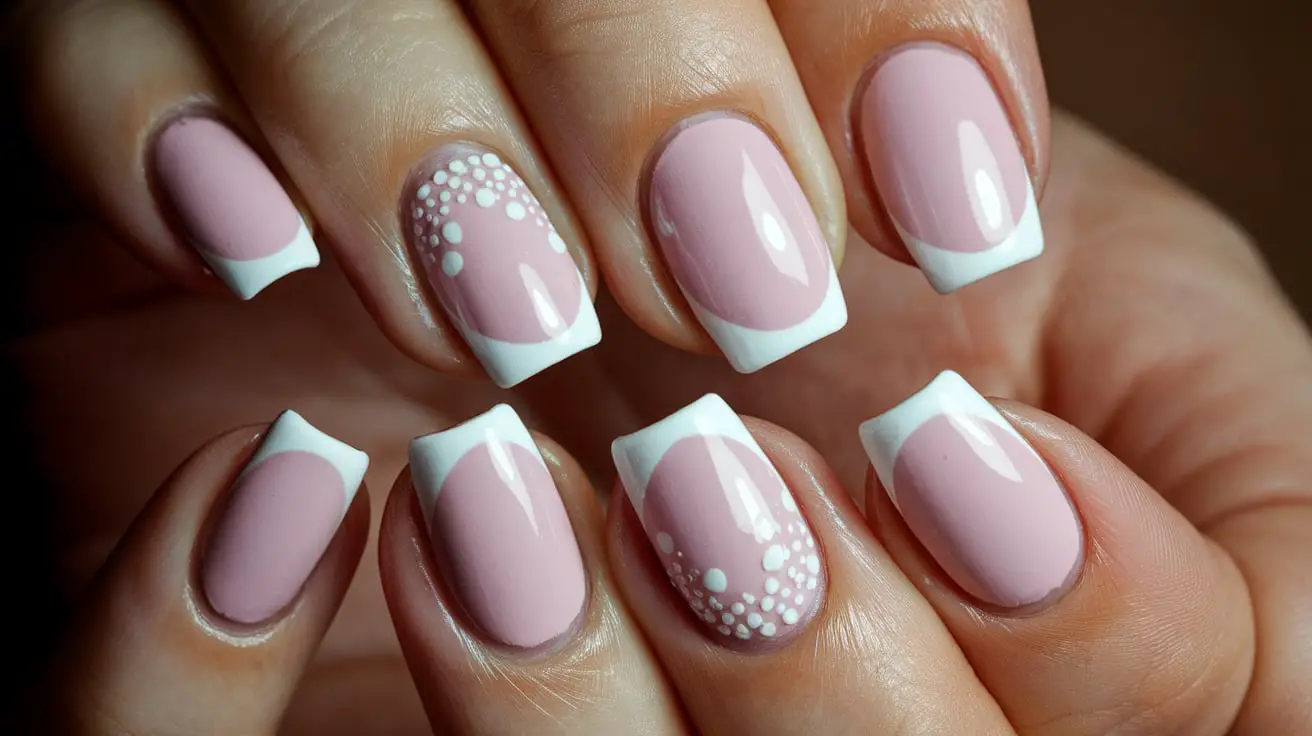
Medium length nails strike the perfect balance between style and practicality for women navigating busy professional lives. You want nails that look polished and put-together without sacrificing your ability to type efficiently, handle paperwork, or manage the countless daily tasks that fill your workday. This sweet spot in nail length offers enough canvas for creative expression while maintaining the functionality you need to excel in your career.
Finding nail designs that work seamlessly from boardroom meetings to after-work social events can feel challenging. Professional settings often demand a certain level of restraint in personal style, yet you still want to express your personality and feel confident in your appearance. The good news is that medium length nails provide the ideal foundation for sophisticated designs that never compromise your professional image while still allowing you to showcase your individual style.
In the following sections, we’ll explore five practical nail ideas specifically chosen for their versatility, durability, and professional appeal. From updated classics to modern minimalist designs, these options will keep your nails looking impeccable throughout your busiest workweeks. Each style has been selected for its ability to withstand the demands of office life while requiring minimal maintenance – because your time is valuable, and your nail care routine should work with your schedule, not against it.
Why Medium Length Nails Work Best for Professional Settings
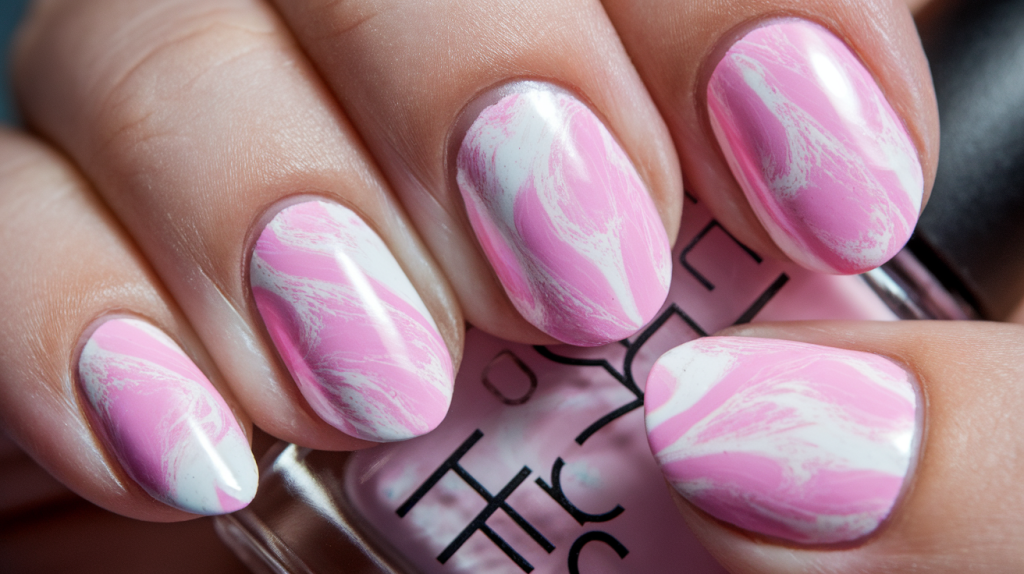
Medium length nails have become the go-to choice for working women across industries, and there’s solid reasoning behind this preference. These nails typically extend just slightly beyond your fingertips, creating an elegant silhouette without the impracticalities that come with longer lengths. You’ll find that this particular length allows you to maintain a sophisticated appearance while navigating everything from typing lengthy reports to operating touch screens with ease.
Practical Advantages for Typing and Daily Tasks
The relationship between nail length and workplace productivity often goes unnoticed until you try working with nails that are too long or too short. Medium lengths hit that perfect middle ground where your nails enhance your hands’ appearance without becoming obstacles. You can type at full speed without the clicking sound that longer nails create against keyboards, and you won’t struggle with tasks like opening file folders, using staplers, or handling small office supplies.
Your smartphone and tablet interactions become smoother too. Touch screens respond better to the pad of your finger than to nail tips, and medium lengths allow you to maintain that crucial finger-to-screen contact. Writing with a pen feels natural, picking up papers doesn’t require special techniques, and you can button your blazer without frustration.
The ergonomic benefits extend beyond office tasks. Medium lengths reduce strain on your nail beds and minimize the risk of painful breaks or tears that can occur with longer styles. This means fewer emergency salon visits and less time spent dealing with nail mishaps during important workdays.
Professional Appearance Standards
Different workplaces have varying expectations for personal grooming, but medium length nails universally read as professional and well-maintained. They signal attention to detail without appearing excessive or distracting during presentations or client meetings. This length works equally well in conservative corporate environments and creative agencies, adapting to dress codes ranging from business formal to smart casual.
Industry research suggests that hiring managers and colleagues form impressions within seconds of meeting someone, and hands play a significant role in these first impressions. Well-maintained nails at a practical length communicate competence and self-care without overshadowing your professional achievements. They complement rather than compete with your overall presentation.
Maintenance Requirements
The beauty of medium length nails lies partly in their manageable upkeep schedule. Unlike longer nails that might require weekly salon visits to maintain their shape and prevent breakage, medium lengths can often go two to three weeks between professional maintenance appointments. This timeline aligns well with busy work schedules and reduces both time and financial investments in nail care.
Home maintenance becomes simpler too. Filing and shaping take just minutes, and you can easily perform quick touch-ups between meetings. Polish application is more straightforward on medium lengths – there’s enough surface area for even coverage without the challenges of painting very long or very short nails. The reduced surface area compared to longer nails also means chips and wear patterns are less noticeable, extending the life of your manicure.
Durability Factors
Work life puts our hands through considerable wear and tear. From handling documents to carrying laptops, our nails face constant challenges. Medium lengths offer superior durability compared to their longer counterparts because they experience less leverage and pressure during daily activities. The shorter the lever (your nail), the less force is applied to the nail bed when you use your hands.
This improved durability translates to fewer broken nails and less frequent repairs. You can confidently shake hands, type vigorously, and handle your daily responsibilities without constantly worrying about nail damage. The strength-to-length ratio of medium nails makes them ideal for women who need their manicure to last through presentations, conferences, and long workweeks.
Consider these durability benefits:
- Reduced Breakage Risk: Less likely to catch on clothing, bags, or office equipment
- Consistent Shape: Maintains intended form longer without excessive filing
- Polish Longevity: Less flexing means less chipping and peeling
- Natural Nail Health: Less stress on the nail bed promotes stronger growth
Medium length nails also allow for better product adhesion. Whether you prefer traditional polish, gel, or dip powder applications, these methods tend to last longer on moderate lengths where the nail doesn’t flex as much during daily use.
The Classic French Manicure with a Modern Twist
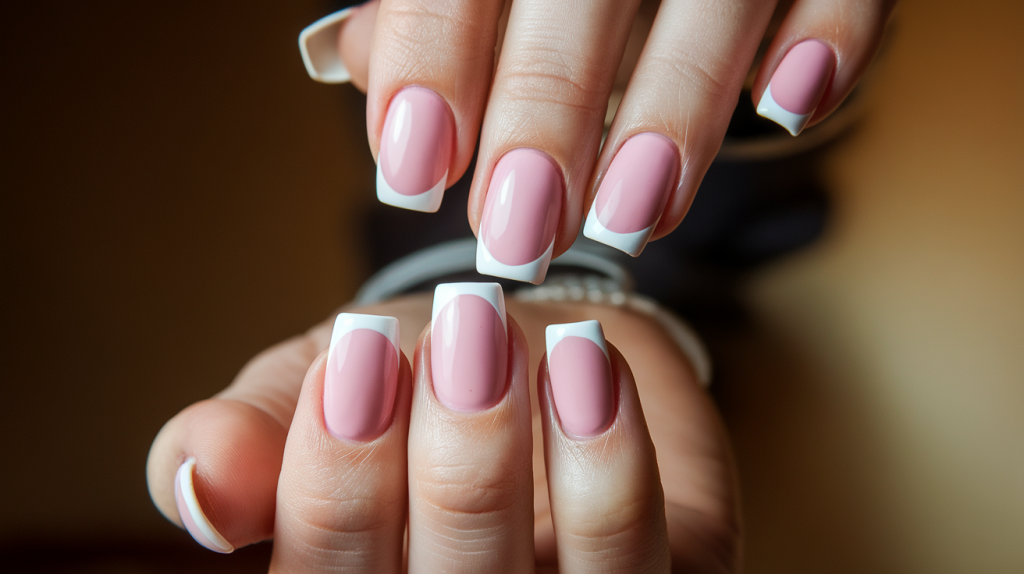
The French manicure has graced professional women’s hands for decades, but today’s interpretations bring fresh energy to this timeless style. No longer limited to stark white tips and pink bases, modern French manicures offer subtle variations that maintain professionalism while adding personality to your look. This updated approach keeps the clean, polished aesthetic that makes French manicures office-appropriate while allowing for creative expression that reflects current trends.
Traditional French Tips Reimagined
Gone are the days when French manicures meant only one specific look. Today’s versions play with tip thickness, creating everything from ultra-thin lines that barely whisper across the nail edge to slightly bolder tips that make more of a statement while remaining workplace-friendly. The key lies in proportion – on medium length nails, tips should typically occupy no more than one-quarter of the visible nail length for the most flattering and professional appearance.
The smile line, that curved demarcation between tip and base, has evolved too. While traditional French manicures feature a pronounced curve, contemporary styles might showcase a straight-across line for a more architectural feel, or even a subtle V-shape that elongates the nail bed. These geometric variations add interest without sacrificing the neat, groomed appearance essential for professional settings.
Some women are choosing reverse French manicures, where the accent appears at the base of the nail rather than the tip. This style offers exceptional longevity since growth becomes less noticeable, making it perfect for busy professionals who might stretch their salon appointments. The reverse French also provides a unique talking point while maintaining complete workplace appropriateness.
Color Variations for Office Settings
White tips no longer monopolize the French manicure scene. Soft neutrals like warm beige, pale grey, or even the faintest blush tones create sophisticated alternatives that complement various skin tones beautifully. These subtle shifts in color keep the manicure interesting while ensuring it pairs well with any outfit in your work wardrobe.
For the nail bed, traditional pink has expanded into an entire spectrum of nude shades. Choose colors that closely match or slightly enhance your natural nail tone for the most professional look. Sheer formulas with the slightest hint of color provide coverage while maintaining that natural, healthy appearance that works so well in office environments.
Consider seasonal adjustments to your French manicure palette. Warmer months might call for peachy-nude bases with ivory tips, while winter could see you sporting a cooler pink base with soft grey tips. These subtle seasonal shifts keep your look current without venturing into territory that might raise eyebrows in conservative workplaces.
Shape Recommendations
The shape of your French manicure significantly impacts its overall professionalism and practicality. For medium length nails in workplace settings, certain shapes prove more successful than others. Oval shapes create an elegant, feminine look that elongates fingers while remaining completely practical for typing and daily tasks. This classic shape works particularly well with French manicures because it mirrors the natural curve of the smile line.
Square shapes with slightly rounded corners, often called “squoval,” offer a modern, clean-lined appearance that many women find flattering. This shape provides good strength at the nail tip while avoiding the sharp corners that might snag on fabrics or feel uncomfortable during handshakes. The straight edge also makes French tip application easier for those who do their own nails at home.
Almond shapes can work beautifully on medium lengths, provided they’re not too pointed. A soft almond shape adds sophistication without venturing into impractical territory. This shape particularly suits women with longer nail beds, as it creates a balanced, proportional look that appears both professional and stylish.
Maintenance Tips
Keeping your French manicure pristine throughout the workweek requires strategic care but doesn’t demand excessive time. Start with a quality base coat that prevents staining and helps polish adhere better to the nail surface. This foundation step, often skipped in rushed manicures, makes the difference between a manicure that lasts five days versus one that endures two weeks.
Daily maintenance takes just moments. Keep a nail file in your desk drawer for quick shape touch-ups if minor chips occur. A clear top coat reapplied every three to four days extends the life of your manicure significantly, refreshing shine and sealing any microscopic chips before they become visible problems.
Cuticle oil deserves a place in your desk drawer too. A quick application during lunch breaks or while reading emails keeps the skin around your nails hydrated and healthy-looking. Well-moisturized cuticles frame your French manicure beautifully and prevent the hangnails that can make even the best manicure look unkempt.
For emergency fixes, keep a white nail art pen handy. These tools let you quickly refresh French tips that might have worn thin, buying you time until your next salon appointment. The pen’s precision tip makes it easy to maintain consistent tip thickness even without professional training.
Hand cream application throughout the day serves double duty – it keeps your skin soft and supple while also conditioning your nails and preventing polish from becoming brittle. Choose a fast-absorbing formula that won’t leave residue on your keyboard or documents. This simple habit extends manicure life while ensuring your hands always look their professional best.
Neutral Tones That Mean Business
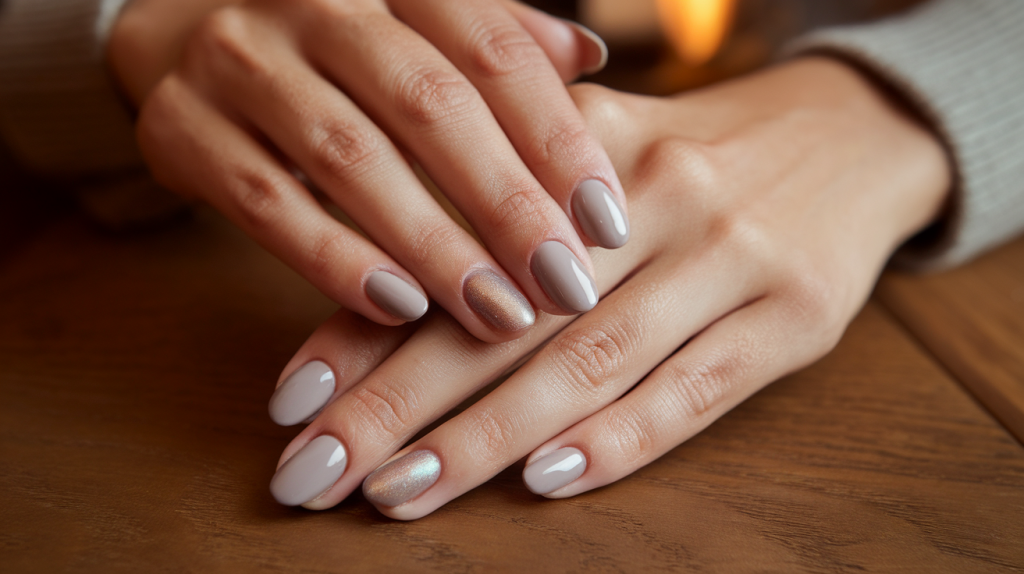
Neutral nail colors have revolutionized professional nail aesthetics, moving far beyond basic beige to encompass a sophisticated spectrum of shades that complement every skin tone and workplace wardrobe. These versatile hues provide the perfect canvas for working women who want polished, professional nails that transition seamlessly from morning meetings to evening engagements. The beauty of neutrals lies in their ability to look intentional and refined without drawing undue attention or clashing with your carefully chosen office attire.
Best Nude Shades for Different Skin Tones
Finding your perfect nude requires understanding your skin’s undertones rather than just matching the surface color. Women with cool undertones typically look stunning in nude polishes with pink or mauve bases, while those with warm undertones shine in colors with peach, yellow, or golden hints. If you have neutral undertones, consider yourself fortunate – most nude shades will complement your skin beautifully.
For fair skin tones, soft ballet pinks and sheer beiges create a natural, enhanced look without appearing washed out. Light peachy nudes add warmth without overwhelming pale skin. The key is choosing shades just slightly darker than your skin tone to create definition without harsh contrast.
Medium skin tones have incredible flexibility with nude options. Caramel-inspired shades, dusty roses, and warm taupes all create sophisticated looks. These skin tones can successfully wear both lighter and darker nudes, making it easy to build a versatile nail wardrobe that works with varying seasonal wardrobes and occasions.
Deeper skin tones look magnificent in rich nudes ranging from deep mochas to warm terracottas. Plum-based nudes and deep mauves create stunning contrast while maintaining professional appropriateness. Don’t shy away from nudes with subtle shimmer – these can enhance deeper skin tones beautifully without appearing too festive for office wear.
Testing shades before committing helps ensure you find your perfect match. Apply a small amount to one nail and observe it in different lighting conditions – office fluorescents, natural daylight, and evening lighting all affect how colors appear. The right nude should look polished and intentional in all scenarios.
Matte Versus Glossy Finishes
The finish you choose for your neutral nails sends subtle signals about your professional style. Glossy finishes remain the classic choice, offering that fresh-from-the-salon shine that suggests attention to detail and regular maintenance. High-shine neutrals reflect light beautifully, making hands appear more youthful and well-cared-for during handshakes and presentations.
Matte finishes have gained tremendous popularity in professional circles for their modern, sophisticated appearance. A matte nude manicure reads as fashion-forward while maintaining complete workplace appropriateness. This finish particularly suits creative industries or workplaces with more relaxed dress codes, though its understated elegance works anywhere.
The practical considerations between finishes matter too. Glossy finishes tend to show chips and scratches more readily, requiring more frequent touch-ups to maintain their pristine appearance. However, they’re easier to refresh with a quick clear coat application. Matte finishes hide minor imperfections better but can be trickier to touch up without creating obvious texture differences.
Some women alternate between finishes based on their weekly schedule. A glossy finish might be perfect for weeks packed with client meetings and presentations, while matte could be ideal for heads-down project work where extreme polish perfection matters less. Having both options in your neutral color means maximum versatility with minimal investment.
Single-Color Sophistication
The power of a single, well-chosen neutral shade shouldn’t be underestimated in professional settings. This minimalist approach eliminates any possibility of your nails appearing too trendy or distracting while still showcasing your attention to grooming details. A perfectly applied single color in a flattering neutral demonstrates confidence and sophistication.
Choosing one signature neutral and perfecting its application can become your professional nail trademark. Colleagues might not consciously notice your nails, but they’ll register the overall impression of polish and professionalism. This consistency also simplifies your beauty routine – no decisions needed when you know exactly what works.
Application technique matters enormously with single-color neutrals since there’s no design to distract from imperfections. Thin, even coats build better coverage than one thick application. Three thin coats typically create the most professional-looking finish: base coat, two color coats, and top coat. This method minimizes bubbles, streaks, and that thick, gloopy appearance that screams amateur application.
The beauty of single-color neutral manicures extends to their versatility with jewelry and accessories. Your classic gold watch, silver rings, or rose gold bracelet all harmonize beautifully with neutral nails. This coordination creates a cohesive, thoughtful appearance that enhances your professional image without requiring constant outfit planning.
Quick Touch-Up Techniques
Maintaining pristine neutral nails throughout your workweek doesn’t require daily salon visits. Master a few key touch-up techniques, and you’ll keep your manicure looking fresh despite the demands of professional life.
For minor chips along the nail edge, the sandwich method works wonders. Apply a tiny drop of polish to the chipped area, let it dry completely, then seal with top coat. Once that dries, apply another thin layer of color over the entire nail, followed by a final top coat. This technique builds up the chipped area while maintaining even color coverage.
When dealing with tip wear, which commonly occurs with keyboard use, try the gradual buildup approach:
- Evening One: Apply thin color just to worn tips
- Evening Two: Add color to top third of nail
- Evening Three: Full nail refresh with color and top coat
- Evening Four: Rest day for nails to fully cure
- Weekend: Complete removal and fresh application if needed
Speed-drying techniques save precious morning minutes. Cold water doesn’t actually dry polish but does help it harden faster. Cooking spray or specialized quick-dry drops work better, though they only affect the top layer. For genuinely fast drying, invest in quick-dry formulas specifically designed for busy professionals.
Subtle Geometric Patterns for Creative Professionals
Geometric nail designs offer the perfect compromise for women working in creative fields or forward-thinking offices where some artistic expression is welcomed but full creative freedom might still raise eyebrows. These structured patterns read as intentional and sophisticated rather than frivolous, making them ideal for professionals who want to showcase creativity while maintaining credibility. The mathematical precision of geometric designs appeals to both artistic and analytical minds, bridging the gap between creative expression and professional presentation.
Minimalist Line Designs
Simple lines transform neutral base colors into understated works of art suitable for any professional environment. A single thin stripe running vertically down the center of each nail elongates fingers while adding just enough visual interest to spark conversation without dominating attention. These delicate lines can be executed in colors barely darker or lighter than your base shade for maximum subtlety.
Horizontal lines placed strategically near the nail bed or tip create modern interpretations of classic French manicures. Using tape or nail guides ensures precision that looks professionally executed even when done at home. The width of these lines matters significantly – hair-thin lines read as delicate and refined, while slightly thicker lines make more of a statement while remaining office-appropriate.
Diagonal lines offer dynamic energy without chaos. A single diagonal stripe from corner to corner of the nail creates movement and interest. For medium length nails, positioning these lines at consistent angles across all fingers creates cohesion that looks planned rather than random. Metallic striping tape in gold, silver, or rose gold adds sophistication without venturing into party territory.
The intersection of lines opens even more possibilities. Two thin lines crossing to form an X pattern on accent nails only (typically the ring finger) provides focal points without overwhelming the overall manicure. These intersections can occur at different points on the nail – centered, offset toward the tip, or positioned near the base – each placement creating a distinctly different aesthetic.
Negative Space Techniques
Negative space designs strategically reveal portions of your natural nail, creating patterns through absence rather than addition. This technique works exceptionally well for professional settings because it maintains a light, clean appearance that never feels heavy or overdone. The exposed natural nail also means growth is less noticeable, extending the time between necessary touch-ups.
Half-moon designs at the base of the nail offer a sophisticated take on negative space. Leaving the lunula (the white half-moon at your nail base) unpainted while covering the rest of the nail in a neutral shade creates an interesting reverse-French effect. This style particularly flatters medium length nails by creating the illusion of elongation.
Strategic triangles of negative space add geometric interest without complexity. A simple triangle of exposed nail at one corner of each nail, consistently placed across all fingers, creates rhythm and movement. These shapes can be achieved using reinforcement stickers (those little circles meant for torn notebook paper) or specially designed nail vinyls.
Parallel negative space stripes running horizontally across the nail create a modern, architectural feeling. By painting only the top and bottom thirds of your nail while leaving the middle band natural, you achieve a striking effect that remains completely professional. This technique works beautifully with nude polishes that closely match your skin tone.
Color Blocking Options
Color blocking uses solid sections of different colors to create geometric patterns, and when executed in neutral tones, it maintains complete workplace appropriateness. The key lies in choosing colors within the same family or temperature range to ensure harmony rather than clash.
Two-toned designs using different nude shades create subtle depth without bold contrast. Painting the bottom two-thirds of your nail in a lighter nude and the top third in a slightly darker shade from the same color family creates gentle gradation that’s visible up close but appears as a single sophisticated color from normal viewing distance.
Asymmetrical color blocking adds modern flair while remaining professional. Dividing the nail diagonally and painting each half in complementary neutrals – perhaps a warm taupe and a cool greige – creates visual interest without screaming for attention. This technique particularly suits creative professionals who want to hint at their artistic sensibilities.
For those ready to push boundaries slightly, incorporating one accent color into neutral color blocking can work beautifully. A deep burgundy paired with nude, or navy blocked with beige, adds personality while maintaining sophistication. The key is keeping the accent color to less than one-third of the nail surface and choosing muted tones rather than bright hues.
Weekend to Weekday Transitions
The beauty of geometric patterns lies in their adaptability. A design that works perfectly for Monday meetings can transform for weekend social events with minimal effort, saving time and money on complete manicure changes.
Start with a neutral base and simple geometric pattern for the workweek. Come Friday evening, add a metallic accent to your existing design – perhaps painting over those minimalist lines with gold or copper polish. This small change shifts the entire look from office-appropriate to evening-ready without starting from scratch.
Temporary nail art pens let you add geometric elements for special occasions that can be removed for Monday morning. Draw additional lines, dots, or shapes over your base manicure for a wedding or party, then remove with polish remover on a cotton swab, leaving your professional base intact.
Consider planning your geometric designs with built-in evolution. Begin the week with negative space stripes, then fill in alternate stripes with a complementary color for weekend festivities. This approach means you’re adding to your design rather than completely changing it, saving time while maintaining nail health.
The strategic use of glitter or shimmer top coats over geometric designs creates instant elevation for after-work events. A matte geometric pattern becomes party-ready with one coat of subtle shimmer, yet returns to office-appropriate with matte top coat reapplication Sunday night. This versatility makes geometric patterns particularly valuable for busy professionals juggling work and social commitments.
The Power of a Well-Groomed Solid Color
A single, perfectly applied color makes one of the strongest professional statements you can achieve with medium length nails. This seemingly simple choice actually demonstrates supreme confidence – you’re not hiding behind complex designs or distracting patterns, just showcasing pristine grooming and attention to detail. The impact of a flawlessly executed solid color manicure in professional settings cannot be overstated, as it communicates competence, consistency, and impeccable personal standards.
Statement Colors That Stay Professional
The spectrum of professional-appropriate solid colors extends far beyond traditional reds and pinks. Deep burgundies and wines convey sophistication and authority without appearing aggressive or overly bold. These darker shades particularly complement fall and winter wardrobes while maintaining year-round appropriateness in most office settings.
Navy blue has emerged as a modern professional favorite, offering the depth and richness of black without its sometimes harsh appearance. This color pairs beautifully with the grey and blue suits common in corporate wardrobes while adding unexpected interest. On medium length nails, navy appears refined rather than rebellious, making it perfect for conservative industries.
Deep purples and plums walk the line between creative and corporate perfectly. These shades suggest personality and confidence while remaining entirely appropriate for boardroom presentations. Choose muted versions rather than bright purples – think eggplant rather than electric violet for maximum professional impact.
Rich chocolate browns and deep taupes offer unexpected sophistication that works particularly well for women who find traditional nail colors too predictable. These earthy tones complement every skin tone and coordinate effortlessly with neutral work wardrobes. They also hide minor chips better than lighter colors, extending wearability between appointments.
Jewel tones like emerald green and sapphire blue can work in many professional environments when chosen carefully. The key is selecting sophisticated, muted versions rather than bright, attention-grabbing shades. These colors work particularly well in creative industries or during holiday seasons when slightly more festive appearance feels appropriate.
Seasonal Color Selections
Adapting your solid color choices to seasons keeps your professional appearance current without requiring dramatic changes. This subtle evolution shows attention to trends while maintaining workplace appropriateness throughout the year.
Spring calls for fresh takes on classic colors. Soft corals, dusty roses, and muted mint greens reflect seasonal renewal while remaining professional. These lighter shades brighten your appearance during the transition from winter darkness without appearing frivolous or overly casual. Medium length nails showcase these colors beautifully without overwhelming smaller nail beds.
Summer months allow for slightly brighter interpretations of professional colors, though restraint remains important. A true red rather than burgundy might feel appropriate, or perhaps a rich coral instead of muted pink. These warmer months often see relaxed dress codes, allowing for marginally bolder nail choices that still maintain professionalism.
Autumn invites deeper, richer tones that complement changing wardrobes. Oxblood, forest green, and deep terracotta echo fall foliage while maintaining complete office appropriateness. These colors typically have excellent staying power, lasting through longer periods between salon visits that often occur during busy fall work schedules.
Winter provides opportunities for both festive and sophisticated color choices. Deep jewel tones feel especially appropriate, as do classic reds that complement holiday celebrations. Metallic finishes in bronze, copper, or pewter add subtle festivity without crossing professional boundaries.
Polish Longevity Tips
Making your solid color manicure last requires both proper application and strategic maintenance. The foundation of long-lasting color starts before polish even touches your nails. Proper nail preparation removes oils and creates the ideal surface for polish adhesion.
Dehydrating the nail plate with rubbing alcohol or specialized nail dehydrator immediately before base coat application significantly improves polish longevity. This step, often skipped in home manicures, makes the difference between polish that chips within days versus lasting over a week. Simply swipe each nail with a cotton pad soaked in alcohol, then immediately apply base coat while the nail surface remains dry.
The base coat you choose matters enormously for solid colors. Ridge-filling formulas create smoother surfaces that help color apply evenly, while bonding base coats create stronger adhesion between nail and polish. For professional women who need maximum longevity, investing in quality base coat pays dividends in extended wear time.
Your application technique directly impacts durability:
- Cap the Free Edge: Run the brush along the nail tip to seal color
- Thin Layers Build Better: Two or three thin coats outlast one thick application
- Avoid Flooding Cuticles: Leave tiny gap at nail base to prevent lifting
- Wrap Tips Downward: Paint slightly onto underside of nail tip
- Allow Proper Drying: Rush drying leads to dents and smudges that shorten wear
Environmental factors affect polish longevity too. Wearing gloves while cleaning, using hand cream regularly, and avoiding extreme temperature changes all extend manicure life. Hot water particularly threatens polish integrity, so slightly cooler showers and dish-washing with gloves preserve your manicure investment.
Quick Application Methods
Professional women need efficient manicure techniques that deliver salon-quality results without requiring hours of time. Mastering quick application methods ensures you can maintain perfect solid color nails even during the busiest weeks.
The three-stroke method revolutionizes at-home application. Place the brush slightly off-center near the cuticle, push gently toward the base without flooding, then pull straight to the tip. Follow with one stroke on each side. This technique provides complete coverage without excess polish pooling at edges where chips typically begin.
Preparation shortcuts save precious minutes without sacrificing results. Instead of lengthy soaking and pushing back cuticles, apply cuticle remover gel, wait thirty seconds, then gently push back with an orange stick. This chemical method takes fraction of the time while achieving professional results.
Quick-dry formulas specifically designed for busy lifestyles change the game for working women. These polishes genuinely dry faster throughout all layers, not just the surface. Paired with quick-dry drops or spray, you can achieve completely dry nails in under ten minutes rather than the traditional hour.
Creating a portable touch-up kit ensures you’re never caught with chipped nails before important meetings. Include mini versions of your chosen color, top coat, polish remover pen for cleanup, and a small file. This kit fits easily in a desk drawer or handbag, allowing five-minute touch-ups that maintain your professional appearance.
Finishing Touches for Lasting Impressions
Your beautifully manicured nails represent just one element of the polished, professional image you’ve worked hard to cultivate. The five nail ideas we’ve explored offer versatility and sophistication that adapt to various workplace environments while allowing personal expression within professional boundaries. Whether you choose the timeless elegance of an updated French manicure, the subtle sophistication of perfectly matched neutrals, the creative edge of geometric patterns, or the bold confidence of a solid statement color, your medium length nails will support your success rather than hinder it.
The investment you make in maintaining well-groomed nails pays dividends beyond mere aesthetics. Your hands communicate professionalism in every handshake, presentation gesture, and signed document. By choosing practical medium lengths and office-appropriate designs, you eliminate the distraction of overly elaborate nails while still presenting yourself as someone who values personal presentation. This balance between style and practicality speaks volumes about your judgment and attention to detail – qualities every employer values. Your nail choices become part of your professional toolkit, supporting your career advancement while allowing you to feel confident and put-together throughout even the most demanding workdays.
Frequently Asked Questions
Q: How long should medium length nails be exactly?
A: Medium length nails typically extend 1/8 to 1/4 inch beyond your fingertip. This measurement provides enough length for shaping and design while maintaining complete functionality for typing and daily tasks.
Q: Can I maintain professional nail designs at home, or do I need regular salon visits?
A: Many professional nail designs can be maintained at home with proper tools and practice. Simple solid colors and basic French manicures are particularly DIY-friendly, though geometric patterns might require steadier hands or nail guides for precise lines.
Q: How often should I change my nail color in professional settings?
A: You should refresh your manicure whenever it looks worn or chipped, typically every 7-14 days for regular polish or 2-3 weeks for gel applications. Maintaining consistent grooming standards matters more than frequent color changes.
Q: Which nail shape works best for typing and computer work?
A: Rounded or oval shapes prove most practical for computer work, as they don’t have sharp corners that might catch on keys. Squoval (square with rounded edges) also works well, providing durability without interference.
Q: Are gel or regular polishes better for busy working women?
A: Gel polishes last longer (2-3 weeks) and resist chips better, making them ideal for busy schedules. However, regular polish allows easier color changes and home maintenance, which some women prefer for flexibility.
Q: What should I do if my workplace has strict appearance policies?
A: Start with conservative choices like neutral solid colors or classic French manicures, then gradually test boundaries with subtle variations. When in doubt, observe what successful women in leadership positions at your company choose for their nail styles.
Q: How can I quickly fix a chipped nail before an important meeting?
A: Keep a polish remover pen at your desk to clean up the chipped area, then apply a small amount of matching polish just to the chip. Seal with clear top coat and use quick-dry drops for the fastest fix.
Q: Do certain nail colors photograph better for professional headshots and video calls?
A: Neutral and muted tones photograph most professionally, avoiding both very dark colors that might appear harsh and very light shades that can wash out on camera. Classic reds and deep roses also photograph beautifully.

