

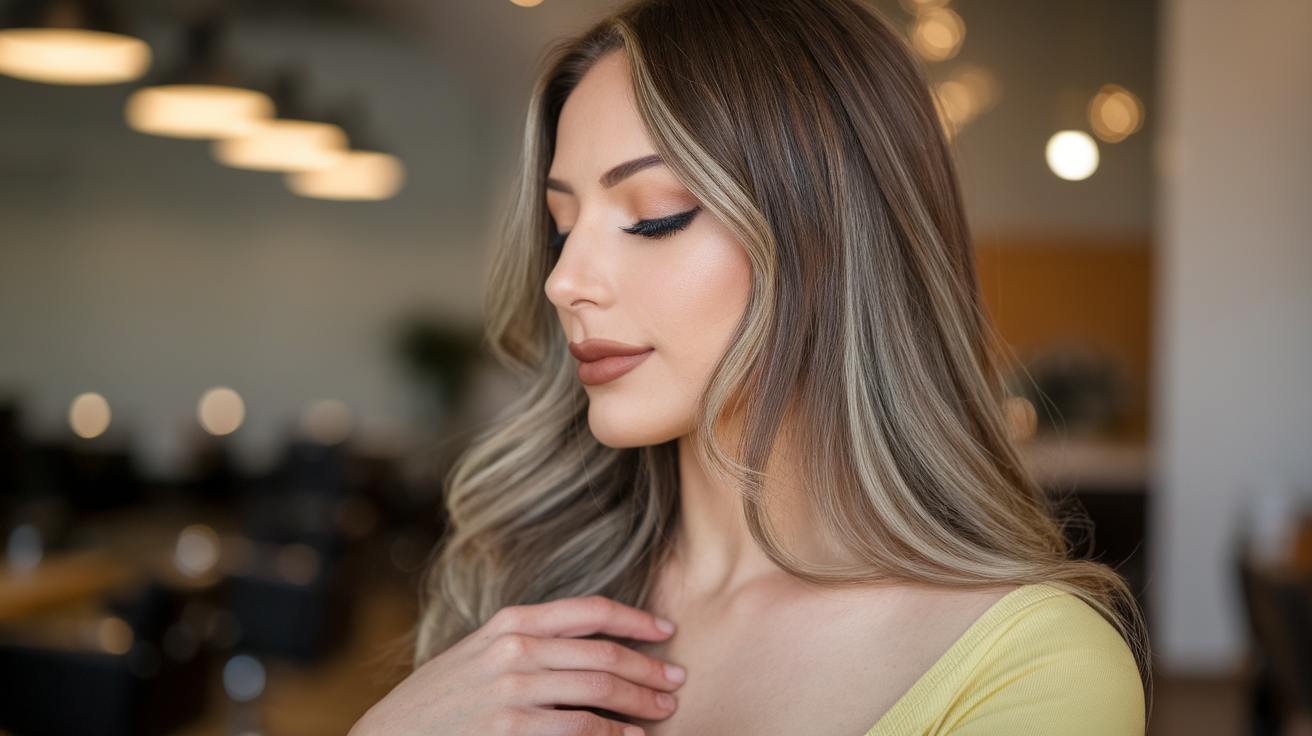
Old money brunette hair has become the epitome of understated elegance in the beauty world. These rich, dimensional brown shades speak volumes about sophistication without shouting for attention. Unlike trendy colors that come and go with the seasons, these brunette variations carry a timeless quality that transcends fashion cycles.
The appeal of old money brunette hair lies in its ability to look expensive without obvious effort. These shades mirror the natural hair colors found in prestigious boarding schools and country clubs, where subtlety reigns supreme. Women are increasingly drawn to these refined tones because they offer a polished appearance that works equally well in boardrooms and weekend brunches.
This year’s most coveted brunette trends focus on depth, dimension, and natural-looking richness. We’ll walk through five stunning variations that capture the essence of inherited elegance. Each trend offers its own take on sophisticated color, from deep chocolate browns to auburn-kissed shades that catch the light just right. Continue reading to discover which old money brunette trend will transform your look into something truly refined.
The Classic Chocolate Brown with Subtle Dimension
Deep chocolate brown hair embodies everything that old money style represents. This particular shade sits somewhere between dark brown and medium brown, offering a richness that photographs beautifully in any light. The key to achieving this coveted color lies in avoiding flat, one-dimensional results that can make hair appear lifeless.
What makes this shade old money worthy
True chocolate brown hair contains multiple undertones that create visual interest without obvious highlights. The color should appear uniform from a distance but reveal subtle variations up close. This complexity mimics the natural hair color variations that occur in virgin hair, creating an effortlessly expensive appearance.
Professional colorists achieve this look by layering different brown tones throughout the hair. They might use a base color two shades darker at the roots, gradually lightening toward the ends. This technique creates movement without relying on dramatic contrasts.
How to achieve the perfect chocolate tone
Finding your ideal chocolate shade requires understanding your skin’s undertones. Cool-toned skin pairs beautifully with chocolate browns that have ash or violet undertones. Warm-toned complexions shine with chocolate shades containing hints of golden or reddish brown.
The application process matters just as much as color selection. Rather than applying one uniform shade, skilled colorists paint different tones throughout sections of hair. They might use:
- Base color: Applied to roots and underneath sections for depth
- Secondary tone: Woven through mid-lengths for dimension
- Gloss treatment: Added at the end to enhance shine
- Toner adjustment: Fine-tunes the final result
Maintenance tips for lasting richness
Chocolate brown hair maintains its luxurious appearance with proper care. Color-depositing masks used weekly can refresh the tone between salon visits. These treatments prevent the brassiness that sometimes develops in brown hair exposed to sun and heat styling.
Water temperature plays a crucial role in color longevity. Lukewarm water during washing preserves the color molecules better than hot water, which opens the hair cuticle and allows color to escape. A cool water rinse at the end seals the cuticle for enhanced shine.
Best face shapes for this color
While chocolate brown suits most face shapes, certain structures particularly benefit from this shade. Oval faces can wear any variation of chocolate brown, from darkest espresso to milk chocolate tones. The versatility of this face shape allows for experimentation within the chocolate spectrum.
Square faces soften with chocolate brown shades that include subtle warmth around the face. Placing slightly lighter pieces near the jawline creates an illusion of softer angles. Round faces benefit from deeper chocolate shades at the roots with gradually lighter ends, creating a lengthening effect.
Heart-shaped faces look stunning with chocolate brown that concentrates depth at the crown while incorporating softer brown tones around the chin area. This distribution balances the wider forehead with the narrower chin, creating harmony in proportions.
Rich Espresso with Hidden Caramel Ribbons
The combination of deep espresso brown with strategically placed caramel ribbons creates an old money look that whispers rather than shouts. This trend takes the concept of highlights and refines it into something far more sophisticated. Instead of obvious streaks, these caramel accents hide within the hair, revealing themselves only with movement or in certain lighting.
Understanding the espresso base color
Espresso brown sits at the deeper end of the brunette spectrum, just shy of black but with enough brown to maintain warmth. This base color provides the perfect canvas for subtle dimension because its darkness allows even the slightest color variation to stand out beautifully.
The richness of espresso brown comes from its complex formulation. Unlike flat dark browns, true espresso contains multiple pigments that create depth. Colorists often combine neutral browns with the tiniest hint of red or gold to prevent the color from appearing too cool or ashy.
Quality matters significantly when achieving espresso brown. Premium color formulations deposit more pigment molecules, creating a denser, more luxurious appearance. The result should look like expensive dark chocolate rather than muddy brown.
Placement techniques for caramel highlights
Strategic placement transforms ordinary highlights into old money sophistication. Rather than traditional foil highlights that create uniform streaks, caramel ribbons should appear organic and uncontrived. The goal is to mimic how natural hair might lighten from sun exposure over many summers spent at private beach clubs.
Colorists achieve this effect through various techniques. They might hand-paint ribbons of caramel using a balayage approach, concentrating color on pieces that would naturally catch light. Another method involves teasing small sections before applying lightener, creating a diffused transition between the espresso base and caramel accents.
The ribbons themselves should vary in width and intensity. Some might be hair-thin wisps barely distinguishable from the base color. Others could be slightly wider but still subtle enough to blend seamlessly. This variation prevents the uniformity that screams “salon highlights” rather than natural beauty.
Creating natural-looking dimension
Dimension in espresso and caramel hair comes from thoughtful color graduation. The caramel shouldn’t appear as stark stripes against the dark base. Instead, there should be a middle tone bridging the two shades, perhaps a warm brown that eases the transition.
Professional colorists often use a technique called shadow rooting to maintain naturalness. Even when adding caramel ribbons, they keep the roots in pure espresso, sometimes extending this darkness an inch or two down the hair shaft. This approach ensures regrowth appears intentional rather than neglected.
The underside of the hair typically remains in the espresso shade, with caramel ribbons concentrated on top layers and around the face. This distribution creates movement when hair moves while maintaining the overall richness associated with old money style.
Styling methods to showcase the ribbons
Proper styling brings hidden caramel ribbons to life without making them obvious. Loose waves created with a large barrel curling iron allow the ribbons to catch light at different angles. The key lies in creating bends rather than tight curls, maintaining that effortless elegance.
Straight styles can also showcase this color combination beautifully. A sleek blowout with subtle movement at the ends allows the caramel to peek through naturally. Using a round brush to create slight bends while blow-drying adds just enough shape to reveal the dimension.
Product selection influences how the color appears. Lightweight oils or serums enhance shine without weighing hair down, allowing the caramel ribbons to reflect light. Avoid heavy products that can make the espresso base appear dull or flatten the carefully created dimension.
For special occasions, updos offer unique opportunities to display the color complexity. A low chignon with face-framing pieces pulled out reveals the caramel ribbons in an understated way. Similarly, a simple ponytail with slight height at the crown allows the dimension to show without overwhelming the classic style.
The Sophisticated Chestnut Balayage
Chestnut balayage represents the perfect marriage between traditional brunette elegance and modern coloring techniques. This approach to hair color captures the essence of old money style through its refined application and harmonious blend of warm and cool brown tones that create enviable dimension.
Defining chestnut tones for brunettes
Chestnut occupies a unique space in the brunette spectrum, sitting between medium brown and auburn without fully committing to either. The shade contains subtle red undertones that add warmth without venturing into obviously reddish territory. Think of autumn leaves in their early stages of change, when brown begins to hint at the warmer tones to come.
This particular brown reads differently in various lighting conditions, which adds to its sophisticated appeal. In natural daylight, chestnut reveals golden and copper notes. Under artificial lighting, it maintains a rich brown base that never appears flat or dull. This chameleon quality makes it ideal for women who want versatility in their hair color.
The complexity of chestnut comes from its multi-tonal nature. A true chestnut shade combines several brown variants:
- Base tone: Medium brown with neutral undertones
- Warm notes: Subtle copper and golden threads
- Cool balance: Hints of ash to prevent brassiness
- Depth variation: Darker roots transitioning to lighter ends
Why balayage suits old money aesthetics
Balayage technique aligns perfectly with old money principles because it creates an expensive look without obvious effort. Unlike traditional highlights that show clear demarcation lines, balayage mimics the gradual lightening that occurs naturally over time. The hand-painted application allows for complete customization, ensuring no two results look identical.
The French origin of balayage adds to its association with refined taste. This technique emerged from Parisian salons where subtlety and sophistication ruled over bold statements. The method focuses on enhancing natural beauty rather than dramatically altering it, a philosophy that resonates with old money values.
Professional application techniques
Master colorists approach chestnut balayage as an art form requiring patience and skill. The process begins with sectioning hair into natural fall patterns rather than rigid geometric divisions. This organic approach ensures the color flows naturally when hair moves.
The painting process itself requires a delicate touch. Colorists use sweeping motions to apply lightener, concentrating on mid-lengths and ends while leaving roots relatively untouched. They vary pressure and product amount to create different levels of lift within each section.
Timing becomes crucial in achieving the perfect chestnut tone. Since the goal involves lifting hair to a specific level without over-processing, colorists must monitor development carefully. They might process different sections for varying times to achieve seamless blending.
Home care for preserving the look
Maintaining chestnut balayage requires dedication to proper hair care routines. Purple shampoo, typically associated with blonde hair, can help neutralize any unwanted orange tones that might develop in the lighter sections. Using it once weekly prevents brassiness while maintaining the sophisticated brown base.
Heat protection becomes non-negotiable with balayaged hair. The lightened sections are more porous and susceptible to damage from styling tools. A quality heat protectant spray creates a barrier between hair and high temperatures, preserving both color and hair health.
Deep conditioning treatments deserve weekly attention. Balayaged hair benefits from moisture-rich masks that penetrate the hair shaft. Focus application on mid-lengths and ends where the lightening process may have created more porosity. These treatments maintain the glossy finish associated with expensive-looking hair.
Between salon visits, color-enhancing glosses can refresh the chestnut tones. These temporary treatments deposit pigment on the hair’s surface, reviving richness without the commitment of permanent color. They also add incredible shine that makes the balayage appear freshly done.
Deep Mahogany with Pearl Undertones
Deep mahogany brunette hair with pearl undertones creates an almost mystical quality that epitomizes old money elegance. This sophisticated shade combines the richness of traditional mahogany with unexpected cool-toned reflects that catch light in the most flattering ways. The result looks both classic and contemporary, perfect for women seeking a refined hair color with subtle complexity.
What sets mahogany apart from other brunettes
Mahogany brunette distinguishes itself through its unique position between brown and burgundy. Unlike standard browns that lean toward golden or ash tones, mahogany contains distinct reddish-purple undertones. These cool red notes create depth without the warmth typically associated with auburn shades.
The addition of pearl undertones elevates this color into old money territory. Pearl reflects appear as silvery-lavender glimmers within the deep mahogany base. This unexpected element prevents the color from reading as flat or predictable, instead creating an expensive-looking finish that changes subtly in different lighting.
True mahogany requires careful formulation to achieve its characteristic richness. Colorists must balance multiple pigments to create the perfect blend of brown, red, and violet. Too much red creates auburn, while excessive brown eliminates the mahogany’s signature depth.
Achieving the pearl effect
Creating pearl undertones within mahogany hair demands advanced coloring techniques. The process typically involves layering different formulas to build complexity. Colorists might start with a mahogany base, then add strategic placement of cooler tones that create the pearl effect.
One method involves using a violet-based toner over pre-lightened sections. The violet interacts with the mahogany base to produce those coveted pearl reflects. Another approach uses specialized pearl additives mixed directly into the color formula, creating an all-over luminescent quality.
The key to natural-looking pearl undertones lies in restraint. These cool reflects should whisper rather than shout, appearing only in certain angles of light. Overdoing the pearl effect can result in an unnatural, almost metallic appearance that contradicts old money subtlety.
Skin tones that complement this shade
Mahogany with pearl undertones particularly flatters cool and neutral skin tones. The violet undertones in the hair harmonize with pink or blue undertones in the skin, creating a cohesive appearance. Women with porcelain complexions find this shade especially flattering, as it provides contrast without overwhelming fair skin.
Olive skin tones can also wear this color beautifully, provided they lean toward the cooler side of olive. The pearl undertones help neutralize any yellow in the skin, creating a balanced overall look. The depth of mahogany ensures sufficient contrast against medium skin tones.
Those with warm skin tones should approach this color carefully. While not impossible to wear, the cool undertones might clash with golden or peachy skin. A skilled colorist can adjust the formula slightly, perhaps reducing the pearl effect or warming the mahogany base to create better harmony.
Products that enhance the color
Maintaining the complex beauty of mahogany with pearl undertones requires specific product choices. Color-depositing masks in cool brown or violet tones help refresh the pearl reflects between salon visits. These treatments prevent the warmth that can develop as mahogany fades.
Styling products with violet or blue pigments can enhance the pearl undertones:
- Toning drops: Add to regular conditioner for customized color maintenance
- Purple dry shampoo: Refreshes roots while depositing cool pigments
- Color-protecting serums: Seal the cuticle to lock in complex tones
- Illuminating sprays: Enhance the pearl effect for special occasions
Regular clarifying treatments prove essential for this color. Product buildup can dull the pearl undertones, making the hair appear flat mahogany without its characteristic luminescence. Monthly clarifying removes residue while preparing hair for toning treatments.
The washing routine impacts color longevity significantly. Sulfate-free shampoos preserve the delicate balance of pigments better than traditional formulas. Cool water rinses help seal the cuticle, maintaining both the mahogany depth and pearl reflects that make this color special.
The Timeless Auburn-Kissed Brunette
Auburn-kissed brunette hair captures the essence of inherited beauty with its subtle warmth and natural-looking dimension. This sophisticated take on brown hair incorporates just enough red to add interest without venturing into obvious ginger territory, creating a shade that looks like it could have been passed down through generations of well-bred women.
Finding the right auburn balance
The secret to old money auburn lies in restraint. While trendy copper shades make bold statements, auburn-kissed brunette whispers sophistication. The ideal balance involves brown as the dominant shade with auburn appearing as gentle warmth rather than distinct red streaks.
Achieving this balance requires understanding color theory. Auburn contains both red and brown pigments, but for an old money aesthetic, brown should comprise about 70-80% of the formula. The remaining percentage introduces warmth without overwhelming the brunette base.
Natural inspiration provides the best guide for auburn placement. Think about how hair naturally lightens from sun exposure – the pieces around the face, the crown, and the ends typically show the most warmth. Replicating this pattern creates believable color that appears to have developed over time rather than in a single salon session.
Sun-kissed versus salon-created effects
Old money auburn can emerge through different methods, each producing distinct results. Sun-kissed effects develop gradually through actual sun exposure or techniques that mimic this natural process. These results tend toward subtlety, with auburn notes appearing almost accidentally within the brown base.
Salon-created auburn offers more control and consistency. Professional colorists can precisely place warm tones where they’ll be most flattering, ensuring even distribution and predictable results. The challenge lies in making salon work appear as natural as genuine sun-lightening.
The most sophisticated approach combines both philosophies. Colorists might create a subtle auburn base through professional color, then enhance it with highlighting techniques that mimic sun exposure patterns. This dual approach provides the best of both worlds – controlled results that appear naturally achieved.
Seasonal adjustments for the color
Auburn-kissed brunette offers unique flexibility for seasonal changes. During summer months, the auburn notes can be slightly intensified to complement sun-kissed skin. This doesn’t mean going full redhead – rather, allowing existing auburn tones to become marginally more prominent.
Winter calls for deeper, richer variations. The auburn might recede slightly, allowing the brunette base to dominate. This seasonal shift mirrors natural hair behavior, where summer lightness gives way to winter depth. Such subtle transitions maintain authenticity while keeping the look fresh.
Spring and fall provide opportunities for the most balanced version of this color. These transitional seasons suit the true auburn-kissed brunette perfectly, with neither the brown nor auburn dominating. The equilibrium achieved during these months often represents the ideal version of this sophisticated shade.
Professional colorists can create these seasonal variations through:
- Gloss treatments: Adjust warmth without major color changes
- Toner applications: Shift the balance between brown and auburn
- Strategic highlighting: Add or reduce warm pieces as needed
- Shadow rooting: Deepen or lighten roots for seasonal appropriateness
Long-term maintenance strategies
Preserving auburn-kissed brunette requires a thoughtful approach to hair care. The red molecules in auburn are notoriously quick to fade, making maintenance crucial for this color’s longevity. However, the brown base provides stability, making this easier to maintain than pure auburn shades.
Color-safe shampoo becomes essential, but the type matters. Look for formulas specifically designed for brown hair with warm undertones rather than generic color-protection products. These specialized shampoos contain pigments that refresh both the brown base and auburn notes simultaneously.
Professional glossing treatments every 4-6 weeks can work wonders for maintaining vibrancy. These in-salon services deposit color molecules on the hair’s surface, refreshing the auburn warmth without the commitment of permanent color. They also add incredible shine that enhances the multi-dimensional nature of this shade.
Home care between salon visits should focus on moisture and protection. Auburn-kissed brunette can become brassy or dull without proper care. Weekly deep conditioning maintains hair health while preventing the dryness that makes color appear lackluster. UV protection sprays prevent sun from over-lightening the auburn or causing unwanted brassiness.
The washing schedule impacts color retention significantly. Extending time between washes allows natural oils to protect color molecules. When washing becomes necessary, lukewarm water preserves pigment better than hot water. Dry shampoo specifically formulated for brunettes can extend time between washes while adding subtle color enhancement.
Perfecting sophisticated brunette trends
Choosing among these five sophisticated brunette trends ultimately depends on your personal style, maintenance preferences, and natural coloring. Each variation offers its own interpretation of old money elegance, from the understated richness of classic chocolate to the complex beauty of mahogany with pearl undertones. The unifying factor across all these shades remains their ability to convey expensive taste without obvious effort.
The true marker of old money hair color lies not just in the shade itself but in its execution and maintenance. Whether you opt for hidden caramel ribbons or subtle auburn warmth, the key remains achieving a result that looks naturally blessed rather than obviously enhanced. These brunette trends prove that sophistication often speaks in quiet tones, creating beauty that endures beyond seasonal fads.
Frequently Asked Questions
Q: How much does it typically cost to achieve these old money brunette shades at a salon?
A: Professional coloring for these sophisticated brunette shades generally ranges from $150-$400, depending on your location, salon prestige, and the complexity of the technique required. Major cities and high-end salons charge premium prices, while the intricate work involved in creating dimension and undertones justifies the investment.
Q: Can I achieve any of these old money brunette looks with at-home color?
A: While box dyes can approximate some basic brunette shades, achieving the multi-dimensional quality of true old money color requires professional expertise. The subtle undertones, strategic placement, and complex formulations that define these trends prove nearly impossible to replicate at home.
Q: How often will I need to visit the salon to maintain these brunette shades?
A: Most old money brunette shades require salon visits every 6-8 weeks for optimal maintenance. Root touch-ups might stretch to 8-10 weeks since these colors typically start darker at the roots. Glossing treatments between color appointments can extend the time between full color services.
Q: Which of these brunette trends requires the least maintenance?
A: Classic chocolate brown with subtle dimension typically demands the least upkeep since it closely mimics natural hair color. The lack of dramatic highlights or obvious color variation means regrowth appears less noticeable, making it ideal for those seeking sophisticated color without frequent salon visits.
Q: Will these brunette shades work if I’m starting with previously colored or highlighted hair?
A: Transitioning from existing color to old money brunette usually requires a corrective process. Your colorist might need to fill the hair with missing pigments or remove unwanted tones before achieving the desired shade. This process sometimes takes multiple appointments but ensures the best final result.
Q: Do these old money brunette colors work well with gray hair?
A: These sophisticated brunette shades can beautifully blend with gray hair when properly formulated. The key lies in adjusting the base color to harmonize with your percentage of gray while maintaining the overall richness. Some women even incorporate their natural gray as part of the dimensional effect.
Q: What’s the main difference between regular highlights and the dimensional techniques used in old money brunette hair?
A: Traditional highlights create obvious contrast and uniform lightness throughout the hair. Old money dimensional techniques focus on subtle variation that mimics natural color differences, using multiple tones that blend seamlessly rather than creating distinct lighter streaks against a dark base.

