

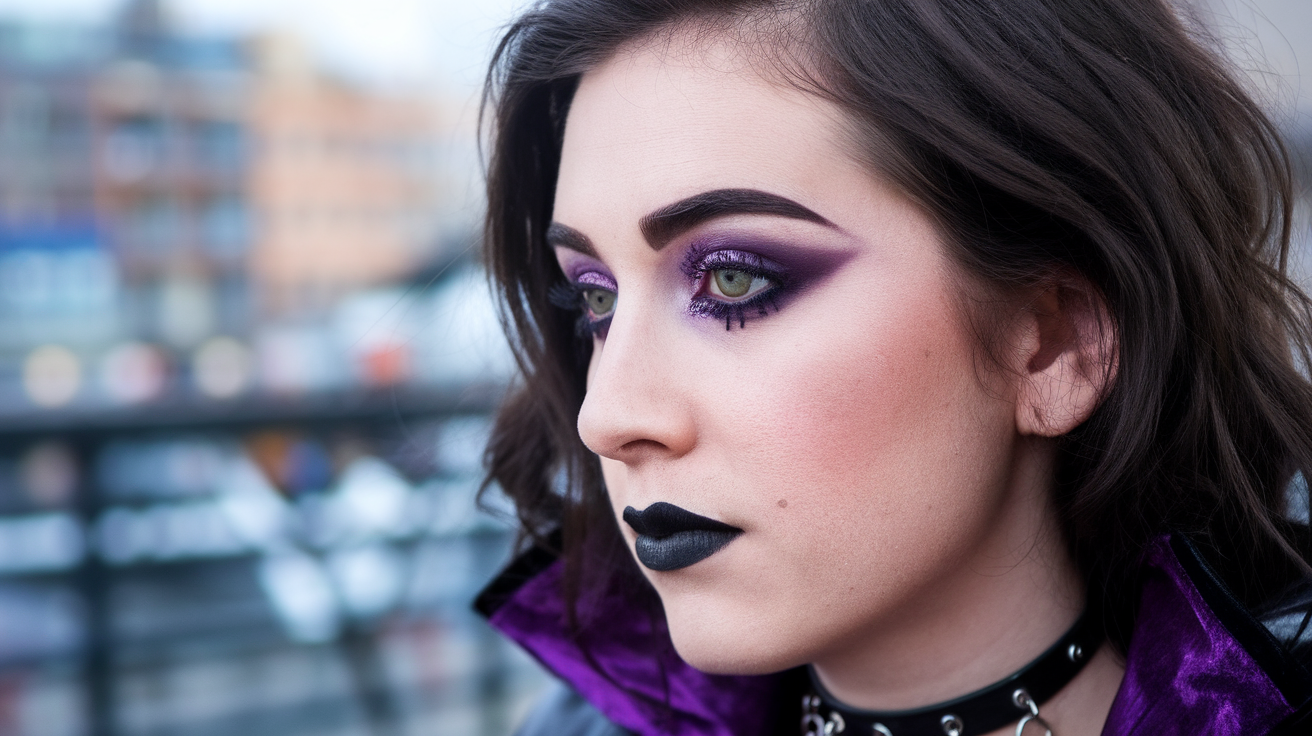
Goth makeup transforms your face into a canvas of dramatic contrasts, where pale skin meets dark, intense features to create an unforgettable look. This striking aesthetic goes beyond simply wearing black lipstick or heavy eyeliner – it requires specific products and techniques that work together to achieve that signature gothic beauty. Whether you’re drawn to the romantic vampire aesthetic or the edgier industrial goth style, mastering the essentials gives you the foundation to express your dark side with confidence.
The appeal of this makeup style lies in its ability to make a powerful visual statement while allowing for personal interpretation. Modern goth makeup has evolved from its 1980s origins, incorporating contemporary products and application methods that make the look more wearable and long-lasting than ever before. You don’t need to be part of the subculture to appreciate the artistry and drama that these makeup techniques bring to your beauty routine.
Creating an authentic goth look requires understanding which products truly matter and how they work together to achieve that coveted dramatic effect. In the following sections, we’ll walk through the five essential makeup items every woman needs to master this bold aesthetic, from achieving the perfect pale base to selecting lip colors that command attention. These fundamentals will give you everything needed to create looks ranging from subtle gothic touches for everyday wear to full theatrical drama for special occasions.
- What Makes Goth Makeup Different from Other Dark Styles?
- Which Foundation Creates the Perfect Pale Canvas?
- How Do You Achieve Those Iconic Dark Eyes?
- What Lip Colors Define the Goth Look?
- Which Setting Products Lock Everything in Place?
- Final Thoughts on Mastering Gothic Glamour
- Frequently Asked Questions
What Makes Goth Makeup Different from Other Dark Styles?
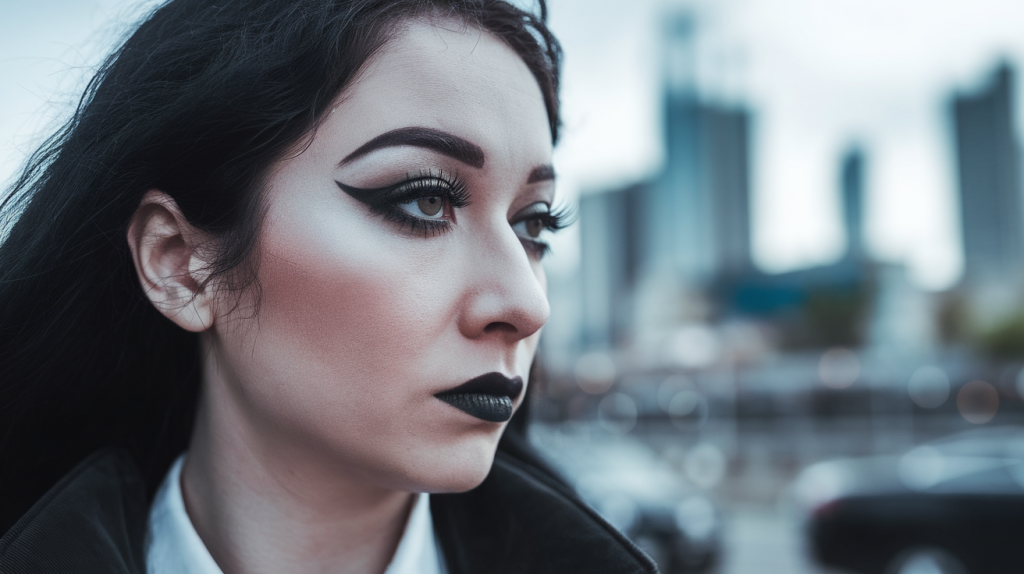
Goth makeup stands apart from other dark beauty aesthetics through its commitment to extreme contrast and theatrical precision. While grunge makeup favors smudged, lived-in textures and punk styles lean toward chaotic, rebellious application, gothic beauty demands careful attention to creating sharp lines and flawless finishes. The aesthetic prioritizes a porcelain-like complexion paired with intensely pigmented features, creating an almost otherworldly appearance that feels both beautiful and slightly unsettling.
The Signature Elements of Goth Aesthetic
The foundation of any gothic look starts with creating a dramatically pale canvas. This isn’t about looking sickly or washed out – it’s about achieving an ethereal, almost translucent quality to your skin that makes dark features pop with maximum impact. Traditional goths often choose foundations two to three shades lighter than their natural skin tone, though modern interpretations sometimes work with natural complexions while focusing intensity on the eyes and lips.
Color selection plays a crucial role in distinguishing this style from other alternative looks. Where other dark aesthetics might incorporate browns, grays, or muted tones, goth makeup traditionally sticks to a stark palette of black, white, deep burgundy, and purple. These colors create the high-contrast effect that defines the look, making features appear more sculpted and dramatic.
Contrast with Grunge and Punk Makeup
Understanding the differences between alternative makeup styles helps you achieve an authentic gothic look. Grunge makeup celebrates imperfection with deliberately messy application, often featuring brown and taupe tones that create a worn, tired effect. Punk makeup, on the other hand, uses bold colors and aggressive application to shock and rebel, often incorporating neon accents or unconventional placement.
Gothic beauty takes the opposite approach, treating makeup application as an art form requiring precision and patience. Every line should be deliberate, every blend seamless. This attention to detail creates the sophisticated darkness that separates goth from its alternative cousins.
Historical Roots in Gothic Subculture
The makeup style emerged from the post-punk movement of the early 1980s, when bands like Bauhaus and Siouxsie and the Banshees popularized the pale skin and dark features combination. Early pioneers of the look drew inspiration from silent film stars, German expressionist cinema, and Victorian mourning fashion, creating a beauty aesthetic that celebrated darkness as something beautiful rather than frightening.
This historical context influences modern interpretations, with many contemporary goths incorporating vintage elements into their makeup routines. Victorian-inspired looks might feature more burgundy tones and romantic details, while industrial goth styles lean toward sharper lines and metallic accents. Understanding these variations helps you choose which direction to take your own gothic transformation.
Color Palette Specifics
The traditional gothic color palette remains surprisingly limited, but this constraint actually enhances creativity in application techniques. Black serves as the cornerstone, appearing in everything from eyeshadow to lipstick to nail polish. This singular focus on black requires investing in high-quality products with true black pigmentation rather than dark grays or browns that might appear black in the package.
Supporting colors add depth without compromising the overall darkness:
- Deep Burgundy: Adds warmth while maintaining gothic credibility
- Purple Tones: From plum to violet, these shades complement pale skin beautifully
- Silver and Gray: Perfect for highlighting and adding dimension
- White: Essential for creating contrast and highlighting pale areas
Intensity and Drama Levels
Not every gothic look requires maximum drama. Understanding how to scale intensity allows you to adapt the aesthetic for different occasions. A subtle approach might involve a pale base with just black eyeliner and nude lips tinted slightly darker than natural. This works well for professional settings where you want to maintain your alternative edge without overwhelming conservative environments.
Full theatrical goth makeup layers multiple products for maximum impact. This might include white foundation, heavy black eyeshadow extending well beyond the natural eye shape, false lashes, dramatically overdrawn lips, and even decorative elements like rhinestones or painted designs. These looks work best for concerts, clubs, or photoshoots where dramatic presentation is expected and celebrated.
The key lies in maintaining balance regardless of intensity level. Even subtle gothic touches should create noticeable contrast, while theatrical applications need careful blending to avoid looking costume-like. Practice helps you find your perfect balance between wearable and dramatic.
Which Foundation Creates the Perfect Pale Canvas?
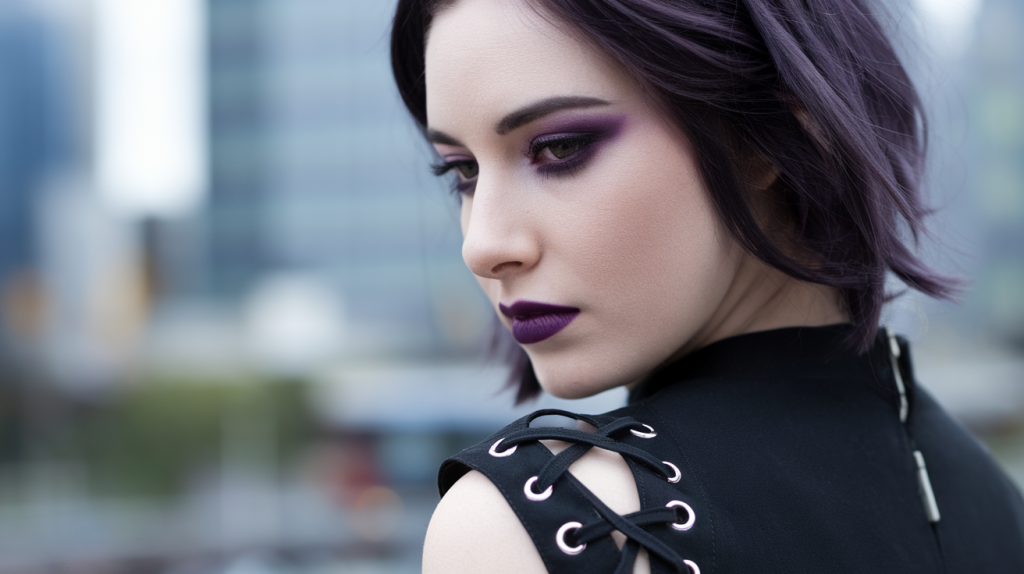
Foundation selection makes or breaks your gothic transformation, serving as the literal foundation upon which all other elements build. The right product creates that coveted porcelain finish while maintaining a natural, skin-like texture that photographs beautifully and lasts through long nights. Many women struggle with achieving the perfect pale base because mainstream foundations rarely cater to deliberately lighter applications, requiring creative solutions and specific product knowledge.
Choosing Shades Lighter Than Natural Skin Tone
Finding your ideal gothic foundation shade requires abandoning conventional color-matching rules. While beauty consultants typically recommend matching your jawline, gothic makeup deliberately creates contrast by going lighter. Start by selecting a foundation one to two shades paler than your natural tone for a subtle effect, or three to four shades lighter for dramatic impact.
Test potential shades on your inner wrist rather than your face, as this area naturally has less pigmentation and better represents the pale effect you’re trying to achieve. Apply a stripe of each candidate shade and check how they look in different lighting conditions. Natural daylight reveals whether a foundation pulls too pink or yellow, while artificial light shows how it will appear in clubs or evening settings.
Women with naturally deep skin tones don’t need to aim for paper-white results. Instead, focus on creating relative paleness by using the lightest shade within your undertone family. This maintains harmony with your natural coloring while still achieving the characteristic gothic contrast between skin and features.
Full Coverage Versus Buildable Formulas
Your choice between full coverage and buildable formulas depends on your natural complexion and desired finish. Full coverage foundations offer immediate opacity, perfect for quickly achieving that flawless pale canvas. These formulas work particularly well if you have uneven skin tone, dark spots, or redness that might show through lighter coverage options.
Buildable formulas provide more control over the final result. Starting with a light layer and gradually adding more product allows you to customize coverage for different areas of your face. This approach works beautifully for women who want to maintain some natural dimension in their complexion rather than creating a completely flat, mask-like finish.
Consider your skin type when selecting formula density. Oily skin often performs better with full coverage formulas that contain mattifying ingredients, while dry skin benefits from buildable formulas that you can layer with hydrating products. Combination skin might require using different formulas on different areas – full coverage on the oily T-zone and buildable coverage on drier cheeks.
Setting Powders for Longevity
A translucent or white setting powder transforms your liquid foundation into a long-wearing base that resists smudging, creasing, and fading. Gothic makeup demands longevity since the high contrast makes any wearing or patchiness immediately obvious. The right powder not only sets your foundation but enhances the pale effect while maintaining a skin-like finish.
Application technique matters as much as product selection. Press powder into the skin using a damp beauty sponge rather than sweeping it on with a brush. This method, called baking in the beauty community, creates an absolutely budge-proof base that can withstand hours of dancing, sweating, or weather exposure. Focus extra attention on areas prone to creasing like under the eyes and around the nose.
Choose powders specifically formulated for photography if you plan to take pictures. Some setting powders contain ingredients that create flashback, making your face appear ghostly white in flash photography – which might actually enhance your gothic look. However, if you want to avoid this effect, look for powders labeled as flashback-free or HD-friendly.
Avoiding Flashback in Photos
Speaking of photography, the dramatic nature of gothic makeup makes it highly photogenic, but certain products can create unwanted effects under flash. Flashback occurs when light-reflecting particles in makeup bounce back camera flash, creating white patches that look unnatural even by goth standards. This typically happens with products containing titanium dioxide or zinc oxide, common ingredients in many foundations and powders.
Test your complete base makeup with flash photography before wearing it to important events. Take photos with your phone’s flash from various angles and distances to identify any problem areas. If you notice flashback, you might need to switch products or adjust your application technique. Sometimes simply using less product or blending more thoroughly solves the issue.
For photoshoots or events where you know you’ll be photographed extensively, consider using professional theatrical foundations designed for stage and camera work:
- Water-based foundations: Less likely to cause flashback
- Cream foundations: Provide opacity without powder particles
- Airbrush foundation: Creates an ultra-smooth finish perfect for photos
- Professional brands: Specifically formulated to photograph well
Blending Techniques for Seamless Finish
The stark paleness of gothic foundation makes blending absolutely critical. Any harsh lines or patches immediately destroy the illusion of naturally pale skin. Start your application from the center of your face and work outward, paying special attention to the hairline, jawline, and ears. These transition areas often reveal poor blending that can make your makeup look mask-like rather than ethereal.
Extend foundation down your neck and onto your chest if wearing low-cut clothing. This prevents the dreaded floating head effect where your face appears disconnected from your body. Use a large, fluffy brush or damp sponge to blend foundation into these areas with a lighter touch than on your face, creating a gradual transition rather than an obvious line.
Don’t forget often-missed areas that can break the pale illusion. Ears, especially if you wear your hair up, need foundation to match your face. The area between your eyebrows and hairline requires careful blending to avoid an obvious makeup line. Even your lips should receive a light layer of foundation to create a blank canvas for dark lipstick application later.
Perfecting your blending technique takes practice, but certain tools make the process easier. Beauty sponges dampened with setting spray provide the smoothest finish, while stippling brushes help blend edges without disturbing the coverage underneath. Work in thin layers rather than trying to achieve full opacity in one application, as this allows for better blending and a more natural finish despite the dramatic color difference.
How Do You Achieve Those Iconic Dark Eyes?

Dark, intensely dramatic eyes define gothic makeup more than any other feature, transforming your gaze into something simultaneously beautiful and haunting. Creating this signature look goes beyond simply applying black eyeshadow – it requires understanding how to build depth, intensity, and shape using multiple products and techniques. The most successful gothic eye looks balance precise application with artistic creativity, resulting in eyes that command attention from across any room.
Black Eyeshadow Application Methods
True black eyeshadow requires different application techniques than typical neutral shades because its intensity can quickly become overwhelming without proper control. Start with an eyeshadow primer specifically designed for dark colors, as this prevents creasing while intensifying the black pigment. Regular primers might not provide enough grip for heavy black shadow, leading to fallout and fading throughout the day.
The key to beautiful black eyeshadow lies in gradual building rather than immediate full intensity. Begin with a dark gray or charcoal shade as your base, covering the entire lid and extending slightly above the crease. This creates a foundation that makes blending easier while preventing harsh lines. Only after establishing this base should you add true black shadow, concentrating it on the lid and outer corner for maximum impact.
Different textures of black eyeshadow create varying effects on the eye. Matte black shadows provide the most intense, light-absorbing finish perfect for creating depth and drama. These work best when packed onto the lid with a flat brush, then blended at the edges with a fluffier brush to avoid harsh lines. For added dimension, layer a black shadow with shimmer or metallic finish on top of the matte base, creating subtle complexity that catches light beautifully.
Consider your eye shape when deciding how far to extend black shadow. Deep-set eyes benefit from keeping dark colors primarily on the lid, while prominent eyes can handle black shadow extended well above the crease. Hooded eyes should focus intensity on the outer corner and lower lash line rather than the mobile lid, which disappears when eyes are open.
Eyeliner Techniques for Maximum Impact
Gothic eyeliner goes far beyond a simple line along the lashes – it becomes an artistic statement that shapes and defines the entire eye. The classic goth liner look completely encircles the eye, often extending beyond natural boundaries to create an enlarged, doll-like effect. This technique, called tightlining when applied to the waterline, makes lashes appear thicker while intensifying the overall darkness of the eye area.
Layering different liner formulas creates the most long-lasting and intense result. Start with a pencil liner to map out your desired shape, as its forgiving texture allows for easy correction of mistakes. Follow with a gel or cream liner to intensify the color and improve longevity. Finally, set everything with a matching powder shadow applied with an angled brush, which locks the liner in place while softening any harsh edges.
Don’t limit yourself to basic liner shapes. Gothic makeup celebrates creativity, so experiment with graphic elements that extend your liner into artistic designs:
- Extended wings: Dramatic wings that reach toward temples
- Double lines: Parallel lines creating geometric interest
- Dots and accents: Small decorative elements around the outer corner
- Lower lash emphasis: Thick liner on bottom lash line for doll-like effect
- Negative space: Deliberately leaving gaps in liner for modern interpretation
Mascara and False Lashes Selection
No gothic eye look feels complete without dramatically dark, voluminous lashes that frame the intense eyeshadow and liner. Even if you naturally have dark lashes, the pale foundation can make them appear lighter, requiring extra mascara to restore balance. Choose the blackest black formula available rather than dark brown or regular black, as the extra pigmentation makes a noticeable difference against pale skin.
Application technique maximizes your mascara’s impact. Wiggle the wand at the base of lashes before sweeping upward, depositing most product at the roots where it creates the illusion of thicker lashes. Apply multiple coats, allowing each to dry slightly before adding the next to avoid clumping. Don’t neglect lower lashes – coating these adds to the doll-like quality that many gothic looks aim to achieve.
False lashes elevate your gothic eye makeup from everyday to extraordinary. Choose styles with dramatic length and volume rather than natural-looking options. Wispy, separated styles work well for romantic goth looks, while dense, uniform lashes suit industrial or traditional goth aesthetics. Consider stacking two pairs for maximum drama, or cutting lashes into sections and applying only to the outer corners for a cat-eye effect.
Creating Depth with Dark Colors
While black dominates gothic eye makeup, incorporating other dark shades adds dimension that prevents the look from appearing flat. Deep purples, burgundies, and dark grays layered with black create complexity that photographs beautifully and appears more sophisticated than solid black alone. These supporting colors also help with blending, creating transitions that make even the most dramatic looks appear intentional rather than messy.
The placement of these colors affects the overall eye shape and mood. Purple in the inner corner adds a mysterious glow without brightening like traditional highlight shades would. Burgundy along the lower lash line creates a romantic, vampire-inspired effect that’s slightly softer than pure black. Dark silver or pewter on the center of the lid adds dimension and catches light subtly.
Understanding color theory helps you choose which dark shades work best with your skin tone and overall look. Cool-toned women might prefer deep purples and blue-based blacks, while warm-toned skin looks stunning with burgundy and brown-blacks. However, gothic makeup often deliberately ignores conventional color rules, so experiment to find combinations that express your personal aesthetic.
Smoky Versus Graphic Styles
The gothic eye encompasses two main stylistic approaches: smoky and graphic. Smoky eyes use extensive blending to create a cloud of darkness surrounding the eye, perfect for romantic or traditional goth looks. This technique requires patience and practice but creates an incredibly sultry, mysterious effect that works well for both day and night wear when adjusted for intensity.
Graphic eye looks abandon blending in favor of sharp lines and distinct shapes. This modern interpretation of gothic makeup draws inspiration from avant-garde fashion and editorial beauty. Clean edges require steady hands and often benefit from using tape or other guides to achieve perfectly straight lines. These looks photograph exceptionally well and make strong statements at concerts or alternative fashion events.
Combining elements from both styles creates unique hybrid looks. You might apply smoky shadow on the lid while keeping liner sharp and graphic, or create geometric shapes filled with blended shadow. This approach allows for endless creativity while maintaining the essential gothic darkness that defines the aesthetic.
What Lip Colors Define the Goth Look?
Gothic lips make an equally powerful statement as the eyes, serving as the second focal point in creating that characteristic dramatic contrast. While black lipstick remains the most iconic choice, the modern goth palette includes deep burgundies, purples, and even dark grays that offer variety while maintaining the essential darkness. Perfecting gothic lip application requires specific techniques that ensure precise edges, long-lasting color, and the confidence to wear such bold shades in any setting.
Classic Black Lipstick Application
Black lipstick presents unique application challenges that don’t exist with conventional colors. The intense pigmentation makes any imperfection immediately visible, while the dark color can emphasize lip texture or dryness you might not normally notice. Proper preparation transforms black lipstick from potentially messy to absolutely stunning.
Begin with thoroughly exfoliated and moisturized lips. Use a gentle lip scrub to remove any dry skin, then apply a lightweight, non-greasy lip balm. Allow the balm to absorb for several minutes before blotting away excess with a tissue. This creates a smooth canvas that helps black lipstick glide on evenly without settling into fine lines or emphasizing texture.
The secret to perfect black lips lies in building coverage gradually:
- First layer: Apply a thin coat focusing on precision rather than opacity
- Blot and set: Press tissue against lips and dust with translucent powder
- Second layer: Add another thin coat for full coverage
- Clean edges: Use a small brush dipped in foundation to perfect the lip line
- Final set: Another light dusting of powder ensures longevity
Deep Burgundy and Purple Alternatives
Not everyone feels ready for true black lips, and that’s where deep burgundy and purple shades offer a gateway into gothic lip color. These alternatives provide drama and darkness while feeling slightly more wearable for those new to the aesthetic. Deep burgundy works particularly well for romantic goth looks, evoking Victorian vampires and vintage horror films.
Purple lips range from deep plum to nearly black violet, each creating different moods within the gothic spectrum. Darker purples approach the intensity of black while maintaining a subtle color that catches light differently. These shades often complement pale skin more naturally than pure black, making them excellent choices for daytime goth looks or professional settings where black might feel too extreme.
When selecting alternative dark lip colors, pay attention to undertones that complement your overall coloring. Blue-based burgundies and cool purples typically suit pink-toned skin, while brown-based burgundies and warm purples flatter yellow or olive undertones. However, the deliberately unconventional nature of gothic makeup means these guidelines serve as starting points rather than rules.
Lip Liner for Precise Edges
Precision becomes absolutely crucial with dark lip colors, as even minor smudging or bleeding destroys the polished gothic aesthetic. A high-quality lip liner in a matching or slightly darker shade than your lipstick provides the control needed for perfect application. Some women prefer using black liner regardless of lipstick color, creating definition that enhances the dramatic effect.
The overlining technique popular in mainstream makeup takes on new dimension in gothic application. Slightly extending your lip line creates a fuller, more doll-like mouth that balances the intensity of dark eye makeup. Keep overlining subtle – no more than one or two millimeters beyond your natural lip line – to avoid an obviously drawn-on appearance.
Apply liner using short, feathering strokes rather than trying to draw one continuous line. This method provides better control and creates a more natural-looking edge. Fill in the entire lip with liner before applying lipstick, creating a base that improves longevity and prevents the color from wearing unevenly throughout the day.
Long-wearing Formulas
Gothic lip colors need serious staying power to maintain their impact through eating, drinking, and whatever nighttime activities you pursue. Liquid lipsticks designed to dry down completely offer the best longevity, though they require precise application since mistakes can’t be easily corrected once the formula sets.
Traditional bullet lipsticks can achieve similar longevity with proper layering techniques. After each coat of lipstick, press a single ply of tissue against your lips and dust translucent powder over the tissue. This sets the color without adding texture or changing the finish. Repeat this process between multiple thin layers rather than applying one thick coat.
Some formulas specifically cater to alternative beauty needs:
- Tar-based blacks: Provide the truest black with minimal fading
- Staining formulas: Leave color even after the lipstick wears away
- Transfer-proof options: Essential for maintaining perfect lips during social activities
- Vegan formulas: Many gothic-friendly brands prioritize cruelty-free ingredients
Ombre and Gradient Effects
Modern gothic lips often incorporate ombre or gradient effects that add visual interest while maintaining darkness. These techniques work particularly well for those wanting to experiment with black lipstick without committing to solid coverage. A black-to-red gradient creates a blood-like effect perfect for vampire-inspired looks, while black-to-purple offers a more mystical appearance.
Creating seamless gradients requires patience and the right tools. Start by applying your lighter shade to the entire lip, then concentrate the darker color on the outer edges and blend inward using a small brush. The key lies in working while both colors remain slightly wet, allowing them to merge naturally rather than creating obvious lines.
Reverse gradients with darker color in the center fading outward create an unusual effect that photographs beautifully. This technique makes lips appear smaller and more pursed, contributing to the doll-like aesthetic many goths favor. Experiment with different color combinations and gradient directions to find effects that complement your features and express your individual style.
Don’t forget that gradient lips can incorporate more than two colors. A black-to-purple-to-burgundy gradient creates complex dimension that changes appearance in different lighting. These multi-tonal lips require more time and skill but result in truly unique looks that stand out even within alternative beauty communities.
Which Setting Products Lock Everything in Place?
The dramatic nature of gothic makeup demands products that ensure your carefully crafted look survives whatever activities fill your night. From dancing at clubs to walking through weather, your pale base and dark features need protection from smudging, fading, or transferring. Setting products designed for professional use often work best for gothic makeup, as they’re formulated to withstand stage lights, long wear times, and extreme conditions that mirror the demands of alternative nightlife.
Setting Sprays for All-Day Wear
Setting spray serves as the final seal that transforms your makeup from beautiful but delicate to absolutely bulletproof. Unlike regular fixing sprays that simply refresh makeup, true setting sprays contain film-forming ingredients that create an invisible barrier over your entire face. This barrier protects against humidity, sweat, and accidental touching while maintaining the finish you worked so hard to achieve.
Application technique affects how well setting spray performs. Hold the bottle at least eight inches from your face and spray in an X pattern followed by a T pattern, ensuring even coverage without oversaturating any area. Allow the first layer to dry completely before adding a second coat for extended wear situations. Some makeup artists recommend spraying your brush or sponge with setting spray before applying powder products, which improves their adherence and longevity.
Different setting sprays offer varying finishes and benefits. Matte formulas work best for oily skin or when you want that classic flat gothic finish. Dewy sprays might seem counterintuitive for goth makeup, but they can add an ethereal glow to romantic gothic looks. Some specialized formulas even claim to be waterproof or transfer-proof, though these require oil-based removers for proper cleansing.
The timing of setting spray application matters as much as the product itself. While most people spray only at the end of their routine, applying light mists between makeup steps creates multiple protective layers. Spray after foundation, after eye makeup, and finally after lips for maximum longevity. This technique proves especially useful for special events where touch-ups might be impossible.
Touch-up Essentials for Nights Out
Even the best setting products can’t guarantee perfection through an entire night of gothic adventures. Carrying strategic touch-up products ensures you maintain your dramatic look from sunset to sunrise. The key lies in selecting multipurpose products that address multiple potential issues without requiring a full makeup bag.
Blotting papers designed for extremely oily skin absorb excess moisture without disturbing your carefully applied base. Black ones blend seamlessly if any fibers stick to your makeup, though white or translucent versions work fine if you’re careful. Press rather than rub to avoid smearing your foundation or powder. Follow with a light mist of setting spray to refresh the protective barrier.
A single black pencil liner serves multiple emergency purposes:
- Eye touch-ups: Redefine smudged liner or intensify fading shadow
- Lip definition: Sharpen edges if lipstick bleeds or wears
- Spot coverage: Fill in any gaps in eye makeup
- Quick fixes: Temporarily repair chipped nail polish or fill in boot scuffs
Waterproof Options
Waterproof formulas become essential for outdoor events, emotional occasions, or simply surviving unexpected weather. However, not all waterproof products suit gothic makeup needs. Many waterproof foundations lack the coverage or pale shades required for that signature ghostly complexion. Similarly, waterproof mascaras often come only in brown or basic black rather than the ultra-black gothic looks demand.
The solution involves waterproofing regular products rather than seeking specialized waterproof versions. Mixing a drop of silicone-based primer into your foundation improves its water resistance without changing the color or coverage. Applied correctly, this mixture withstands light rain, tears, and sweat while maintaining the pale finish essential to gothic aesthetics.
For eye makeup, layering becomes your waterproofing strategy. Start with waterproof primer, then apply regular shadows and set them with matching waterproof shadows or liner. This sandwich technique provides the color payoff and finish you want with improved durability. The waterproof products act as both base and seal, protecting the more pigmented regular products between them.
Primer Importance
Primer often gets overlooked in gothic makeup routines, yet it provides the foundation that makes everything else possible. The right primer creates a smooth surface that helps makeup adhere better and last longer while addressing specific skin concerns that might interfere with achieving that perfect pale, porcelain finish.
Choosing primer requires considering both your skin type and the unique demands of gothic makeup. Silicone-based primers fill pores and fine lines, creating the smooth canvas essential for flawless pale foundation. However, these can feel heavy or cause breakouts for some women. Water-based primers offer lighter texture while still improving longevity, though they might not provide enough grip for heavy gothic makeup application.
Color-correcting primers help achieve maximum paleness without requiring as much foundation. Pink primers counteract yellow tones in skin, while lavender primers brighten and create that ethereal glow associated with romantic gothic looks. White primers actually lighten your skin tone, allowing you to use less pale foundation while achieving the same ghostly effect.
Removal Techniques
The same products that make gothic makeup last through anything also make it challenging to remove. Proper removal prevents skin damage and ensures you start fresh for your next dramatic transformation. Never sleep in gothic makeup, no matter how tired you are – the heavy products can clog pores and cause breakouts that interfere with future makeup application.
Double cleansing works best for removing long-wearing gothic makeup. Start with an oil-based cleanser or pure oil like jojoba or coconut to break down waterproof products and heavy pigments. Massage gently for at least sixty seconds, paying extra attention to areas with concentrated color like eyes and lips. The oil dissolves even the most stubborn products without harsh rubbing that could irritate skin.
Follow with a gentle water-based cleanser to remove oil residue and any remaining makeup. This second cleanse ensures your skin is completely clean without stripping natural oils that keep your complexion healthy:
- Micellar water: Removes lingering traces without rinsing
- Cream cleansers: Nourish while cleansing for dry skin
- Gel cleansers: Deep clean without leaving residue for oily skin
- Foam cleansers: Provide satisfying lather for combination skin
After cleansing, always moisturize thoroughly. The heavy makeup and multiple cleansing steps can dehydrate your skin, leading to problems with future makeup application. A rich night cream helps skin recover overnight, ensuring you wake with a smooth, healthy canvas ready for your next gothic masterpiece.
Final Thoughts on Mastering Gothic Glamour
Your journey into gothic makeup mastery requires patience, practice, and the right products working in harmony. The five essentials covered here – foundation for that ethereal base, black eyeshadow for dramatic eyes, precise eyeliner, bold lip colors, and reliable setting products – form the core toolkit for any woman wanting to express her dark side through makeup. Each element plays a crucial role in achieving that perfect balance between beautiful and haunting that defines true gothic glamour.
The beauty of this aesthetic lies in its versatility and room for personal interpretation. Whether you prefer romantic Victorian-inspired looks or sharp, modern industrial styles, these fundamental products and techniques adapt to your vision. Start with mastering one element at a time, perhaps beginning with perfecting your pale base or experimenting with dark lips, then gradually combine techniques as your confidence grows. Your gothic makeup journey is uniquely yours – let these essentials guide you while your creativity shapes the final result.
Frequently Asked Questions
Q: Can women with darker skin tones pull off goth makeup?
A: Absolutely! Gothic makeup isn’t about achieving paper-white skin but creating dramatic contrast. Women with deeper skin tones should focus on using the lightest shade within their undertone family and emphasizing the contrast between skin and dark features. The intensity and drama translate beautifully across all skin tones.
Q: How do I wear goth makeup to work without getting fired?
A: Start with subtle elements like a slightly paler foundation, dark eyeliner confined to the lash line, and deep burgundy lips instead of black. Save dramatic looks for evenings and weekends while incorporating gothic touches through nail polish or accessories during work hours.
Q: Will gothic makeup damage my skin?
A: Not if you follow proper removal and skincare routines. Always remove makeup thoroughly using double cleansing, moisturize regularly, and give your skin occasional breaks from heavy products. Quality makeup and good hygiene prevent skin problems.
Q: What’s the biggest mistake beginners make with goth makeup?
A: Applying too much product at once without building gradually. This creates a messy, costume-like effect rather than polished gothic beauty. Start with thin layers and build intensity slowly for professional-looking results.
Q: Do I need expensive products for authentic goth makeup?
A: While quality products often perform better, drugstore brands offer excellent options for gothic makeup. Focus on finding true black pigments and full-coverage foundations rather than brand names. Many affordable brands cater specifically to alternative beauty needs.
Q: How long does it take to apply full gothic makeup?
A: Expect 45 minutes to an hour for a complete look when starting out. With practice, you can achieve full gothic glamour in 30 minutes or create simplified versions in 15 minutes for daily wear.
Q: Can I mix gothic makeup with other styles?
A: Gothic elements blend wonderfully with other aesthetics. Try combining pale foundation with colorful eyeshadow for pastel goth, or mix romantic gothic lips with natural eyes for subtle alternative beauty.
Q: How do I keep black lipstick from getting on my teeth?
A: After applying lipstick, place your index finger in your mouth, close your lips around it, and pull it out slowly. This removes excess product from the inner rim that might transfer to teeth. Also avoid overly glossy formulas that slide around.
Q: What if my foundation looks gray or ashy?
A: This usually means you chose a shade with the wrong undertone. Even pale foundations come in warm, cool, and neutral undertones. Experiment with different brands and undertones to find your perfect ghostly match.

