

Looking for stylish outfits that won’t drain your bank account can feel like searching for a needle in a haystack. The good news is that creating fashionable, comfortable looks doesn’t require spending hundreds of dollars on designer pieces. With smart shopping strategies and an understanding of what works for your lifestyle, you can build a wardrobe full of casual outfits that look expensive without the hefty price tag.
Fashion on a budget has become more accessible than ever before, with countless retailers offering trendy pieces at wallet-friendly prices. The key lies in knowing which items deserve a slightly higher investment and which ones you can save on without sacrificing style or quality. Building a collection of mix-and-match pieces allows you to create multiple outfit combinations from just a few well-chosen items, maximizing both your style options and your budget.
Throughout the following sections, we’ll share five casual outfit formulas that prove you don’t need to spend a fortune to look put-together. From timeless combinations that never go out of style to modern athletic-inspired looks, these outfits will help you feel confident and comfortable while keeping your finances intact. Ready to discover how affordable fashion can transform your everyday wardrobe? Keep reading to find your new favorite outfit combinations.
What Makes the Perfect Casual Outfit Affordable?
Creating stylish casual outfits on a budget starts with understanding what truly defines affordability in fashion. It’s not just about finding the cheapest items available – it’s about recognizing value and making strategic choices that stretch your dollar further while maintaining quality and style.
Understanding price points for quality basics
Quality basics form the foundation of any great casual wardrobe, and knowing what to expect price-wise helps you spot genuine deals. A well-made basic t-shirt typically ranges from $10 to $25, while decent jeans can be found between $30 and $60. These price ranges represent the sweet spot where you get durability without overpaying for brand names. Fast fashion retailers might offer lower prices, but their items often need replacing after just a few wears, making them more expensive in the long run.
Where to find the best deals on trendy pieces
Smart shoppers know that timing matters just as much as location when hunting for affordable fashion. End-of-season sales offer discounts of 50-70% on items you can wear next year. Outlet stores carry last season’s styles at significantly reduced prices, often featuring the same quality as full-price retailers. Online marketplaces and resale apps have revolutionized budget shopping, letting you snag barely-worn designer pieces for a fraction of their original cost.
Subscription boxes and flash sale sites provide another avenue for scoring deals on trendy items. These services often feature overstock from popular brands at steep discounts. Sign up for newsletters from your favorite stores to receive exclusive coupons and early sale notifications. Many retailers also offer student discounts or first-time customer promotions that can save you 15-20% on your purchase.
How to identify versatile items worth investing in
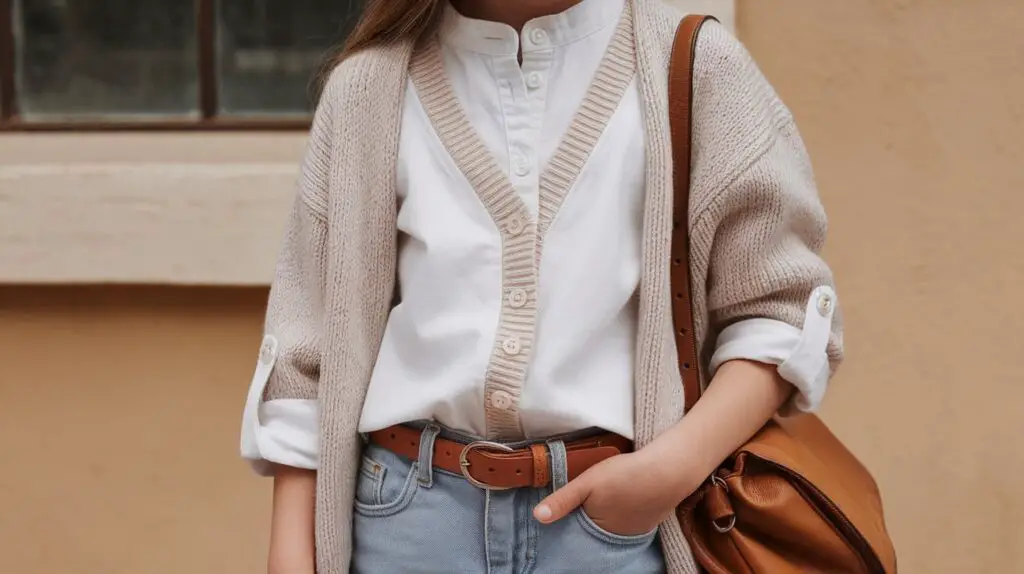
Not all clothing purchases are created equal. Some pieces earn their keep by working overtime in your wardrobe, pairing with multiple items to create different looks. A classic white button-down shirt, for instance, works with jeans for weekend errands, under a sweater for office casual, or tied at the waist over a dress for added interest.
When evaluating potential purchases, ask yourself how many different ways you can style the item. Can it transition between seasons with simple layering? Does it work for both casual and slightly dressier occasions? Neutral colors like black, white, navy, gray, and beige offer the most mixing potential, though one or two statement pieces in your favorite colors add personality without limiting outfit options.
Mixing high and low price points effectively
The secret to expensive-looking outfits lies in strategic splurging. Invest slightly more in items that show wear quickly or significantly impact your outfit’s overall appearance – think shoes, bags, and outerwear. These pieces often serve as focal points and can elevate cheaper basics instantly. A $15 t-shirt looks completely different when paired with well-fitted $50 jeans and quality leather boots.
Balance becomes crucial when combining different price points. If you’re wearing mostly budget items, add one higher-quality accessory or clothing piece to anchor the look. Conversely, expensive jeans paired with an affordable top and accessories creates an outfit that looks cohesive without the matching price tag. Pay attention to fit regardless of price – even the most expensive clothing looks cheap when it doesn’t fit properly, while well-fitting budget pieces can appear much more expensive than they actually are.
Consider these money-saving strategies for building your wardrobe:
- Shop Your Closet First: Before buying anything new, evaluate what you already own and identify gaps.
- Quality Over Quantity: Five well-made pieces will serve you better than twenty poorly constructed items.
- Care Equals Longevity: Proper washing and storage extends the life of affordable clothing significantly.
- Seasonal Planning: Buy winter coats in spring and swimsuits in fall for maximum savings.
The foundation of affordable style rests on understanding your personal needs and shopping accordingly. Focus on building a core collection of versatile basics first, then add trendy pieces gradually as your budget allows. This approach ensures you always have something to wear while leaving room for experimentation with current fashion trends.
The Classic Jeans and T-Shirt Combination
Few outfit formulas match the effortless appeal and versatility of jeans paired with a simple t-shirt. This timeless combination has remained a staple in women’s wardrobes for decades, and for good reason – it works for nearly every casual occasion while requiring minimal effort or investment.
Choosing the right denim fit for your body type
Finding jeans that fit well transforms this basic outfit from sloppy to stylish. Start by identifying which rise works best for your torso length. High-rise styles sit at or above your natural waist, creating a longer leg line and offering tummy control. Mid-rise jeans rest just below the belly button, providing comfort without sacrificing shape. Low-rise options have made a comeback but work best for those with longer torsos who want a relaxed, casual vibe.
Denim comes in countless cuts, each offering different benefits. Straight-leg jeans provide a classic silhouette that flatters most body types without clinging or flaring dramatically. Skinny jeans create a sleek line perfect for tucking into boots or showing off statement shoes. Wide-leg and flare styles add visual interest and balance proportions beautifully, especially when paired with fitted tops. Boyfriend jeans offer relaxed comfort while still looking intentionally styled rather than borrowed from someone else’s closet.
T-shirt styles that elevate basic looks
The humble t-shirt has evolved far beyond basic crew necks, though those certainly still have their place. V-necks create a flattering neckline that elongates the neck and draws the eye upward. Scoop necks offer a feminine touch without revealing too much. Mock necks and turtlenecks in t-shirt fabric provide unexpected sophistication to casual outfits.
Fabric quality makes a significant difference in how your t-shirt looks and feels. Cotton blends with a small percentage of elastane maintain shape better than 100% cotton while still feeling breathable. Modal and bamboo fabrics offer silky softness that drapes beautifully. Even within budget-friendly options, paying attention to fabric weight and texture helps you choose pieces that will last longer and look more expensive.
Playing with proportions keeps this classic combination interesting. Oversized t-shirts tucked partially into jeans create an effortlessly cool aesthetic. Fitted tees showcase your silhouette when paired with looser denim styles. Cropped t-shirts work wonderfully with high-waisted jeans, creating a balanced proportion that flatters many figures. Consider sleeve length too – cap sleeves, three-quarter sleeves, and long sleeves each change the outfit’s overall feel.
Layering techniques for different seasons
What if you could wear your favorite jeans and t-shirt year-round? Strategic layering makes this possible while adding visual interest to simple outfits. During transitional weather, throw on a denim jacket for double denim appeal, or contrast textures with a leather or suede jacket. Blazers instantly dress up the combination for casual office environments or dinner dates.
Winter calls for cozy additions without sacrificing style. Long cardigans in chunky knits or flowing fabrics add warmth while creating vertical lines that lengthen your silhouette. Flannel shirts worn open over t-shirts provide a grunge-inspired edge. For maximum warmth, layer a fitted long-sleeve shirt under your t-shirt – this technique adds color and texture while keeping you comfortable in cold weather.
Summer layering focuses on lightweight additions that protect from sun or air conditioning. Kimono-style jackets in flowing fabrics add movement and coverage without bulk. Linen shirts worn unbuttoned create breezy sophistication. Lightweight scarves draped loosely around the neck or tied to a bag handle introduce pattern and color without adding warmth.
Accessorizing to personalize the outfit
Accessories transform basic jeans and t-shirts into expressions of personal style. Start with shoes – sneakers keep things casual and comfortable, while ankle boots add edge. Loafers or ballet flats introduce a preppy element. Heeled sandals or pumps dress up the combination for evening events. Each shoe choice completely changes the outfit’s direction without requiring different clothes.
Bags offer another opportunity for personalization. Crossbody bags keep hands free while maintaining a casual vibe. Structured handbags add polish. Canvas totes suggest errands or beach days. Backpacks provide practical style for busy days. The key lies in choosing bags that complement rather than compete with your outfit’s simplicity.
Jewelry provides the finishing touches that make generic outfits feel uniquely yours. Statement earrings draw attention upward and frame your face beautifully. Layered necklaces add dimension to plain necklines. Stack rings and bracelets for bohemian flair, or keep things minimal with one quality watch. Belts deserve special mention – they define your waist, add color or texture, and can completely change how your jeans and t-shirt fit and look.
Comfortable Leggings and Oversized Sweater Look
The pairing of leggings with an oversized sweater has become a modern casual uniform, offering unmatched comfort without sacrificing style. This combination works equally well for running errands, meeting friends for coffee, or lounging at home while still looking presentable enough for unexpected visitors.
Finding leggings that work for everyday wear
Not all leggings are created equal, especially when wearing them as pants rather than workout gear. The thickness of the fabric determines whether your leggings maintain opacity when stretched. Hold potential purchases up to light – if you can see through them easily, they won’t provide adequate coverage when worn. Look for leggings with at least 200 grams per square meter fabric weight for reliable opacity.
Material composition affects both comfort and appearance. Cotton blends feel soft and breathable but may bag at the knees after extended wear. Polyester-spandex combinations maintain shape better throughout the day while offering moisture-wicking properties. Ponte fabric leggings bridge the gap between leggings and pants, providing structure that looks more polished while remaining comfortable.
Sweater styles that flatter without overwhelming
Oversized doesn’t mean shapeless. The best sweaters for this look have intentional design elements that prevent you from disappearing into excess fabric. Drop shoulders create relaxed elegance while maintaining structure through the body. Dolman sleeves offer dramatic volume that tapers at the wrist, preventing bulkiness. Tunic-length sweaters that hit mid-thigh or longer provide ideal coverage when wearing leggings.
Color and pattern selection impacts how flattering your sweater appears. Solid colors in medium to dark tones create a streamlined silhouette. Horizontal stripes add width, so consider your proportions before choosing them. Vertical patterns, cable knits, and textured stitches add visual interest without overwhelming your frame. Fair isle and geometric patterns work beautifully when kept to a limited color palette.
The neckline of your sweater changes the entire look’s mood. Cowl necks add feminine softness and frame the face beautifully. Boat necks create an elegant horizontal line that broadens shoulders. V-necks elongate the neck and torso. Turtlenecks provide cozy sophistication perfect for colder months. Each neckline style offers different styling opportunities and flatters different face shapes.
Footwear options that complete the ensemble
Shoe choice determines whether your leggings and sweater combination reads as athletic, casual, or slightly dressed up:
- Ankle Boots: Create a streamlined look that elongates legs, especially when matched to legging color.
- Knee-High Boots: Add drama and coverage, perfect for cold weather while creating interesting proportions.
- Sneakers: Keep things sporty and comfortable, ideal for busy days requiring lots of walking.
- Slip-On Shoes: Provide easy style without the bulk of laced footwear.
- Ballet Flats: Introduce feminine charm while maintaining comfort.
Consider the visual weight of your footwear relative to your oversized sweater. Chunky shoes balance voluminous tops, while delicate footwear can look lost beneath heavy knits. The gap between your leggings and shoes matters too – showing a sliver of skin or wearing longer leggings that meet your footwear creates different aesthetic effects.
Adding structure with jackets and cardigans
Layering pieces add polish to what might otherwise look like pajamas. Structured blazers create an interesting juxtaposition of formal and casual elements. Choose blazers with stretch for comfort over rigid traditional styles. Leather and faux leather jackets inject edge while providing warmth. The contrast between soft knits and smooth leather creates textural interest that elevates the entire outfit.
Long cardigans work particularly well with this combination, creating vertical lines that lengthen your silhouette. Waterfall cardigans without buttons offer flowing movement. Belted cardigans define your waist when you want more shape. Cocoon cardigans provide additional coziness while maintaining the outfit’s relaxed vibe. Length matters – aim for cardigans that hit anywhere from hip to mid-calf, depending on your height and the sweater’s length.
Vests offer another structural element that adds interest without bulk. Puffer vests provide warmth while allowing arm movement. Denim vests inject casual coolness. Long vest-style cardigans create dramatic vertical lines. Each adds a different personality to your basic combination while maintaining comfort as the priority. Weather plays a role in these choices, but don’t limit yourself to purely practical considerations – sometimes adding a light layer simply makes the outfit look more intentional and complete.
Midi Skirt and Casual Top Pairing
Midi skirts have revolutionized casual dressing by offering the femininity of a skirt with practical coverage that works for various activities. Paired with casual tops, they create outfits that feel special without requiring special occasions. This versatile combination adapts easily to different styles, seasons, and comfort levels.
Selecting skirt lengths and cuts that work for you
The term “midi” encompasses various lengths, typically falling anywhere between below the knee and mid-calf. Your height, proportions, and personal comfort determine which exact length works best. Taller women often prefer longer midis that hit at the lower calf, while petite frames might find that length overwhelming. The most universally flattering point tends to be where your calf begins to narrow, creating a balanced silhouette.
Different cuts offer distinct advantages. A-line midis provide easy movement and flatter most body types by skimming rather than clinging. Pencil midis offer a more fitted silhouette that looks polished even with casual tops. Pleated styles add volume and movement, perfect for creating interesting proportions. Wrap skirts combine adjustability with flattering diagonal lines. Circle skirts provide dramatic fullness that feels playful and feminine.
Fabric choice affects both comfort and styling possibilities. Denim midis work year-round and pair naturally with casual tops. Flowing fabrics like rayon or viscose create movement and work well in warmer weather. Knit midis offer stretch and comfort similar to leggings but with skirt sophistication. Structured fabrics like cotton twill or lightweight wool maintain shape and look more polished. Consider how different fabrics will behave throughout your day – some wrinkle easily while others maintain their appearance from morning to night.
Top choices that balance the outfit proportions
The volume and length of your skirt determine which tops create balanced proportions. Fuller skirts typically pair best with fitted tops that define your waist and prevent overwhelming your frame. Slim-fitting t-shirts tucked in completely or partially create clean lines. Bodysuit-style tops eliminate bunching and maintain smooth silhouettes under high-waisted midis.
How about trying the opposite approach? Fitted pencil midis look fantastic with slightly looser tops for contrast. Boxy crop tops hit right at the skirt’s waistband, creating modern appeal. Oversized button-downs partially tucked create effortless sophistication. The key lies in maintaining some definition – either through strategic tucking, belting, or choosing tops that naturally hit at the right point.
Transitioning the look from day to night
The beauty of midi skirts lies in their versatility across different settings and times of day. Morning coffee runs call for simple cotton tees and comfortable flats. By afternoon, swap the flat shoes for wedges and add a structured jacket for lunch meetings. Evening plans? Change to a silk cami or fitted bodysuit, add statement jewelry, and switch to heeled sandals.
Layering pieces facilitate these transitions smoothly. A denim jacket keeps things casual during the day, while a leather jacket adds edge for evening. Blazers work for professional settings or upscale restaurants. Soft cardigan wraps provide warmth in air-conditioned spaces without adding bulk. Each layer changes the outfit’s formality level while maintaining the core combination.
Accessories play crucial roles in day-to-night transitions. Casual canvas bags work for daytime, while clutches or small crossbodies suit evening activities. Delicate jewelry keeps things understated during work hours – bold pieces make statements after dark. Scarves tied around bag handles or worn as belts add polish without requiring complete outfit changes.
Shoe pairings for different occasions
Footwear dramatically impacts how your midi skirt outfit reads to others. White sneakers have become the ultimate casual shoe for midi skirts, creating an unexpectedly modern combination that works for everything from farmer’s markets to casual restaurants. Platform sneakers add height while maintaining comfort. Slip-on styles provide convenience without sacrificing style.
Sandals offer warm-weather versatility with midi skirts. Flat sandals keep things relaxed and comfortable for lots of walking. Espadrille wedges add height and elongate legs while remaining stable enough for grass or uneven surfaces. Strappy heeled sandals dress up the combination instantly. Slide sandals provide ultimate ease for quick errands or beach-adjacent activities.
Boot choices depend on both weather and desired aesthetic. Ankle boots create a purposeful gap between hem and shoe that looks modern. Combat boots add unexpected edge to feminine midis. Knee-high boots work with shorter midis, creating sleek lines perfect for cooler weather. Western-style boots inject personality and work particularly well with denim or suede midis. The contrast between tough boots and flowing skirts creates visual interest that prevents outfits from feeling too predictable or safe.
Athletic-Inspired Outfits for Everyday Wear
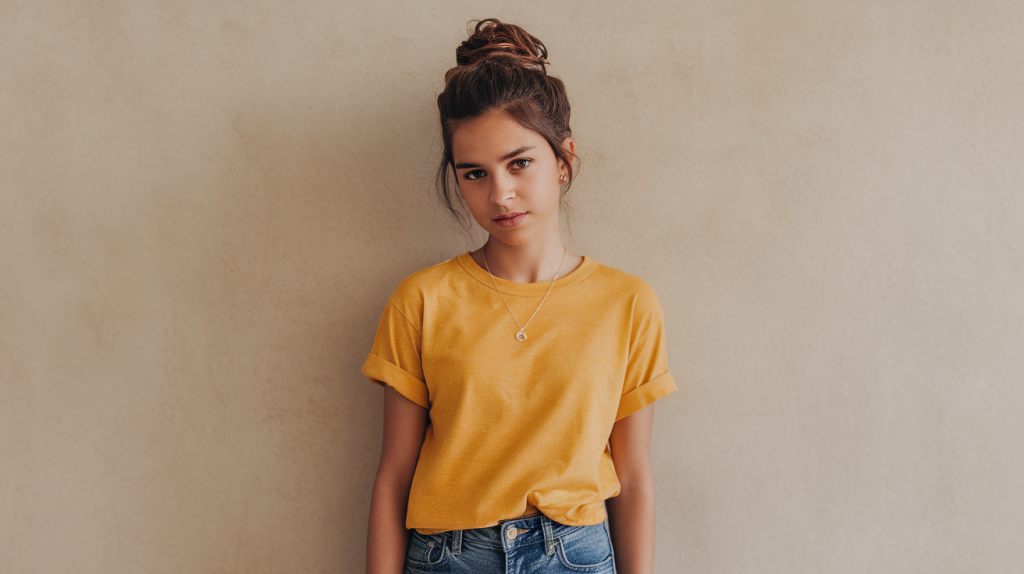
The athleisure trend has permanently blurred the lines between gym clothes and everyday wear, creating comfortable yet stylish options for casual dressing. This athletic-inspired approach to fashion proves that you can prioritize comfort without looking like you just rolled out of bed or finished a workout.
Athletic wear has evolved beyond basic gym clothes into sophisticated pieces designed for life outside fitness studios. Modern activewear uses technical fabrics that resist wrinkles, wick moisture, and maintain shape throughout long days. These performance features translate perfectly to everyday life, where comfort and practicality matter just as much as appearance.
Choosing activewear pieces that work beyond the gym
Start with leggings designed for both performance and style. Look for pairs with interesting details like mesh panels, color blocking, or subtle patterns that add visual interest. High-waisted styles with wide waistbands provide support and coverage that works under regular tops. Avoid overly shiny fabrics or extremely bright colors if you want pieces that transition easily to casual wear.
Sports bras can function as crop tops when chosen carefully. Styles with interesting strap details, attractive colors, or lace accents look intentional when worn as visible layers. Longline sports bras provide more coverage and work well under loose tanks or open cardigans. The key lies in selecting pieces that look like deliberate fashion choices rather than forgotten workout gear.
Mixing sporty and casual elements successfully
Balance becomes essential when incorporating athletic pieces into everyday outfits. Pair one or two sporty items with regular casual clothes rather than wearing head-to-toe activewear. Yoga pants look polished with a structured blazer and nice flats. Running shorts work with oversized band tees and fashion sneakers for weekend errands.
Joggers bridge the gap between sweatpants and regular pants, offering comfort with more refined silhouettes. Tapered styles that hit at the ankle look particularly modern. Pair them with fitted tanks and denim jackets for casual polish. Add leather accessories or structured bags to elevate the athletic elements. The contrast between sporty and sophisticated creates interesting tension that keeps outfits from feeling one-dimensional.
Technical fabrics in non-athletic silhouettes offer another approach. Many brands now create dresses, skirts, and tops using moisture-wicking, stretchy materials typically reserved for workout gear. These pieces provide athletic wear’s comfort and practicality while looking completely appropriate for casual occasions.
Color coordination for a pulled-together appearance
Monochromatic athletic outfits create streamlined silhouettes that look intentional rather than thrown together. Different shades of the same color add depth while maintaining cohesion. Navy leggings with a lighter blue top and medium blue jacket create visual interest without chaos. This approach works particularly well with neutrals like black, gray, and beige.
If you prefer more color, limit yourself to two or three complementary shades. A pop of bright color in shoes or accessories energizes neutral athletic basics. Alternatively, wear colorful athletic pieces with neutral casual items for balance. Pattern mixing works when patterns share at least one color – pair striped leggings with a solid top in one of the stripe colors.
Consider how colors interact with your skin tone and environment. Bright neons might work for morning runs but feel overwhelming for coffee shop visits. Muted, dusty tones offer sophistication while maintaining athletic wear’s comfortable functionality. Earth tones like olive, rust, and sand provide unexpected alternatives to typical athletic wear colors while remaining versatile enough for multiple outfit combinations.
Accessories that polish athletic-inspired looks
The right accessories transform athletic wear from gym-ready to street-appropriate. Baseball caps add sporty charm while protecting from sun – choose ones in neutral colors or with minimal branding for versatility. Bucket hats offer trendy alternatives that work with various athletic-inspired outfits. Visors provide retro appeal perfect for preppy athletic looks.
Bags make significant differences in how athletic outfits appear. Replace gym duffels with sleek backpacks or messenger bags in leather or canvas. Belt bags worn across the body or at the waist add functionality while looking intentionally styled. Tote bags in structured materials contrast nicely with soft, stretchy athletic fabrics:
- Watches: Smartwatches complement tech-fabric clothing naturally while analog watches add unexpected sophistication.
- Sunglasses: Oversized frames balance athletic wear’s body-conscious fits while sporty wraparounds enhance the athletic aesthetic.
- Jewelry: Minimalist pieces prevent competing with athletic wear’s often bold colors and patterns.
- Hair Accessories: Silk scrunchies and metal hair clips elevate simple ponytails beyond gym basics.
Footwear deserves special attention in athletic-inspired outfits. Fashion sneakers with interesting details, colors, or textures look more intentional than basic running shoes. Slip-on sneakers provide ease while looking deliberately casual rather than athletic. Platform sneakers add height and visual weight that balances loose athletic tops. White leather sneakers work with nearly everything, providing a clean foundation for various athletic-casual combinations.
Your Affordable Style Journey Starts Now
Building a wardrobe of affordable casual outfits doesn’t require sacrificing style or quality. The five outfit formulas we’ve shared prove that smart shopping, strategic mixing, and attention to fit matter more than price tags. Whether you gravitate toward classic combinations or prefer athletic-inspired comfort, each approach offers endless possibilities for creating looks that reflect your personality while respecting your budget.
The path to affordable style starts with understanding what works for your lifestyle and body, then building gradually with versatile pieces that earn their closet space. Focus on fit over labels, invest wisely in key items that anchor multiple outfits, and remember that confidence makes any outfit look more expensive. Your perfect casual wardrobe exists at the intersection of comfort, style, and affordability – and now you have the blueprint to create it.
Frequently Asked Questions
Q: What stores offer the best affordable casual clothing for women?
A: Target, Old Navy, H&M, and Uniqlo consistently provide quality basics at reasonable prices. For online shopping, ASOS, Boohoo, and Shein offer trendy pieces at budget-friendly prices, though quality can vary. Thrift stores and consignment shops provide unique finds at fraction of retail prices.
Q: How many casual outfits do I need for a complete wardrobe?
A: Most women find that 7-10 complete casual outfits cover their needs comfortably. This allows for a week’s worth of different looks with a few extras for variety. Focus on pieces that mix and match to create multiple combinations rather than buying complete outfits that only work together.
Q: What’s the most important piece to invest in for casual outfits?
A: Well-fitting jeans deserve a slightly higher investment since they form the foundation of countless casual looks. A quality pair that fits perfectly will last years and pair with everything from t-shirts to blazers, making cost-per-wear incredibly low.
Q: How can I make cheap clothes look more expensive?
A: Proper fit makes the biggest difference – even inexpensive clothes look polished when tailored to your body. Steam or iron everything to remove wrinkles, remove visible tags or loose threads, and choose structured bags and shoes to elevate basic clothing.
Q: Should I follow trends when shopping on a budget?
A: Incorporate trends through affordable accessories or one or two inexpensive pieces rather than overhauling your entire wardrobe. Spend more on classic items that won’t date quickly, and satisfy trend cravings with budget-friendly purchases you won’t regret when styles change.
Q: What colors should I focus on for maximum outfit combinations?
A: Neutrals like black, white, navy, gray, and beige create the most mixing opportunities. Add 2-3 colors you love as accents. This approach ensures most pieces work together while maintaining personality in your wardrobe.
Q: How often should I replace affordable clothing items?
A: Quality affordable basics typically last 1-2 years with regular wear and proper care. Rotate pieces to prevent excessive wear on favorites. Replace items when they show signs of pilling, fading, stretching, or developing holes rather than adhering to strict timelines.
Q: Can I wear athletic-inspired outfits to work in a casual office?
A: Many casual offices accept polished athletic wear. Choose pieces in neutral colors without obvious logos, pair athletic bottoms with professional tops or blazers, and ensure everything fits well without being too tight or revealing.

