

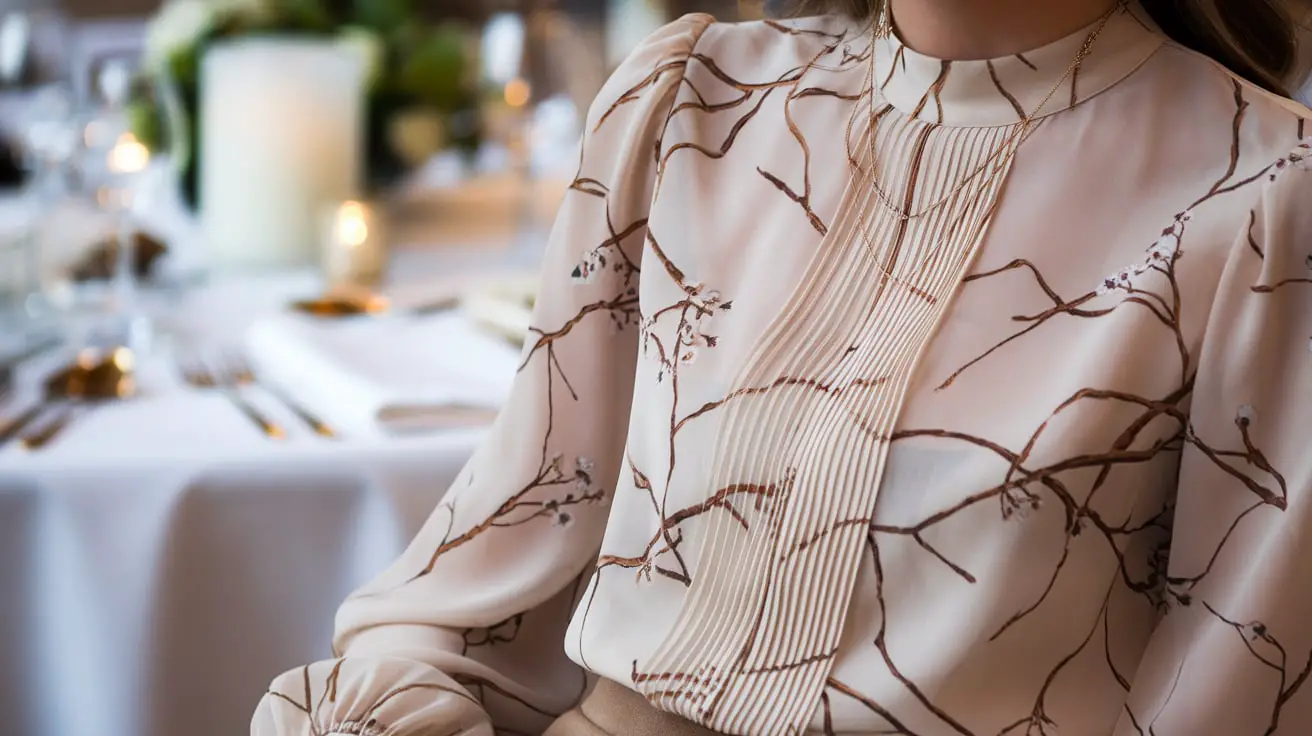
Deciding what to wear for a casual dinner can feel surprisingly complicated. You want to look put-together without appearing overdressed, comfortable without seeming sloppy, and stylish without trying too hard. The sweet spot exists somewhere between your comfiest loungewear and your formal party attire, but finding it sometimes feels impossible when you’re staring at a closet full of clothes.
Having reliable outfit formulas eliminates the pre-dinner stress and saves precious time. Instead of trying on multiple combinations and second-guessing yourself, you can reach for tried-and-true pairings that work every time. These go-to looks adapt to various dinner scenarios, whether you’re meeting friends at a neighborhood bistro, enjoying date night at a new restaurant, or gathering with family at someone’s home.
The following sections will walk you through five versatile outfit ideas that strike the perfect balance for casual dinners. Each option offers flexibility for personal style preferences while maintaining that effortlessly polished appearance you’re after. Let’s explore these foolproof combinations that will have you dressed and out the door with confidence.
What Makes a Perfect Casual Dinner Outfit?
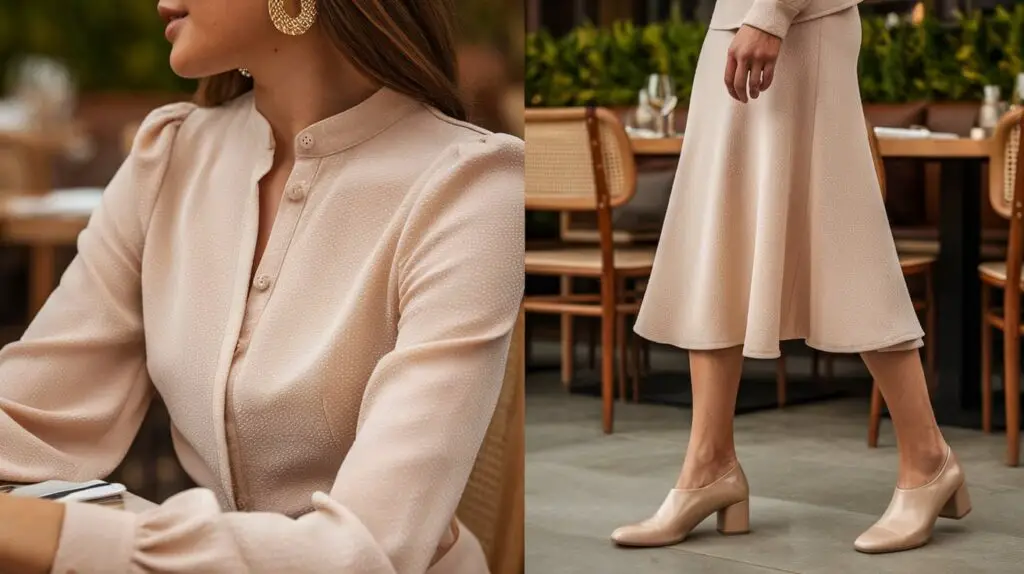
The art of casual dinner dressing revolves around finding harmony between relaxed and refined. Your outfit should feel as comfortable as what you’d wear running errands, yet polished enough to show you made an effort. This balance varies slightly depending on the venue, but certain principles remain constant across different dinner settings.
Balance Between Comfort and Style
Physical comfort directly impacts how confident you feel throughout the evening. Restrictive clothing or uncomfortable shoes can distract from conversation and enjoyment. Choose fabrics with some stretch, waistbands that don’t dig in after a meal, and shoes you can walk in comfortably. Natural fibers like cotton blends, modal, and ponte knits offer both comfort and structure.
Style doesn’t require sacrifice. Well-fitted pieces in quality fabrics automatically look more expensive and intentional than baggy or worn-out items. Pay attention to proportions – if you choose a looser top, pair it with fitted bottoms, or vice versa. This creates a deliberate silhouette rather than an accidentally shapeless look.
Versatility for Different Venues
A truly great casual dinner outfit works across multiple settings. The same base pieces should transition from a trendy downtown spot to a cozy neighborhood restaurant with minor adjustments. Building this flexibility into your outfit choices means you’re prepared for last-minute venue changes or unexpected dinner invitations.
Consider how lighting affects your outfit choices too. Dimly lit restaurants make darker colors and subtle details less noticeable, while brightly lit spaces highlight every element. Choosing pieces with interesting textures or subtle patterns ensures your outfit remains visually engaging in any lighting situation.
Easy to Accessorize
The right accessories transform basic pieces into a complete look. Your casual dinner outfit should provide a neutral canvas for jewelry, bags, and shoes to shine. Solid colors and classic silhouettes offer the most accessorizing potential, allowing you to adjust the formality level up or down as needed.
Think beyond jewelry when considering accessories. A structured blazer instantly elevates jeans and a tee, while a casual denim jacket relaxes a dressier base. Scarves, belts, and even interesting socks or tights can add personality without overwhelming your outfit. Keep a few versatile accessories in your car or office for spontaneous dinner plans.
Weather Considerations
Temperature fluctuations between outdoor arriving and indoor dining require strategic layering. Restaurant air conditioning can make summer evenings surprisingly chilly, while winter heating might leave you sweltering in heavy sweaters. Choose base pieces that work alone, then add removable layers for temperature control.
Transitional pieces serve you well here:
- Lightweight Cardigans: Easy to tie around shoulders or stuff in a bag
- Versatile Scarves: Provide warmth without bulk
- Cropped Jackets: Add polish without overwhelming proportions
- Convertible Pieces: Items like button-up shirts that work open as a light jacket or closed as a top
Fabric choice matters enormously for weather adaptability. Performance fabrics that wick moisture help during humid summers, while merino wool provides warmth without bulk in cooler months. Having weather-appropriate options for each outfit formula ensures you’re never caught off guard by unexpected temperature changes.
The Classic Jeans and Blouse Combination
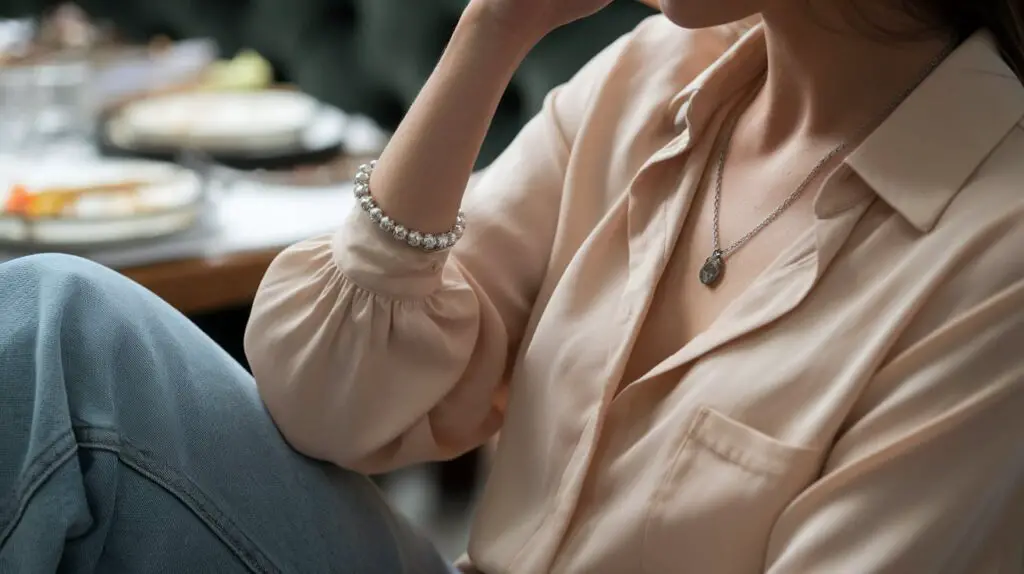
Nothing beats the reliability of well-fitted jeans paired with an elegant blouse for casual dinners. This timeless combination offers endless variations while maintaining an appropriate level of polish. The key lies in selecting the right cuts and styling them thoughtfully to avoid looking too casual or like you’re heading to the office.
Which Jean Styles Work Best
Dark wash denim automatically reads as more sophisticated than light or distressed options. The deeper indigo color mimics the formality of trousers while maintaining denim’s inherent comfort. Straight-leg, slim-fit, and bootcut styles offer the most versatility for dinner settings, creating clean lines that pair well with various shoe options.
Rise height significantly impacts both comfort and style during seated dinners. Mid-rise styles prevent uncomfortable digging while sitting, yet still offer a flattering waistline. High-rise options work beautifully with tucked-in blouses, creating an elongated silhouette. Avoid super low-rise cuts that might create awkward gaps or require constant adjustment.
The quality of denim shows immediately in how jeans drape and maintain their shape. Look for styles with a small percentage of elastane for comfort without sacrificing structure. Premium denim holds its color better through washing and resists bagging at the knees. This investment pays off in longevity and consistent fit.
Blouse Options That Elevate the Look
Silk and silk-like fabrics instantly upgrade denim from daytime casual to dinner appropriate. The fluidity of these materials creates beautiful movement and drape, contrasting nicely with denim’s structure. Washable silk alternatives offer the same elegant appearance with easier care requirements.
Consider necklines carefully based on your dinner plans. V-necks create a lengthening effect and provide space for statement necklaces. Crew necks offer a more casual feel but work wonderfully with interesting textures or patterns. Mock necks and turtlenecks add sophistication during cooler months while still maintaining comfort.
Color and pattern choices depend on personal style and existing wardrobe pieces. Solid jewel tones photograph beautifully in restaurant lighting and pair well with both gold and silver accessories. Subtle patterns like pin dots or thin stripes add visual interest without overwhelming. Bold prints work too, just keep the rest of your outfit simple to maintain balance.
Shoe Pairings That Complete the Outfit
Footwear can completely change the personality of jeans and a blouse. Pointed-toe flats or loafers maintain comfort while adding polish. The pointed toe creates a leg-lengthening effect that works particularly well with straight-leg or slim jeans. Leather or suede options in neutral colors offer maximum versatility.
For those who prefer height, block heel boots or ankle boots provide stability for walking while adding sophistication. The key is choosing a heel height you can comfortably manage for the entire evening. Wedges offer another comfortable option, particularly platform wedges that minimize the angle of your foot.
Seasonal considerations guide specific shoe choices. Peep-toe mules or strappy sandals work beautifully in warmer months, while closed-toe options transition through fall and winter. Always consider the walk from parking to restaurant – beautiful shoes lose their appeal if they leave you limping by dessert.
Accessory Suggestions
A structured handbag pulls the entire outfit together while providing practical storage. Crossbody styles free your hands for greeting friends or navigating buffets. Medium-sized bags strike the right balance between function and proportion – large enough for essentials without overwhelming your frame.
Jewelry choices depend on your blouse neckline and personal style. Statement earrings work wonderfully with simple crew necks or when wearing your hair up. Delicate layered necklaces complement open necklines beautifully. When in doubt, a classic watch and simple hoop earrings always look appropriate.
The third piece rule applies perfectly here. If jeans and a blouse feel too simple, add one additional element for completeness. This might be a structured blazer, a cashmere wrap, or an interesting belt. This extra layer adds visual interest and allows for easy temperature adjustment throughout the evening.
The Effortless Midi Dress Option
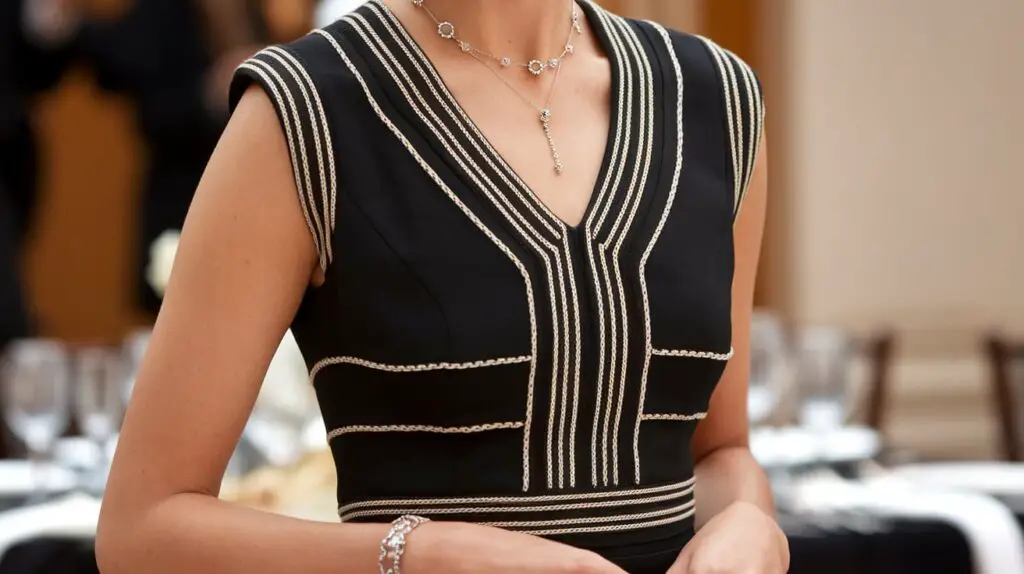
A well-chosen midi dress simplifies dinner dressing while delivering maximum style impact. This one-piece solution eliminates matching separates while offering a polished appearance that adapts to various dinner scenarios. The midi length hits the sweet spot between casual and formal, making it perpetually appropriate for relaxed dining occasions.
The beauty of midi dresses lies in their inherent completeness. Unlike separates that require careful coordination, a dress provides an instant outfit. Add shoes and a bag, and you’re ready to go. This simplicity proves invaluable when time runs short or decision fatigue sets in after a long day.
Why Midi Dresses Are Ideal for Dinner
The midi hemline offers practical advantages beyond style. Falling somewhere between knee and ankle, this length provides coverage while sitting without restricting movement. You won’t worry about constantly adjusting your hemline or feeling exposed when crossing your legs at the table.
Restaurant seating varies wildly from high bar stools to low banquettes. Midi length accommodates all these options gracefully. The extra fabric also means you’re less concerned about unexpected breezes when dining on patios or walking between venues. This practical element removes one more worry from your evening.
Midi dresses naturally create an elongated silhouette that flatters most body types. The vertical line from shoulder to mid-calf draws the eye up and down rather than across, creating a lengthening effect. This optical illusion works regardless of your height or shape, making midis universally flattering when properly fitted.
Layering Techniques for Different Seasons
Summer midi dresses transition beautifully into fall with strategic layering. A fitted turtleneck underneath a sleeveless midi creates an entirely new look while adding warmth. Choose a turtleneck in a complementary color or try tone-on-tone for a sophisticated monochromatic effect.
Denim jackets offer the perfect casual layer for breezy evenings. The contrast between structured denim and flowing dress fabric creates visual interest. Cropped styles work particularly well, hitting at the natural waist to maintain the dress’s proportions. For a more polished approach, try a cropped leather jacket in a neutral tone.
Winter requires more substantial layering without sacrificing style. Long cardigans or duster coats pair beautifully with midi dresses, creating a column of color. Tights add warmth while allowing you to wear lighter-weight dresses year-round. Choose opaque black for the most versatile option, or experiment with subtle patterns for added personality.
Footwear Choices from Casual to Dressy
White sneakers transform a formal midi into a casual dinner-appropriate outfit. The sporty element brings the dress down to earth while maintaining comfort for lots of walking. Canvas options like Converse create a playful vibe, while leather sneakers offer a more refined casual look.
Ankle boots prove invaluable for transitional weather dining. The covered toe and heel protect against cool evenings while the shorter shaft prevents overwhelming the dress’s proportions. Both flat and heeled versions work well – choose based on comfort preferences and planned activities. Suede options feel particularly appropriate for fall dinners.
Sandals showcase pedicures during warmer months while keeping the overall look breezy:
- Block Heel Sandals: Provide height with stability
- Embellished Flats: Add sparkle without sacrificing comfort
- Wedge Espadrilles: Offer a vacation-worthy vibe
- Minimalist Slides: Keep focus on the dress itself
How to Style with Jackets or Cardigans
Blazers instantly add structure to flowing midi dresses. The contrast between tailored and fluid creates an interesting juxtaposition. Choose blazers that hit at the hip or slightly below to maintain balanced proportions. Neutral colors like navy, black, or camel offer maximum versatility.
Cardigans provide a softer alternative to structured jackets. Long, flowing versions echo the movement of your dress while adding an extra layer. Shorter, fitted cardigans define the waist and work particularly well with A-line midi styles. Consider textures like chunky knits or fine merino for seasonal variety.
The key to successful layering lies in proportion play. If your dress features volume, choose fitted outerwear. For slim-fitting dresses, oversized jackets create an intentionally relaxed silhouette. This push and pull between fitted and loose keeps your outfit from looking accidentally bulky or shapeless.
The Sophisticated Trousers and Top Pairing
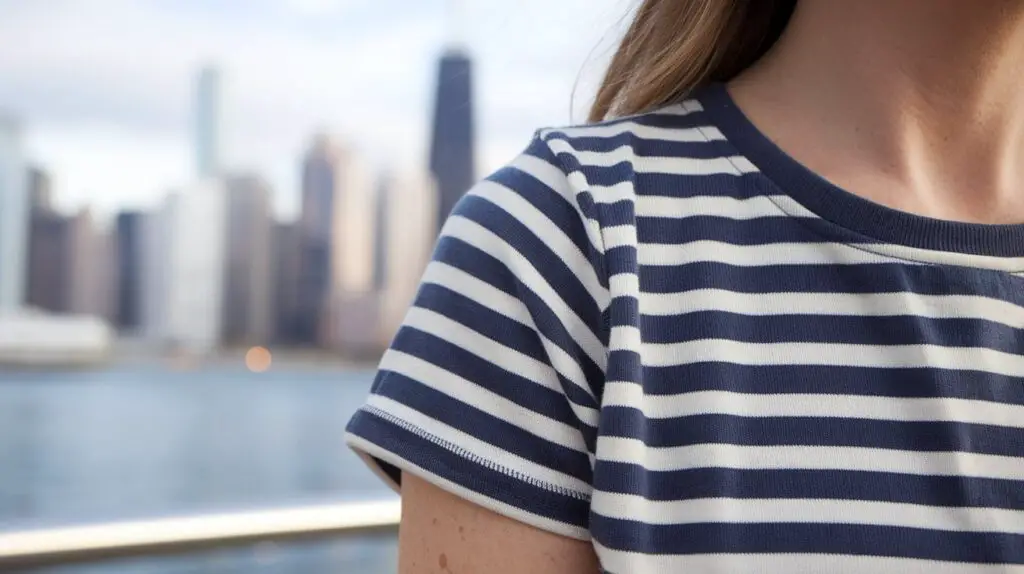
Trousers offer a refined alternative to jeans while maintaining comfort throughout dinner. This combination bridges the gap between office wear and weekend casual, creating a sophisticated base for countless styling variations. The right trouser and top pairing looks intentional without appearing stuffy or overly formal.
Modern trouser styles have evolved far beyond traditional suit pants. Today’s options include relaxed fits, interesting textures, and comfortable fabrics that move with you. These updates make trousers a practical choice for dinners where you want to look polished without sacrificing ease of movement.
Trouser Styles That Flatter
Wide-leg trousers have emerged as a contemporary favorite for good reason. The flowing silhouette creates elegant movement while offering supreme comfort when sitting. Look for styles that sit at your natural waist and skim rather than cling to hips and thighs. The extra fabric through the leg balances proportions beautifully.
Cigarette pants offer a slimmer alternative that still maintains sophistication. These straight, narrow cuts work particularly well for petite frames or those who prefer a more tailored look. The key is ensuring enough ease through the thigh to prevent pulling when seated. A small amount of stretch in the fabric helps maintain both comfort and shape.
High-waisted styles deserve special mention for dinner wear. The higher rise creates a smooth line under tops while preventing gap issues when seated. This style also naturally elongates legs and defines the waist. Pair with tucked or cropped tops to maximize the flattering effect.
Top Choices for Different Body Types
Wrap-style tops create universally flattering lines regardless of body shape. The diagonal line across the torso creates visual interest while the adjustable fit accommodates different proportions. Both true wrap styles and faux wrap designs work well, with the latter offering more security during active dinners.
Structured button-downs bring classic appeal to trouser pairings. Rather than wearing them traditionally buttoned, try leaving several buttons undone for a relaxed neckline. Rolling sleeves and partial tucking creates an effortlessly styled appearance. Silk or cotton-silk blends elevate basic button-downs to dinner-worthy status.
For those seeking comfort without compromising style, knit tops offer the perfect solution. Fine gauge knits read as more sophisticated than chunky options for dinner settings. Look for interesting necklines or subtle design details that prevent the outfit from reading too casual. Merino, cashmere blends, and modal offer beautiful drape with easy care.
Creating Visual Interest with Textures
Mixing textures prevents trouser and top combinations from falling flat. Pair smooth wool trousers with a silk blouse for classic elegance. Combine cotton chinos with a cashmere sweater for textural contrast. The interplay between different fabric weights and finishes adds depth to simple color combinations.
Consider unexpected texture combinations that still work within a casual dinner context. Leather or faux leather trousers paired with a soft knit top create an edgy yet approachable look. Velvet pants matched with a crisp cotton shirt balance luxury with everyday wearability. These material contrasts keep your outfit from reading as predictable.
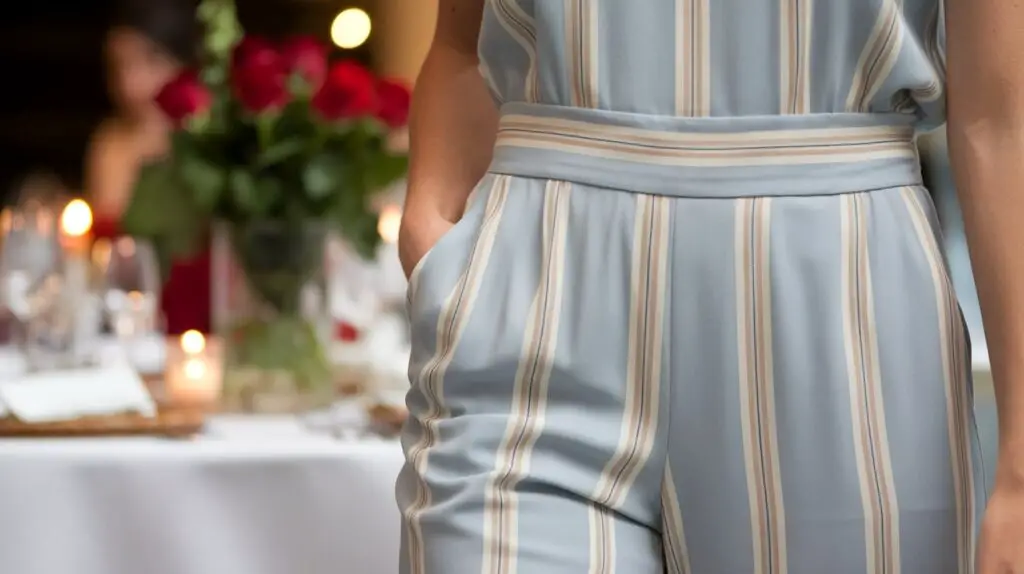
Subtle pattern mixing offers another avenue for visual interest. Thin striped trousers work beautifully with solid tops, while textured pants pair well with printed blouses. The key lies in keeping one element subdued when the other makes a statement. This balance prevents overwhelming the eye while maintaining sophistication.
Finishing Touches That Polish the Look
Belts serve both functional and aesthetic purposes in trouser outfits. A quality leather belt defines the waist while adding a finishing touch. Match leather tones between belt and shoes for a coordinated look. Alternatively, skip the belt and let high-waisted styles stand alone for a cleaner line.
The right bag elevates trousers and tops from office to dinner appropriate. Structured clutches or small shoulder bags add elegance without the bulk of work totes. Consider materials beyond basic leather – suede, woven textures, or subtle metallics add personality. Size matters here: choose bags large enough for essentials but small enough to rest comfortably on restaurant tables.
Don’t overlook the power of a beautiful scarf or shawl. These accessories add color, pattern, and warmth while creating multiple styling options. Drape over shoulders, tie at the neck, or loop through belt loops for different effects. Lightweight wool or silk options pack easily for unexpected temperature changes.
The Chic Skirt and Sweater Ensemble
The combination of skirt and sweater strikes an ideal balance between feminine and comfortable for casual dinners. This pairing offers more polish than jeans while avoiding the formality of dresses. The inherent coziness of sweaters paired with the movement of skirts creates an approachable elegance perfect for relaxed dining.
Seasonal versatility makes this combination particularly valuable. The same formula works year-round with simple fabric adjustments. Lightweight cotton sweaters and linen skirts transition through summer, while wool and cashmere options provide warmth during cooler months.
Skirt Lengths and Styles for Dinner
Knee-length skirts offer the most versatility for various dinner venues and seating arrangements. This length provides appropriate coverage while maintaining a youthful appearance. A-line cuts flatter most figures by skimming hips and thighs without clinging. The gentle flare allows comfortable movement and sitting.
Midi skirts bring contemporary style to dinner dressing. Pleated versions add texture and movement, while straight styles offer a sleeker silhouette. The longer length feels current while providing practical coverage. Just ensure the hemline hits at a flattering point on your calf – typically the narrowest part creates the best line.
Mini skirts can work for casual dinners when styled appropriately. Pair with opaque tights and knee-high boots for coverage and sophistication. The key lies in balancing proportions with a longer or oversized sweater. This combination feels intentional rather than accidentally revealing.
Sweater Options from Fitted to Oversized
Fitted crewneck sweaters create a classic silhouette when paired with fuller skirts. The close fit through the body balances the volume below, creating a flattering hourglass shape. Tuck completely into high-waisted skirts or try a half-tuck for a more relaxed appearance. Fine knits work best to avoid bulk at the waistband.
Oversized sweaters offer comfort and on-trend style. The key to wearing voluminous sweaters with skirts lies in defining the waist somehow. Try a front tuck, knot one side, or add a belt over the sweater. These techniques prevent the outfit from looking shapeless while maintaining the cozy appeal of oversized knits.
Cropped sweaters pair beautifully with high-waisted skirts. The shorter length showcases the skirt’s waistband while creating flattering proportions. This combination works particularly well for petite frames, as it creates the illusion of longer legs. Ensure the crop hits at your natural waist to avoid any awkward gaps.
Balancing Proportions
The golden rule of proportion remains consistent: balance volume on top with fitted bottoms, or vice versa. A pencil skirt calls for a slightly looser sweater, while a full circle skirt needs a more fitted top. This visual balance creates an intentional, put-together appearance.
Length relationships matter enormously in skirt and sweater combinations. Longer sweaters work best with shorter skirts, while cropped styles complement longer hemlines. When wearing similar lengths, create visual breaks with belts, different textures, or contrasting colors to avoid a blocky silhouette.
Consider your body’s proportions when selecting pieces. Taller frames can handle more volume in both pieces, while petite figures benefit from keeping one element streamlined. The goal isn’t to hide your shape but to create harmonious lines that flatter your unique proportions.
Adding Personality with Accessories
Statement jewelry shines against the simple backdrop of sweater and skirt. Bold necklaces work wonderfully with crew and V-necks. Chandelier earrings add drama when wearing high necklines or turtlenecks. The soft texture of knits provides perfect contrast for metallic or gemstone pieces.
Footwear dramatically alters this outfit’s personality:
- Knee-high Boots: Create a sophisticated, pulled-together look
- Ballet Flats: Keep things sweet and feminine
- Heeled Mules: Add a touch of evening elegance
- Combat Boots: Bring unexpected edge to feminine pieces
The right handbag completes your ensemble. Structured bags complement the softness of sweaters, while slouchy styles echo the relaxed vibe. Consider proportions here too – tiny bags look lost against voluminous outfits, while oversized totes overwhelm delicate combinations.
The Trendy Jumpsuit Alternative
Jumpsuits have evolved from their utilitarian origins into sophisticated one-piece solutions for modern dinner dressing. This all-in-one option eliminates coordination concerns while delivering a fashion-forward appearance. The right jumpsuit feels special enough for evening occasions yet comfortable enough for relaxed dining.
Why Jumpsuits Simplify Dinner Dressing
The beauty of jumpsuits lies in their completeness. One zip or button, and your outfit is essentially finished. This simplicity proves invaluable when facing decision fatigue or time constraints. No matching tops to bottoms, no worrying about proportions – the work is done for you.
Beyond convenience, jumpsuits create a striking visual impact. The continuous line from shoulder to ankle elongates the body, creating a statuesque silhouette. This unbroken vertical naturally draws the eye up and down, flattering virtually every body type when properly fitted.
Jumpsuits also solve the perpetual dinner dilemma of comfort versus style. Unlike dresses that might ride up or separate pieces that require constant adjustment, a well-fitted jumpsuit stays put. You can focus on conversation and enjoyment rather than fidgeting with your outfit.
Choosing the Right Fit and Style
Fit makes or breaks a jumpsuit, with the torso length being crucial. Too short creates uncomfortable pulling, while too long results in excess fabric bunching at the waist. Look for styles with adjustable elements like drawstring waists or elastic backs that accommodate different proportions.
Wide-leg styles offer the most universally flattering silhouette. The flowing fabric through the legs balances wider hips while creating elegant movement. Cropped versions work wonderfully for petite frames or when showcasing statement shoes. Ensure the crop hits at the narrowest part of your ankle for the most flattering line.
Consider necklines based on your comfort level and dinner venue. Halter styles create an elegant evening look, while V-necks offer versatility for various accessories. Mock necks and high crews read more casual but work beautifully with statement earrings. Wrap-style tops within jumpsuits provide adjustable coverage and universally flattering lines.
Layering Options for Versatility
A well-placed blazer transforms a casual jumpsuit into dinner-ready attire. The structured jacket adds polish while creating a defined waist. Choose cropped styles that hit at or just below your natural waist to maintain the jumpsuit’s proportions. Neutral colors offer maximum versatility, though a bold blazer can serve as your statement piece.
For cooler evenings, long cardigans or dusters create a column effect that complements the jumpsuit’s vertical line. These flowing layers add warmth without disrupting the outfit’s silhouette. Lightweight knits work best to avoid adding bulk. Try tying a cardigan around your waist for a casual, ’90s-inspired twist.
Don’t overlook the power of a simple tee or turtleneck layered underneath. A sleeveless or wide-strap jumpsuit becomes seasonally appropriate with a fitted long-sleeve top beneath. This technique also allows you to wear more revealing styles while maintaining comfort and coverage. Choose thin, fitted layers to prevent bunching.
Accessorizing a One-Piece Outfit
Belts offer an easy way to customize jumpsuit silhouettes. Define the waist with a medium-width leather belt for a polished look. Fabric sashes or rope belts create a more relaxed vibe. Some jumpsuits include matching belts, but swapping for your own adds personality. Position belts at your natural waist for the most flattering effect.
Since jumpsuits provide a blank canvas, jewelry choices become particularly important:
- Statement Necklaces: Fill open necklines beautifully
- Layered Chains: Add modern edge to simple styles
- Bold Cuffs: Draw attention to wrists and break up long sleeves
- Dramatic Earrings: Shine against high necklines
Shoe selection can completely transform a jumpsuit’s vibe. Heeled sandals create an elongated, evening-appropriate look. Flat mules or slides keep things casual while maintaining polish. Sneakers bring an unexpectedly cool element to dressier jumpsuits. Consider the hem length when selecting shoes – wider legs might require height to prevent dragging.
Your Perfect Dinner Outfit Awaits
Finding your signature casual dinner style doesn’t require a complete wardrobe overhaul. Start with one or two formulas from this guide that resonate with your personal style and lifestyle needs. Build these foundation outfits first, then expand your options as you discover what makes you feel most confident and comfortable.
Remember that the best dinner outfit is one that lets you focus on enjoying your evening rather than adjusting your clothes. Whether you gravitate toward the classic reliability of jeans and a blouse or the modern ease of a jumpsuit, each option provides a tested formula for looking effortlessly put-together. Mix and match elements from different combinations to create your own signature dinner dressing style.
Frequently Asked Questions
Q: What should I avoid wearing to a casual dinner?
A: Skip overly athletic wear like gym leggings or sports bras, heavily distressed or ripped clothing, and anything too revealing or club-appropriate. Also avoid clothing with large logos or controversial statements that might distract from conversation.
Q: How can I make my dinner outfit work for different restaurant types?
A: Layer strategically with blazers, cardigans, or scarves that you can add or remove. Choose base pieces in neutral colors that work in various settings, then adjust accessories and shoes based on the venue’s vibe.
Q: What if the restaurant has a dress code I’m unsure about?
A: When in doubt, err on the side of being slightly overdressed rather than underdressed. You can always remove a blazer or swap statement jewelry for simpler pieces once you arrive and assess the atmosphere.
Q: How do I transition my work outfit to dinner-appropriate?
A: Swap your structured work blazer for a softer cardigan or denim jacket. Change from pumps to more comfortable block heels or stylish flats. Add statement jewelry and switch from a tote to a smaller evening bag.
Q: What fabrics work best for dinner outfits considering sitting and eating?
A: Choose fabrics with some stretch or natural give like ponte knits, jersey blends, or cotton with elastane. Avoid stiff, non-breathable materials or anything prone to wrinkling. Also skip light colors near the waist that might show spills.
Q: How do I dress for outdoor dining in unpredictable weather?
A: Always bring a light layer regardless of the forecast. Choose shoes that can handle potentially uneven surfaces. Opt for hairstyles that withstand breeze and humidity. Keep a pashmina or light jacket in your car for temperature drops.
Q: What accessories are essential for elevating a casual dinner outfit?
A: A quality handbag in a versatile size, one pair of statement earrings, a classic watch or bracelet stack, and a neutral belt create endless styling options. These four pieces can transform basic outfits into intentional looks.
Q: How can I look pulled-together when I only have 10 minutes to get ready?
A: Keep one complete outfit formula ready to go in your closet. Pre-plan accessories and ensure everything is clean and wrinkle-free. Focus on one standout element like bold lipstick or statement earrings rather than perfecting every detail.

