

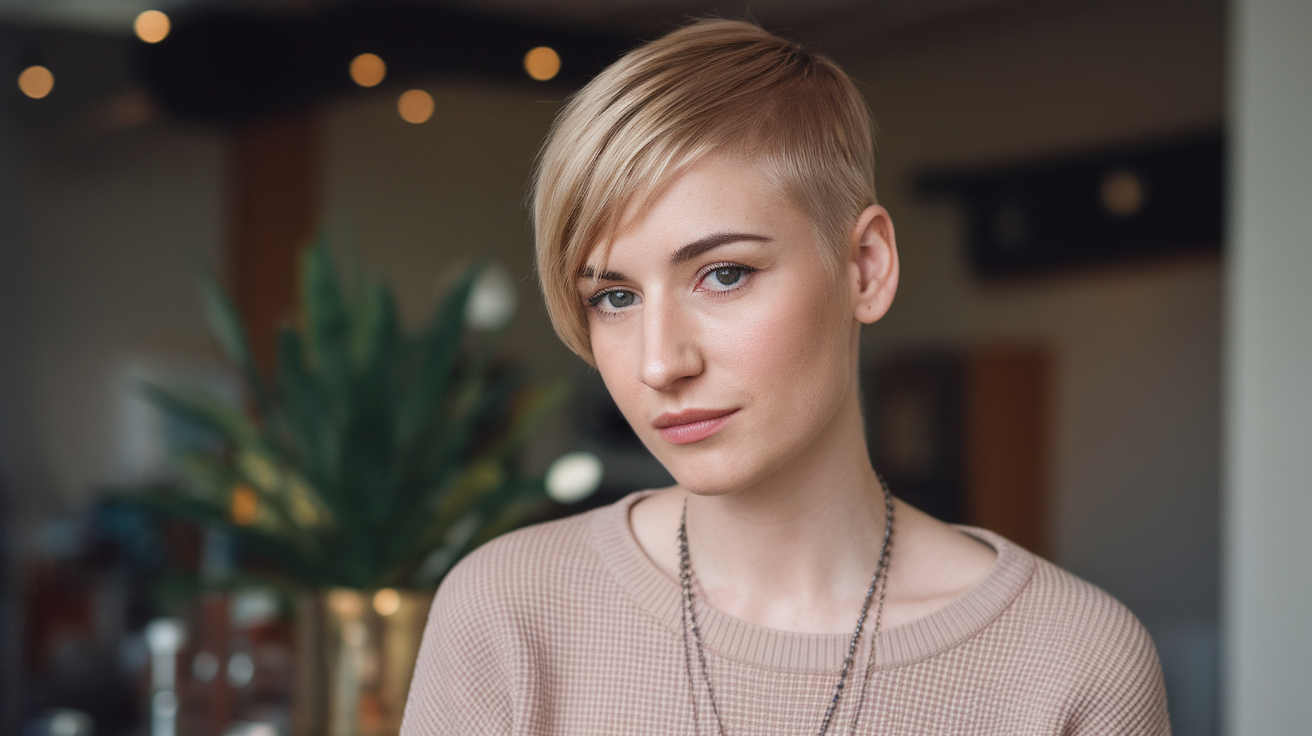
Asymmetrical short haircuts have become the go-to choice for women wanting something fresh and modern without sacrificing style or sophistication. These cuts break away from traditional symmetry, creating visual interest through varying lengths and unexpected angles that frame the face in completely new ways. The beauty of asymmetry lies in its ability to transform any basic short haircut into something extraordinary, whether you prefer subtle differences or dramatic contrasts between sides.
Short hair has always offered freedom and ease, but adding asymmetrical elements takes these benefits to another level entirely. You get a cut that photographs beautifully from every angle while requiring minimal daily effort to look polished. This particular trend speaks to women who want their hair to make a statement without needing hours of styling time each morning.
We’ll walk through five stunning asymmetrical short haircuts that stylists can’t stop creating this year. From subtle pixies with gentle sweeps to bold bobs with dramatic angles, these styles offer something for every personality and lifestyle. Let’s discover which asymmetrical cut might become your signature look.
What Makes Asymmetrical Short Haircuts Special This Year
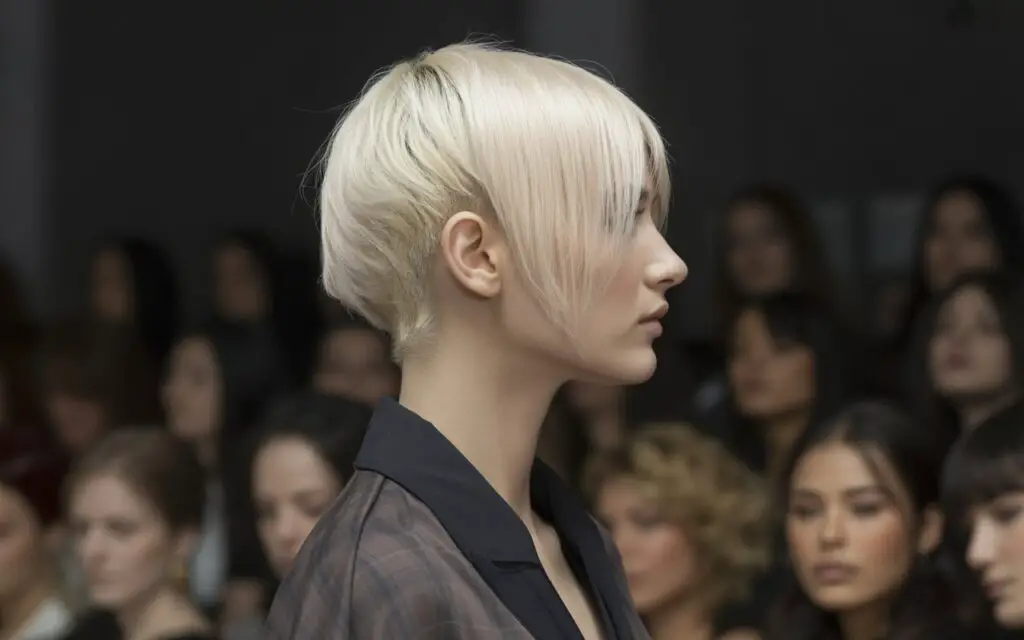
Asymmetrical cuts have evolved beyond simple angled bobs into complex, personalized styles that reflect individual personality and lifestyle needs. The current trend focuses on creating movement and dimension through strategic cutting techniques rather than relying solely on length differences. This approach means your cut looks intentional and artistic rather than accidentally uneven.
Understanding the Appeal of Uneven Lengths
The psychology behind choosing an asymmetrical cut runs deeper than just following trends. Women gravitate toward these styles because they offer control over how much change they want to introduce. You might start with a subtle difference of half an inch between sides, then gradually increase the contrast as you become more comfortable with the look.
Face-framing becomes incredibly customizable with asymmetry. Your stylist can adjust lengths to highlight your best features while softening areas you’d prefer to downplay. This level of personalization wasn’t as refined in previous years, but modern cutting techniques allow for precision that creates flattering results for every face shape.
The Versatility Factor
Morning routines become simpler with the right asymmetrical cut because the style itself provides built-in interest. You won’t need to curl, wave, or add accessories to make your hair look finished. The cut does most of the work, requiring only basic product application and perhaps a quick blow-dry.
Professional settings welcome these styles more than ever before. The polished nature of well-executed asymmetry reads as sophisticated rather than rebellious, making it appropriate for corporate environments while still maintaining personality.
Maintenance Considerations
Regular trims every 4-6 weeks keep asymmetrical cuts looking intentional rather than grown out. This frequency might seem high, but the dramatic difference in how your style looks when properly maintained versus slightly overgrown makes the investment worthwhile.
The growing-out process requires patience but offers opportunities to try different variations along the way. Your stylist can adjust the angles and lengths during each appointment, essentially giving you multiple new styles as your hair grows.
Texture and Movement Advantages
Natural texture works beautifully with asymmetrical cuts, whether your hair is straight, wavy, or curly. The varying lengths create:
- Visual Volume: Shorter sections lift naturally, creating fullness without teasing
- Dynamic Movement: Different lengths move independently, adding life to the style
- Enhanced Texture: Natural waves and curls become focal points rather than challenges
- Reduced Bulk: Strategic cutting removes weight where needed while maintaining body
Color placement becomes more strategic with asymmetrical cuts. Highlights, lowlights, or bold color panels can follow the cut’s lines, creating cohesive looks that appear professionally designed. This integration of cut and color represents a significant shift from treating them as separate services.
The Edgy Pixie with Side-Swept Drama
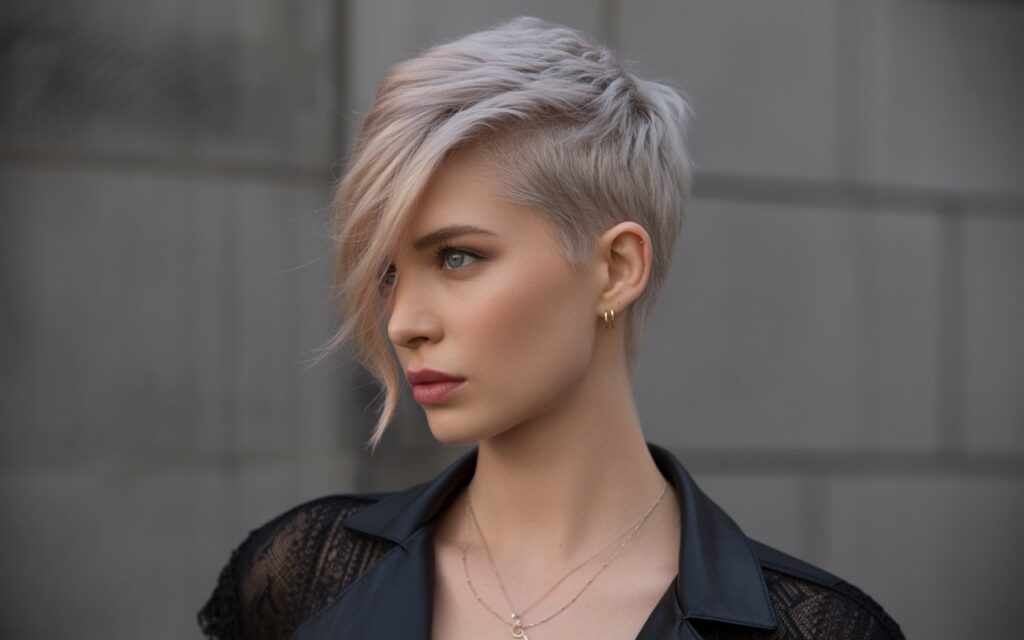
This year’s pixie cuts abandon uniformity in favor of dramatic sweeping sections that create movement and softness around the face. The traditional pixie gets reimagined with longer pieces on one side that can be styled across the forehead or tucked behind the ear for versatility. This style works particularly well for women transitioning from longer hair who aren’t ready for an all-over short cut.
Defining Features of the Modern Asymmetrical Pixie
The key difference between standard pixies and their asymmetrical counterparts lies in the deliberate imbalance of length distribution. One side typically maintains classic pixie shortness while the opposite extends significantly longer, sometimes reaching the jawline or beyond.
Your stylist will likely suggest keeping the shorter side closely cropped around the ear, creating a clean line that emphasizes the contrast. This shorter section often incorporates subtle fading or tapering techniques borrowed from men’s barbering, adding professional polish to the overall look.
The longer side offers endless styling possibilities. Some days you might sweep it dramatically across your forehead for maximum impact. Other times, you could pin it back for a more understated appearance suitable for conservative occasions.
Face Shapes That Benefit Most
Round faces find particular success with this style because the diagonal lines created by the sweep help elongate facial features. The asymmetry draws the eye upward and outward rather than emphasizing width.
Square faces benefit from the softening effect of the longer swept section, which breaks up strong jawlines without requiring length all around. This selective softness maintains the power of a short cut while adding feminine touches where desired.
Heart-shaped faces can use the swept portion to balance a narrower chin. By keeping volume and length concentrated on one side, you create visual weight that equalizes proportions beautifully.
Daily Styling Techniques
Morning styling takes less than five minutes once you understand your hair’s natural tendencies. Start with damp hair and apply a lightweight molding paste or cream to the longer sections. Use your fingers to direct the hair in your preferred direction while blow-drying on medium heat.
The shorter side requires minimal attention – just a touch of texturizing powder or matte paste worked through with fingertips creates sufficient definition. Avoid over-styling this section, as its simplicity provides necessary contrast to the more dramatic swept portion.
Color Strategies for Maximum Impact
Single-process colors in rich, glossy shades make the cut’s lines appear sharper and more defined. Deep chocolates, inky blacks, and platinum blondes all create striking results that emphasize the geometric nature of the cut.
For those wanting more complexity, consider these color placement options:
- Peek-a-boo Highlights: Hidden color revealed only when the longer section moves
- Face-framing Brightness: Lighter pieces around the face that follow the cut’s longest points
- Shadow Roots: Darker roots that gradually lighten, adding depth without harsh lines
- Asymmetrical Panels: Bold color blocks that mirror the cut’s asymmetry
Metallic tones like silver, rose gold, and copper particularly complement this style’s modern aesthetic. These shades catch light differently as the hair moves, creating an almost liquid appearance that enhances the cut’s fluidity.
Asymmetrical Bob Variations Taking Center Stage
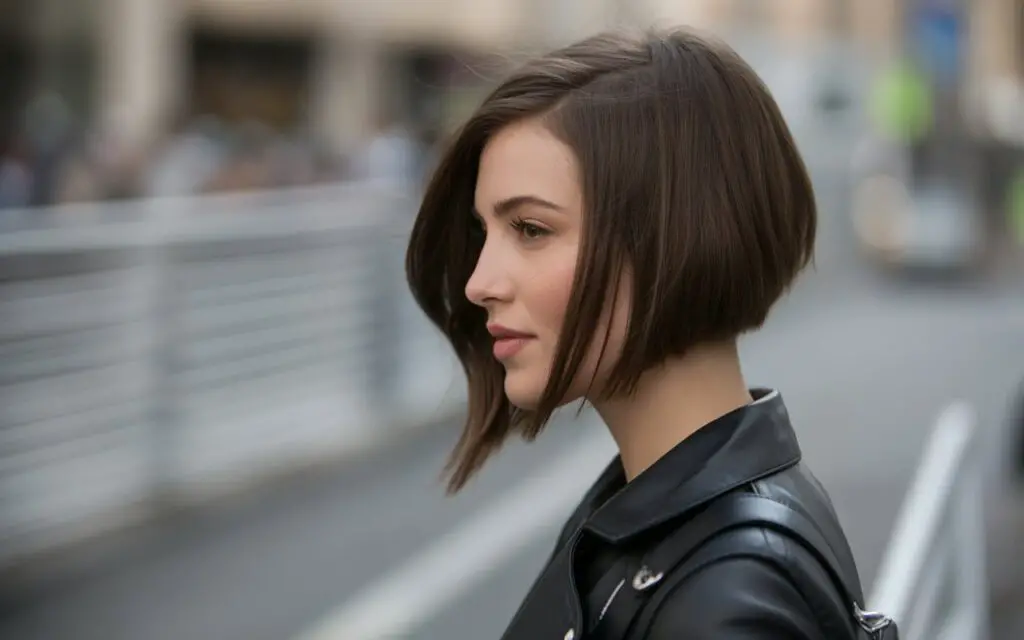
The asymmetrical bob has undergone remarkable transformation this year, moving far beyond the simple angled cut of previous decades. Today’s versions incorporate multiple lengths within the same cut, creating complexity that keeps the style interesting from every viewing angle. These bobs range from chin-length to shoulder-grazing, with the differential between sides varying from subtle to extreme.
Exploring Different Bob Lengths and Angles
The micro bob with asymmetrical elements offers maximum drama in minimal length. This ultra-short variation typically sits above the chin on one side while barely grazing the jaw on the other. The severe angle creates a striking profile that works exceptionally well with straight, sleek hair textures.
Mid-length asymmetrical bobs provide more styling flexibility while maintaining the style’s characteristic edge. These cuts usually feature one side reaching the collarbone while the opposite stays around chin level. This length differential allows for both professional polish and weekend casualness.
Your lifestyle should guide your choice of angle severity. Subtle asymmetry with only an inch or two difference between sides offers a hint of uniqueness without demanding attention. More dramatic angles exceeding three inches of difference make bold statements suitable for creative fields or personal expression.
Textured Versus Sleek Options
Texture transforms the asymmetrical bob from severe to soft without sacrificing its modern appeal. Razored ends create piece-y separation that moves naturally throughout the day. This technique works particularly well for fine hair that needs visual density without actual weight.
Sleek, blunt-cut asymmetrical bobs deliver architectural precision that photographs beautifully. These versions require commitment to regular blow-drying and flat-iron work but reward you with mirror-like shine and perfect lines. The contrast between the sharp edges and soft facial features creates compelling visual interest.
Customizing for Your Features
Determining where the shortest point should hit involves careful consideration of your neck length and shoulder line. Women with longer necks can carry ultra-short backs that expose the nape, while those with shorter necks benefit from keeping some length for balance.
The longest point’s placement dramatically affects how the cut frames your face. Ending at the chin emphasizes the jawline, while collarbone-length pieces create a slimming vertical line. Your stylist should evaluate your profile from multiple angles before making final decisions about length placement.
Hair density influences how much graduation or layering your asymmetrical bob needs. Thick hair often requires internal layers to remove bulk while maintaining the outline’s integrity. Fine hair typically looks best with minimal layering to preserve density.
Discussing your comfort level with daily styling helps determine the right variation for your routine. Some asymmetrical bobs fall into place naturally after washing, while others require specific blow-drying techniques to achieve their intended shape.
Styling Tips for Everyday Wear
Creating different looks from the same cut keeps your style fresh without salon visits. A deep side part emphasizes the asymmetry for evening events, while a center part can minimize the difference for more conservative settings. The versatility built into these cuts means you’re never locked into one specific style.
Product selection makes the difference between a good hair day and a great one. Volumizing mousse applied to roots before blow-drying prevents the longer side from appearing flat or heavy. A smoothing serum on the ends eliminates frizz without weighing down the movement.
Heat styling tools should match your desired finish. Round brushes create soft bends and volume, while paddle brushes deliver sleekness. A flat iron can either enhance straightness or create subtle flips at the ends for added interest.
Quick refresh techniques help maintain your style between washes:
- Dry Shampoo Application: Focus on roots of the longer side to prevent oil buildup
- Texture Spray Revival: Scrunch into mid-lengths and ends to restore piece-y definition
- Steam Refresh: Hang your head upside down in shower steam to reactivate yesterday’s style
- Strategic Pin Placement: Bobby pins hidden at the shorter side’s crown add temporary volume
The Undercut Fusion Creating Bold Statements
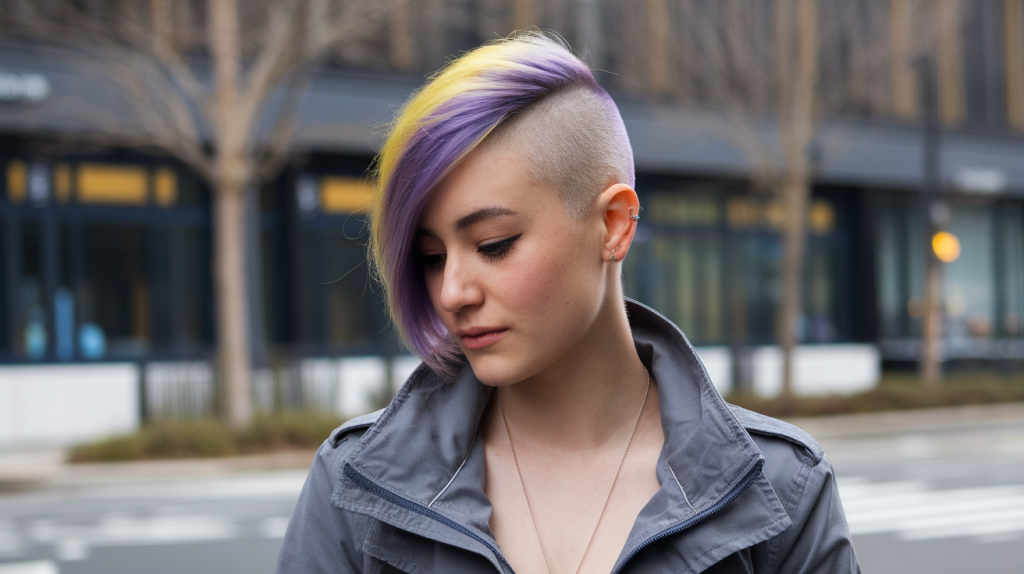
Combining undercuts with asymmetrical elements produces some of this year’s most striking short haircuts. This fusion technique involves shaving or closely cutting sections of hair while leaving other areas longer, creating dramatic contrast that goes beyond traditional asymmetry. The result is a style that commands attention while offering surprising versatility in how bold or subtle you choose to display the undercut portion.
Understanding Hidden Versus Visible Undercut Options
Hidden undercuts provide the thrill of a daring choice without committing to constant visibility. These sections typically sit at the nape or behind the ears, revealed only when you choose to pull the longer hair up or tuck it away.
The placement of hidden undercuts requires strategic planning. Your stylist must consider how your hair naturally falls and where you typically part it. The goal is creating an undercut that stays concealed during professional situations but can be displayed during personal time.
Visible undercuts make no attempt at concealment, proudly displaying the shaved or closely cropped sections as integral parts of the overall design. These might include side undercuts that extend from temple to ear or asymmetrical nape designs that climb higher on one side.
Women choosing visible undercuts often incorporate designs or patterns into the shaved sections. Geometric lines, curves, or even small artistic designs can be carved into the short hair, adding another layer of personalization to an already unique style.
Maintenance Requirements and Growth Patterns
Undercuts demand more frequent maintenance than other short styles, typically requiring touch-ups every 2-3 weeks to maintain crisp lines. The contrast between shaved and longer sections becomes less defined as hair grows, potentially creating an awkward in-between phase if not properly maintained.
The commitment level varies depending on the undercut’s placement and size. Smaller, hidden sections can grow out relatively unnoticed if you decide to abandon the style. Larger, more visible undercuts require dedication to either maintaining them or patiently growing through multiple awkward stages.
Consider your hair’s growth rate when planning maintenance schedules. Fast-growing hair might need weekly touch-ups to maintain super-clean lines, while slower growth could extend appointments to monthly visits.
Your stylist might suggest learning basic maintenance techniques for between-appointment upkeep. Simple tools like detail trimmers can help maintain edges at home, though major reshaping should always be left to professionals.
Who Benefits Most from This Style
Active lifestyles pair perfectly with undercut combinations. The reduced hair volume means less sweating during workouts and faster drying times after swimming or showering. Athletes and fitness enthusiasts particularly appreciate how these cuts stay out of the way during physical activity.
Creative professionals often gravitate toward these bold combinations as visual representations of their artistic nature. The style suggests innovation and willingness to take risks, qualities valued in design, marketing, and entertainment fields.
Women with thick, heavy hair find relief through strategic undercuts that remove bulk without sacrificing length where they want it. This selective reduction can eliminate headaches caused by heavy hair while maintaining styling options.
Climate considerations also play a role. Hot, humid environments become more bearable when undercuts provide ventilation and reduce the insulation effect of thick hair. The cooling effect can be significant, especially for those who spend time outdoors.
Styling Possibilities and Product Recommendations
The dual nature of undercut combinations requires different products for different sections. The longer portions benefit from traditional styling products like mousses, creams, or serums depending on your desired finish.
The undercut sections themselves need minimal product, perhaps just a touch of hair oil to maintain scalp health or a light gel if you’re creating designs that need definition. Over-application of products in these areas can cause buildup that’s difficult to remove from short hair.
Transitioning between hidden and revealed looks takes practice but becomes second nature. Simple techniques for showcasing your undercut include:
- Half-up Styles: Pulling only the top layer up reveals nape undercuts dramatically
- Side Tucks: Securing one side behind the ear displays temple undercuts
- Braided Accents: Small braids can hold longer sections away from undercut areas
- Strategic Clips: Decorative clips or pins can hold hair while adding visual interest
Tools for maintaining your style at home should include a good blow dryer with a concentrator nozzle for precise styling of longer sections. A small detail trimmer helps maintain undercut edges between appointments, though major shaping should always be done professionally.
Textured Asymmetrical Cuts for Natural Movement
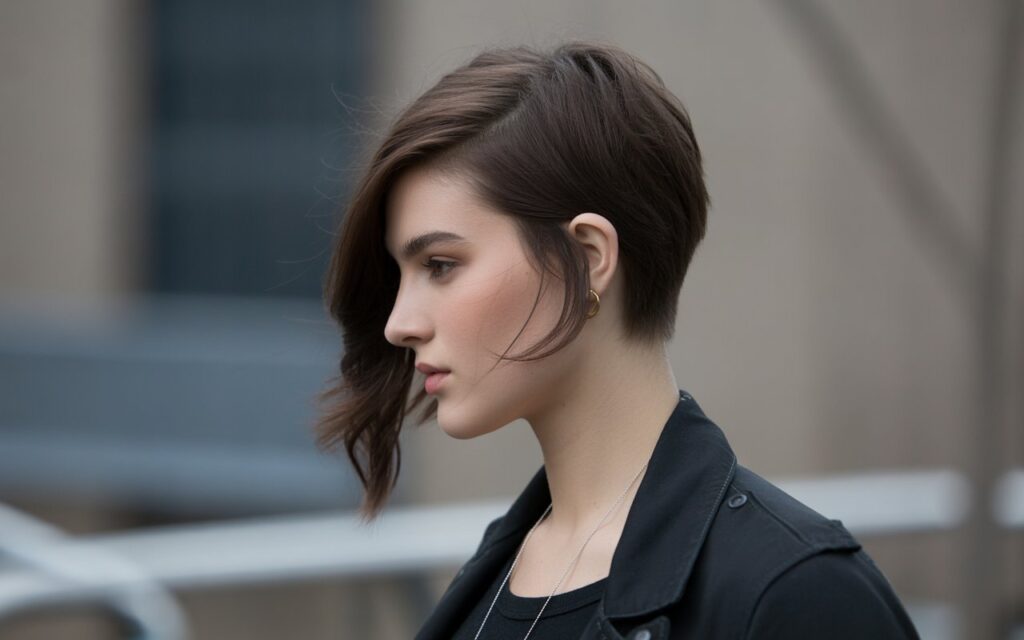
Natural texture becomes the star when combined with asymmetrical cutting techniques, creating styles that work with your hair’s inherent characteristics rather than fighting against them. This year’s approach to textured asymmetrical cuts focuses on enhancing what your hair naturally wants to do while using strategic length variations to create shape and interest.
Working with Your Natural Hair Texture
Wavy hair responds beautifully to asymmetrical cuts that incorporate different lengths to enhance the wave pattern. The varying lengths create different wave sizes and shapes throughout the cut, adding visual complexity that straight hair would need styling to achieve.
Curly textures benefit from asymmetrical approaches that remove weight strategically without losing curl formation. Your stylist might keep one side longer to showcase full spirals while the shorter side displays tighter, more defined curls.
The consultation process for textured cuts requires honest discussion about your styling routine. If you prefer air-drying and minimal manipulation, the cut must be structured to look intentional without heat styling. This might mean adjusting the asymmetry to work with your natural growth patterns.
Understanding your hair’s behavior in different weather conditions helps predict how the cut will perform year-round. Humidity might enhance natural texture, requiring less product, while dry conditions might necessitate more moisture to maintain definition.
Layering Techniques That Enhance Movement
Internal layering creates movement without removing length from the perimeter. This technique works particularly well for asymmetrical cuts because it adds volume where needed without disrupting the overall shape.
Point cutting introduces subtle texture that encourages natural movement. This technique involves cutting into the hair at an angle rather than straight across, creating soft, feathered ends that blend seamlessly.
Disconnected layers add drama to textured asymmetrical cuts by creating distinct sections that move independently. This technique might involve leaving the top layer significantly longer than underneath sections, creating a cascading effect.
Products That Define Without Weighing Down
Product selection can make or break a textured asymmetrical cut. The goal is enhancing natural movement while maintaining the shape’s integrity. Start with a lightweight leave-in conditioner that provides moisture without heaviness.
Texture-enhancing products should match your specific hair type:
- Fine, Wavy Hair: Volumizing mousse or foam that adds body without stiffness
- Thick, Curly Hair: Curl cream that defines while controlling frizz
- Coarse, Textured Hair: Smoothing oil that adds shine without flattening
- Mixed Textures: Cocktailing products to address different needs in different sections
Application technique matters as much as product choice. Scrunching products into damp hair encourages natural texture formation, while smoothing them down the hair shaft creates sleeker results.
The shorter side of your asymmetrical cut might need different products than the longer side. Don’t hesitate to use texturizing powder on shorter sections for grip and definition while applying smoothing serum to longer pieces.
The Growing Out Process
Planning for growth from the beginning makes the transition smoother if you decide to change styles. Textured cuts generally grow out more gracefully than blunt cuts because the layers blend naturally as length increases.
Regular trims every 6-8 weeks can gradually shift the asymmetry rather than maintaining it exactly. This approach allows you to test different variations while growing toward a new goal.
Communication with your stylist about long-term goals helps them cut in ways that support future changes. They might avoid certain techniques that would create difficult growth patterns or suggest modifications that transition easily.
Photo documentation of your cut’s evolution helps track what works and what doesn’t. Take pictures from multiple angles every few weeks to identify which stages you prefer. This visual record becomes valuable reference material for future cuts.
The beauty of textured asymmetrical cuts lies in their forgiving nature. Unlike precision cuts that lose their shape quickly, textured versions maintain appeal even as they grow and change. This flexibility makes them ideal for women who want style without constant salon maintenance.
Your Asymmetrical Journey Awaits
Short asymmetrical haircuts offer endless possibilities for personal expression while solving practical styling challenges. Whether you choose subtle angles or dramatic contrasts, these cuts adapt to your lifestyle, maintenance preferences, and natural hair characteristics. The five styles explored here represent just the beginning of what’s possible when you break free from traditional symmetry.
The beauty of choosing an asymmetrical cut this year lies in the advanced techniques and understanding that stylists bring to these styles. No longer experimental or risky, these cuts have evolved into sophisticated options that work in professional settings while maintaining artistic flair. Your perfect asymmetrical cut exists – it’s simply a matter of finding the right combination of length, texture, and angle that speaks to your personality and enhances your natural beauty.
Frequently Asked Questions
Q: How often do asymmetrical haircuts need to be trimmed to maintain their shape?
A: Most asymmetrical cuts require trimming every 4-6 weeks to maintain their intended shape and prevent the style from looking grown out rather than intentional.
Q: Can asymmetrical cuts work with naturally curly or coily hair?
A: Yes, asymmetrical cuts work beautifully with all hair textures. Curly and coily hair often looks stunning with asymmetry because the natural volume and texture add dimension to the varying lengths.
Q: Will an asymmetrical cut limit my styling options?
A: Actually, these cuts often provide more styling versatility than traditional cuts. You can emphasize or minimize the asymmetry through different partings, styling techniques, and accessories.
Q: How do I know if an asymmetrical cut will suit my face shape?
A: A skilled stylist can adapt asymmetrical cuts to flatter any face shape by adjusting where the shortest and longest points fall and customizing the angle to enhance your best features.
Q: What happens if I want to grow out an asymmetrical cut?
A: Growing out an asymmetrical cut requires patience but offers opportunities to try different styles along the way. Regular trims can gradually even out lengths while maintaining style during the transition.
Q: Do asymmetrical cuts require special styling tools or products?
A: While you don’t need special tools, having a good blow dryer and the right products for your hair type helps achieve the best results. Many asymmetrical cuts also look great air-dried with minimal product.
Q: Can I have an asymmetrical cut if I work in a conservative professional environment?
A: Absolutely. Subtle asymmetrical cuts with minimal length difference appear polished and professional while still offering modern style.
Q: How do I communicate what I want to my stylist when asking for an asymmetrical cut?
A: Bring reference photos showing the degree of asymmetry you prefer, discuss your daily styling routine honestly, and be clear about how dramatic or subtle you want the difference between sides.
Q: Will an asymmetrical haircut make my hair appear thicker or thinner?
A: The right asymmetrical cut can create the illusion of fuller hair through strategic layering and length placement, though the specific effect depends on your natural hair density and the cutting techniques used.

