

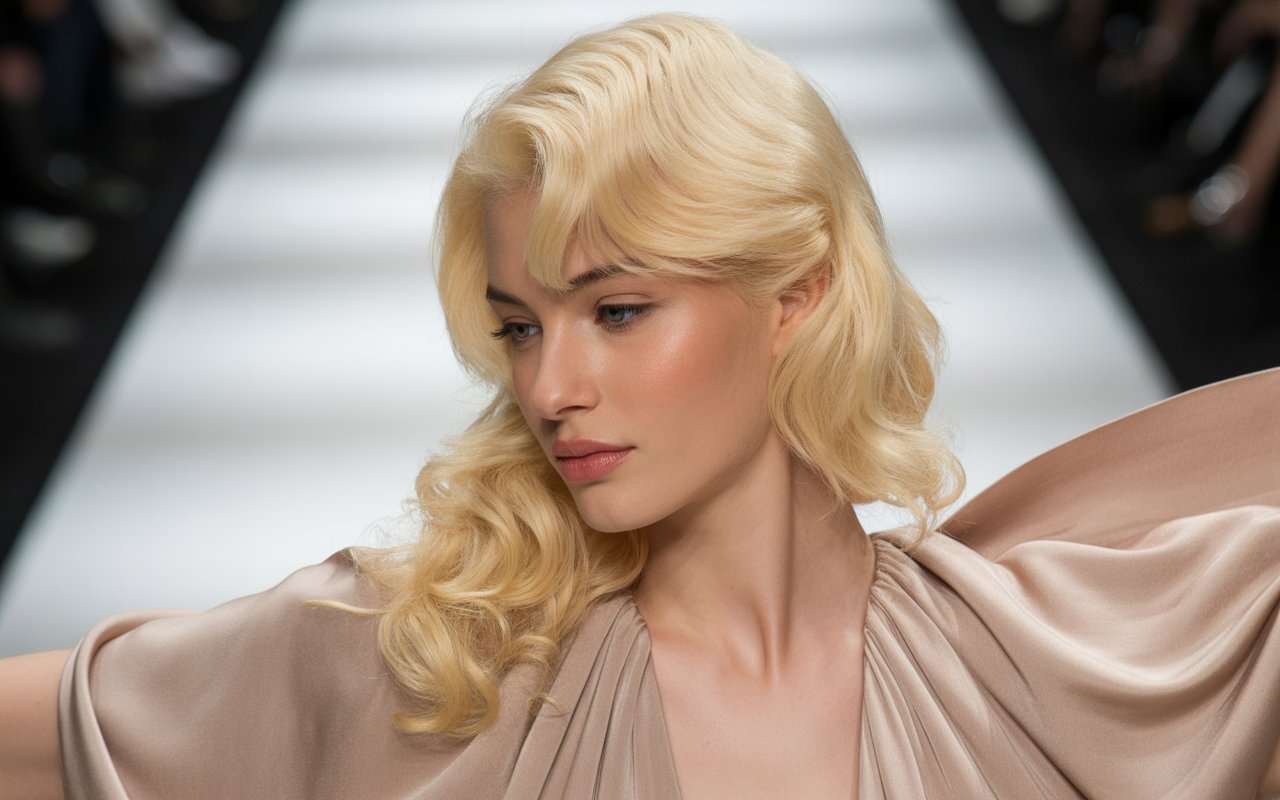
There’s something about a soft, creamy blonde that feels both effortless and polished at the same time. It’s warm without being golden, light without being icy, and flattering on a wider range of skin tones than most other blonde shades. It makes sense that so many women are drawn to it — and even more sense that plenty of them want to try it at home.
The hesitation is understandable. Going blonde at home, especially for the first time, comes with a lot of questions. Will it turn orange? Will it look uneven? Is it even possible to get a result that looks intentional rather than accidental? The short answer is yes — with the right approach, the right products, and realistic expectations, you can absolutely pull this off.
What helps most is knowing what results are actually within reach before you start. Some outcomes take more preparation than others, some depend heavily on your starting color, and a few require patience across multiple sessions. Here’s a clear look at what beginners can realistically expect.
- 1. A Soft Lift on Already Light Hair
- 2. Full Gray Coverage With a Warm Blonde Finish
- 3. A Warmer, Creamier Version of Your Current Blonde
- 4. A Natural-Looking Result on Medium Brown Hair (With Patience)
- 5. Bright, Even Results on Virgin (Never-Colored) Hair
- 6. A Seamless Root Touch-Up
- 7. A Glossy, Healthy-Looking Finish (Even on Fragile Hair)
- 8. Brassiness-Free Results With the Right Toner
- 9. A Strand-Test Result That Tells You Exactly What to Expect
- 10. A Color That Lasts Eight or More Weeks With Proper Care
- What You Walk Away With
- Frequently Asked Questions
1. A Soft Lift on Already Light Hair
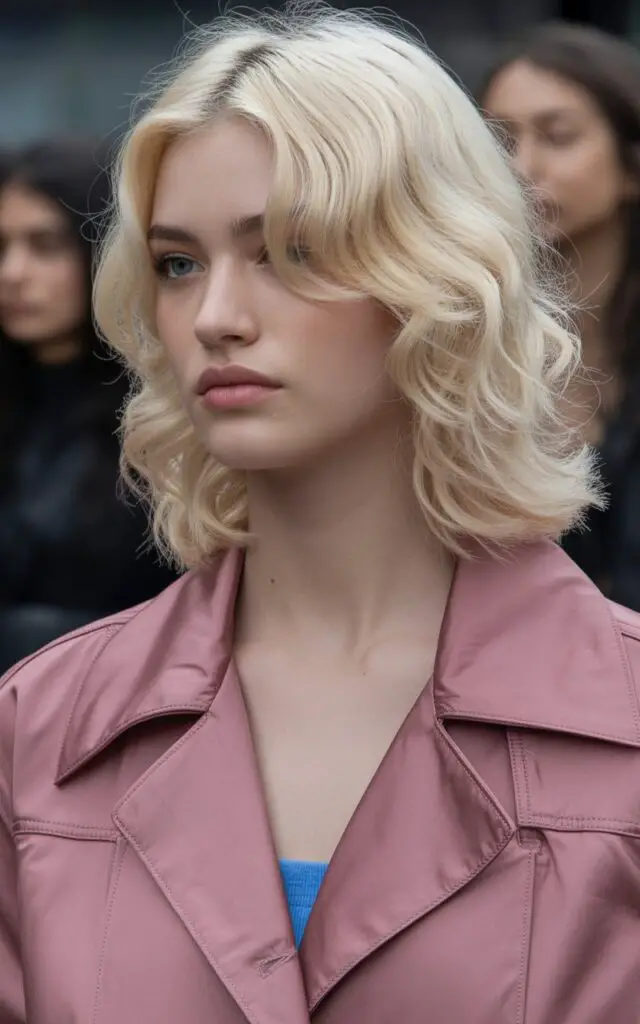
If your hair is naturally light blonde, dirty blonde, or a very light brown, this is the easiest win in the bunch. You don’t need bleach, you don’t need a double process, and the result — a creamy, luminous, softly lifted tone — is completely achievable with a single at-home color session.
For people with lighter starting shades, some permanent hair dyes can lift color without bleach, making it possible to brighten hair by several shades at home. The key is choosing a product specifically formulated for lighter hair and following the processing time carefully.
2. Full Gray Coverage With a Warm Blonde Finish
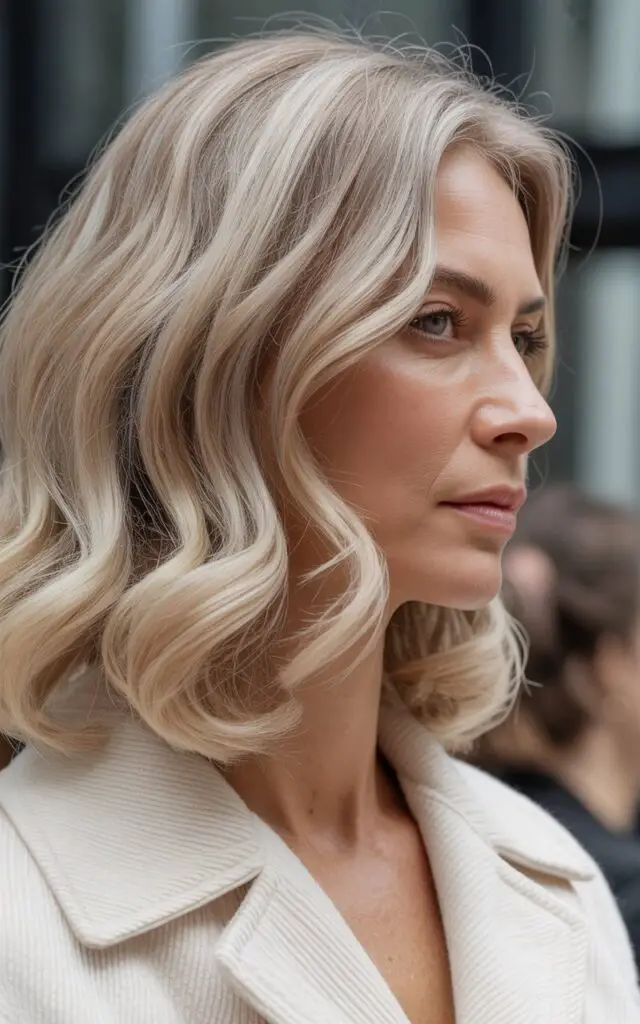
Women dealing with grays often worry that blonde dye won’t cover them evenly or that the gray strands will show through as lighter or brighter patches. The good news is that high-quality permanent dyes are formulated to handle exactly this.
Products like Garnier GOOD Permanent Hair Dye in 9.1 Vanilla Blonde offer up to 100% gray coverage, with a creamy formula that delivers long-lasting color and a glossy finish. One thing to keep in mind: on gray hair, the color tends to appear slightly lighter than it does on pigmented hair. That’s not a flaw — it’s just how the color interacts with strands that have no underlying pigment. The result is often a brighter, more luminous version of the shade, which, with a warm tone like this one, can look beautiful.
3. A Warmer, Creamier Version of Your Current Blonde
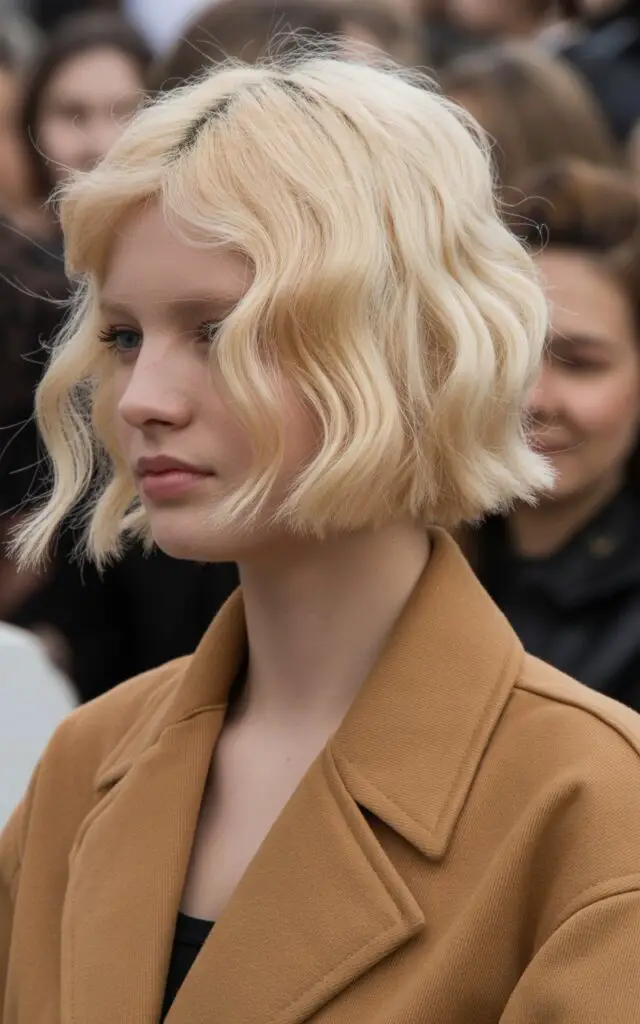
If you’re already blonde but your color has gone flat, faded, or pulled too ashy or too yellow, a toning session at home can bring it back to life. This particular shade sits right in the sweet spot — it’s a neutral tone that blends warm and cool elements, making it versatile enough to work as a refresh for existing blondes who want to shift their color without a dramatic change.
This is a low-commitment, low-risk option. You’re not trying to lift — you’re just correcting and refining what’s already there.
4. A Natural-Looking Result on Medium Brown Hair (With Patience)
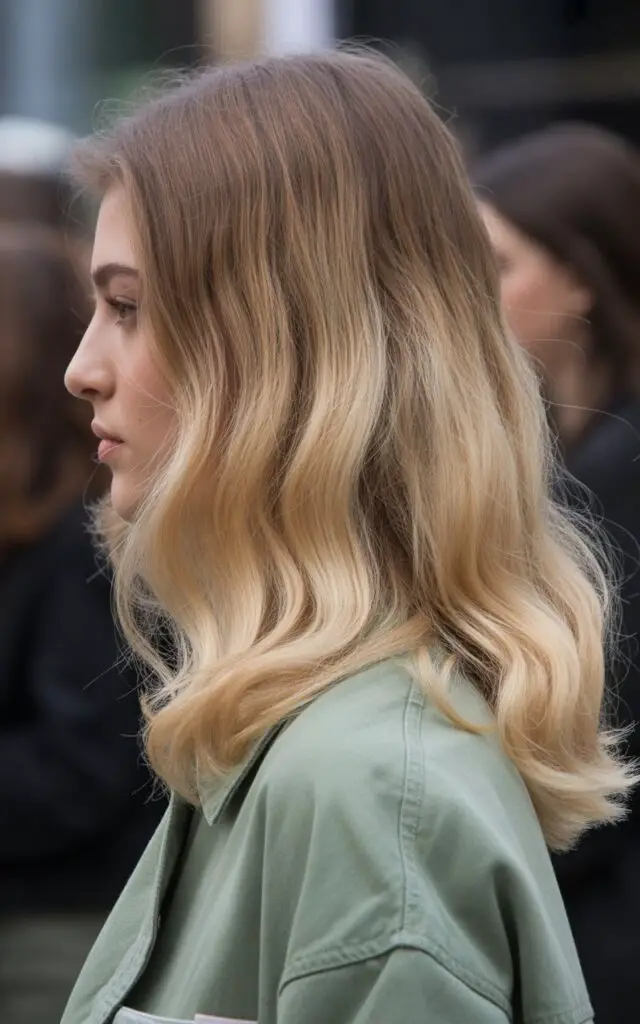
Medium brown to blonde is one of the more common goals for at-home beginners, and it’s achievable — but it usually takes more than one step. The darker your starting color, the more lightening sessions you’ll typically need to reach a blonde base, and waiting a few weeks between sessions helps prevent over-processing.
For medium brown hair, one bleaching session followed by toning can get you to a soft, warm blonde. Don’t expect platinum on the first try — but a creamy, honey-leaning blonde with warm undertones? That’s a realistic first-session goal.
5. Bright, Even Results on Virgin (Never-Colored) Hair
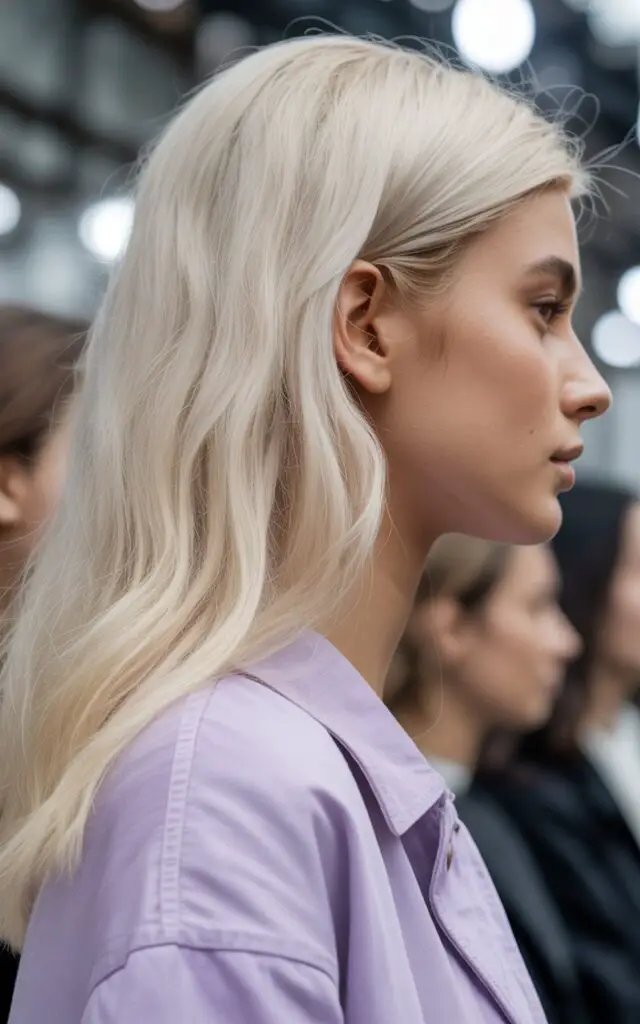
Virgin hair — hair that has never been chemically treated — responds more predictably to color than hair that’s been previously dyed. The rule “color can’t lift color” applies to color-treated hair, meaning if your hair has existing dye on it, a blonde dye alone won’t lighten it. But on untreated hair, a permanent blonde dye has a clean slate to work with, and the results tend to be more even and consistent.
If your hair is natural and you’re doing this for the first time, you’re starting with the best possible advantage.
6. A Seamless Root Touch-Up
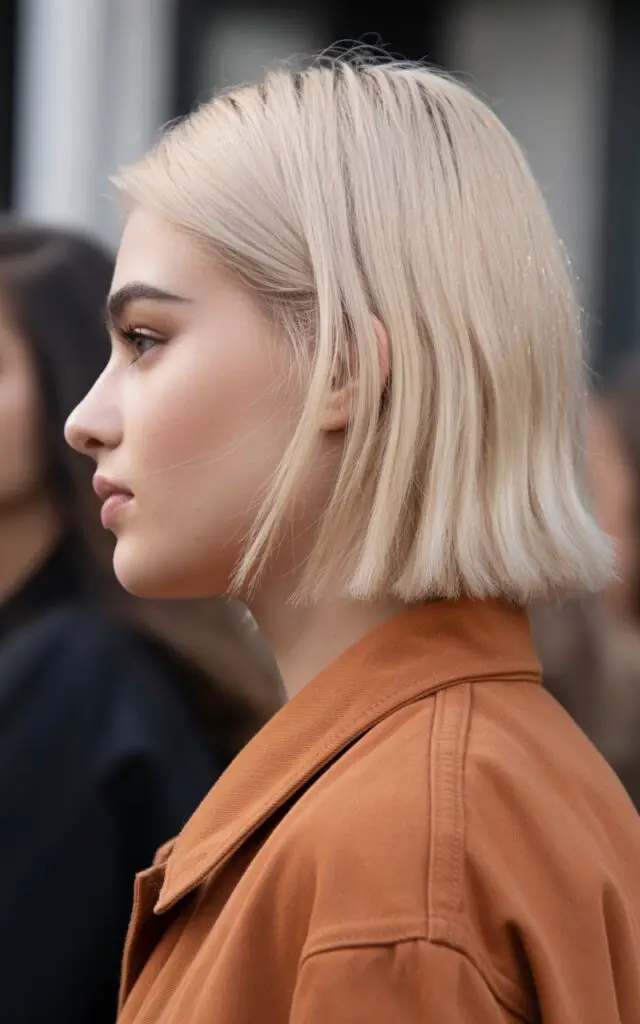
This is one of the most underrated at-home results a beginner can achieve, and it’s also one of the most practical. Once you’ve established your color, keeping your roots consistent doesn’t require salon-level skill — it requires consistency and correct technique.
Applying color to the roots first is recommended because roots are the least porous part of the hair and need more processing time than the ends. Starting at the roots, letting the color develop there before moving it through the lengths, gives you an even result without the uneven banding that comes from applying color all at once.
7. A Glossy, Healthy-Looking Finish (Even on Fragile Hair)
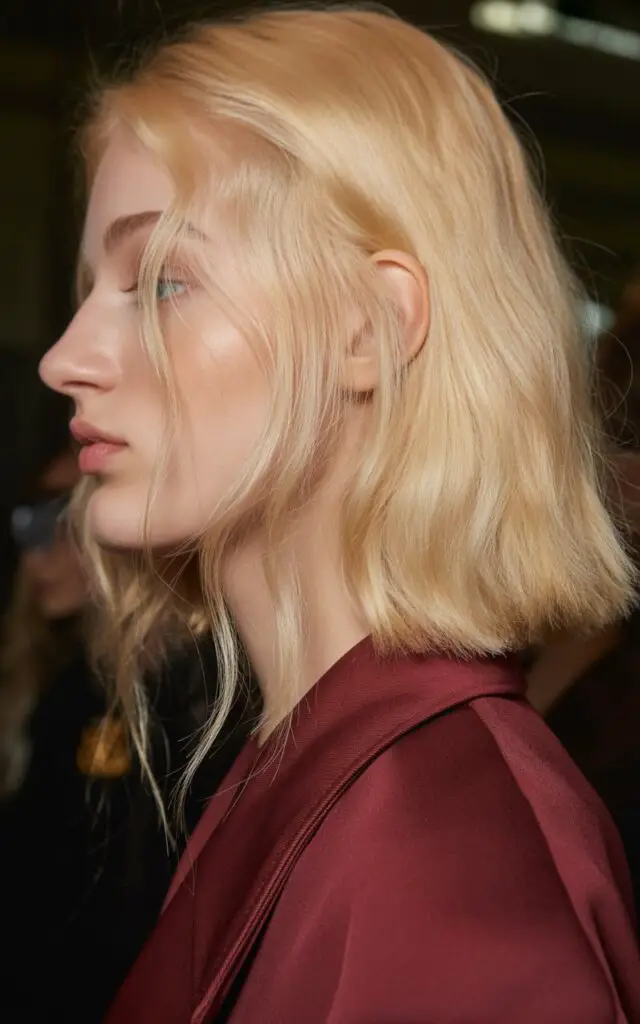
One concern beginners have is whether going lighter will leave their hair dry, brittle, or damaged-looking. The finish you get depends heavily on the formula you choose and how you treat your hair after coloring.
Ammonia-free formulas enriched with conditioning ingredients like Shea Butter can deliver long-lasting color while leaving hair looking rejuvenated and healthy rather than stripped. Pairing any color session with a good deep conditioning treatment in the days that follow makes a visible difference in how your hair looks and feels.
8. Brassiness-Free Results With the Right Toner
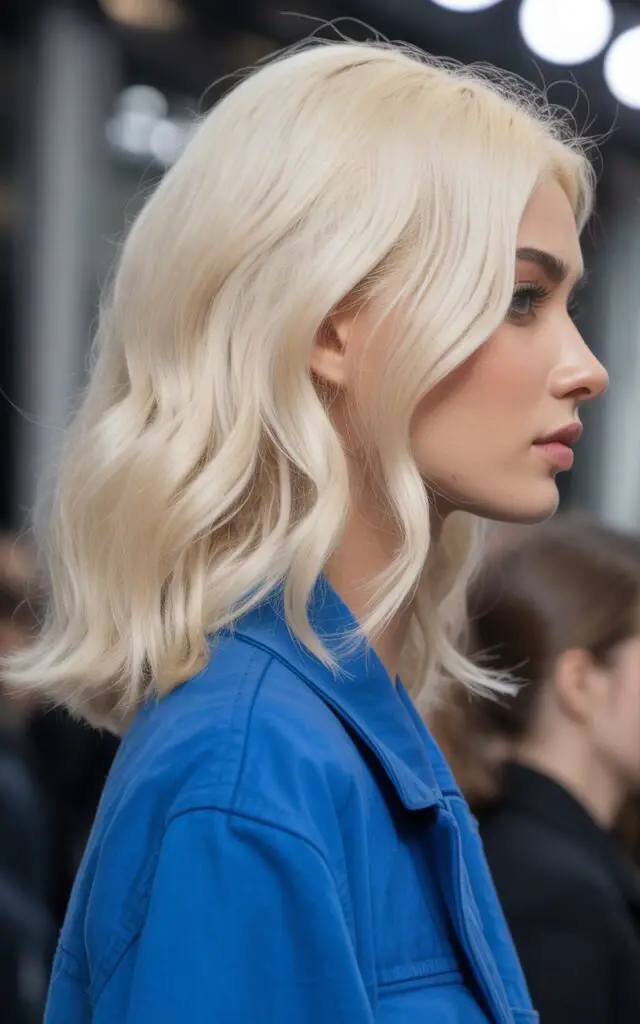
Orange and brassy tones are the most common complaint from women who go blonde at home for the first time. They’re also the most preventable.
Any time you lighten hair, brassiness is a risk — but it’s typically easy to correct with a toner or regular use of a purple shampoo. Purple shampoo applied root to tip, followed by a purple conditioner left on for one to two minutes, is the key to keeping those creamy, neutral tones intact between color sessions. This is not optional maintenance — it’s what keeps a warm, soft blonde from sliding into orange or yellow territory over time.
9. A Strand-Test Result That Tells You Exactly What to Expect
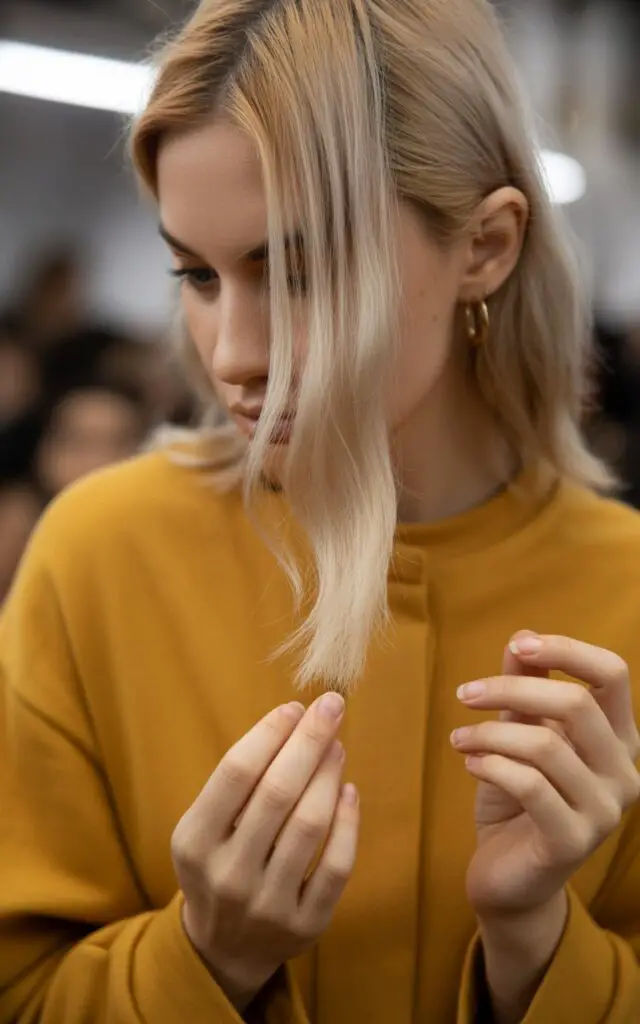
This one isn’t glamorous, but it’s genuinely one of the most useful outcomes a beginner can get before committing to a full color session. A strand test takes five minutes and removes almost all the guesswork from the process.
Just testing on a section from the underside of your hair and checking every ten to fifteen minutes, you can find the exact processing time that gives you the tone and color depth you want — before applying anything to your entire head. If you skip this step and the result isn’t what you expected, you’re left trying to fix something that could have been avoided.
10. A Color That Lasts Eight or More Weeks With Proper Care
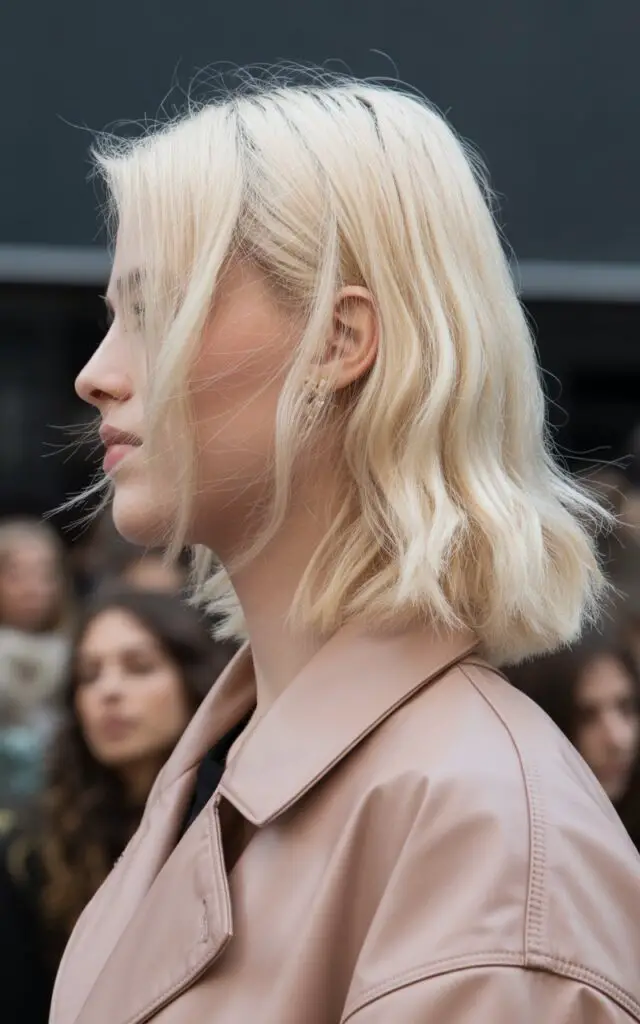
A well-executed at-home color session shouldn’t fade out in two weeks. With the right aftercare, you can expect your color to hold its tone and vibrancy for a good stretch before you need to touch it up again.
To maintain blonde hair color at home, using a purple shampoo alongside a color-protection shampoo, avoiding hot water, and applying a weekly hair mask all help extend the life of the color and keep it from turning brassy or fading unevenly. The color work is only half the equation — what you do after the dye is rinsed out is what keeps the results looking fresh.
What You Walk Away With
Going blonde at home for the first time isn’t something you have to wing. The more you understand about your starting point — your natural or current hair color, whether it’s been chemically treated before, and how much lift you’re actually trying to achieve — the better your result will be.
None of the ten outcomes above require professional training. What they do require is a patch test, a strand test, realistic expectations about how many sessions darker hair might need, and a consistent aftercare routine. That’s not a lot to ask for a result that, done right, looks like you spent real money on it.
Start simple, be patient with the process, and don’t skip the steps that feel optional. They usually aren’t.
Frequently Asked Questions
Q: Can beginners really achieve vanilla blonde at home without going to a salon?
A: Yes, especially if your starting hair color is light to medium. Darker shades may need more than one session, but with the right products and proper technique, a soft, creamy blonde is absolutely within reach at home.
Q: Do I need to bleach my hair first?
A: It depends on how dark your hair is and how light you want to go. Light to medium brown hair may only need one bleaching session before toning. Very dark or previously dyed hair typically requires more preparation. If your hair is naturally light or already blonde, you may be able to skip bleach entirely.
Q: What is the difference between vanilla blonde and platinum blonde?
A: The two are quite different. Platinum is an icy, almost white shade with no warmth. This softer shade is a neutral tone that blends warm and cool elements, making it look more natural and flattering on a broader range of skin tones.
Q: Why does my hair turn orange when I try to go blonde?
A: Orange and brassy tones appear when hair is lifted but not fully toned. This is extremely common and completely fixable. Using a toner after bleaching and maintaining color with a purple shampoo used regularly will neutralize those unwanted warm tones.
Q: How often should I touch up my at-home blonde color?
A: Most permanent blonde colors need to be touched up every six to eight weeks, depending on how fast your hair grows and how well you maintain the color in between. With proper aftercare — including color-protecting shampoo and minimal heat — you can push touch-ups closer to the eight-week mark.
Q: Is it safe to color hair that has already been chemically treated?
A: You need to be more careful with previously colored hair. Color can’t lift existing dye — you’d need a bleach or lightener for that. If your hair has been chemically treated recently or shows signs of damage, it’s worth waiting and conditioning the hair before applying any new color.
Q: What aftercare products do I actually need after coloring?
A: At minimum, a purple shampoo and a moisturizing conditioner. A weekly deep conditioning mask is also worth adding, particularly if the color process involved any lightening. Hot water accelerates fading, so washing in lukewarm water makes a real difference over time.
Q: Can I get good gray coverage with a soft blonde shade at home?
A: Yes. Permanent blonde dyes are formulated to cover gray, and the result on gray strands is often slightly lighter and brighter than on pigmented hair. For many women, this actually enhances the overall look rather than detracting from it.

